Have you noticed a small puddle of oil forming right under your car? If it’s coming from the oil pressure sensor, you might be wondering how serious this problem really is.
Ignoring a leaking oil pressure sensor can lead to bigger issues, costing you time and money down the road. But don’t worry—this article will help you understand why your oil pressure sensor is dripping oil, what risks it poses, and how you can fix it quickly.
Keep reading to protect your car and avoid unexpected breakdowns.
Signs Of Oil Pressure Sensor Leaks
Oil pressure sensor leaks can cause small oil drops to fall under your car. These leaks often start slow but can lead to bigger problems. Knowing the signs helps catch the issue early. This keeps your engine safe and saves repair costs.
Spotting Oil Drips Under The Car
Look for fresh oil spots on the ground where you park. These spots are usually dark brown or black. The oil may pool near the front or middle of the car. Clean the area first, then check again after parking. This helps confirm new leaks. A slow drip can leave small, round marks on the floor. If the spots grow larger or more frequent, the sensor may be leaking more oil.
Common Symptoms Of Sensor Failure
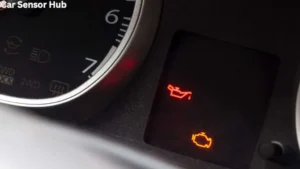
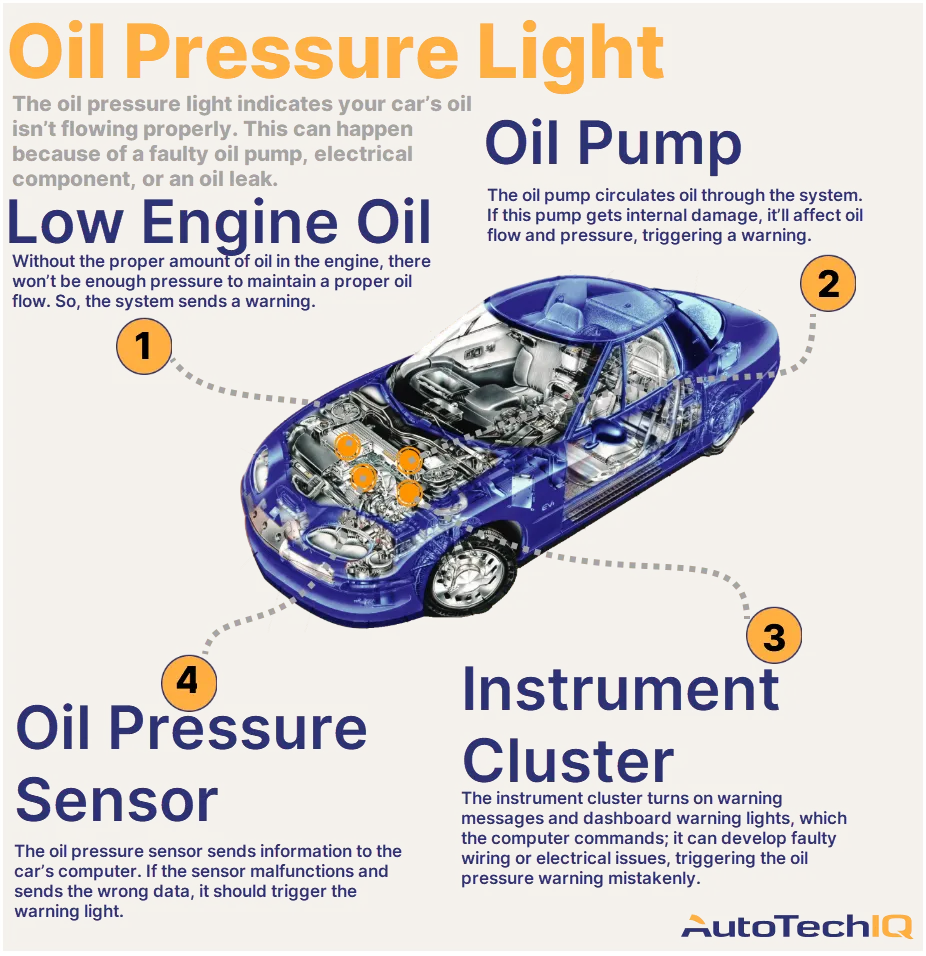
The oil pressure warning light may turn on suddenly. This light signals low oil pressure or sensor trouble. The engine might run rough or make unusual noises. Sometimes, the oil level drops fast without visible leaks. Your car might also feel less powerful or stall. These symptoms mean the sensor could be faulty or leaking oil. Checking the sensor early prevents engine damage.

Credit: www.youtube.com
Why Oil Pressure Sensors Leak
Oil pressure sensors can leak oil under your car for several reasons. These sensors monitor the engine’s oil pressure to keep it running smoothly. A leak means oil escapes, which can cause engine damage. Identifying why the sensor leaks helps fix the problem quickly. Here are the main causes of oil pressure sensor leaks.
Worn Or Damaged Sensor Seal
The sensor seal keeps oil inside the sensor. Over time, heat and pressure wear out the seal. A worn seal cracks or breaks, allowing oil to drip out. Replacing the seal stops the leak and protects the engine.
Loose Or Faulty Sensor Installation
If the sensor is not installed tightly, oil can escape. A loose sensor creates gaps for oil to leak. Faulty installation may also damage the sensor threads. Proper tightening and installation prevent leaks and sensor damage.
High Engine Oil Pressure
Excessive oil pressure can force oil past the sensor seal. High pressure strains the sensor and causes leaks. This condition often signals other engine problems that need attention. Fixing the pressure issue reduces sensor leaks.
Corroded Or Cracked Sensor Housing
The sensor housing protects internal parts from oil leaks. Corrosion or cracks weaken the housing and let oil escape. Damage may occur from engine heat or road debris. Replacing the sensor housing stops leaks and maintains sensor function.
Checking The Oil Pressure Sensor
Checking the oil pressure sensor is a key step if you see oil dripping beneath your car. This sensor helps monitor the engine’s oil pressure. A faulty sensor can leak oil and cause warning lights to turn on. You can inspect and test the sensor yourself with some basic steps.
Locating The Sensor
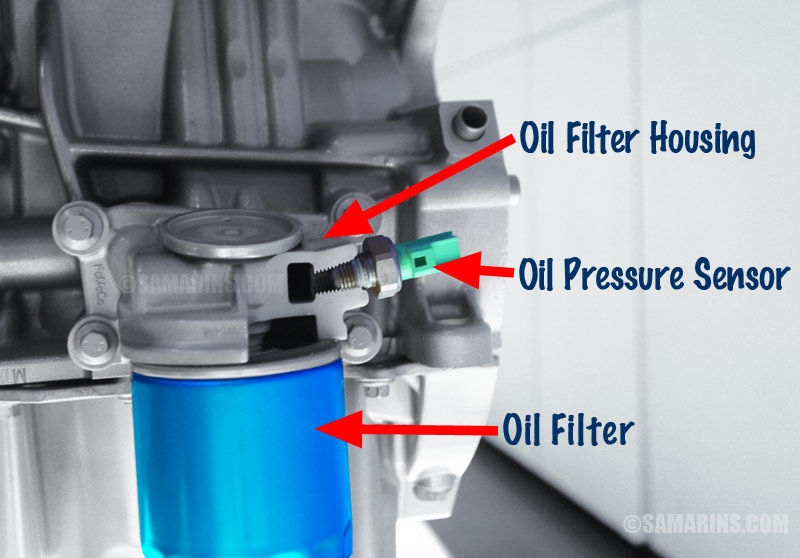
The oil pressure sensor is usually near the engine block. It often screws into the engine oil gallery. Look for a small, round sensor with an electrical connector on top. The exact location varies by car model. Use your car’s manual or search online for the sensor’s position in your vehicle.
Inspecting For Visible Damage
Check the sensor and surrounding area for oil leaks or cracks. Look closely at the sensor body and wiring connector. Oil stains or wet spots mean the sensor may be leaking. Also, check if the sensor is loose or has damaged threads. Any visible damage usually means the sensor needs replacing.
Testing Sensor Functionality
Testing the sensor requires a multimeter or an oil pressure gauge. First, disconnect the sensor’s electrical connector. Measure the sensor’s resistance with a multimeter. Compare your reading to the specifications in the manual. You can also use a mechanical oil pressure gauge to check the engine’s oil pressure directly. If the sensor reading is off, the sensor is likely bad and should be replaced.
Credit: www.autotechiq.com
Fixing Oil Leaks From The Sensor
Fixing oil leaks from the oil pressure sensor is important to keep your car running smoothly. A leak can cause oil loss and engine damage. The oil pressure sensor sits on the engine and monitors oil pressure. When oil drips from it, quick action is needed.
Several steps can stop the leak. These include tightening the sensor, replacing the sensor seal, installing a new sensor, and using thread sealant properly. Each step helps to stop oil from dripping under your car.
Tightening The Sensor
First, check if the sensor is loose. Use a wrench to tighten it carefully. Avoid overtightening, which can damage the sensor. Tightening often stops small leaks fast. Always turn the wrench gently and check the leak again.
Replacing The Sensor Seal
The sensor seal can wear out and cause leaks. Remove the sensor and take off the old seal. Clean the area before placing a new seal. The new seal fits tightly and stops oil from escaping. Use the correct seal size for a proper fit.
Installing A New Oil Pressure Sensor
If tightening and seal replacement do not stop the leak, replace the sensor. Remove the old sensor carefully. Install the new sensor by screwing it in place. Make sure it fits snugly and connects well. A new sensor can prevent future leaks.
Using Thread Sealant Properly
Thread sealant helps prevent leaks around sensor threads. Apply a small amount to the sensor threads only. Avoid using too much, which can clog oil passages. Use a sealant made for oil systems. This keeps the connection tight and leak-free.
Preventing Future Leaks
Preventing future leaks from the oil pressure sensor is important for your car’s health. Small leaks can turn into big problems. Fixing the issue early saves money and keeps your engine safe. Follow these simple steps to reduce the chances of leaks and keep your car running well.
Regular Maintenance Tips
Check your car’s oil level often. Low oil can cause pressure problems. Replace your oil and filter on time. Old oil wears down parts faster. Clean the engine area around the sensor. Dirt can cause the sensor to fail. Tighten bolts gently to avoid damage.
Choosing Quality Replacement Parts
Use parts made by trusted brands. Cheap sensors may leak or fail quickly. Look for parts with good reviews. Ask your mechanic for advice. Quality parts fit better and last longer. They help keep your engine safe and clean.
Monitoring Engine Oil Pressure
Watch your oil pressure gauge regularly. Sudden drops or spikes can warn of sensor issues. Use a diagnostic tool to check sensor function. Early detection helps prevent leaks. Keep an eye on your engine’s performance daily.
When To Seek Professional Help
Not all oil leaks under your car require immediate worry. Small drips from the oil pressure sensor can sometimes be fixed with basic care. Yet, some signs need quick action. Knowing when to see a mechanic helps protect your engine and wallet.
Signs Of Serious Engine Issues
Look for constant oil puddles under your car. Notice if the oil pressure warning light stays on. Engine overheating or strange noises can mean bigger problems. Smoke from the engine area signals severe damage. These signs mean do not wait. Visit a professional right away.
Benefits Of Expert Diagnosis
Mechanics find the exact cause fast. They prevent small leaks from turning into big repairs. Experts use tools to check oil pressure and sensor health. Proper diagnosis saves money over time. Professionals also ensure your car runs safely and smoothly.
Credit: www.samarins.com
Frequently Asked Questions
What Causes Oil To Drip From The Oil Pressure Sensor?
Oil drips from a faulty oil pressure sensor seal or damaged sensor. Loose fittings or worn-out gaskets can also cause leaks. Timely inspection helps prevent engine damage.
How To Identify An Oil Pressure Sensor Leak?
Look for oil puddles under the car near the sensor area. Check for a dropping oil pressure gauge or warning light on the dashboard.
Is It Safe To Drive With Oil Dripping From The Sensor?
Driving with an oil leak risks engine damage due to low oil levels. It’s best to fix the leak promptly to avoid costly repairs.
Can I Replace The Oil Pressure Sensor Myself?
Yes, if you have basic mechanical skills and tools. Ensure the engine is cool and follow safety precautions to avoid injury or damage.
Conclusion
A dripping oil pressure sensor can cause serious car problems. Ignoring the leak may lead to engine damage. Check the sensor and surrounding area often. Fix any leaks quickly to keep your car safe. Regular maintenance helps avoid costly repairs later.
Pay attention to unusual oil spots under your car. Staying alert protects your vehicle and your wallet. Don’t wait—take care of oil leaks as soon as you see them.
Disclosure: As an Amazon Associate, I may earn from qualifying purchases at no extra cost to you. Amazon and the Amazon logo are trademarks of Amazon.com, Inc, or its affiliates.
- Amazon, Amazon Prime, the Amazon logo and Amazon Prime logo are trademarks of Amazon. com, Inc. or its affiliates.

I am Sadman, the founder of CarSensorHub.com, where I share my passion for cars and technology. I specialize in writing detailed reviews and helpful guides on car gadgets, accessories, safety tools and many more. My mission is to help car owners discover the best products and tips to improve their driving experience and stay safe on the road.