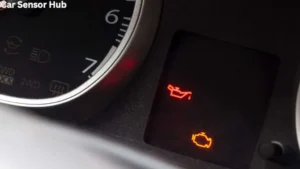
Have you ever wondered how your car knows when the oil pressure is too low? The oil pressure sensor plays a crucial role in keeping your engine safe and running smoothly.
Understanding how this small but important device works can help you take better care of your vehicle and avoid costly repairs. You’ll discover exactly how an oil pressure sensor functions, why it matters, and what signs to watch for if something goes wrong.
Keep reading to unlock the secrets behind this essential part of your car’s engine system.
Role Of Oil Pressure Sensor
The oil pressure sensor plays a critical role in your vehicle’s engine system. It monitors the oil pressure inside the engine. This helps keep the engine running smoothly and safely. Without this sensor, the engine could face serious damage.
Importance In Engine Health
The oil pressure sensor helps protect the engine from damage. It sends data about oil pressure to the vehicle’s computer. If the pressure drops too low, the sensor triggers a warning light. This alert helps prevent engine parts from wearing out or failing.
Oil lubricates engine parts to reduce friction. Low oil pressure means oil may not reach all parts. The sensor ensures the engine has enough oil pressure to work properly. It helps avoid costly repairs and extends engine life.
Impact On Vehicle Performance
Good oil pressure supports smooth engine performance. The sensor allows the engine to adjust fuel and timing settings. This keeps the engine efficient and responsive. If oil pressure is low, the engine may lose power or stall.
The sensor also helps maintain fuel efficiency. Proper oil pressure reduces engine stress and wear. It contributes to better mileage and fewer breakdowns. The oil pressure sensor plays a vital role in keeping your vehicle reliable.
Components Of Oil Pressure Sensor
The oil pressure sensor plays a crucial role in keeping your engine safe. It measures the oil pressure inside the engine and sends this information to the vehicle’s computer. This helps prevent engine damage caused by low oil pressure. The sensor has several important parts that work together to make this happen.
Sensor Body
The sensor body holds all the parts in place. It is usually made of metal or strong plastic. This part protects the inside components from dirt, heat, and vibrations. It also helps the sensor fit securely into the engine.
Electrical Connector
The electrical connector links the sensor to the vehicle’s wiring. It sends the oil pressure signal to the car’s computer. This connector must be tight and secure to avoid bad readings. It also keeps the sensor safe from moisture and dust.
Pressure-sensitive Element
This element detects the actual oil pressure. It changes its shape or resistance when the oil pressure changes. This change is turned into an electrical signal. The signal tells the computer how much pressure is in the engine oil.
Types Of Oil Pressure Sensors
Oil pressure sensors come in different types. Each type measures oil pressure in a unique way. Understanding these types helps you know how they work in your vehicle.
Mechanical Sensors
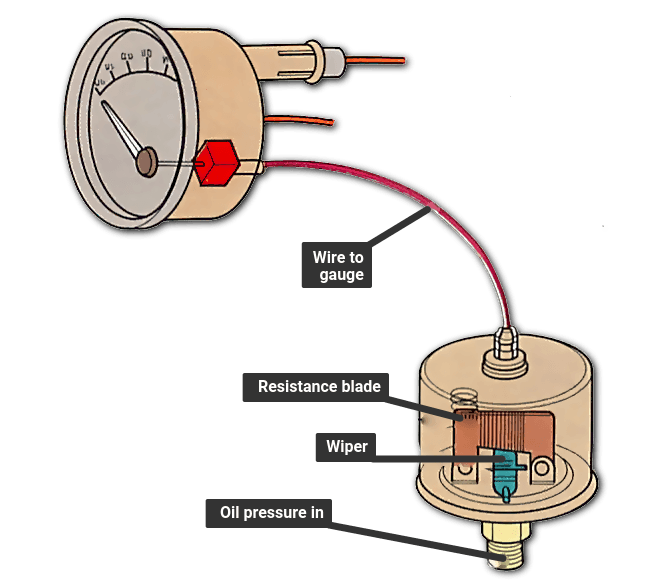
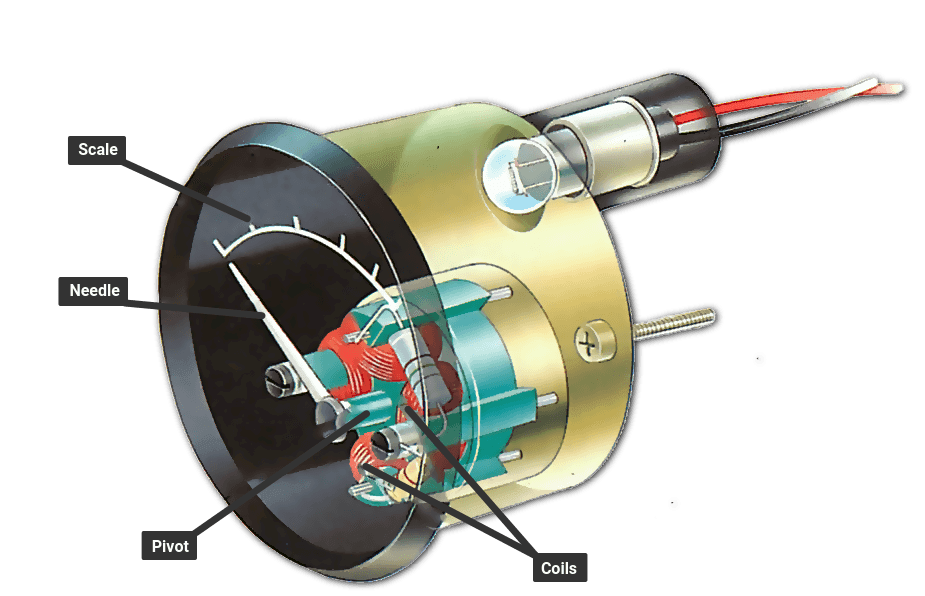
Mechanical sensors use a small spring or diaphragm. When oil pressure changes, it moves the spring. This movement changes the needle on the gauge. It gives a direct reading of oil pressure. These sensors are simple and do not need power. They are reliable but less common in modern cars.
Electronic Sensors
Electronic sensors use electrical signals to measure oil pressure. They have a pressure-sensitive element that changes resistance or voltage. The sensor sends this signal to the car’s computer. The computer then shows the oil pressure on the dashboard. These sensors are more accurate and faster than mechanical ones. They are widely used in newer vehicles.
How Oil Pressure Sensor Measures Pressure
The oil pressure sensor measures the pressure of oil inside the engine. This helps keep the engine safe and working well. The sensor detects changes in oil pressure and sends this information to the car’s computer. Understanding how it measures pressure shows why it is important for engine health.
Working Principle
The sensor has a small part called a diaphragm. This diaphragm moves when oil pressure changes. Higher pressure pushes the diaphragm more. The movement changes an electrical property inside the sensor. This change matches the oil pressure level. The sensor then converts this into an electrical signal.
Signal Transmission To Ecu
The sensor sends the electrical signal through wires to the ECU. The ECU is the engine control unit, the car’s brain. It reads the signal to know the oil pressure. If pressure is low or too high, the ECU alerts the driver. This helps avoid engine damage due to poor oil flow.
Common Symptoms Of Sensor Failure
The oil pressure sensor plays a vital role in your vehicle’s engine health. When this sensor fails, it can cause problems that affect performance and safety. Spotting these issues early helps avoid costly repairs and engine damage.
Here are common signs that your oil pressure sensor might be failing. These symptoms indicate the sensor is not working correctly and needs attention.
Erratic Oil Pressure Readings
One clear sign of sensor failure is erratic oil pressure readings. The gauge may jump up and down or show unusual numbers. This happens because the sensor sends wrong signals to the dashboard. Erratic readings can mislead you about your engine’s true condition. It may show low pressure when oil flow is normal or high pressure when it is low.
Oil Warning Light Activation
The oil warning light on your dashboard often comes on if the sensor fails. This light alerts you to check your oil pressure. Sometimes, it stays on even if the oil level is fine. A faulty sensor causes this false alarm. Ignoring this warning could put your engine at risk. Always check the sensor if the oil light behaves oddly.
Credit: www.howacarworks.com
Testing And Diagnosing Sensor Issues
Testing and diagnosing oil pressure sensor issues helps ensure your engine runs smoothly. A faulty sensor can give wrong readings, leading to engine damage. Detecting sensor problems early prevents costly repairs and breakdowns.
Two main steps help check sensor health. First, use a multimeter to measure electrical signals. Second, inspect the wiring and connections for damage or corrosion. Both steps help find the root cause of sensor problems.
Using A Multimeter
A multimeter measures voltage, resistance, and continuity in the sensor circuit. Start by turning off the engine and disconnecting the sensor. Set the multimeter to the ohm or voltage mode.
Check the sensor’s resistance by placing probes on sensor terminals. Compare the reading with the manufacturer’s specifications. A reading too high or low indicates a faulty sensor.
You can also test the sensor’s voltage output. Reconnect the sensor and turn on the ignition without starting the engine. Measure the voltage at the sensor connector. No voltage or unstable readings signal sensor failure.
Inspecting Wiring And Connections
Sensor issues can come from damaged wires or loose connections. Look for frayed, cracked, or burnt wires near the sensor. Check connectors for dirt, corrosion, or moisture.
Clean dirty connectors gently with electrical cleaner. Tighten any loose connections to restore proper contact. Damaged wires should be repaired or replaced promptly.
Ensure wiring is secure and not pinched by engine parts. Proper wiring and clean connections help maintain accurate sensor readings.
Replacing The Oil Pressure Sensor
Replacing the oil pressure sensor helps keep your engine safe. The sensor tells you if oil pressure is low. A faulty sensor can give wrong readings. This can cause engine damage. Changing the sensor is a simple fix. It saves you from costly repairs.
Tools Required
- Socket wrench set
- Oil pressure sensor socket
- New oil pressure sensor
- Clean rag or paper towels
- Thread sealant or Teflon tape
- Safety gloves
- Flashlight (optional)
Step-by-step Replacement Guide
- Turn off the engine and let it cool.
- Locate the oil pressure sensor on the engine block.
- Disconnect the electrical connector from the sensor.
- Use the oil pressure sensor socket to unscrew the old sensor.
- Clean the area around the sensor hole with a rag.
- Apply thread sealant or Teflon tape to the new sensor’s threads.
- Screw in the new sensor by hand, then tighten with the socket.
- Reconnect the electrical connector to the new sensor.
- Start the engine and check for leaks or warning lights.
- Dispose of the old sensor properly.
Credit: www.samarins.com
Maintenance Tips For Sensor Longevity
Keeping the oil pressure sensor working well helps your car run smoothly. The sensor measures oil pressure to protect the engine. Taking good care of this sensor can stop problems early. It also helps avoid costly repairs later. Simple habits can make the sensor last longer and work better.
Regular Oil Changes
Change the oil often to keep the sensor clean. Old oil can get thick and dirty. Dirty oil can block the sensor and cause wrong readings. Fresh oil flows well and helps the sensor check pressure correctly. Follow your car’s guide for the right oil change times.
Avoiding Contaminants
Keep dirt and dust away from the sensor area. Contaminants can build up and damage the sensor parts. Use clean tools and hands when checking or fixing the sensor. Make sure the engine is clean to stop dirt from reaching the sensor. This helps the sensor last longer and work well.
Credit: www.howacarworks.com
Frequently Asked Questions
What Is The Function Of An Oil Pressure Sensor?
An oil pressure sensor monitors engine oil pressure in real time. It ensures proper lubrication and alerts drivers to low oil pressure. This helps prevent engine damage and costly repairs by maintaining optimal engine performance.
How Does An Oil Pressure Sensor Detect Pressure?
The sensor uses a diaphragm that flexes under oil pressure changes. This movement varies an electrical signal sent to the engine control unit. The ECU interprets this data to monitor engine health and trigger warnings if pressure is abnormal.
Where Is The Oil Pressure Sensor Located?
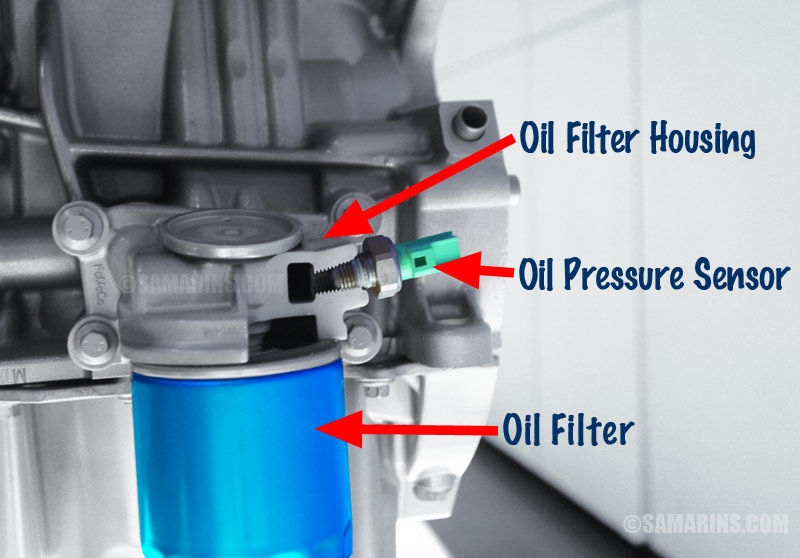
The oil pressure sensor is typically mounted near the engine block or oil filter housing. Its position allows accurate measurement of oil pressure within the engine’s lubrication system. This ensures reliable monitoring and timely alerts for drivers.
What Causes An Oil Pressure Sensor To Fail?
Common causes include oil contamination, sensor wear, and electrical issues. Faulty sensors can give false readings or no readings at all. Regular maintenance and checking oil quality help prevent sensor failure and maintain engine health.
Conclusion
The oil pressure sensor keeps your engine safe and running well. It measures oil pressure and sends signals to the dashboard. This helps you know if the oil pressure is too low or high. A working sensor stops engine damage early.
Regular checks and maintenance keep the sensor reliable. Understanding its function helps you care for your vehicle better. Simple but important.
Disclosure: As an Amazon Associate, I may earn from qualifying purchases at no extra cost to you. Amazon and the Amazon logo are trademarks of Amazon.com, Inc, or its affiliates.
- Amazon, Amazon Prime, the Amazon logo and Amazon Prime logo are trademarks of Amazon. com, Inc. or its affiliates.

I am Sadman, the founder of CarSensorHub.com, where I share my passion for cars and technology. I specialize in writing detailed reviews and helpful guides on car gadgets, accessories, safety tools and many more. My mission is to help car owners discover the best products and tips to improve their driving experience and stay safe on the road.