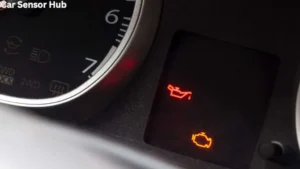
If your check engine light just came on and you suspect it’s linked to the oil pressure sensor, you’re not alone. This warning can feel confusing and even alarming, but understanding what it means is the first step to protecting your engine.
You’ll discover exactly why the oil pressure sensor triggers that code, what risks you face if you ignore it, and simple steps you can take to fix the problem before it turns into a costly repair. Don’t let this warning light catch you off guard—read on to take control of your car’s health and keep it running smoothly.
Credit: www.shopmonkey.io
What Triggers The Oil Pressure Sensor Code
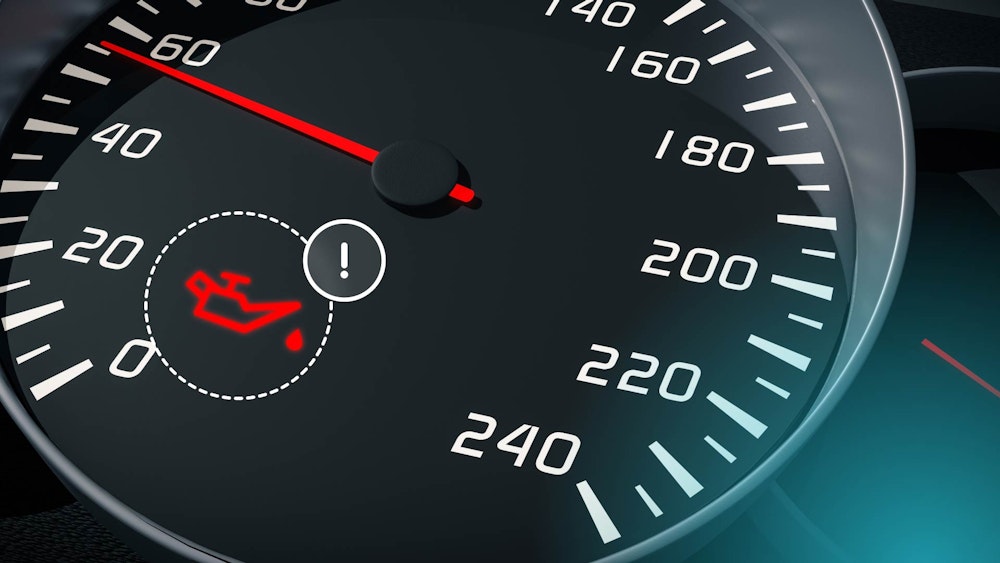
The oil pressure sensor code triggers when your car’s computer detects a problem with oil pressure. This code helps alert you to possible engine trouble early. Understanding what causes this sensor to trigger can save you from costly repairs. The sensor watches oil pressure to keep your engine safe. Any drop or irregular reading sets off a warning code.
Common Causes Of Sensor Alerts
Oil leaks can lower oil levels and trigger the sensor code. A clogged oil filter blocks oil flow, causing low pressure. Worn-out oil pumps fail to maintain proper oil pressure. Old or dirty oil loses its ability to lubricate well. Loose or damaged wiring around the sensor can cause false alerts. Sometimes, the sensor itself breaks or wears out.
How Low Oil Pressure Affects Your Engine
Low oil pressure means less oil reaches engine parts. Without enough oil, friction increases and parts wear faster. Overheating can happen due to poor lubrication. Engine damage can become severe, leading to costly repairs. The sensor code warns you before serious harm occurs. Acting quickly helps protect your engine’s health and lifespan.
Sensor Malfunctions Vs Actual Oil Issues
Not all sensor codes mean real oil problems. A bad sensor or wiring issue can send wrong signals. Testing oil pressure with a gauge confirms the real condition. Replacing the sensor fixes false alarms. Ignoring a real oil pressure problem risks engine damage. Always check both sensor and oil system for safety.
Diagnosing The Oil Pressure Sensor Code
Diagnosing the oil pressure sensor code is essential when the check engine light turns on. This code points to possible problems with your vehicle’s oil pressure system. Acting fast can prevent engine damage and costly repairs.
Start by identifying the exact cause of the sensor code. The process involves simple tools and basic checks anyone can perform. Understanding these steps can save time and money at the repair shop.
Using An Obd-ii Scanner
An OBD-II scanner reads the code from your car’s computer. Plug the scanner into the port under the dashboard. It will display the trouble code related to the oil pressure sensor.
This tool helps confirm the problem and shows if other issues exist. Many auto parts stores offer free code scanning. The scanner also clears the code after repair.
Visual Inspection Tips
Check the oil pressure sensor and wiring for visible damage. Look for loose, broken, or corroded connectors. Inspect the sensor for oil leaks or cracks.
Damaged wiring or connectors can cause false sensor readings. Clean any dirt or oil around the sensor. Sometimes, simple cleaning fixes the problem.
Checking Oil Levels And Quality
Low or dirty oil affects oil pressure and triggers the sensor code. Use the dipstick to check the oil level. Add oil if it is below the recommended mark.
Also, inspect the oil’s color and texture. Dark or gritty oil needs changing. Fresh, clean oil helps maintain proper pressure and sensor function.
Quick Fixes To Try At Home
The Check Engine Light related to the oil pressure sensor can cause worry. It signals a possible issue with your engine’s oil system. Some problems are simple and can be fixed at home. Trying quick fixes might save time and money before visiting a mechanic.
Resetting The Check Engine Light
Resetting the light can clear minor errors. Use an OBD-II scanner to read and erase codes. Disconnecting the car battery for a few minutes also works. This resets the car’s computer and might turn off the light. Be sure the problem is minor before resetting. Otherwise, the light will come back.
Replacing The Oil Pressure Sensor
The oil pressure sensor is usually easy to find and replace. It is located near the engine block. First, disconnect the car battery to avoid shocks. Unscrew the faulty sensor carefully with a wrench. Install the new sensor and reconnect the battery. This fix often stops the warning light and protects the engine.
Topping Off Or Changing Engine Oil
Low or dirty oil can trigger the sensor warning. Check the oil level with the dipstick. Add oil if the level is low, using the right type. Old oil loses its ability to lubricate the engine. Change the oil and filter if it looks dirty. Clean oil helps the sensor read the pressure correctly.

Credit: www.youtube.com
When To See A Professional Mechanic
The check engine light related to the oil pressure sensor should never be ignored. It signals a possible issue with your vehicle’s oil pressure system. Knowing when to visit a professional mechanic helps avoid costly damage and ensures your car runs smoothly.
Low oil pressure can harm your engine quickly. A mechanic can diagnose the problem accurately and fix it safely. Delaying repairs may lead to engine failure, which costs much more to repair.
Signs Of Serious Oil Pressure Problems
Watch for warning signs beyond the check engine light. The oil pressure gauge shows if pressure is too low or high. Strange engine noises like knocking or ticking may also appear. Engine overheating is another serious symptom. Any of these signs means immediate attention is needed.
Cost Estimates For Repairs
Repair costs vary depending on the issue. Replacing an oil pressure sensor usually costs between $100 and $200. Fixing a real oil pressure problem might cost $300 to $1,000 or more. Engine damage from low oil pressure can raise costs significantly. Early diagnosis saves money and stress.
Preventing Future Sensor Codes
Regular oil changes keep the oil pressure stable. Using the right oil type matters for your engine. Check oil levels often to avoid low pressure. Clean or replace sensors as needed. Routine vehicle inspections help catch problems early before they affect your engine.
Maintaining Oil Pressure For Engine Health
Maintaining proper oil pressure is crucial for keeping your engine healthy. Oil pressure helps lubricate engine parts and prevents damage. Low oil pressure can cause serious engine problems and expensive repairs. Regular care and monitoring can keep your engine running smoothly.
Regular Oil Changes Schedule
Changing your oil regularly keeps the engine parts well-lubricated. Old oil can become thick and dirty, reducing oil flow. Follow the manufacturer’s recommended oil change intervals. Sticking to the schedule protects your engine from wear and tear.
Choosing The Right Oil Type
Using the correct oil type matters for oil pressure and engine health. Check your vehicle’s manual to find the right oil grade. The right oil flows easily and keeps pressure stable. Using wrong oil can cause poor lubrication and damage.
Monitoring Oil Pressure Over Time
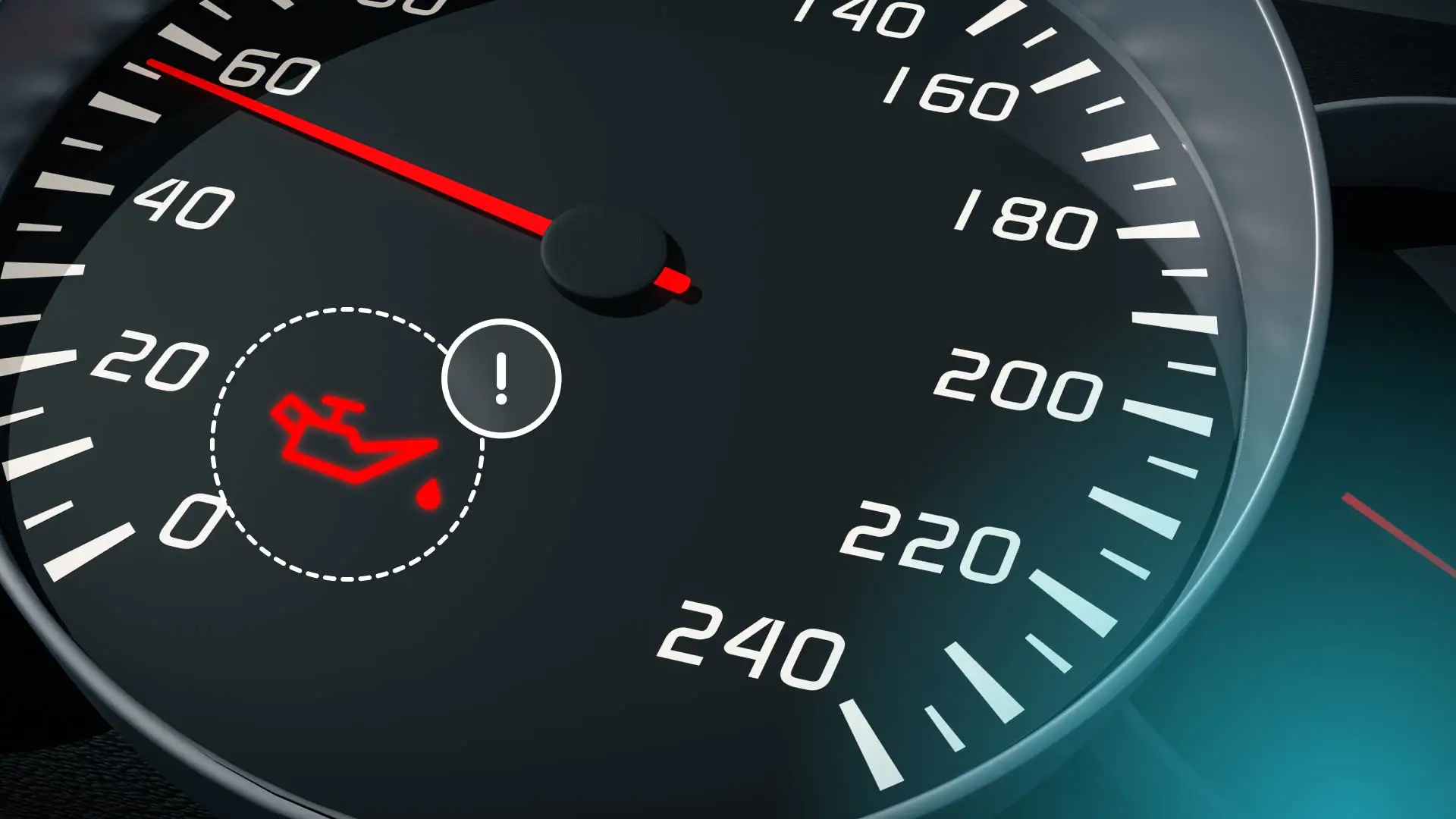
Keep an eye on your oil pressure gauge or warning lights. Sudden drops in oil pressure need immediate attention. Regular checks help spot problems early before damage occurs. Monitoring helps ensure your engine stays in good shape.
Credit: www.shopmonkey.io
Frequently Asked Questions
What Does The Oil Pressure Sensor Code Mean?
The oil pressure sensor code indicates a problem with your engine’s oil pressure. It may signal low oil pressure or a faulty sensor. This code helps diagnose issues early to prevent engine damage.
Can A Faulty Oil Pressure Sensor Trigger The Check Engine Light?
Yes, a faulty oil pressure sensor can activate the check engine light. The sensor sends incorrect readings to the engine control unit, causing the warning light to turn on.
How Do I Fix The Oil Pressure Sensor Code?
Fixing the code usually involves replacing the faulty oil pressure sensor. Ensure your engine oil level is correct before replacing the sensor. If the problem persists, check for oil leaks or mechanical issues.
Is It Safe To Drive With The Oil Pressure Sensor Code?
It is risky to drive with this code active. Low oil pressure can damage your engine. Check your oil level immediately and seek professional help if needed.
Conclusion
A check engine light for the oil pressure sensor should not be ignored. It signals a possible issue with your engine’s oil flow. Ignoring it can lead to serious engine damage. Always get your vehicle checked promptly by a mechanic.
Regular maintenance helps keep your car running smoothly. Understanding this code helps you act fast and avoid costly repairs. Stay alert to your car’s warnings for safer driving. Taking care of small problems early saves big headaches later.
Disclosure: As an Amazon Associate, I may earn from qualifying purchases at no extra cost to you. Amazon and the Amazon logo are trademarks of Amazon.com, Inc, or its affiliates.
- Amazon, Amazon Prime, the Amazon logo and Amazon Prime logo are trademarks of Amazon. com, Inc. or its affiliates.

I am Sadman, the founder of CarSensorHub.com, where I share my passion for cars and technology. I specialize in writing detailed reviews and helpful guides on car gadgets, accessories, safety tools and many more. My mission is to help car owners discover the best products and tips to improve their driving experience and stay safe on the road.