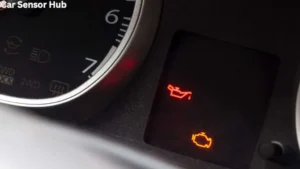
If you drive a Chevy Silverado, you probably value reliability and performance. But even the toughest trucks can face problems, and one common issue is the oil pressure sensor. Many Silverado owners find themselves puzzled by sudden dashboard warnings, low oil pressure readings, or even engine trouble connected to this small but critical part. Ignoring these signs can lead to expensive repairs or, in the worst case, serious engine damage. Understanding oil pressure sensor problems, their causes, symptoms, and solutions can help you keep your Silverado running smoothly and avoid headaches down the road.
What Is The Oil Pressure Sensor And Why Is It Important?
The oil pressure sensor—sometimes called an oil pressure switch or sending unit—monitors the oil pressure inside your Silverado’s engine. Oil pressure is vital because it ensures that all moving parts are lubricated properly. If pressure drops too low, it can mean your engine isn’t getting enough lubrication, which can cause friction, overheating, or even a seized engine.
The sensor sends real-time data to your truck’s computer and dashboard gauge. When it detects a problem, it can trigger a warning light or message. This small sensor acts as an early warning system, helping you catch problems before they become disasters.
Common Symptoms Of Oil Pressure Sensor Problems
A failing oil pressure sensor can cause different symptoms, some obvious and others subtle. Here are the signs you should never ignore:
1. Oil Pressure Warning Light
The most frequent sign is the oil pressure warning light flashing or staying on. It may happen briefly or remain illuminated, even if your oil level is fine.
2. Inaccurate Gauge Readings
Your dashboard may show unusually high or low oil pressure, or the needle might jump around. These erratic readings can indicate a sensor issue rather than a real pressure problem.
3. Check Engine Light
Sometimes, a faulty sensor will trigger the check engine light. This happens when the truck’s computer detects inconsistent or implausible data from the sensor.
4. Engine Ticking Or Knocking
In rare cases, if the sensor fails to warn you of low pressure, you may hear ticking or knocking noises from the engine. This is a serious sign and means you should stop the engine immediately.
5. Oil Leaks
An oil pressure sensor that is physically damaged or loose can leak oil, creating a mess around the sensor area.
6. Engine Performance Problems
Your Silverado might go into limp mode or reduce power to protect the engine if the computer believes oil pressure is unsafe.
It’s easy to think these issues are just sensor problems, but they can also signal real engine trouble. Always check your oil level and condition first.
Why Do Oil Pressure Sensors Fail In Chevy Silverados?
Understanding why oil pressure sensors fail can help you prevent trouble. Several reasons explain why this part is especially problematic in Silverados:
1. Age And Wear
Like any electronic part, sensors wear out over time. Heat cycles, vibration, and exposure to oil can shorten their life.
2. Oil Contamination
Dirty or sludgy oil can clog the sensor or cause inaccurate readings. Skipping oil changes increases the risk.
3. Faulty Wiring Or Connectors
Corroded or loose wires can interrupt the sensor’s signal. Road salt, moisture, and engine heat can all damage wiring over time.
4. Physical Damage
The sensor can crack or break due to impacts during repairs or if it’s overtightened.
5. Design Flaws
Some Silverado models, especially around 2007–2013, are known for higher rates of sensor failure due to design weaknesses.
6. Engine Problems
If your engine has real oil pressure problems (such as a failing oil pump or clogged filter), the sensor might not be the real issue but just the messenger.
Which Silverado Models Are Most Affected?
Not every Chevy Silverado faces oil pressure sensor issues at the same rate. Problems are most commonly reported in:
- 2007–2013 Silverado 1500 (especially with the 5.3L V8 engine)
- 2014–2018 Silverado 1500
- Some Silverado 2500/3500 HD models (mainly with V8 engines)
Older trucks tend to have more issues simply due to age, but even newer models can experience sensor failures. It’s important to note that similar symptoms can appear in other GM trucks and SUVs.
Model Comparison: Reported Oil Pressure Sensor Problems
Below is a comparison of Chevy Silverado models and the frequency of sensor problems based on owner reports and recalls.
| Model Year | Engine Type | Frequency of Sensor Issues |
|---|---|---|
| 2007–2013 | 5.3L V8 | High |
| 2014–2018 | 5.3L, 6.2L V8 | Moderate |
| 2019–2023 | All Engines | Low |
Diagnosing Oil Pressure Sensor Problems
It’s easy to mistake sensor problems for real engine trouble, or vice versa. Here’s how you (or your mechanic) can diagnose the issue:
Step 1: Check Oil Level And Quality
Always start by checking your engine oil. Low, dirty, or sludgy oil can cause real low pressure. Top up or change the oil if needed, then see if the warning returns.
Step 2: Inspect For Leaks
Look around the sensor area (usually near the oil filter) for oil leaks, which can indicate a damaged sensor.
Step 3: Scan For Trouble Codes
Use an OBD-II scanner to read any error codes. Common codes for oil pressure sensor issues include P0521 (range/performance problem) and P0523 (high input).
Step 4: Manual Oil Pressure Test
For a definitive answer, a mechanic can install a mechanical gauge in place of the sensor. This checks actual oil pressure, confirming if the sensor is lying or there’s a real problem.
Step 5: Inspect Wiring And Connectors
Corroded or damaged wiring can mimic sensor failure. Check for broken wires, loose plugs, or green corrosion.
Step 6: Replace The Sensor If Needed
If the oil pressure is normal but warnings remain, replacing the sensor is usually the next step.
Diagnostic Steps And Difficulty
Here’s a summary of the main diagnostic steps and how difficult they are for DIYers.
| Step | DIY Difficulty | Tools Needed |
|---|---|---|
| Check Oil Level | Very Easy | Rag, Oil |
| Inspect Leaks | Easy | Flashlight |
| Scan for Codes | Moderate | OBD-II Scanner |
| Manual Pressure Test | Advanced | Pressure Gauge |
| Check Wiring | Moderate | Multimeter |
How To Replace A Chevy Silverado Oil Pressure Sensor
If you’ve confirmed the sensor is bad, replacing it can solve the problem. Many owners choose to do this job themselves, but it’s not always simple—access can be tricky, and the sensor is often buried behind the engine.
Tools And Parts Needed
- New oil pressure sensor (make sure it matches your engine)
- Deep socket set (usually 1 1/16″ sensor socket)
- Ratchet and extensions
- Torque wrench (optional but helpful)
- Thread sealant (if required)
- Shop rag
- Flashlight
Step-by-step Replacement Guide
1. Disconnect The Battery
Safety first—disconnect the negative battery cable to avoid electrical shorts.
2. Locate The Sensor
In most Silverados, the sensor is behind the intake manifold, near the firewall. Use a flashlight and mirror if needed.
3. Remove Engine Cover And Obstructions
Take off any covers, air intake parts, or hoses blocking access.
4. Unplug The Sensor Connector
Squeeze the release tab and gently pull the connector free.
5. Remove The Old Sensor
Use the deep socket to carefully unscrew the sensor. Some oil may drip out—have a rag ready.
6. Install The New Sensor
Apply thread sealant if needed. Thread the new sensor in by hand, then tighten with the socket (do not overtighten).
7. Reconnect The Connector
Plug the wiring back in until it clicks.
8. Reinstall Covers And Parts
Replace any parts you removed for access.
9. Reconnect The Battery
Reconnect the negative cable.
10. Start The Truck And Check For Leaks
Start your Silverado, check for leaks, and verify that warning lights are off.
Practical Tips For Diy Replacement
- If access is tight, consider removing the intake manifold—this adds labor but makes the job much easier and reduces the risk of damaging the sensor.
- Use the exact sensor for your engine; some aftermarket parts can cause new problems.
- Always clear error codes with a scanner after repair.

Credit: www.reddit.com
How Much Does It Cost To Fix Oil Pressure Sensor Problems?
Costs can vary depending on whether you do the work yourself or visit a shop. Here’s what you can expect:
Diy Replacement
- Sensor Part Cost: $20–$60 (OEM sensors cost more)
- Tools: Most home mechanics already have the needed tools; a sensor socket is about $10–$15.
Professional Repair
- Labor Cost: $80–$200 (more if intake manifold removal is required)
- Total Cost: $120–$300 (parts and labor)
Additional Costs
If the oil pressure sensor is leaking, you may need to clean the area or replace a filter screen. If the problem is actually with the oil pump or engine internals, repairs can run into the thousands.
Cost Comparison Chart
Here’s a quick look at the cost difference:
| Repair Type | DIY Cost | Shop Cost |
|---|---|---|
| Sensor Only | $30–$75 | $120–$300 |
| Sensor + Intake Manifold Removal | $60–$150 | $250–$600 |
| Sensor + Oil Pump/Engine Repair | $500+ | $1,000–$3,000 |
How To Prevent Oil Pressure Sensor Problems
While you can’t always avoid sensor failure, you can reduce the risk with smart maintenance:
1. Regular Oil Changes
Use the correct oil type and change it on schedule. Dirty oil can damage sensors and the engine.
2. Use Quality Parts
Choose OEM or high-quality sensors. Cheap aftermarket parts often fail early.
3. Inspect Wiring During Oil Changes
Look for corrosion or damage around the sensor and wiring.
4. Don’t Ignore Warning Lights
Investigate any oil pressure warnings right away to prevent bigger problems.
5. Keep Engine Clean
Clean engine bays make it easier to spot leaks and problems early.
6. Fix Leaks Quickly
Oil leaks can reach sensor connectors and cause failure.

Credit: www.ebay.com
Common Mistakes To Avoid
Many Silverado owners (and some mechanics) make costly mistakes when dealing with oil pressure sensor problems. Here’s what to watch out for:
1. Assuming It’s “just The Sensor”
Sometimes the problem is real low oil pressure, not a bad sensor. Always test actual oil pressure before replacing parts.
2. Overtightening The Sensor
Tightening the sensor too much can crack it or damage the threads, leading to leaks.
3. Using The Wrong Sensor
Not all sensors are the same. Check your engine code and buy the correct part.
4. Ignoring Wiring Issues
Replacing the sensor won’t fix the problem if the wiring or connector is bad.
5. Skipping Error Code Clearing
After repairs, clear trouble codes so the computer can reset and monitor correctly.
6. Delaying Repairs
Waiting too long can turn a simple sensor swap into an engine rebuild if real low oil pressure is ignored.
The Hidden Risk: Oil Filter Screen Clogging
A non-obvious but important detail for Silverado owners: many models have a small filter screen under the oil pressure sensor. This screen can clog with sludge or debris, causing false low pressure readings even if the sensor is fine. If you’re replacing the sensor, always check and clean or replace this screen. Many owners miss this, leading to repeated problems and frustration.
When To Seek Professional Help
Not everyone is comfortable working under the hood, and that’s okay. Here’s when you should let a professional handle it:
- If oil pressure is truly low (as shown by a manual gauge)
- If you hear engine knocking or tapping noises
- If there’s oil leaking but you can’t see the source
- If you don’t have the tools or access for a DIY job
- If warning lights return after sensor replacement
A mechanic can quickly identify if the issue is just the sensor or something more serious.
Real-world Example: 2012 Silverado 1500
Consider a 2012 Silverado owner who notices the oil pressure gauge dropping to zero, but the engine runs smoothly and the oil level is full. They change the sensor, and the problem goes away—but two months later, the warning returns.
This time, they find the filter screen under the sensor is clogged. After cleaning the screen, the gauge works perfectly. This highlights why it’s important to check all related parts, not just the sensor itself.
Are There Recalls Or Tsbs For Oil Pressure Sensors?
While there have been no major recalls specifically for oil pressure sensors in Silverados, there are several Technical Service Bulletins (TSBs). These are advisories sent to dealers about known issues and repair procedures. For example, TSBs have addressed false warnings, sensor location changes, and filter screen cleaning. Ask your dealer or check online databases for TSBs related to your truck’s year and engine.
Advanced Troubleshooting: What If The Problem Returns?
Sometimes, oil pressure sensor problems seem to “come back” after repair. Here’s what to check:
- Make sure the replacement sensor is genuine OEM or a trusted brand.
- Clean or replace the filter screen under the sensor.
- Inspect wiring harnesses for hidden breaks or corrosion.
- Confirm the engine’s actual oil pressure with a mechanical gauge.
- Check for TSBs that may apply.
Persistent warnings can also be caused by oil pump issues, worn bearings, or internal engine wear—especially on high-mileage trucks.

Credit: www.youtube.com
Is It Safe To Drive With Oil Pressure Sensor Problems?
This is a risky question. If you’re certain it’s just a sensor glitch (and actual oil pressure is normal), you can drive short distances to get repairs. But if you’re not 100% sure, driving with low or fluctuating oil pressure can ruin your engine in minutes.
When in doubt, play it safe—get a tow or have the truck checked immediately.
The Difference Between Oil Pressure Sensor And Oil Pressure Switch
Some confusion exists between these terms. In Silverados, the oil pressure sensor is usually a variable resistor that sends data to the computer and gauge. Older trucks may use a simple switch that only turns a light on or off if pressure drops. Modern sensors are more precise and can fail in different ways than simple switches.
Can You Use Aftermarket Sensors?
While aftermarket sensors are widely available and cheaper, they can sometimes cause problems like false readings or early failure. Many experts recommend using OEM sensors for best reliability. If you do use aftermarket, choose a reputable brand and check reviews from Silverado owners.
How Oil Pressure Sensor Problems Affect Other Systems
A failing sensor can do more than just annoy you. Some Silverados use oil pressure data for variable valve timing or cylinder deactivation (Active Fuel Management). If the computer thinks oil pressure is too low, it may disable these features, reduce power, or even trigger limp mode. This can affect fuel economy and performance.
Pro Tips For Long-term Reliability
1. Check The Sensor At Every Major Service
Ask your mechanic to inspect the sensor and wiring during major services like timing chain or intake manifold work.
2. Use High-quality Engine Oil
Cheap or wrong oil can create sludge, damaging sensors and the engine.
3. Keep Records
Write down when you last replaced the sensor and cleaned the screen. This helps spot patterns if problems repeat.
4. Learn To Read Oil Pressure
Get familiar with your Silverado’s normal oil pressure readings. That way, you’ll notice problems early.
5. Stay Informed
Visit forums and trusted sites for updates on common Silverado issues. For example, the National Highway Traffic Safety Administration is a good source for recalls and bulletins.
Frequently Asked Questions
What Does The Oil Pressure Sensor Do In A Chevy Silverado?
The oil pressure sensor measures the pressure of oil inside the engine. It sends this information to your dashboard gauge and the engine computer. If the oil pressure drops too low or is abnormally high, it can trigger a warning light or message to alert you to possible engine problems.
Can I Drive My Silverado With A Bad Oil Pressure Sensor?
It is risky to drive with a suspected bad sensor. If you are sure that oil pressure is normal and only the sensor is faulty, short drives are possible. However, if you are unsure, driving could cause engine damage if there’s a real oil pressure issue.
It’s best to repair the problem as soon as possible.
How Do I Know If My Oil Pressure Sensor Is Bad Or If My Engine Has Real Oil Pressure Problems?
The best way is to do a manual oil pressure test with a mechanical gauge. If the gauge shows normal pressure but the warning light is on, the sensor is likely bad. If both the gauge and warning light show low pressure, there may be a real engine problem.
How Often Should I Replace The Oil Pressure Sensor In My Silverado?
There is no set schedule for replacement. Many sensors last 100,000 miles or more, but some fail earlier. Replace the sensor if you see warning lights, erratic gauge readings, or after other repairs if it is accessible.
Are There Any Recalls For Chevy Silverado Oil Pressure Sensors?
No major recalls exist for oil pressure sensors specifically, but there are several Technical Service Bulletins (TSBs) that cover sensor and wiring issues. Check with your dealer or the National Highway Traffic Safety Administration for information on your model year.
A well-maintained oil pressure sensor is a small investment that protects your engine from big problems. By staying alert to symptoms, diagnosing issues carefully, and using quality parts, you can keep your Chevy Silverado running strong for many miles to come.
Disclosure: As an Amazon Associate, I may earn from qualifying purchases at no extra cost to you. Amazon and the Amazon logo are trademarks of Amazon.com, Inc, or its affiliates.
- Amazon, Amazon Prime, the Amazon logo and Amazon Prime logo are trademarks of Amazon. com, Inc. or its affiliates.

I am Sadman, the founder of CarSensorHub.com, where I share my passion for cars and technology. I specialize in writing detailed reviews and helpful guides on car gadgets, accessories, safety tools and many more. My mission is to help car owners discover the best products and tips to improve their driving experience and stay safe on the road.