Absolutely, here is an in-depth, publication-ready article covering every important detail about the P0523 Code Oil Pressure Sensor High Voltage, structured for clarity, depth, and practical value.
P0523 Code Oil Pressure Sensor High Voltage
When your car’s check engine light turns on and you find the P0523 code, it can be worrying. This code means your car’s computer has detected a high voltage reading from the oil pressure sensor. If you’re not a car expert, this might sound confusing.
But understanding what this code means, why it happens, and how to fix it can help you take the right steps and avoid bigger problems.
What Is The P0523 Code?
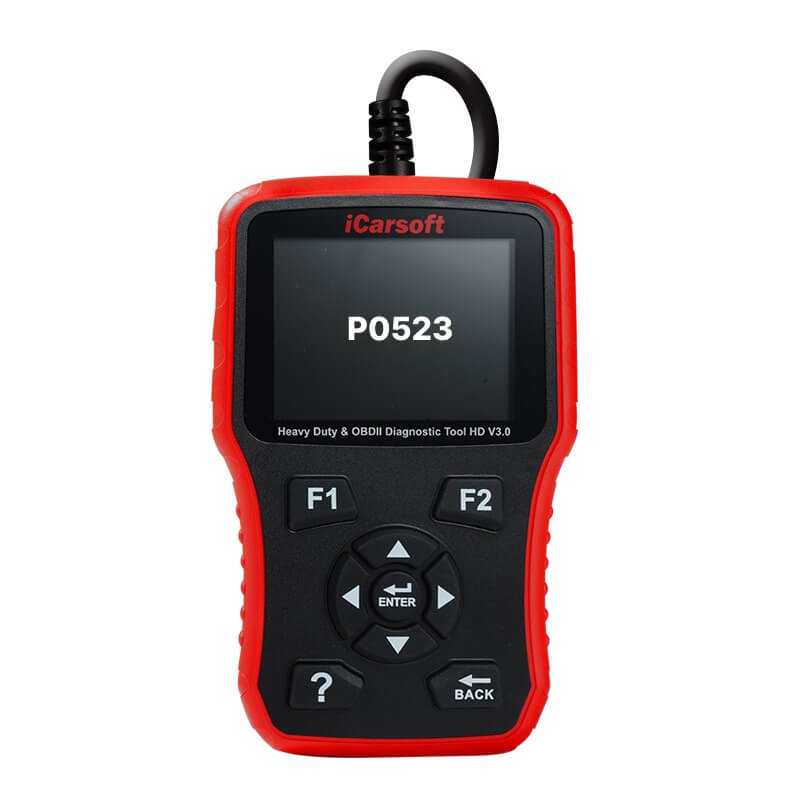
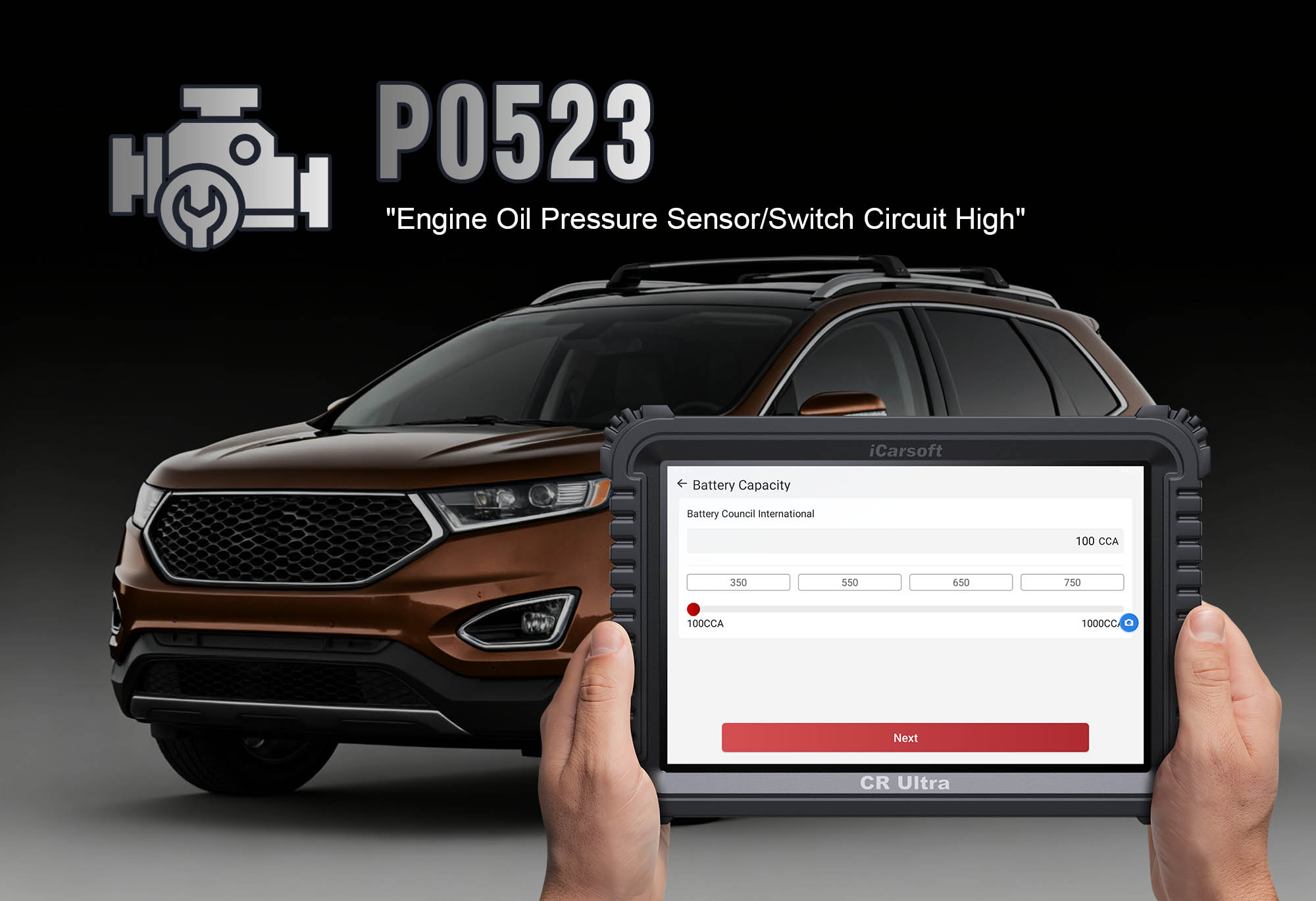
The P0523 code is a diagnostic trouble code (DTC) that stands for “Engine Oil Pressure Sensor/Switch Circuit High Voltage. ” When this code appears, it means the engine control module (ECM) or powertrain control module (PCM) received a voltage signal from the oil pressure sensor that is higher than the expected range.
The oil pressure sensor, sometimes called the oil pressure switch or sending unit, checks the pressure of oil inside your engine. It sends an electrical signal to the car’s computer so it knows if the engine is getting enough oil pressure.
Oil pressure is important because it keeps engine parts lubricated and prevents damage.
If the sensor sends a voltage that is too high, the computer thinks something is wrong. It triggers the P0523 code to warn you that oil pressure readings are not normal. This does not always mean your engine has high oil pressure; sometimes, it can be an electrical problem.
Why Does The Oil Pressure Sensor Matter?
Oil is the lifeblood of your engine. It keeps metal parts moving smoothly, reduces heat, and cleans away dirt. If oil pressure is too low, your engine can quickly overheat and get damaged. If it’s too high, it could also damage seals and gaskets.
The sensor helps the computer keep track and warn you if there’s a problem.
Common Causes Of P0523
Many things can make the oil pressure sensor send a high voltage signal. Here are some of the most common causes:
1. Faulty Oil Pressure Sensor
The sensor itself can fail. If the internal parts break down or wear out, it may send incorrect signals to the computer.
2. Wiring Problems
Damaged, shorted, or corroded wires and connectors between the sensor and the computer are a frequent cause. If the wire insulation breaks, a short to power can make the voltage too high.
3. Engine Oil Issues
Using oil that is too thick or too thin for your engine can affect pressure. Dirty oil or low oil levels sometimes play a role, though usually they cause low rather than high voltage codes.
4. Bad Engine Control Module (ecm/pcm)
Rarely, the car’s computer itself may malfunction, sending or receiving the wrong signals.
5. Aftermarket Oil Filters
Some oil filters can cause pressure spikes, especially if they do not match your engine’s specifications.
6. Sensor Circuit Short To Power
If the sensor’s signal wire touches a power source, the voltage will be higher than normal.
Non-obvious Causes
Many beginners miss these points:
- Recent Engine Work or Oil Change
Sometimes, oil pressure sensors or wires are accidentally damaged during other repairs or oil changes.
- Excessive Engine Sludge
If the engine is very dirty inside, sludge can block oil passages and affect pressure readings, sometimes tricking the sensor.
Credit: www.ziptuning.com
Symptoms Of P0523
If your car’s computer detects the P0523 code, you might notice one or more of these symptoms:
- Check Engine Light On
This is often the first and only sign, especially if the sensor is just sending a false signal.
- Oil Pressure Warning Light
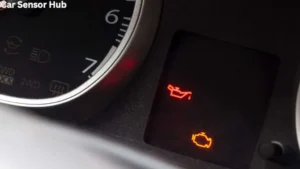
Some cars have a separate oil pressure light that may come on.
- Engine Noise
If oil pressure is actually too high or low, you might hear ticking, knocking, or other unusual engine sounds.
- Erratic Oil Pressure Gauge
If your car has an oil pressure gauge, it might show very high readings or jump around.
- Reduced Engine Performance
In rare cases, the computer may limit engine power to protect the engine.
- Oil Leaks
If real oil pressure is high, you may see oil leaking around the oil filter, sensor, or gaskets.
Subtle Warning Signs
Sometimes, the only sign is the check engine light. But it’s wise to pay attention to small changes, like engine noise or leaks, even if the car still runs smoothly.
How Mechanics Diagnose P0523
Diagnosing the P0523 code is not just about swapping the sensor. Good mechanics follow a careful process to find the real cause. Here’s what usually happens:
1. Scan For Codes
Mechanics use a diagnostic scanner to confirm the P0523 code and check for other related codes.
2. Check Oil Level And Condition
They inspect the oil. Old, dirty, or incorrect oil can affect pressure readings. Sometimes, simply changing the oil solves the problem.
3. Visual Inspection
Wires and connectors around the sensor are checked for damage, corrosion, or loose connections.
4. Test The Sensor
Using a multimeter, the sensor’s voltage output is measured. If it’s too high even with the engine off or at idle, the sensor may be bad.
5. Check For Short Circuits
Wiring is tested for shorts to power or ground. This is important, as a wire touching a power source can cause high voltage.
6. Oil Pressure Test
A manual oil pressure gauge may be installed to check the true oil pressure. This helps tell if the problem is with the sensor or the engine itself.
7. Check For Technical Service Bulletins (tsbs)
Sometimes, car makers release bulletins if a certain model has a common problem related to this code.
Example Scenario
Imagine you bring your car to a mechanic. The check engine light is on, and the code reader shows P0523. The oil level is fine, but the sensor’s signal wire has a small cut, exposing the metal. It’s touching another wire, sending extra voltage.
Fixing the wire solves the problem.

Credit: www.youtube.com
How To Fix P0523
Fixing the P0523 code depends on what’s causing it. These are the most common repair steps:
1. Replace The Oil Pressure Sensor
If the sensor is faulty, replacing it is usually straightforward. The sensor is often near the oil filter or on the engine block. Always use the correct part for your car.
2. Repair Or Replace Damaged Wiring
Broken or corroded wires should be fixed or replaced. This may require soldering or using special connectors.
3. Change Engine Oil And Filter
If oil quality or type is the problem, replace it with the manufacturer’s recommended oil and filter.
4. Fix Short Circuits
If a wire is shorting to power, it must be repaired and routed away from other wires.
5. Replace The Ecm/pcm (rare)
If all else fails, and the computer is at fault, it may need to be replaced or reprogrammed. This is uncommon and expensive.
6. Clean Engine Sludge
If there is sludge, an engine flush and several oil changes may be necessary.
Tips For Successful Repair
- Always disconnect the battery before working on sensors or wiring.
- Use only high-quality replacement parts. Cheap sensors can fail quickly or give wrong readings.
- Reset the check engine light with a scanner after repairs. If the code returns, further diagnosis is needed.
- Double-check for oil leaks after replacing the sensor.
Real-world Examples
Case 1: Faulty Oil Pressure Sensor on a Chevy Silverado
A 2011 Silverado had a check engine light and the P0523 code. The oil level was normal, and the engine ran fine. A scan tool showed the oil pressure reading at maximum, even with the engine off. Replacing the oil pressure sensor fixed the issue instantly.
Case 2: Damaged Wiring on a Toyota Camry
A 2007 Camry’s owner noticed the check engine light and a high oil pressure reading. The mechanic found the sensor wire pinched during a recent oil filter change. Replacing the wire and securing it away from moving parts solved the code.
Case 3: Wrong Oil Filter on a Dodge Charger
A 2015 Charger’s oil pressure gauge spiked after a quick oil change at a local shop. The wrong oil filter had been installed, causing pressure problems. The correct filter and a new sensor fixed the issue.
Preventing P0523 And Oil Pressure Issues
You can avoid many oil pressure sensor problems with a few simple habits:
- Change Oil Regularly
Follow your car’s recommended oil change schedule. Use the correct oil type and filter.
- Inspect Wiring During Oil Changes
Quickly check the area around the sensor for damaged wires or connectors.
- Use Quality Parts
Cheap sensors, filters, or oil can cause more problems than they solve.
- Watch for Leaks
Fix any oil leaks quickly. Leaks can affect sensor readings and oil pressure.
- Don’t Ignore Warning Lights
Even if your car runs well, check engine or oil pressure lights should never be ignored.
FAQs Of P0523 Code Oil Pressure Sensor High Voltage
Can I Drive With The P0523 Code?
It depends. If the code is from a faulty sensor or wiring, the car may run fine. But if there is a real oil pressure problem, driving can damage your engine. Always check the oil level and listen for unusual engine noises.
If in doubt, have the car checked by a mechanic before driving far.
Will A Simple Oil Change Clear The Code?
Sometimes, if old or wrong oil is the cause. But often, the sensor or wiring needs repair. After any repair, the code must be cleared with a scanner.
How Much Does It Cost To Fix P0523?
Costs vary:
- Replacing an oil pressure sensor: $50–$200 (parts and labor).
- Wiring repairs: $50–$150.
- Oil and filter change: $40–$100.
- ECM replacement: $500–$1,500 (rare).
How Can I Test The Oil Pressure Sensor At Home?
If you have a multimeter, you can check sensor voltage. With the key on (engine off), most sensors should read less than 5 volts. If the reading is much higher, the sensor may be bad. For a full test, a mechanic can use a manual oil pressure gauge.
Is P0523 The Same As Low Oil Pressure?
No. P0523 means high voltage (often meaning high pressure or a sensor problem). Low oil pressure usually triggers a different code, like P0522.
What Cars Are Most Affected By P0523?
This code can appear on any car with an oil pressure sensor, but some GM, Dodge, and Toyota models report it more often. Always check for technical service bulletins for your vehicle.
Where Can I Learn More About Oil Pressure Sensors?
The [Society of Automotive Engineers (SAE)](https://www.sae.org/) offers many resources for understanding automotive sensors and diagnostics.
Credit: www.icarsoft.com
Data: Common Oil Pressure Sensor Voltages
Understanding what voltage is normal can help you diagnose problems.
| Engine State | Normal Sensor Voltage | Possible Cause if Higher |
|---|---|---|
| Key On, Engine Off | 0.2–1.0 V | Short to power, bad sensor |
| Engine Idle | 0.5–1.5 V | Sensor/wiring issue |
| Engine Running | 1.0–4.5 V (varies) | Unusual if above 5 V |
High readings (above 4. 5–5 V) usually mean a sensor or wiring problem, not real oil pressure.
What Beginners Often Miss
- The Code Doesn’t Always Mean Real High Oil Pressure
Many people worry their oil pressure is dangerously high. In most cases, the problem is electrical, not mechanical. Double-check with a manual gauge before making big repairs.
- Sensor Location Matters
Some engines have more than one oil pressure sensor. Make sure you’re checking or replacing the correct one.
- Resetting the Code Isn’t a Fix
Clearing the code without finding the cause will make the light go off, but the problem usually returns.
- Aftermarket Sensors Can Cause Problems
Cheap or wrong sensors may not work well with your car’s computer.
- Oil Additives Can Affect Readings
Adding thick oil or additives can change oil pressure and sensor readings.
Final Thoughts
The P0523 code can be scary, but it often signals a simple problem. Start by checking the oil and looking for obvious wiring issues. If the sensor needs to be replaced, use a quality part and double-check the fix. If you’re unsure, a mechanic can diagnose the problem quickly.
Ignoring oil pressure problems can ruin your engine, so it’s always better to be safe. Understanding what the code means and how to fix it will help you keep your car running smoothly for years to come.
Disclosure: As an Amazon Associate, I may earn from qualifying purchases at no extra cost to you. Amazon and the Amazon logo are trademarks of Amazon.com, Inc, or its affiliates.
- Amazon, Amazon Prime, the Amazon logo and Amazon Prime logo are trademarks of Amazon. com, Inc. or its affiliates.

I am Sadman, the founder of CarSensorHub.com, where I share my passion for cars and technology. I specialize in writing detailed reviews and helpful guides on car gadgets, accessories, safety tools and many more. My mission is to help car owners discover the best products and tips to improve their driving experience and stay safe on the road.