A faulty wall charger or a damaged internal battery is why my jump starter not charging is the most common issue users face. You can usually identify the culprit by checking the indicator lights on the unit or the power supply itself. When the device fails to hold a charge, it’s often because the lithium-ion or lead-acid cells inside have reached the end of their functional lifespan.
Common reasons jump starters fail to charge
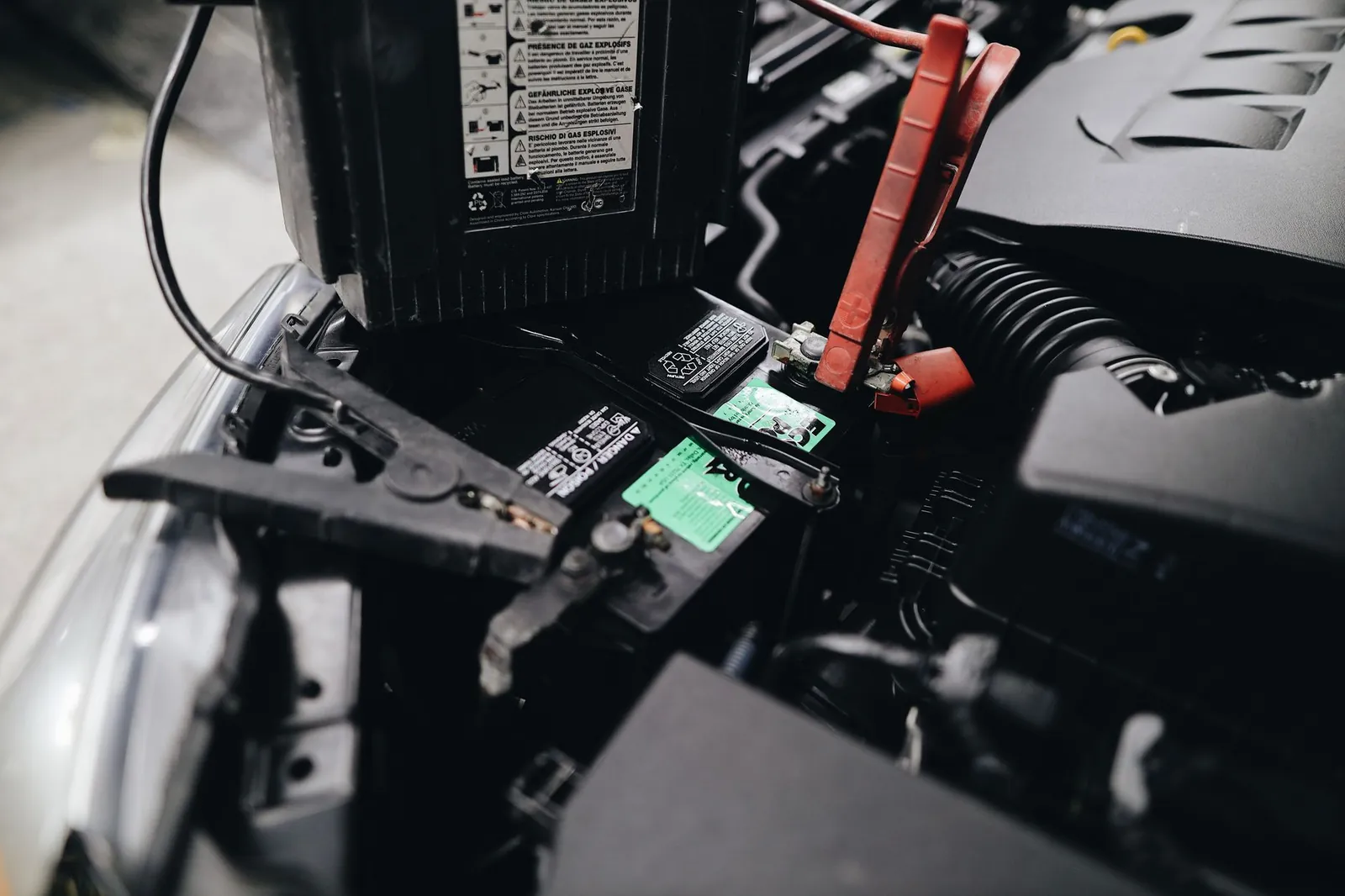
| Cause | How common | How to confirm it | Fix it yourself? |
|---|---|---|---|
| Defective wall adapter | Very common | Try a different cable | Yes |
| Deeply discharged battery | Common | Leave plugged in overnight | Yes |
| Damaged charging port | Common | Look for loose metal | No |
| Internal battery failure | Frequent | Unit never shows full | No |
| Blown internal fuse | Rare | Check user manual guide | Yes |
| Faulty wall outlet | Rare | Test with another appliance | Yes |
A common mistake is assuming the charging cable is functional just because the exterior casing looks intact. Internal wire breaks often prevent current from reaching the jump starter. If the unit remains dead after six hours, swap the cable for one that matches the specific connector type and power rating required by your jump starter’s manual.
If the internal battery voltage drops below a specific threshold, the device may fail to trigger the charging circuit entirely. Leave the unit plugged in for at least 24 hours before declaring it dead.
Distinguish between a deep discharge and a total failure by checking the indicator lights. If the lights blink in a specific sequence, consult the manual for error codes. If the device stays completely dark regardless of the power source, the internal battery has likely reached its chemical end-of-life. Replace the unit rather than attempting to open the sealed housing, as lithium-ion cells pose a significant fire risk if punctured or improperly handled.
Safety: Inside a mains-powered machine, the parts behind the outer cover can hold a dangerous electrical charge even after it has been unplugged — that’s why they sit behind a cover. Opening the housing, or testing or replacing anything behind it, is a job for a qualified technician, never a home repair.
Defective charging cables or wall adapters
Most charging problems stem from a broken cable or a wall block that no longer provides power. If the jump starter shows no reaction when you plug it in, the issue often lies with the external components rather than the battery itself. You can easily confirm this by using a known-working USB or AC cable from another device, such as a smartphone or tablet.
If the unit starts to show a charging light with a different cable, discard the old one immediately to prevent future issues. If you use a wall adapter, ensure it meets the exact voltage and amperage specifications listed on your jump starter.
Using a charger that doesn’t meet the required voltage will prevent the unit from charging entirely, regardless of how long it’s left plugged in. If your device remains unresponsive after trying a different power source, the issue is likely internal and requires professional assessment.
This guide may help you more: Jumper Cables vs Jump Starter
Deeply discharged internal battery states
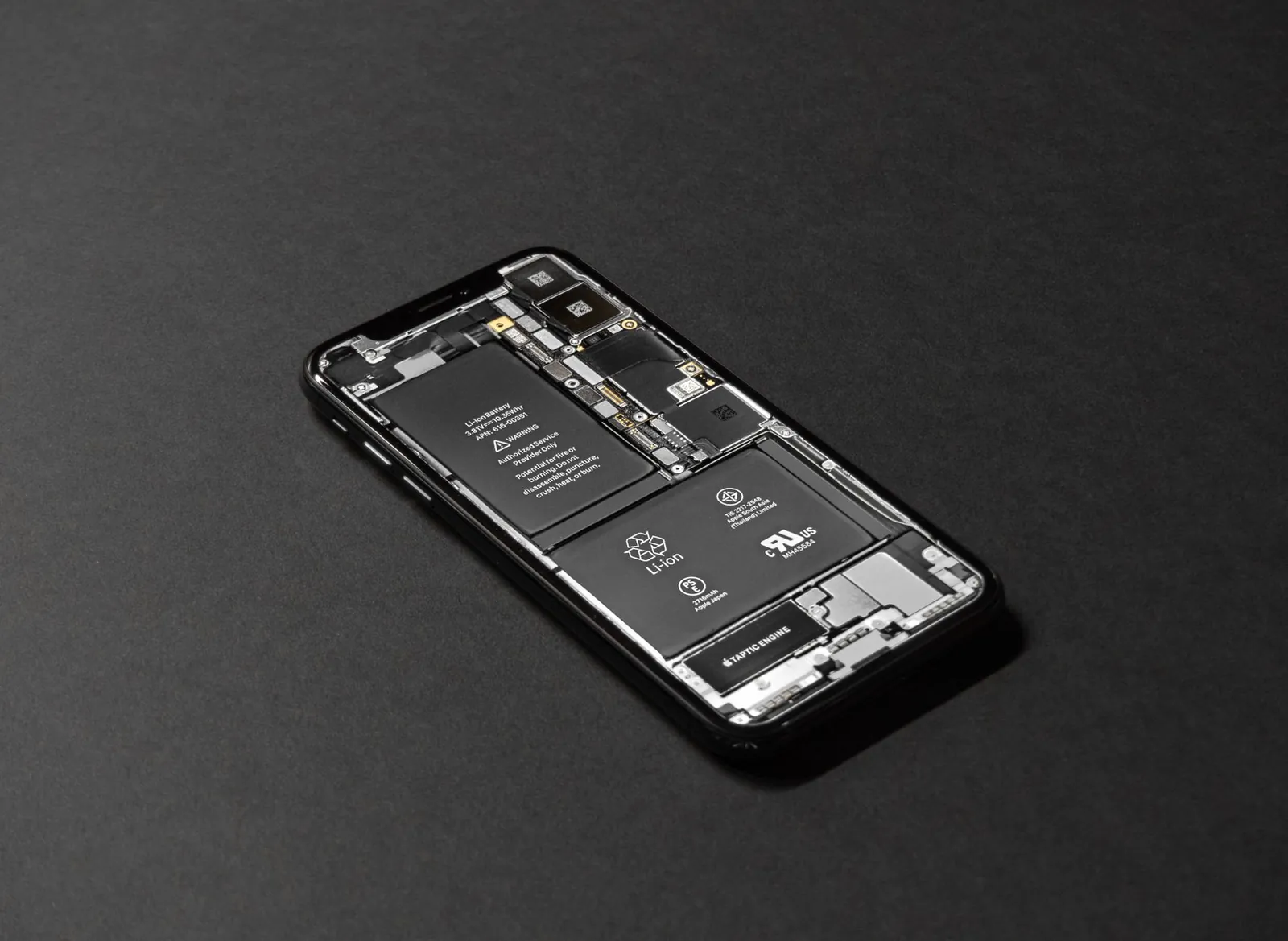
A jump starter that has been sitting unused for months may drop below the voltage threshold required for the internal controller to recognize a charge. This is a common occurrence with lead-acid jump starters, which suffer from sulfation if left in a discharged state for too long. If the unit doesn’t show a charge light initially, leave it connected to a wall outlet for at least 24 hours.
If the indicator lights remain off after a full day, the battery may have reached a state of permanent chemical degradation. According to the Consumer Product Safety Commission, lithium-ion batteries can become unstable if they’re damaged or left in a deeply discharged state for extended periods.
If you notice the casing of your jump starter bulging, getting hot to the touch, or emitting a strange odor, stop charging immediately and take the unit to a local battery recycling center. Never attempt to force a charge into a battery that shows physical signs of damage, as this presents a significant fire risk.
This guide may help you more: Black Friday Car Tech Deals
Internal charging port damage
The charging port on your jump starter can become loose or dirty, preventing a solid electrical connection. This usually happens if the cable was pulled at an angle or if debris has collected inside the socket. Use a bright flashlight to inspect the port for bent pins or signs of corrosion, which appear as greenish or dark deposits.
If the port feels loose or wobbly when you insert the cable, the internal soldering has likely failed. This is a mechanical failure that requires specialized tools and technical experience to repair safely.
Attempting to force the cable into a damaged port can cause a short circuit or further damage the internal circuit board. If the port is clearly damaged, you should contact the manufacturer for a repair quote or consider replacing the unit, as internal circuit repairs are rarely cost-effective for consumer-grade portable jump starters.
Rare causes for charging failure
- Blown internal fuse: Some models have a replaceable fuse that protects the unit from surges, which you can check by opening the designated fuse compartment if your manual indicates one.
- Extreme temperature: Charging a battery in a freezing garage or a scorching car will often trigger a safety shut-off, so move the unit to a room-temperature area before trying again.
- Failed power outlet: You might have a tripped circuit breaker or a faulty GFCI outlet, which is easy to verify by plugging a desk lamp into the same wall socket.
- Software lockout: Certain smart jump starters enter a permanent lockout mode after a severe short circuit, which usually requires a factory reset procedure found in your specific model’s documentation.
What a typical repair involves

Fixing a jump starter usually involves either replacing the external power accessories or accepting that the internal components have failed. Replacing a cable or a wall adapter is inexpensive and takes only a moment, comparable to the cost and effort of buying a new phone charger. These parts are readily available at most electronics retailers, and you can confirm the correct specifications by checking the label on the bottom of your jump starter.
If the problem is the internal battery or the charging port, the cost is significantly higher. In many cases, the price of professional labor and replacement parts will approach the cost of a brand-new unit. Before spending money on a repair, check the manufacturer’s official website for your model to see if it’s still under warranty. If it’s not, a replacement is often the most reliable way to ensure you have a working tool for emergency situations.
FAQs Of Why Is My Jump Starter Not Charging
How long should a jump starter take to charge?
Most jump starters take between 4 and 12 hours to charge fully, assuming you’re using the wall adapter provided by the manufacturer. If you’re using a lower-wattage charger, the time may double, so check your user manual for the specific charging duration your model requires.
Is it safe to leave a jump starter plugged in forever?
It isn’t recommended to leave a jump starter plugged into a wall outlet indefinitely, as this can shorten the lifespan of the internal battery. Once the indicator light shows the unit is full, unplug it to prevent the battery from overheating or losing its ability to hold a charge.
Why does my jump starter show full but not start my car?
The device may show a full charge based on voltage, but it lacks the necessary cranking amps to turn over your engine. This usually happens when the internal battery has high internal resistance, which means it can show a high voltage but can’t supply the power needed for an engine start.
What happens if I use the wrong charger?
Using a charger with the wrong voltage can damage the internal circuit board or cause the battery to overheat. Always use the original adapter or one that perfectly matches the output specifications listed on your device’s label to avoid voiding your warranty or causing a safety hazard.
Can I charge my jump starter while it’s cold?
You shouldn’t charge a jump starter if the internal temperature is below freezing, as this can permanently damage the battery chemistry. Move the unit to a warm indoor environment and let it reach room temperature for at least 2 hours before you plug it into a wall outlet.
Does it matter if my jump starter is old?
Yes, the age of the unit is a major factor because lithium and lead-acid batteries naturally degrade over time regardless of how often they’re used. If your jump starter is quite old, it’s likely that the internal battery has simply reached its end of life.
Conclusion
If your unit still won’t power up after you’ve checked the connections, it’s likely time to contact the manufacturer for a replacement or professional repair. Don’t risk using a damaged battery, as it isn’t worth the safety hazard. Reach out to their support team today to see if you’re covered by a warranty.
Disclosure: As an Amazon Associate, I may earn from qualifying purchases at no extra cost to you. Amazon and the Amazon logo are trademarks of Amazon.com, Inc, or its affiliates.
- Amazon, Amazon Prime, the Amazon logo and Amazon Prime logo are trademarks of Amazon. com, Inc. or its affiliates.

I am Sadman, the founder of CarSensorHub.com, where I share my passion for cars and technology. I specialize in writing detailed reviews and helpful guides on car gadgets, accessories, safety tools and many more. My mission is to help car owners discover the best products and tips to improve their driving experience and stay safe on the road.


