Parking sensors usually fail because the sensor faces are dirty or blocked, connectors are wet or corroded, wiring is damaged, sensors are misaligned after bumper work, or the sensor element itself has failed. The system may go completely silent, beep constantly when nothing is behind the vehicle, or give inaccurate distance alerts.
The fastest safe check is to wipe each sensor with a soft damp cloth and test it in a low-speed reverse situation. Cleaning or connector repair commonly costs $40 to $120. If the problem began after a collision, bumper repair, towing equipment installation, or bumper replacement, inspect the sensor mounts and harness routing before buying replacement parts.
Key Takeaways
- The most common cause is a dirty or filmed-over sensor face that blocks the ultrasonic signal.
- Moisture and road salt corrode sensor connectors and terminals, causing silence or false beeps.
- Chafed wiring after bumper movement or repair can interrupt communication with a sensor.
- A new bumper can create problems if a sensor mount shifts by even a few millimeters.
- Recalibration may be needed after bumper or sensor work and often costs $75 to $200.
- Dealer pricing runs higher by 40% to 60%, with full-array jobs often quoted at $600 to $1,000.
How Parking Sensor Systems Fail
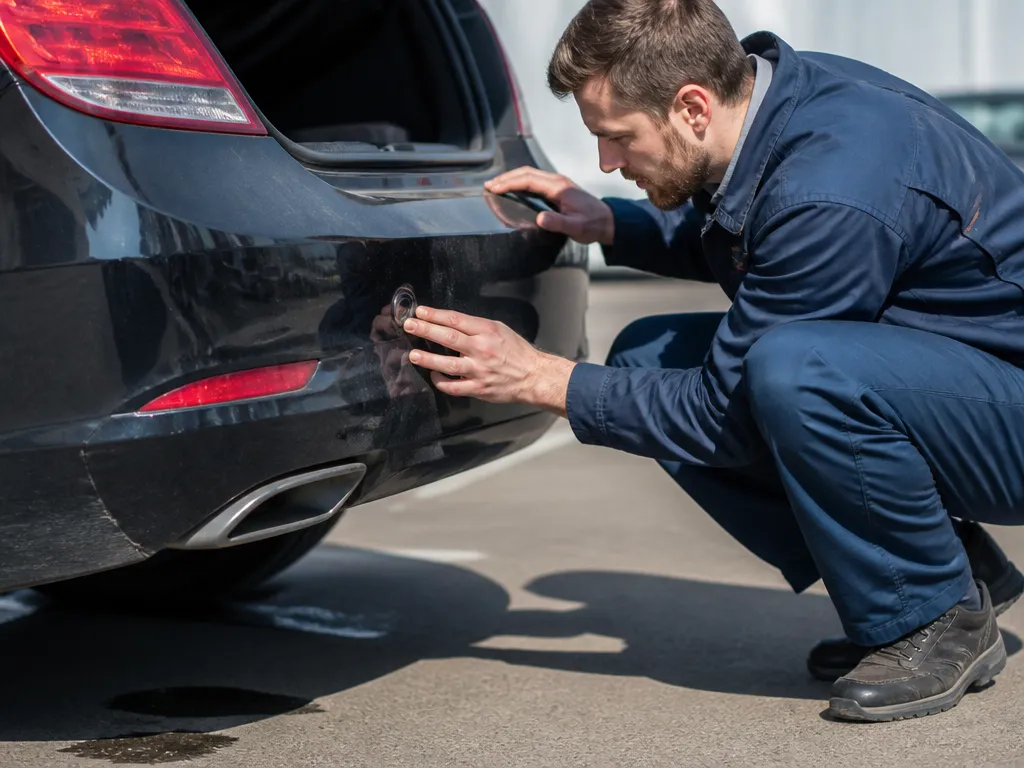
Parking sensors rely on precise timing between an ultrasonic “ping” and its echo. If the sensor face is blocked, the wiring is damaged, or the sensor sits slightly out of position, the control module may reject the signal, disable the system, or trigger false alerts.
A sensor can look clean from the outside while the actual fault sits behind the bumper. Corroded connectors, water intrusion, loose plugs, and chafed wiring are common failure points.
A silent system and a constantly beeping system can have the same underlying cause. Complete silence often means one or more sensors have stopped communicating. Constant beeping can mean the control module is interpreting electrical noise, moisture, or a distorted signal as an obstacle.
Match the Symptom to the Likely Fault
Start with the symptom pattern. If the system is completely silent in reverse, the likely causes include connector corrosion, a broken wire, or a failed sensor element. If it gives phantom alerts when nothing is nearby, suspect a contaminated sensor face, moisture inside the sensor housing, or wiring that is making the sensor report incorrectly.
Mechanical faults include blocked sensor faces, sensor misalignment after bumper work, and damaged sensor housings. Dirt, ice, and road film can block the ultrasonic signal. An impact can shift a bracket without leaving obvious damage on the bumper.
Electrical faults include corroded terminals, loose plugs, damaged harness insulation, and problems in the control module or its wiring. Cleaning or connector repair commonly costs $40 to $120 when the fault involves a blocked sensor face, corroded connector, or chafed wire rather than a failed part.
When bumper or sensor mounting has been disturbed, park-assist recalibration may be required. That service often costs $75 to $200.
Triggers That Point to a Specific Cause
- Recent bumper work – alignment and sensor brackets may have shifted.
- Road salt exposure – moisture and corrosion can accelerate connector failure.
- Winter weather – ice and road film can block the sensor face.
- Aftermarket hitch wiring – altered harness routing can cause chafing.
- Minor impacts – sensor brackets can move even when the bumper looks fine.
A Low-Cost Parking Sensor Diagnostic Sequence
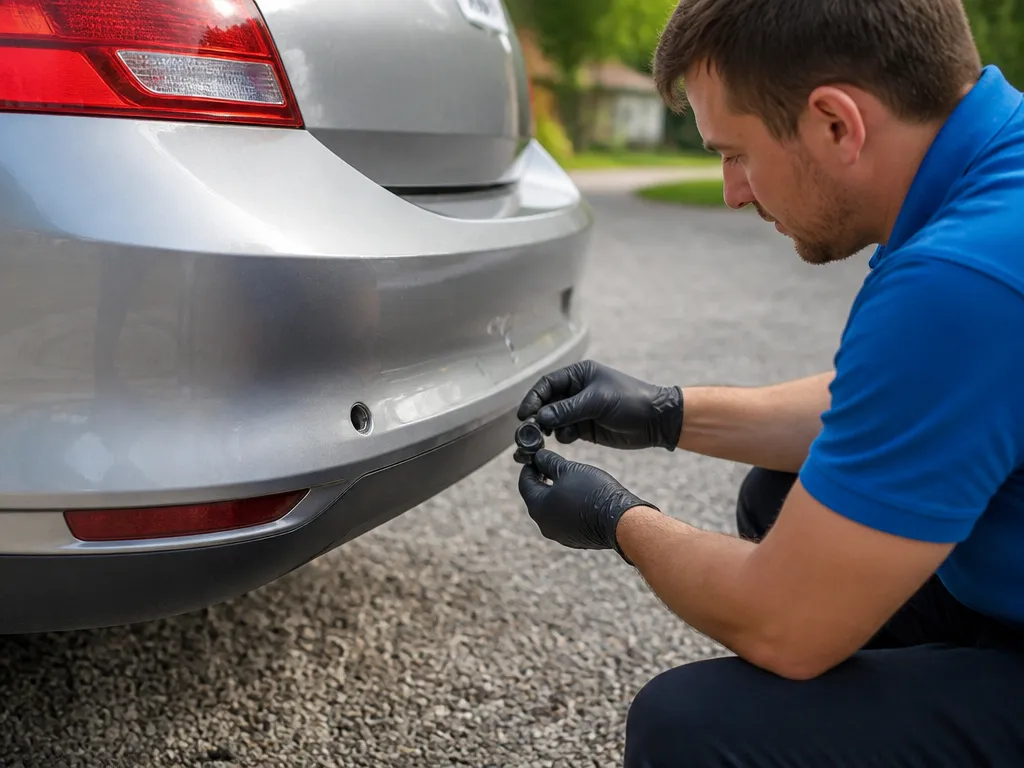
Next, inspect the bumper for signs of movement. Check for uneven gaps, loose clips, and sensor housings that do not sit flush. A low-speed bump can shift a sensor mount behind the bumper, leaving the outer bumper almost untouched while changing the sensor’s angle.
Then follow the timeline. If the problem appeared immediately after bumper removal, sensor replacement, collision repair, or a towing installation, check for a connector that was not fully seated, a wire damaged near a bracket, or corrosion caused by trapped moisture. A chafed wire may cause intermittent operation before it fails completely.
Avoid replacing a single sensor simply because it appears to be the obvious culprit. If several sensors fail together after bumper work, the problem may be a connector, harness, control module, or calibration requirement.
A basic diagnostic process may include an OBD tool for reading codes and simple electrical checks for connector seating and continuity. A multimeter can help confirm power and ground at a sensor circuit, but only probe wiring if you can do so without risking airbag wiring, fuel lines, or tightly packed harnesses.
- Wipe, then test because cleaning can restore a blocked sensor face.
- Look for bumper shift because a few millimeters can change readings.
- Follow the timeline to identify what changed before the failure.
- Inspect connectors for corrosion and loose plugs.
- Expect recalibration after bumper or sensor work.

Helpful pick
ZNDAW Car Parking Sensor, Reverse Backup Radar System Sound Warning with 4 Parking Sensors, LED Distance Detection Warning Buzzer Alert Parking Sensors Kit for Most Vehicles
If your bumper movement has damaged existing sensors, this complete radar kit provides a reliable, all-in-one replacement system for most vehicle types.
Why Finding the Cause Saves Money
A faulty parking sensor system can make you trust warnings that are missing, inaccurate, or false. A silent system removes the warning when you need it. Constant beeping can encourage you to ignore alerts or drive closer to obstacles than you should.
Fixing the underlying fault can also prevent a small electrical problem from spreading. A damaged wire or loose connector can allow moisture and corrosion to worsen over time.
The first correct checks are usually cheaper than replacing parts at random. Cleaning and connector-level repairs often cost less than a new sensor. When the bumper or sensors have been disturbed, budgeting for recalibration can prevent a second visit after the hardware has already been installed.
A repeatable diagnosis tells you whether you are dealing with contamination, a connector fault, wiring damage, sensor alignment, or a calibration problem. That is more useful than guessing based only on the sound of the warning.
Parking Sensor Repair Options and Costs
The right repair depends on whether the fault comes from contamination, an electrical connection, alignment, or a failed component.
The repair choice should follow the confirmed fault rather than a guessed sensor. Obvious bumper alignment problems can point toward a bracket or mounting repair.
If the faces are clean but one sensor still behaves incorrectly, connector service or wiring correction is often the better value. Cleaning or connector repair commonly costs $40 to $120 when the problem is a blocked sensor face, corroded connector, or chafed wire rather than a failed part.
Sensor replacement may be necessary when moisture has entered the housing or the sensor element has failed. Recalibration after bumper or sensor work commonly costs $75 to $200 on many vehicles. Dealer pricing is commonly 40% to 60% higher, with full-array sensor jobs frequently quoted at $600 to $1,000.
| Likely parking sensor fault cause | Typical “first fix” | Best for | What to watch |
|---|---|---|---|
| Blocked/dirty sensor face | Wipe clean, retest | Mostly intermittent issues, false alerts | If it returns after rain or winter, clean again and inspect |
| Corroded sensor connector | Connector service/cleaning | One sensor dead or odd pattern | Look for green/white crust near terminals |
| Chafed or broken harness wire | Wire repair | Failure after bumper removal or knock | Often intermittent until you wiggle the harness |
| Sensor misalignment after bumper work | Re-seat bracket, verify position | Failure right after collision repair | Even slight shift can change readings |
| Moisture inside sensor housing | Sensor replacement (often) | Persistent silence or phantom beeps | Drying rarely fixes if water entered permanently |
| Control/module issue | Shop diagnostics, possible module service | Widespread faults | Usually requires code reading and circuit checks |

Helpful pick
T1A Car Parking Sensors, 4 Pieces – Compatible with 2015-2020 Ford F-150 Super Duty – Front or Rear Bumper Parking Aid Sensor, Backup Reverse Parking Assist Kit – OEM FL3-Z15K859-AAPTM, HC3Z15K859A
When the fault is a failed component, these high-quality replacement sensors for Ford vehicles offer a cost-effective way to fix your parking system.
When to Stop Guessing and Visit a Shop
If the problem started immediately after bumper work or a minor impact, a shop should check misalignment, disturbed brackets, and harness damage before assuming the sensor itself failed.
For electrical faults, inspect corrosion points around the bumper. These connectors repeatedly face water and road salt, and a terminal that is corroded or not fully seated can interrupt communication. On some vehicles, one failed connection can shut down the entire system.
My practical rule is simple: try cleaning and perform a visual alignment check first. If neither changes the behavior, or if multiple sensors faulted after bumper work, pay for proper diagnostics before replacing parts. Code reading and circuit checks can identify a shared wiring or module problem that new sensors will not solve.

Helpful pick
Car Reverse Parking Radar System with 8 Parking Sensors Distance Detection + LED Distance Display + Sound Warning (Black Color)
If electrical faults or harness damage make repair difficult, installing this comprehensive 8-sensor radar system provides a modern, reliable alternative to original equipment.
Common Parking Sensor Failure Scenarios
A driver may reverse for the first time after winter and hear nothing. Ice or road film can block the signal path even when the sensor looks intact.
A vehicle may return from rear-end repair with a constant reverse alarm even though nothing is behind it. Sensor misalignment, a shifted bracket, or a connector and harness problem created during the repair are the most likely causes. A sensor mount can move by a few millimeters when the bumper position changes.
A vehicle may lose one sensor after a towing hitch installation. Hitch wiring can run near the bumper harness, where vibration or chafing may damage the insulation. The resulting communication loss may be intermittent, so connector service or wire repair should come before sensor replacement.
A sensor that works for months and then produces phantom beeps during rain or humid weather may have moisture inside its housing or corrosion in the harness terminals. Cleaning may provide only temporary relief. The repair may require connector service or sensor replacement.
After a bumper or sensor replacement, the warning tones may still work while the distance alerts are inaccurate. This can indicate that the system needs park-assist recalibration to interpret distances correctly.
FAQ
What are the most common parking sensor fault causes?
The most common causes are a blocked or dirty sensor face, moisture and corrosion at connectors, damaged or chafed wiring, and sensor misalignment after bumper work. These faults can produce silent operation or constant phantom beeping. Cleaning the sensor faces is the fastest first check before assuming a part has failed.
How much does it cost to fix a parking sensor fault?
Cleaning or connector repair commonly costs $40 to $120 when the issue is a blocked sensor face, corroded connector, or chafed wire rather than a failed part. If the bumper or sensors were disturbed, park-assist recalibration is often required and runs $75 to $200. Dealer pricing is commonly 40% to 60% higher, with full-array sensor jobs frequently quoted at $600 to $1,000.
Can a parking sensor fault be fixed without replacing the sensor?
Yes. Connector corrosion and chafed wires can often be addressed without replacing the sensor. A corroded connector or chafed wire may need repair, but the sensor itself can remain usable.
How do I diagnose a parking sensor fault quickly?
Use the symptom and repair timeline. A fault that begins after bumper repair or an impact points toward misalignment, loose connectors, or harness damage; a persistent fault during wet weather can indicate moisture. Code reading and circuit checks can distinguish these problems from a failed sensor.
What is a common mistake when fixing parking sensor faults?
Replacing parts too early is the most common mistake. A blocked sensor face or corroded harness connector can make a good sensor appear defective. Another mistake is treating a widespread fault as several failed sensors instead of checking for a shared wiring or module problem.
Disclosure: As an Amazon Associate, I may earn from qualifying purchases at no extra cost to you. Amazon and the Amazon logo are trademarks of Amazon.com, Inc, or its affiliates.
- Amazon, Amazon Prime, the Amazon logo and Amazon Prime logo are trademarks of Amazon. com, Inc. or its affiliates.

Hi, I am AKM Sad. I’m a car enthusiast and reviewer who loves exploring gadgets and accessories. I share honest reviews and practical tips to help you get the best products and enjoy a safer, smoother ride.