A failed parking sensor usually reveals itself through missing beeps, incorrect distance readings, or false warnings when no obstacle is nearby. You may also hear constant beeping, get intermittent alerts, or lose the front or rear sensors entirely. One faulty sensor can leave the others working while staying silent or reporting strange distances.
Common causes include dirty sensor faces, moisture, loose connectors, damaged wiring harnesses, bumper damage, and a failed parking-assist control module. Clean the sensors and inspect the bumper first. If the problem remains, scan the vehicle for parking-assist codes before replacing parts.
Key Takeaways
- Missing beeps indicate a fault. One or more sensors may be dead, muted, or disconnected.
- Constant alerts can also indicate failure. Dirt, moisture, or wiring problems may make a sensor detect an object that is not there.
- Intermittent warnings often point to wiring. Loose connectors and damaged harnesses may fail when the vehicle hits bumps.
- Front and rear systems can fail separately. A single sensor may affect only one area of the vehicle.
- Clean before replacing parts. Removing dirt and checking for dents can prevent unnecessary repairs.
- Scan for codes. A proper diagnostic check can identify the failing sensor or control module.
How Parking Sensors Work and Fail
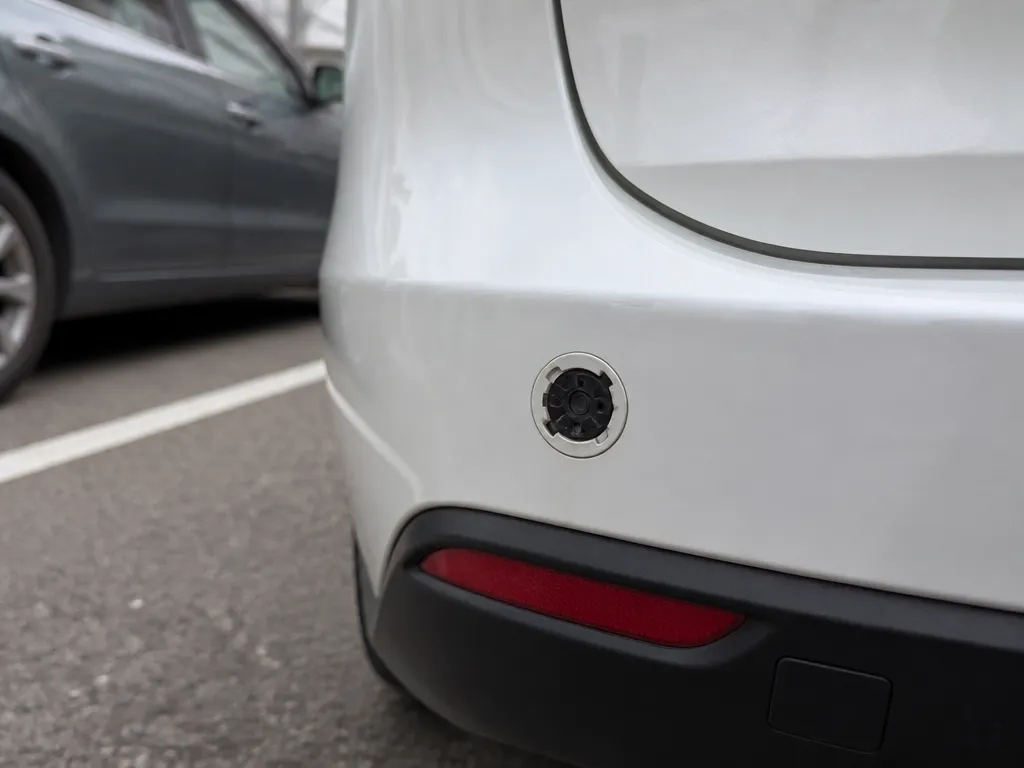
Most parking-assist systems use ultrasonic sensors – the small round or rectangular units in the bumper – and a controller that turns their readings into beeps. Many vehicles also show distance blocks or a proximity graphic on the dashboard. A fault anywhere in that chain can produce confusing behavior.
A single bad sensor often causes partial operation. You may hear beeps from only one side, or receive alerts from every corner except the rear-left sensor. A wiring fault or controller problem can silence the entire system or trigger repeated false warnings.
You do not need advanced mechanical skills to make useful observations. Shift into Reverse, move slowly, and note whether the alerts change as you approach an object. That pattern can point toward cleaning, a visual inspection, or a diagnostic scan.
Parking Sensor Failure Symptoms to Watch For
The symptoms usually fall into a few recognizable patterns. Identifying the pattern helps you avoid replacing multiple parts without confirming the cause.
No Beeps or a Silent Sensor
A functioning system usually produces a tone that changes with distance and becomes more frequent as you approach an object. No beeps at all may mean the system is disabled, a sensor has lost power, a connector is disconnected, or the control module has detected a fault.
If only one corner stays silent while the other sensors respond normally, a single failed sensor or local wiring problem is more likely. If both the front and rear systems stop working, suspect a broader electrical, communication, or module fault.
Constant Beeping With No Nearby Object
A sensor that beeps continuously may be reading a false obstacle. Dirt, road salt film, wax overspray, moisture, a cracked bumper, or a damaged sensor element can all cause this behavior.
The timing matters. False alerts that appear after rain or snow may point to moisture or contamination. A constant warning that continues in dry conditions may require a wiring inspection or scan.
Intermittent Alerts
Parking sensor problems that come and go often relate to vibration, temperature changes, or moisture inside a connector. If the alerts disappear and return after a bump, pothole, or turn, inspect the wiring harness and connectors before blaming the sensor itself.
A loose connection may work while the car is stationary and fail as the bumper or harness moves. Recent bumper work makes this possibility more likely because wiring may have been pinched, stretched, or reconnected incorrectly.
Wrong Distance Readings or Missing Display Segments
A failed sensor may report an object too close or too far away. On vehicles with a dashboard graphic, you may see missing distance blocks, an incorrect proximity reading, or activity from the wrong side of the vehicle.
Some cars display a message such as “Parking Assist Off.” That usually means the controller has detected an out-of-range reading, short circuit, or communication problem and disabled the system.
Checks to Perform Before Replacing a Sensor
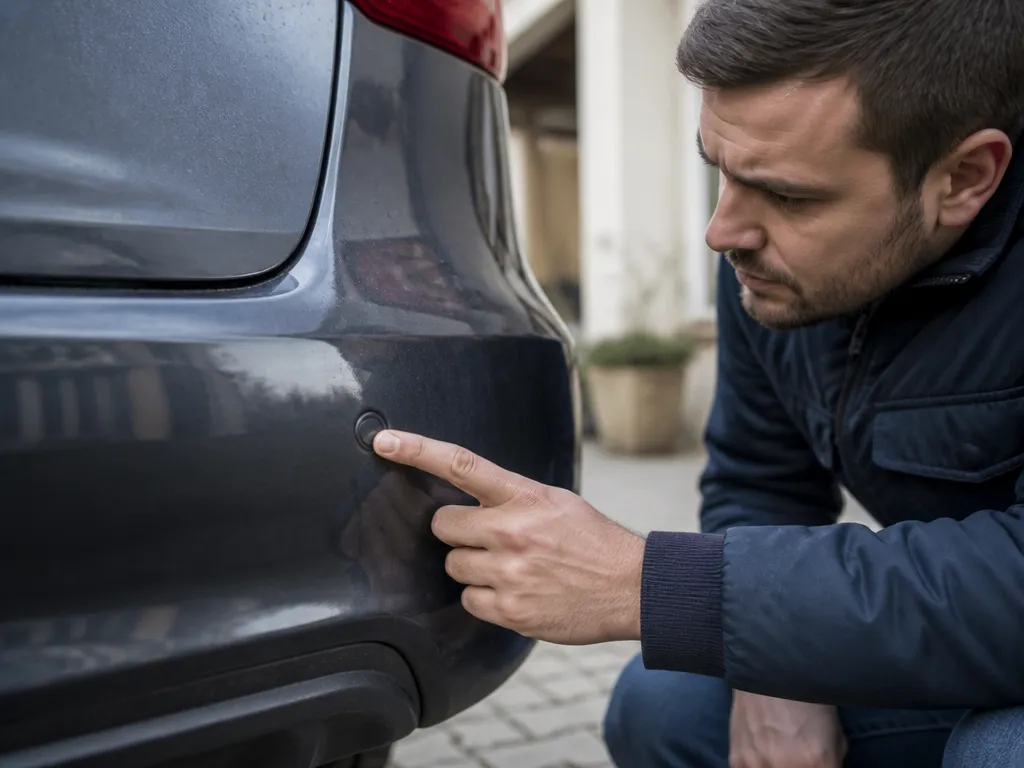
Three quick checks can resolve a surprising number of parking sensor problems.
- Clean the sensor face. Use gentle soap and water, then dry the sensor thoroughly. Mud, road salt film, and wax overspray can interfere with readings and cause false alerts.
- Inspect the bumper around each sensor. Look for cracks, dents, or a sensor that sits farther inside the bumper than the others. If the bumper was recently repainted or reinstalled, confirm that each sensor is seated correctly and shows no visible damage.
- Check for recent impacts and wiring stress. A parking scrape, pothole hit, or front-end repair can damage the harness. Look for loose plastic clips, rubbed wiring, or corrosion around the connector.
If these checks do not solve the problem, use a scan tool that can read parking-assist codes. A scan can identify a specific location, such as rear-left, or reveal a system-level fault.
Some vehicles also require calibration or initialization after bumper work, sensor replacement, or camera and parking-assist service. Incorrect setup can mimic a failed sensor even when the sensor itself is working.
Why Early Diagnosis Saves Time and Money
Recognizing the symptoms early can help you park more safely and avoid backing into curbs, poles, or vehicles outside your mirrors. The sensors should remain a secondary aid, especially around tight turns, low obstacles such as small bike racks, and wet bumpers.
Early diagnosis also limits unnecessary parts replacement. A problem isolated to one corner calls for a different repair from a controller fault affecting every sensor. Replacing multiple sensors “just in case” can turn a simple connector repair into an expensive parts swap.
Clear symptom descriptions also help a repair shop. “No beeps at all from the rear” or “false beeping only on rainy days” gives the technician a specific pattern to investigate and may shorten the diagnostic process.
Repair Options for Parking Sensor Faults
The right repair depends on whether the fault affects one sensor, several sensors, or the entire system.
- Cleaning and reseating sensors: Best when the problem follows dirt buildup, repainting, or minor bumper contact.
- Connector and harness inspection or repair: Best when the fault is intermittent, follows bumps, or began after bumper work.
- Sensor replacement: Best when diagnostics show that a specific sensor is out of range, dead, or shorted.
- Controller or module diagnosis: Best when several sensors report faults together or the system consistently disables itself.
- Calibration or initialization: Best after sensor or bumper work when the sensors appear physically sound but the system continues to report errors.
Cleaning and visual inspection are reasonable DIY checks. Code diagnosis, sensor replacement decisions, and suspected module faults are better handled with the appropriate scan tool or by a qualified shop. Guessing from the sound of the beeps often wastes money.
| Observed Parking Sensor Symptom | Most Likely Cause | Best Next Option |
|---|---|---|
| No beeps in reverse (rear system dead) | Sensor(s) disabled or module fault, wiring break | Scan for codes, check power/ground |
| One corner beeps and others do not | Single sensor failure | Replace that sensor after confirmation |
| Constant beeping when nothing is close | Dirty face, moisture, sensor element fault | Clean first, then inspect wiring |
| Beeps come and go | Loose connector, damaged harness | Inspect connectors, run diagnostics |
| Front and rear fail together | Controller/system-level issue | Scan, inspect harness routing |

Helpful pick
JDMSPEED Set of 4 Pcs Rear Bumper Backup Parking Sensor w/O-Ring Replacement for Chevrolet Cadillac GMC Chevy Saturn Buick Replaces 25961317 15239247 25961321 21995586 25962147 Parking Assist Sensors
When a specific sensor fails, this set of four rear bumper backup sensors offers a reliable, cost-effective replacement for many GM vehicles.
How to Confirm a Parking Sensor Fault
Ask the repair shop, “Which sensor location is failing, and what code supports it?” The answer should connect the recommended repair to a specific fault. If a shop proposes replacing several sensors without identifying a fault pattern, ask why each part is necessary.
Bumper history also matters. A removed, replaced, or repainted bumper can leave sensors displaced, harnesses pinched, or connectors incorrectly assembled. Those mistakes can produce the same symptoms as a dead sensor.
A “Parking Assist Off” message is useful diagnostic information. Many systems disable themselves after detecting an out-of-range reading, short circuit, or communication error. Repeated disabling is a good reason to scan the system instead of continuing to rely on it.

Helpful pick
A-Premium Rear Parking Assist Sensor Compatible with Chevy, GMC & Cadillac
Once you have confirmed a specific sensor fault via diagnostic codes, this high-quality replacement sensor is designed for a precise, factory-fit repair.
Common Parking Sensor Failure Scenarios
The same few patterns appear in many parking-assist faults.
If you back out of your driveway and hear no beeps at all, then get no warning when you approach a fence post, the rear system is not producing useful readings. Possible causes include a dead sensor, a connector fault, or a controller problem if diagnostics show several sensors failing.
Constant warning beeps when nothing is nearby suggest a false reading. If the car beeps steadily while you are still several feet away and the tone does not change as you move, inspect the sensor face first. A stuck sensor element or moisture intrusion may require further testing.
Beeping that appears only when you turn the steering wheel or drive over bumps points toward a connector or harness problem. Vibration can temporarily interrupt a loose connection, so connector inspection and a scan tool are usually more useful than immediately replacing the sensor.
One-sided operation often indicates a single sensor fault. For example, alerts from the rear-right but not the rear-left suggest that the rear-left sensor or its wiring is not responding, while the rest of the system remains functional.

Helpful pick
GZGN Backup Parking Assist Sensor Compatible with Chevy Avalanche Silverado Suburban,GMC Sierra Yukon,Buick Lucerne Enclave 25961317 25962147,4 PCS Reverse Rear Bumper Parking Sensors
If your rear system is failing to produce readings, these compatible replacement sensors can help restore full functionality to your vehicle’s parking system.
FAQ
What are the most common parking sensor failure symptoms?
The most common symptoms are missing beeps, constant beeping when nothing is close, and intermittent alerts that cut in and out. You may also see a “Parking Assist Off” style message on the dashboard. If only one corner fails, the problem often involves one sensor rather than the entire system.
Can dirty parking sensors cause false alarms?
Yes. Mud, road film, and moisture on the sensor face can change the readings and trigger warnings when no object is nearby. Clean the sensor area with soap and water, dry it fully, and retest slowly in Reverse before replacing anything.
How long does it take to diagnose a bad parking sensor?
A basic diagnosis can take minutes if the fault is consistent and the sensors are easy to inspect. A proper scan that reads parking-assist codes usually takes about 15 to 30 minutes, depending on the vehicle and diagnostic tool. If no clear code appears, testing may take longer because the technician must narrow down a wiring problem.
Is it safe to drive if my parking sensors are failing?
Treat failing sensors as unreliable. Use your mirrors, camera views if equipped, and careful visual checks instead of trusting the beeps. Reverse slowly in tight or blind areas. If the system repeatedly disables itself, have it checked because the fault may affect obstacle detection.
What is a common mistake when fixing parking sensors?
Replacing sensors based on sound alone is a common mistake. Contamination, damaged connectors, and harness problems after bumper work can produce the same symptoms, and new sensors will not correct those faults. Clean the sensors first, then use diagnostics to identify the affected sensor location or circuit.
Disclosure: As an Amazon Associate, I may earn from qualifying purchases at no extra cost to you. Amazon and the Amazon logo are trademarks of Amazon.com, Inc, or its affiliates.
- Amazon, Amazon Prime, the Amazon logo and Amazon Prime logo are trademarks of Amazon. com, Inc. or its affiliates.

Hi, I am AKM Sad. I’m a car enthusiast and reviewer who loves exploring gadgets and accessories. I share honest reviews and practical tips to help you get the best products and enjoy a safer, smoother ride.