If you own a stock Ford F150 XLT, you might be wondering how big your tires can get without causing problems. Choosing the right tire size is more important than you think it affects your truck’s performance, safety, and even fuel efficiency.
You want your F150 to look tougher and handle better, but going too big can lead to costly issues down the road. You’ll discover the max tire size that fits your stock F150 XLT perfectly. Keep reading to find out how to upgrade your tires the smart way and get the most out of your truck.
F150 Xlt Stock Specifications
The Ford F150 XLT is a popular choice for truck lovers. Knowing its stock specifications helps decide the right tire size. These specs include tire dimensions, wheel size, and suspension limits. They affect performance and safety.
Understanding these details prevents damage and keeps the truck stable on the road. Let’s explore each part carefully.
Factory Tire Dimensions
The stock tires on an F150 XLT usually measure 265/70R17. This means the tire width is 265 mm. The aspect ratio, or tire height, is 70% of the width. The tire fits a 17-inch wheel.
This size balances comfort and handling. It also matches the truck’s design for good fuel economy.
Wheel Size And Offset
The standard wheel size is 17 inches in diameter. The width is about 8 inches. The offset is around 44 mm, placing the wheel center close to the truck’s suspension.
Correct offset keeps the tires inside the wheel wells. It prevents rubbing on the fenders or suspension parts.
Suspension And Clearance Limits
The F150 XLT has a suspension designed for moderate off-road use. It offers enough clearance for the stock tire size. Larger tires may require suspension lifts.
Clearance limits ensure tires do not hit the frame or steering parts. Staying within these limits avoids damage and unsafe driving.
Credit: www.f150gen14.com
Factors Affecting Tire Size
Choosing the right tire size for your stock F150 XLT involves several important factors. These factors influence how your truck drives and performs. Understanding them helps you pick the best tire size without causing issues.
Each factor affects your truck in different ways. Knowing these effects keeps your vehicle safe and efficient on the road.
Impact On Performance
Larger tires can change how your F150 handles. They may improve traction on rough roads. But bigger tires also add weight. This extra weight can slow down acceleration and braking. Suspension and steering may feel different too. Using the right size keeps your truck balanced and responsive.
Fuel Efficiency Considerations
Heavier or larger tires can lower fuel efficiency. Your engine must work harder to turn bigger wheels. This means more fuel consumption on every trip. Sticking close to stock tire size helps keep fuel costs down. Small changes can have a big effect on mileage.
Speedometer And Odometer Accuracy
Tire size affects speedometer and odometer readings. Larger tires cover more ground per rotation. This causes your speedometer to show slower speeds than actual. Your odometer may record fewer miles than driven. Using the correct tire size ensures accurate speed and distance tracking.
Maximum Tire Size Options
Choosing the right tire size for your stock F150 XLT matters a lot. The right size keeps your truck safe and running smoothly. It also affects how your truck looks and performs. Knowing the maximum tire size options helps you make smart choices. It avoids problems like rubbing or poor handling.
Recommended Max Sizes For Stock Setup
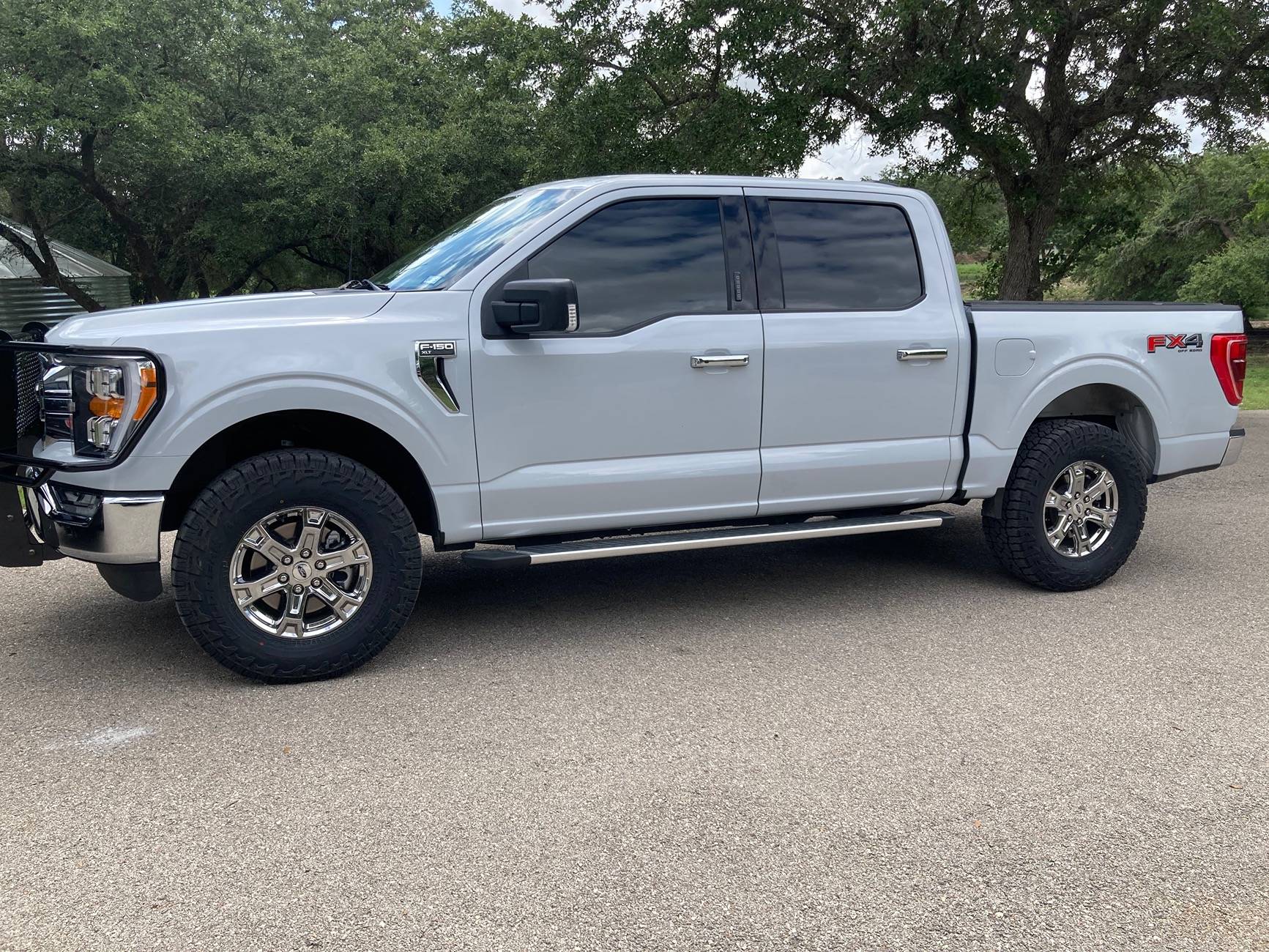
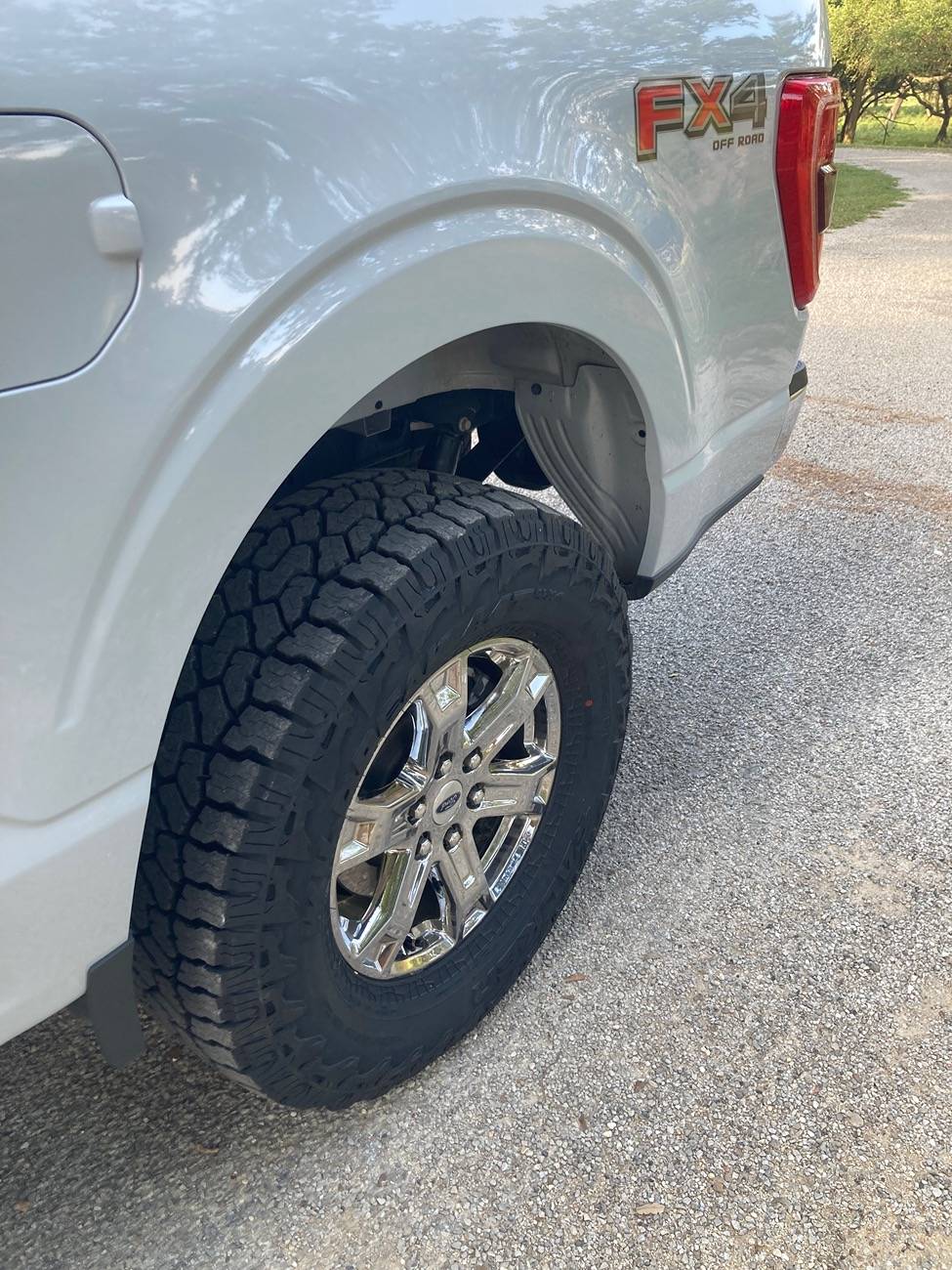
The stock F150 XLT usually fits tires up to 33 inches tall. The common max size is 275/65R18 or 285/65R17. These sizes work well with no mods. They keep good clearance and avoid rubbing on the wheel wells. Staying within this range keeps your truck balanced and safe.
Fitment With Stock Suspension
Stock suspension limits how big your tires can be. Bigger tires may rub during turns or on bumps. Tires larger than 33 inches often need lifts or spacers. Without changes, tires can hit suspension parts or fenders. Proper fitment means smooth rides and no damage to parts.
Popular Tire Sizes Among Owners
Many F150 XLT owners choose 275/65R18 or 285/65R17 tires. These sizes offer a good mix of comfort and off-road ability. Some prefer 33×12.5R18 for a more rugged look and better traction. These tires fit well without major changes to the truck. They balance style and daily driving needs.
Modifications For Larger Tires
Upgrading your stock F150 XLT to larger tires needs some changes. Larger tires need more space and support. Without changes, tires might rub or damage parts. Modifications help fit bigger tires safely. They keep your truck strong and drive well.
Lift Kits And Leveling Kits
Lift kits raise your truck’s body higher. They give more room for bigger tires. Leveling kits fix the front and back height. They make the truck look balanced. These kits stop tires from rubbing inside the wheel wells.
Fender Trimming And Body Adjustments
Sometimes tires are too wide or tall. Trimming the fenders helps make space. It stops the tires from scraping the truck body. Small body changes improve tire clearance. These adjustments prevent damage and keep the truck safe.
Upgraded Suspension Components
Bigger tires add weight and stress on suspension parts. Stronger springs and shocks support the added load. Upgraded suspension keeps the ride smooth. It protects the truck’s frame and parts from wear. Better suspension means safer handling with larger tires.
Choosing The Right Tire Type
Choosing the right tire type is important for your stock F150 XLT. The right tires improve safety, performance, and comfort. Different tires suit different road and weather conditions. Picking the right tire type helps you get the best from your truck.
Consider how you use your F150. Do you drive mostly on highways, off-road, or in rough weather? This choice affects the tire type you need. Let’s explore some common tire types and their uses.
All-terrain Vs Mud-terrain
All-terrain tires work well on both pavement and light off-road trails. They offer good traction on dirt, gravel, and wet roads. These tires give a smooth, quiet ride on highways.
Mud-terrain tires have bigger, deeper treads. They grip soft, muddy surfaces better than all-terrain tires. These tires are louder and less comfortable on paved roads. Choose mud-terrain if you often drive in heavy mud or loose dirt.
Tread Patterns And Usage
Tread patterns affect how tires perform on different surfaces. Symmetrical tread patterns provide even wear and smooth driving. Asymmetrical patterns improve handling and cornering on wet roads.
Directional tread patterns push water away, reducing hydroplaning risk. They work well in rainy conditions. Pick tread patterns that match your usual driving needs and environment.
Seasonal Considerations
Seasonal tires help your truck perform better in specific weather. Winter tires have special rubber and treads for ice and snow. They offer better grip and safety in cold conditions.
Summer tires perform well on dry and wet roads but lose grip in cold weather. All-season tires balance performance across different seasons but may not excel in extreme conditions. Choose tires based on your local weather patterns.

Credit: realtruck.com
Installation Tips And Best Practices
Installing the right tire size on your stock F150 XLT requires care and attention. Proper installation ensures safety and performance. Follow these tips and best practices to get the most from your new tires.
Professional Mounting Advice
Choose a trusted tire shop for mounting your tires. Professionals have the right tools to fit tires correctly. Incorrect mounting can cause damage or poor performance. Let experts handle the job to avoid problems later.
Balancing And Alignment
Always balance your tires after installation. Unbalanced tires cause vibrations and uneven wear. Proper alignment keeps your truck driving straight. It also extends tire life and improves fuel efficiency.
Break-in Period For New Tires
Drive carefully for the first 500 miles on new tires. Avoid hard stops and sharp turns. This break-in period helps tires settle and perform better. Your truck will handle smoother and safer after this time.
Maintaining Tire Health
Maintaining tire health is key to keeping your stock F150 XLT safe and efficient. Healthy tires improve fuel economy and vehicle handling. They also prevent unexpected breakdowns and costly repairs.
Regular care helps tires last longer and perform better. It is important to check tires often and follow proper maintenance steps. This keeps the tires in good shape and ensures a smooth ride.
Regular Inspections
Check your tires for cuts, cracks, or bulges. Look for uneven wear or objects stuck in the tread. Inspect tires at least once a month and before long trips. Early detection stops small problems from getting worse.
Proper Inflation
Keep tires inflated to the recommended pressure. Use a tire gauge to check pressure regularly. Underinflated tires wear out faster and reduce fuel efficiency. Overinflated tires can cause poor traction and uneven wear.
Rotation And Balancing Schedules
Rotate tires every 5,000 to 7,000 miles. This helps even out tire wear and extends tire life. Balance tires to avoid vibrations and uneven tread wear. Follow your vehicle’s service schedule for best results.
Credit: www.f150gen14.com
Common Issues With Oversized Tires
Choosing oversized tires for your stock F150 XLT may seem appealing. Bigger tires can look tough and offer off-road benefits. Yet, these tires bring certain problems. They can affect your truck’s overall performance and safety. Understanding these issues helps you decide wisely before upgrading your tires.
Handling And Stability Challenges
Larger tires change how your truck handles. The vehicle may feel less stable on sharp turns. Steering can become heavier and slower. This leads to a less comfortable drive. The truck may also pull to one side. These changes reduce control, especially at high speeds.
Increased Wear And Tear
Oversized tires put extra strain on your truck parts. Suspension and brakes wear out faster. The engine works harder to move bigger tires. This increases fuel consumption. You might face more frequent repairs. Tire life also shortens due to uneven wear.
Warranty And Insurance Implications
Using larger tires can void your truck’s warranty. Manufacturers may refuse to cover damage caused by oversized tires. Insurance companies might raise your premiums. Some claims could be denied. Always check with your dealer and insurer before changing tire size.
Frequently Asked Questions Max Tire Size for Stock F150 Xlt
What Is The Max Tire Size For A Stock F150 Xlt?
The max tire size for a stock F150 XLT is typically 275/65R18. This size fits without modifications and maintains proper clearance. Larger tires may require lift kits or trimming to avoid rubbing on suspension or body parts.
Can I Install Larger Tires On My Stock F150 Xlt?
Yes, but larger tires may need a lift or leveling kit. Installing bigger tires without adjustments can cause rubbing and affect handling. Always check clearance and consider professional advice before upgrading tire size.
How Do Larger Tires Affect F150 Xlt Performance?
Larger tires can impact fuel economy, acceleration, and speedometer accuracy. They may improve off-road capability but reduce on-road comfort. Proper recalibration of the speedometer is recommended after changing tire size.
Will Bigger Tires Void My F150 Xlt Warranty?
Generally, installing bigger tires does not void the warranty unless damage results from improper fitment. Always follow manufacturer guidelines and consult your dealer to ensure warranty protection when upgrading tire size.
Conclusion
Choosing the right tire size keeps your F150 XLT safe and smooth. Stock tires fit best without causing damage or errors. Going bigger can affect handling and fuel use. Check your truck’s manual for limits. Proper tires help your truck perform well on all roads.
Remember, the max tire size matters for safety and comfort. Stay within recommended sizes for the best driving experience.
Disclosure: As an Amazon Associate, I may earn from qualifying purchases at no extra cost to you. Amazon and the Amazon logo are trademarks of Amazon.com, Inc, or its affiliates.
- Amazon, Amazon Prime, the Amazon logo and Amazon Prime logo are trademarks of Amazon. com, Inc. or its affiliates.

I am Sadman, the founder of CarSensorHub.com, where I share my passion for cars and technology. I specialize in writing detailed reviews and helpful guides on car gadgets, accessories, safety tools and many more. My mission is to help car owners discover the best products and tips to improve their driving experience and stay safe on the road.