Are you wondering if the Tesla Model 3 will stand the test of time? You want a car that won’t let you down years from now, right?
Reliability isn’t just about today—it’s about peace of mind for every mile ahead. You’ll discover the real story behind the Model 3’s long-term performance. By the end, you’ll know if this electric vehicle is truly built to last and worth your investment.
Keep reading to find out what you need to consider before making your decision.
Tesla Model 3 Overview
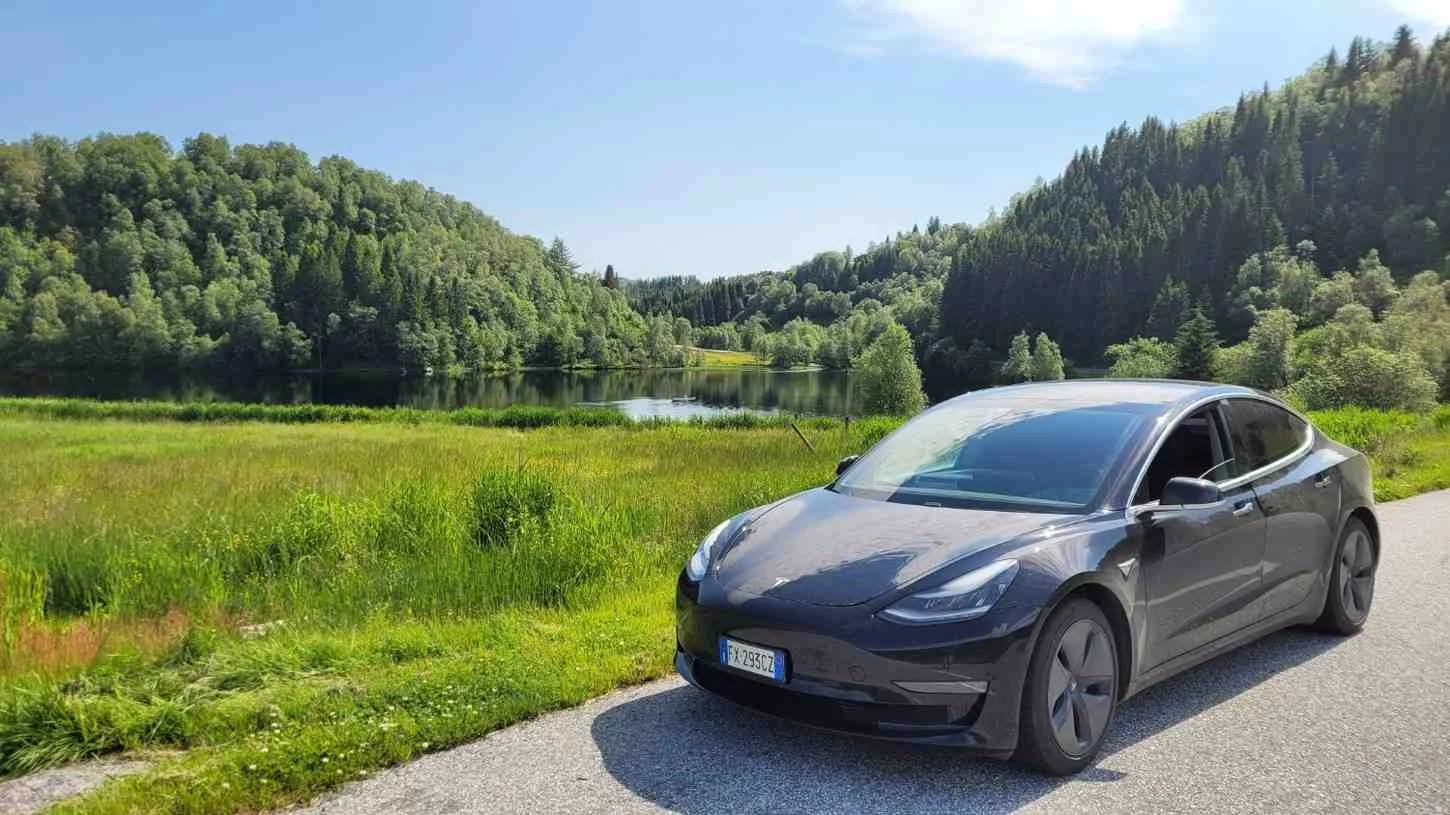
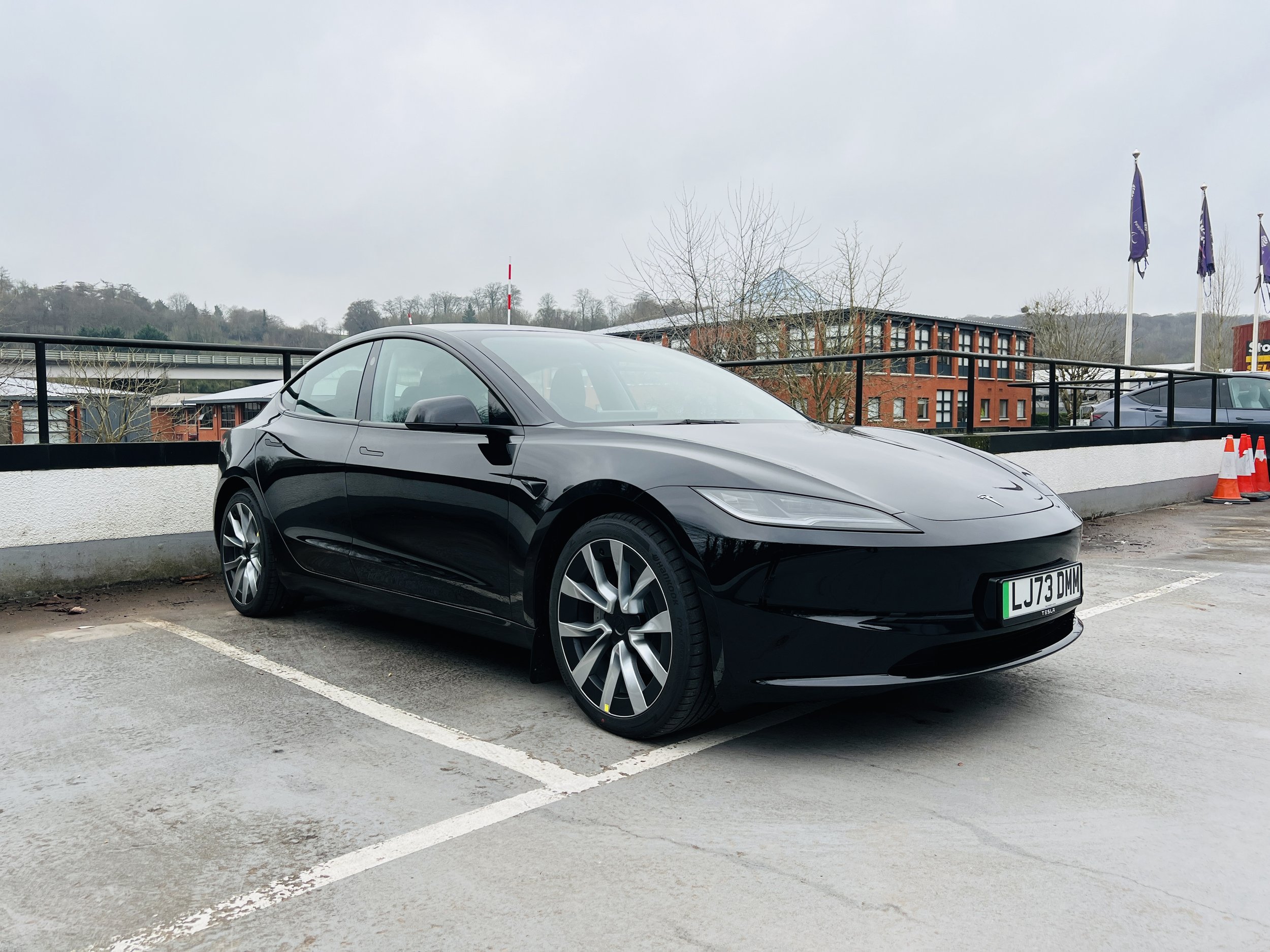
The Tesla Model 3 is a popular electric car known for its sleek style and strong performance. It aims to provide a practical and affordable option for electric vehicle buyers. Many drivers choose the Model 3 for its modern technology and efficient design.
This overview explains the car’s design, performance, and key features. Understanding these aspects helps to see if the Model 3 is reliable for long-term use.
Design And Performance
The Model 3 has a clean and simple look. Its smooth body helps with better air flow and saves energy. Inside, the cabin feels open and modern with a large touchscreen control panel.
Performance is strong across all versions. The car accelerates quickly and handles well on roads. Electric motors give instant power without noise. Battery range varies but covers most daily trips easily.
Key Features
The Model 3 offers many features focused on safety and convenience. Autopilot assists with steering and braking on highways. The car has a sturdy frame and many airbags for protection.
Charging is easy with Tesla’s Supercharger network. Software updates happen over the air, improving the car without visits to service centers. Interior features include heated seats and premium sound.
Credit: www.electriccarscheme.com
Common Reliability Concerns
Many drivers want to know about the Tesla Model 3’s reliability over time. Like all cars, it has some common issues. These concerns help buyers decide if the Model 3 fits their needs. Below are the main reliability areas people talk about.
Battery Longevity
The battery is the heart of any electric car. Tesla uses high-quality batteries, but they do lose charge slowly. Most Model 3 batteries keep good capacity for over 100,000 miles. Some loss is normal but usually small. Battery replacements are costly but not often needed early.
Electrical System Issues
Some Model 3 owners report problems with electrical parts. These include touchscreen glitches or sensor errors. Tesla often fixes these with over-the-air updates or service visits. Electrical faults are not very common but can cause inconvenience.
Software Updates Impact
Tesla sends regular software updates to improve the car. Updates add features or fix bugs. Sometimes, updates cause new problems or slowdowns. Tesla usually releases patches quickly to fix these issues. The update system keeps the car fresh but may create short-term glitches.
Real-world Owner Experiences
Many Tesla Model 3 owners share their real-world experiences online. These accounts help to understand the car’s reliability over time. Owners discuss maintenance, repairs, and overall satisfaction. Their insights provide a clearer picture beyond official specs.
Maintenance Costs
Owners report lower maintenance costs than traditional cars. Tesla Model 3 has fewer moving parts. No oil changes or spark plugs reduce expenses. Brake wear is less due to regenerative braking. Tire replacement remains a regular cost. Overall, maintenance fits within average electric vehicle budgets.
Frequent Repairs
Some owners mention minor repairs like door handles or paint issues. Battery and motor problems are rare. Software updates often fix bugs without visits. Repair experiences vary by region and usage. Many repairs are covered under warranty. Frequent major repairs are uncommon.
Customer Satisfaction
Most owners express high satisfaction with the Model 3. They appreciate smooth driving and quiet rides. The car’s technology impresses many drivers. Charging convenience adds to positive feedback. Some mention occasional quality control issues. Still, the overall happiness remains strong.

Credit: www.jdpower.com
Comparing To Other Electric Vehicles
Comparing the Tesla Model 3 to other electric vehicles helps understand its long-term reliability. Many buyers want to know if it lasts as long as its competitors. This section breaks down key points to consider. We focus on reliability benchmarks and cost of ownership to give a clearer picture.
Reliability Benchmarks
Electric vehicles have fewer moving parts than gas cars. This often means fewer repairs. Tesla Model 3 scores well in many reliability tests. It shows solid battery life and consistent performance over time. Some rivals offer similar reliability, but Tesla’s software updates keep improving the car. Certain models may face more frequent repairs or battery issues. Tesla often ranks high in owner satisfaction surveys. This reflects trust in its long-term dependability.
Cost Of Ownership
Owning a Tesla Model 3 can be cheaper over several years. Electric vehicles generally cost less in fuel and maintenance. Tesla’s battery warranty covers 8 years or 100,000 miles. Repair costs vary but can be higher for some parts. Insurance and charging expenses add to the total cost. Compared to others, Tesla’s charging network is a big benefit. This reduces range anxiety and saves time. Lower maintenance needs help keep overall costs down. Buyers should weigh initial price against these savings.
Expert Opinions And Reports
Experts and reports give clear insight into the Tesla Model 3’s long-term reliability. They study real-world data and test results to judge how well the car holds up over time. Understanding these expert views helps buyers trust their choice or reconsider it.
These opinions come from trusted sources in the auto industry. They combine professional tests and customer feedback. This mix shows a balanced picture of the Model 3’s strengths and weaknesses.
Industry Reviews
Auto industry experts praise the Tesla Model 3 for its electric performance. Many reviews highlight its smooth ride and modern tech features. Some point out occasional software glitches but say Tesla fixes them fast. Experts note the car’s battery tends to last long. They say the Model 3 stands strong against other electric vehicles in its class.
Reviewers also mention the build quality. Some find minor issues like panel gaps or trim fit. Yet, these do not affect the car’s overall reliability or safety. Industry reviews often recommend the Model 3 for drivers wanting a reliable electric sedan.
Reliability Ratings
Reliability ratings from agencies like J.D. Power and Consumer Reports help measure long-term trust. The Tesla Model 3 scores above average in many categories. Battery life and drivetrain reliability receive high marks. Some ratings show occasional electrical system faults. These issues are less common than in early Tesla models.
Consumer feedback supports these ratings. Many Model 3 owners report few serious problems after years of use. Maintenance costs tend to be lower than gas cars, thanks to fewer moving parts. Overall, reliability ratings confirm the Model 3 as a good choice for long-term use.
Credit: www.electriccarscheme.com
Tips For Ensuring Longevity
Keeping a Tesla Model 3 running well for many years needs care and attention. Small steps make a big difference in how long your car lasts. Simple habits help avoid costly repairs and keep the car safe.
Focus on regular checks and updates. These keep the Model 3 in good shape and working smoothly. The battery, tires, brakes, and software all need care to stay reliable over time.
Maintenance Best Practices
Follow Tesla’s recommended service schedule. Check fluid levels and tire pressure often. Rotate tires every 10,000 miles to ensure even wear. Brake pads last longer with gentle driving. Inspect brake performance regularly to avoid surprises.
Battery health is crucial. Avoid draining it to zero. Charge between 20% and 80% for daily use. Use fast charging sparingly, as it can wear the battery faster. Keep the car clean to protect paint and sensors from dirt.
Software Management
Keep the car’s software up to date. Tesla releases updates that fix bugs and improve features. Install updates promptly to benefit from new improvements. Regular updates can enhance battery efficiency and safety systems.
Customize settings for your driving style. Adjust autopilot and energy-saving modes for better performance. Monitor software alerts and warnings seriously. Address issues early to prevent bigger problems later.
Frequently Asked Questions
Is Tesla Model 3 Reliable For Long-term Use?
Yes, the Tesla Model 3 is considered reliable for long-term use. It has fewer mechanical parts than traditional cars. Regular software updates improve performance and safety. Battery longevity and electric motor durability contribute to its strong reliability record.
How Often Does Tesla Model 3 Need Maintenance?
Tesla Model 3 requires minimal maintenance compared to gas vehicles. Key services include tire rotation, brake fluid replacement, and cabin air filter changes. Battery and motor checks are rare. Overall, maintenance is less frequent and less costly, enhancing its long-term reliability.
What Are Common Long-term Issues With Tesla Model 3?
Common issues include occasional touchscreen glitches and door handle malfunctions. Battery degradation is minimal over time but can occur after many years. Some users report paint quality concerns. Tesla continuously improves through software updates and service support.
How Long Does Tesla Model 3 Battery Last?
Tesla Model 3 batteries typically last 300,000 to 500,000 miles. Battery capacity slowly declines, but most owners experience over 80% capacity after 8-10 years. Tesla offers warranties up to 8 years, ensuring reliable battery performance long term.
Conclusion
The Tesla Model 3 shows strong reliability over time. Many owners report few issues after years of use. Regular maintenance helps keep the car in good shape. Battery life remains solid with proper care. Repair costs are generally lower than traditional cars.
This makes the Model 3 a smart choice for long-term use. Small problems may arise, but they are often easy to fix. Overall, the Model 3 offers dependable performance for daily driving. It stands as a good option for those seeking an electric vehicle that lasts.
Disclosure: As an Amazon Associate, I may earn from qualifying purchases at no extra cost to you. Amazon and the Amazon logo are trademarks of Amazon.com, Inc, or its affiliates.
- Amazon, Amazon Prime, the Amazon logo and Amazon Prime logo are trademarks of Amazon. com, Inc. or its affiliates.

I am Sadman, the founder of CarSensorHub.com, where I share my passion for cars and technology. I specialize in writing detailed reviews and helpful guides on car gadgets, accessories, safety tools and many more. My mission is to help car owners discover the best products and tips to improve their driving experience and stay safe on the road.