Imagine your car suddenly stops working on a freezing winter night. You’re cold, maybe scared, and unsure what to do next.
Knowing how to survive a car breakdown in winter isn’t just helpful—it can keep you safe and calm when every second counts. You’ll discover simple, practical steps to protect yourself, stay warm, and get help fast. Keep reading, because being prepared can make all the difference between a tough situation and a manageable one.
Prepare Your Vehicle
Preparing your vehicle for winter is key to surviving a car breakdown. Cold weather makes cars work harder and can cause many problems. Taking time to prepare helps avoid trouble on the road. A well-prepared car can keep you safer and more comfortable if a breakdown happens.
Winterize Your Car
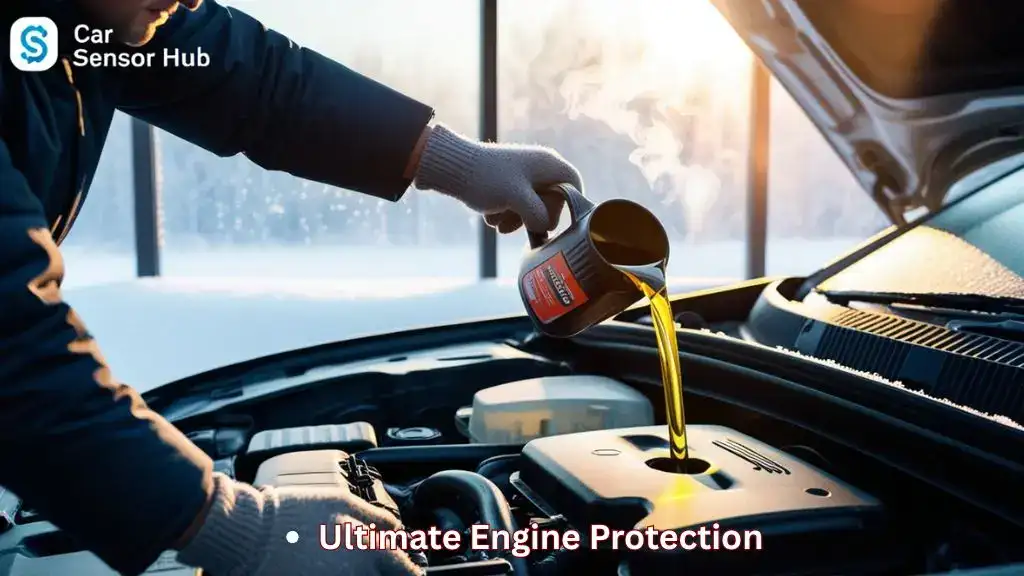
Start by changing to winter tires. They grip ice and snow better. Use the right engine oil for cold weather. Check the antifreeze level to stop the engine from freezing. Clean all windows and lights for clear vision. Replace old windshield wipers with winter ones. These steps help your car run smoothly in winter.
Check Battery And Tires
Cold weather drains battery power fast. Test your battery to see if it still holds a charge. Look for signs of wear or cracks on tires. Check tire pressure often; cold air lowers it. Proper tire pressure improves safety and fuel efficiency. Fix or replace weak batteries and worn tires before winter.
Keep Emergency Kit Ready
Carry a winter emergency kit in your car. Include warm blankets, gloves, and hats. Pack a flashlight with extra batteries. Add non-perishable snacks and bottled water. Keep a first-aid kit and basic tools. A fully charged phone power bank can help. This kit can keep you safe and calm if stranded.
Stay Calm And Assess
Experiencing a car breakdown in winter can be stressful and dangerous. Staying calm helps you think clearly and act safely. Assessing the situation carefully prevents panic and poor decisions. Follow simple steps to protect yourself and others on the road.
Pull Over Safely
Find a safe spot away from traffic. Use your turn signals to show other drivers your intent. Avoid stopping on sharp curves or narrow roads. Turn on your hazard lights to warn others. Stay inside the car if the area is unsafe.
Evaluate The Situation
Check your surroundings and weather conditions. Identify the problem if possible, like a flat tire or dead battery. Look for nearby help, such as gas stations or emergency phones. Keep your phone charged and ready to call for assistance. Stay warm and conserve your phone battery.
Avoid Risky Repairs
Do not try complex fixes outside your skill level. Cold weather increases the risk of injury during repairs. Wait for professional help if the problem is serious. Use emergency kits to stay safe until help arrives. Avoid walking far in icy or snowy conditions.

Signal For Help
Signaling for help is a key step during a winter car breakdown. It lets other drivers and rescuers know you need assistance. Clear signals can prevent accidents and speed up help.
Always make yourself visible. Winter weather can reduce sight distance. Use lights and warning devices to catch attention.
Use Hazard Lights
Turn on your hazard lights immediately. These flashing lights warn other drivers of your stopped car. They work well in fog, snow, or darkness. Keep them on until help arrives or you move to safety.
Display Warning Devices
Place reflective triangles or flares behind your car. Set them 10 to 30 feet apart for best visibility. These devices alert drivers from far away. They are especially useful in low light or bad weather. Always carry these warning tools in your car.
Contact Emergency Services
Call emergency services as soon as you can. Use your phone or a nearby help phone. Tell them your exact location and situation. Stay calm and answer their questions clearly. Help will be on the way quickly if you communicate well.
Stay Warm And Visible
Staying warm and visible during a winter car breakdown is very important. Cold weather can cause serious health problems fast. Being visible helps rescuers find you quickly. Follow these simple steps to protect yourself.
Dress In Layers
Wear several layers of clothing. Layers trap heat better than one thick item. Start with a thin, tight-fitting layer to keep moisture away. Add a warm middle layer like a sweater. Top it with a waterproof jacket to block wind and snow.
Cover your head, hands, and feet well. Use a hat, gloves, and warm socks. These parts lose heat quickly. Dress this way even if you plan to stay inside the car.
Use Blankets And Heat Sources
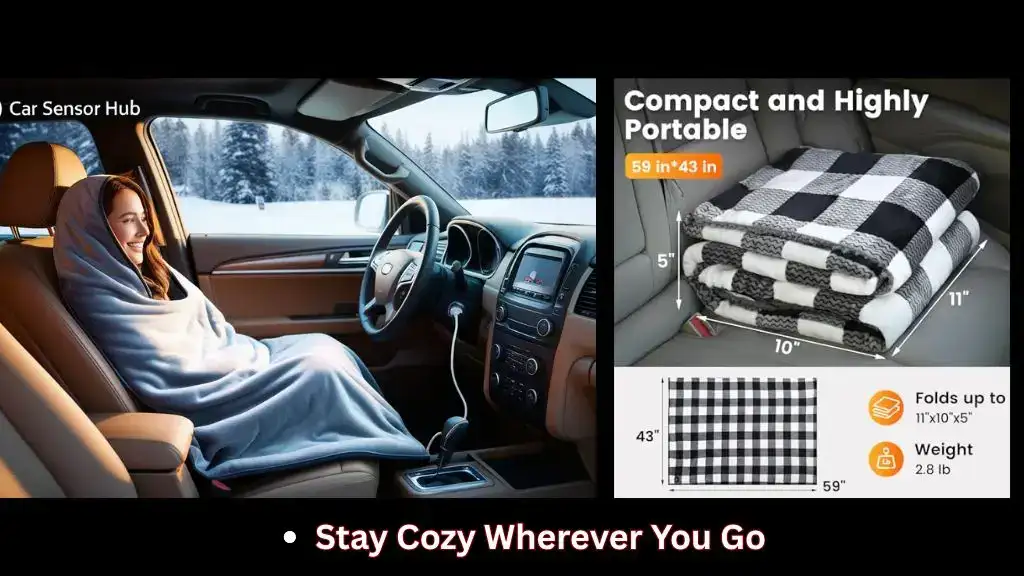
Keep blankets or sleeping bags in your car. Wrap yourself in them to keep warm. Use extra clothes like scarves or towels if needed.
If safe, use a portable hand warmer. Avoid running the car engine for heat. It can cause dangerous carbon monoxide buildup. Always follow safety rules with heat sources.
Stay Inside The Vehicle
Stay inside your car if you are stuck. It protects you from wind and snow. The car also holds your body heat better than outside air.
Keep the windows slightly open for fresh air. Turn on the car’s hazard lights to stay visible. Use a bright cloth or emergency triangle outside the car if you have one.
Prevent Carbon Monoxide Poisoning
Carbon monoxide poisoning is a serious risk during winter car breakdowns. This gas is colorless and odorless, making it hard to detect. It can build up inside the car if you run the engine without proper ventilation. Knowing how to prevent this danger can save your life.
Ventilate The Car
Keep a window slightly open to allow fresh air inside. Even a small crack helps air move and reduces carbon monoxide buildup. Avoid sealing the car completely while the engine runs. Fresh air flow is key to staying safe.
Run Engine Periodically
Turn the engine on only for short periods to keep warm. Five to ten minutes every hour is enough. This practice saves fuel and lowers carbon monoxide risk. Always turn off the engine when you do not need heat.
Avoid Exhaust Blockage
Check that the exhaust pipe is clear of snow or debris. Blocked exhaust traps carbon monoxide inside the car. Clear snow away from the tailpipe before running the engine. This simple step prevents dangerous gas buildup.
Plan For Future Breakdowns
Planning for future car breakdowns in winter is smart and can keep you safe. Winter weather is harsh and can cause many car problems. Being ready helps you handle troubles calmly and quickly. A good plan includes tools, knowledge, and communication. These simple steps make a big difference.
Keep A Charged Phone
A charged phone is your lifeline during a breakdown. Always charge your phone before a trip. Carry a portable charger or car charger as backup. A working phone lets you call for help fast. It also helps you check the weather or map your route.
Share Travel Plans
Tell someone your travel route and expected arrival time. Share details with a family member or friend. This way, someone knows where you are. If you don’t arrive on time, they can check on you. Sharing plans adds an extra layer of safety.
Learn Basic Repairs
Knowing simple car repairs saves time and stress. Learn how to change a tire and check fluid levels. Practice jump-starting a car and fixing small issues. Basic skills help you fix problems on the spot. This can prevent long waits in cold weather.
Frequently Asked Questions
What Should I Do Immediately After A Winter Car Breakdown?
Stay calm and turn on your hazard lights to alert other drivers. Move your car to a safe spot if possible. Stay inside the vehicle to keep warm and call for roadside assistance or emergency help promptly.
How Can I Keep Warm During A Winter Breakdown?
Use blankets, extra clothing, or your car’s emergency kit to stay warm. Avoid running the engine continuously to prevent carbon monoxide buildup. Keep moving your fingers and toes to maintain circulation and conserve body heat.
What Essential Items Should I Have For Winter Breakdowns?
Carry a winter emergency kit including blankets, flashlight, extra batteries, non-perishable snacks, water, a first aid kit, and a fully charged phone. Also, keep a snow shovel, ice scraper, and jumper cables in your car at all times.
How Can I Prevent A Car Breakdown In Winter?
Regularly check your battery, tires, and antifreeze levels before winter. Keep your gas tank at least half full to avoid fuel line freeze. Schedule timely maintenance and inspect your heating system to ensure reliable winter driving.
Last Thoughts
Staying calm is key during a winter car breakdown. Keep warm and stay inside your vehicle if safe. Use your emergency kit and signal for help clearly. Always tell someone your location and situation. Preparing your car before winter can prevent many problems.
Knowing these steps can keep you safe and confident. Winter driving needs care and attention at all times. Stay alert and ready for unexpected troubles on the road.
Disclosure: As an Amazon Associate, I may earn from qualifying purchases at no extra cost to you. Amazon and the Amazon logo are trademarks of Amazon.com, Inc, or its affiliates.
- Amazon, Amazon Prime, the Amazon logo and Amazon Prime logo are trademarks of Amazon. com, Inc. or its affiliates.

I am Sadman, the founder of CarSensorHub.com, where I share my passion for cars and technology. I specialize in writing detailed reviews and helpful guides on car gadgets, accessories, safety tools and many more. My mission is to help car owners discover the best products and tips to improve their driving experience and stay safe on the road.