To determine if the mass air flow sensor is dirty, check for rough idling and decreased fuel efficiency. A visual inspection of the sensor can also reveal dirt or debris accumulation.
The mass air flow sensor plays a crucial role in your vehicle’s performance by measuring the amount of air entering the engine. A dirty sensor can lead to issues such as rough idling and reduced fuel efficiency. We will explore the indicators of a dirty mass air flow sensor and learn how to effectively detect and address this common automotive problem.
Understanding the signs of a dirty mass air flow sensor can help you maintain the optimal performance of your vehicle and prevent potential engine issues. Let’s delve into the key indicators and solutions for dealing with a dirty mass air flow sensor.
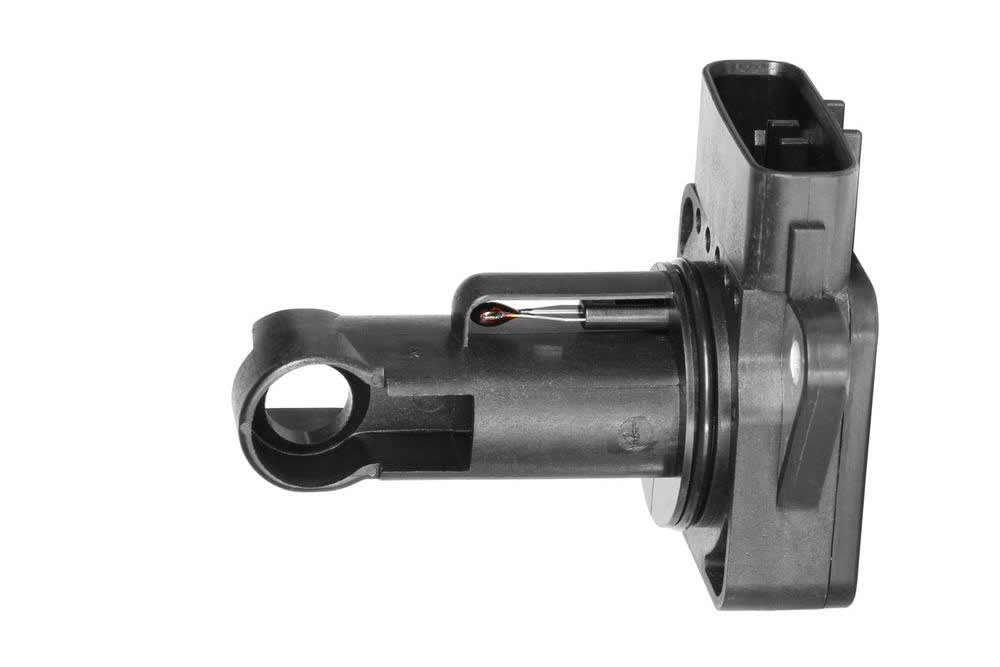
Credit: www.yourmechanic.com
What Is A Mass Air Flow Sensor?
A Mass Air Flow Sensor (MAF) is a crucial component in modern vehicles, responsible for accurately determining the amount of air entering the engine. By measuring this, the MAF sensor ensures the correct fuel-air mixture for efficient combustion, leading to optimal engine performance and emission control.
Read More: What Does Mass Air Flow Sensor Cleaner Do
Function Of A Mass Air Flow Sensor
The function of a Mass Air Flow Sensor is to measure the amount of air entering the engine. It then sends this data to the vehicle’s computer, which uses it to determine the necessary fuel injection for combustion. This directly impacts the engine’s performance and emissions, so a properly functioning MAF sensor is essential.
Importance Of A Clean Mass Air Flow Sensor
A clean Mass Air Flow Sensor is essential as any dirt or debris on the sensor can lead to inaccurate readings. This can result in a poor fuel-air mixture, causing issues like rough idling, a decrease in fuel efficiency, and a reduction in engine power. Regular maintenance and cleaning of the MAF sensor are therefore crucial for optimal vehicle performance and longevity.
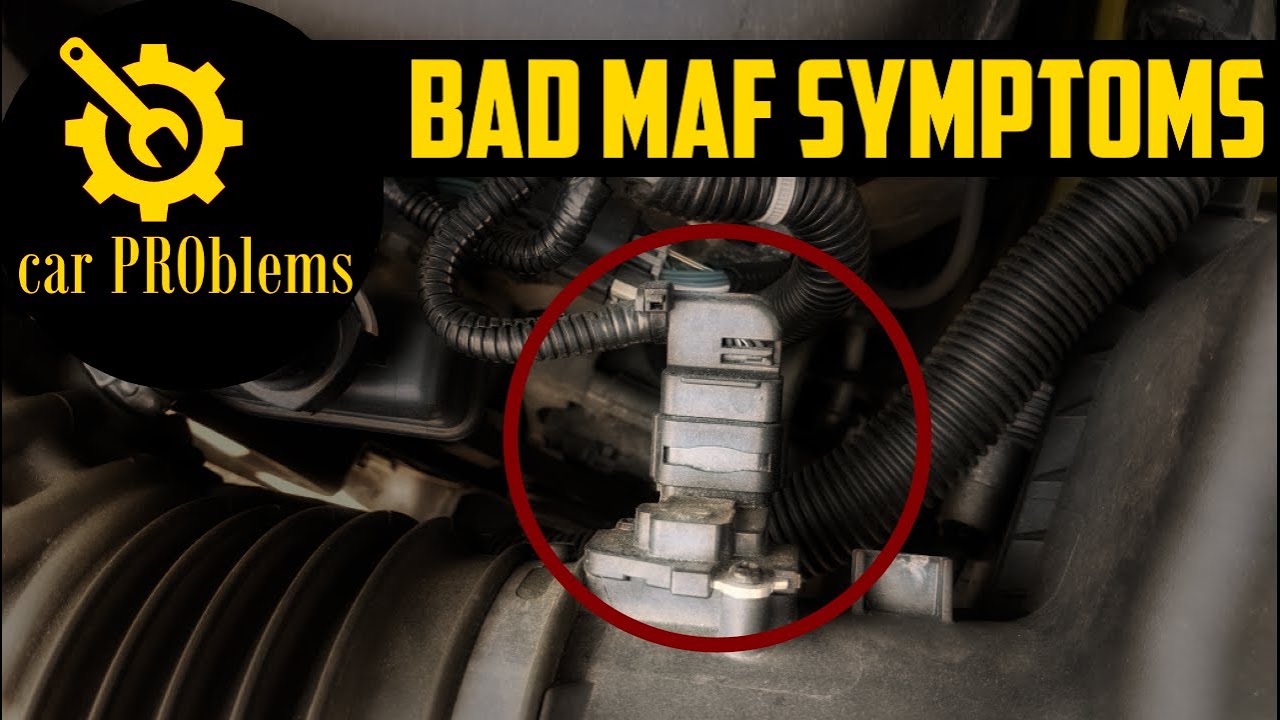
Credit: www.youtube.com
Signs Of A Dirty Mass Air Flow Sensor
A dirty mass airflow (MAF) sensor can significantly impact your vehicle’s performance and fuel efficiency. Recognizing the signs of a dirty MAF sensor can help you address potential issues before they escalate, saving you time and money in the long run.
Decreased Engine Performance
A dirty MAF sensor can lead to decreased engine performance, causing issues such as rough idling, stalling, or hesitation during acceleration. These symptoms indicate that the engine isn’t receiving the correct air-to-fuel ratio, resulting in compromised power and efficiency.
Poor Fuel Efficiency
When the mass air flow sensor is dirty, the engine’s ability to measure air intake accurately is compromised, leading to an imbalance in the air-to-fuel ratio. This can result in poor fuel efficiency, causing increased fuel consumption and higher costs at the pump.
How To Inspect And Clean A Mass Air Flow Sensor
Regular maintenance of your vehicle is crucial to ensure its optimal performance. One often overlooked component that plays a significant role in the engine’s efficiency is the Mass Air Flow (MAF) sensor. Over time, dirt and debris can accumulate on the sensor, affecting its accuracy and leading to various performance issues. In this guide, we will walk you through the process of inspecting and cleaning a mass air flow sensor to help keep your vehicle running smoothly.
Preparing For The Inspection
Before inspecting and cleaning the Mass Air Flow sensor, it is important to gather the necessary tools and materials. Here’s what you’ll need:
- Protective gloves
- Safety glasses
- Electrical contact cleaner
- Clean microfiber cloth
Locating The Mass Air Flow Sensor
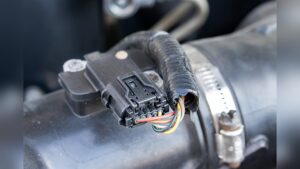
The next step is to locate the Mass Air Flow sensor. Depending on your vehicle’s make and model, the sensor is typically located between the air filter box and the throttle body. It may be secured with screws or clips, so keep a screwdriver or pliers handy to remove any fasteners. If you’re having trouble finding it, consult your vehicle’s owner’s manual or search online for specific instructions pertaining to your vehicle.
Cleaning The Mass Air Flow Sensor
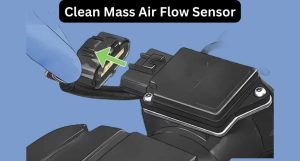
Now that you’ve located the Mass Air Flow sensor, it’s time to clean it. Follow these steps:
- Start by disconnecting the electrical connector attached to the sensor. This is usually done by pressing a tab and gently pulling the connector away.
- Using a clean microfiber cloth, carefully wipe away any visible dirt or debris from the sensor. Be gentle to avoid damaging the delicate components.
- To clean the sensor more thoroughly, it is recommended to use an electrical contact cleaner. Spray the cleaner directly onto the sensor, ensuring complete coverage.
- Allow the cleaner to evaporate for a few minutes. Do not wipe or blow on the sensor, as this can cause damage.
- Reconnect the electrical connector to the sensor, ensuring it is securely fastened.
With the Mass Air Flow sensor now inspected and cleaned, you can reassemble any components you removed during the process. It is advisable to start the engine and check for any improvements in performance. If you notice any issues persisting, it may be a sign of a more serious problem and professional assistance should be sought.
Regularly inspecting and cleaning the Mass Air Flow sensor is a simple yet effective way to maintain your vehicle’s performance and fuel efficiency. By following these steps, you can ensure that your engine receives accurate air flow readings and continues to operate at its best.
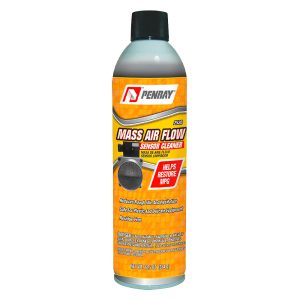
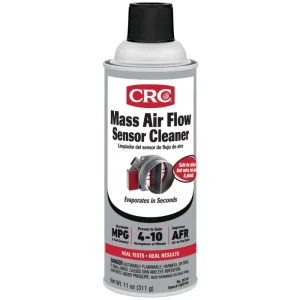
- Thinking to buy MAF Cleaner? but don’t know which one to buy? We tested and listed the best Mass Airflow Sensor Cleaner real results.
Precautions And Best Practices
When it comes to determining if your mass air flow sensor is dirty, there are a few precautions and best practices to keep in mind. Look out for symptoms like reduced engine performance, hesitation during acceleration, and a decrease in fuel efficiency to gauge the condition of the sensor accurately.
Regular maintenance and cleaning can ensure optimal sensor function and improve overall vehicle performance.
Avoiding Damage To The Sensor
Keeping your mass airflow (MAF) sensor clean is crucial for optimal engine performance. However, it’s important to take some precautions to avoid damaging the sensor during the cleaning process. By following these best practices, you can ensure that your MAF sensor stays in top condition:
- Start by turning off the engine and disconnecting the negative terminal of the car battery. This will prevent any electrical mishaps while handling the sensor.
- Take special care when removing the sensor from the air intake duct. Use the appropriate tools, such as a screwdriver or socket wrench, to gently loosen any clamps or fasteners securing the MAF sensor.
- Use a clean, lint-free cloth and a small amount of MAF sensor cleaner or electrical contact cleaner to gently wipe away any dirt or debris from the sensor. Avoid using compressed air or any other abrasive materials, as they can cause damage to the delicate sensor components.
- When cleaning the sensor, be careful not to touch the delicate wire element inside. The wire is sensitive and can be easily damaged. Avoid using excessive force or any sharp objects that could bend or break the wire.
- Allow the sensor to dry completely before reinstalling it back into the air intake duct. This will help prevent any residue from interfering with the sensor’s performance.
Ensuring Proper Reinstallation
After cleaning the mass air flow (MAF) sensor, it’s crucial to ensure its proper reinstallation to maintain accurate airflow measurements. Here are some important steps to follow when reinstalling the sensor:
- Inspect the O-ring or gasket that seals the MAF sensor to the air intake duct. If it shows any signs of damage or wear, replace it with a new one to ensure a proper seal.
- Carefully align the MAF sensor with the air intake duct and insert it back into place. Make sure that it is securely seated and that all clamps or fasteners are tightened properly.
- Double-check that all electrical connectors are securely reattached. Any loose connections can lead to inaccurate readings and potentially harm the sensor.
- Before starting the engine, reconnect the negative terminal of the car battery. This will restore power to the MAF sensor and allow it to function correctly.
By following these precautions and best practices, you can clean and reinstall your mass air flow sensor without causing any damage. Regular maintenance of the MAF sensor will help ensure your engine operates at its best and avoids any potential issues caused by a dirty or malfunctioning sensor.
When To Seek Professional Help
While cleaning the mass air flow (MAF) sensor can often resolve issues related to dirt and debris, there are certain situations in which professional help should be sought. It is important to be aware of these circumstances to avoid any potential damage to the sensor or to ensure the problem is properly diagnosed and resolved.
Persistent Issues After Cleaning
If you have cleaned the MAF sensor and are still experiencing persistent issues with your vehicle’s performance, it may be necessary to seek professional help. This could indicate that the sensor is damaged or there is an underlying issue that requires expert attention. Professional technicians have the skills and equipment to diagnose and address complex problems that go beyond routine cleaning.
Lack Of Technical Expertise
Even though cleaning the MAF sensor is a relatively simple task, it does require some technical knowledge and cautious handling. If you lack the technical expertise or confidence to properly clean or troubleshoot the sensor, it is advisable to seek professional help. Attempting to clean the sensor without the necessary knowledge can lead to further complications or even damage to other components of your vehicle.
Professional technicians have the necessary experience and tools to handle the cleaning process efficiently and safely. Their expertise ensures that the MAF sensor is correctly cleaned without any risk of damage, prolonging the lifespan of the sensor and maintaining the optimal performance of your vehicle.
Frequently Asked Questions Of How To Know If Mass Air Flow Sensor Is Dirty
How Do You Know If Your Mass Air Flow Sensor Is Dirty?
If your car is displaying symptoms like reduced fuel efficiency, rough idling, or difficulty starting, your mass air flow sensor might be dirty. You can also visually inspect it for any dirt or debris buildup. Another way to determine if it’s dirty is by using a mass air flow sensor cleaner, which can help remove any contamination.
Can A Dirty Mass Air Flow Sensor Cause A Check Engine Light?
Yes, a dirty mass air flow sensor can cause the check engine light to come on. When the sensor becomes dirty or contaminated, it can send incorrect readings to the engine control unit (ECU), leading to poor performance and triggering the check engine light.
Cleaning or replacing the sensor can usually resolve the issue and turn off the check engine light.
How Often Should You Clean Your Mass Air Flow Sensor?
It is recommended to clean your mass air flow sensor every 12,000 to 15,000 miles or once a year, whichever comes first. However, if you notice reduced performance or other symptoms of a dirty sensor, you should clean it sooner.
Regular cleaning will help ensure the sensor functions properly and keeps your engine running smoothly.
Conclusion
To conclude, a dirty mass air flow sensor can cause various performance issues in your vehicle, such as decreased fuel efficiency and power loss. By keeping an eye out for common signs like check engine light illumination, rough idling, or irregular acceleration, you can identify if your mass air flow sensor needs cleaning.
Regular maintenance and cleaning of this crucial component can help ensure optimal engine performance and prolong the lifespan of your vehicle. Take the necessary steps to keep your mass air flow sensor clean, and enjoy a smoother and more efficient driving experience.
Disclosure: As an Amazon Associate, I may earn from qualifying purchases at no extra cost to you. Amazon and the Amazon logo are trademarks of Amazon.com, Inc, or its affiliates.
- Amazon, Amazon Prime, the Amazon logo and Amazon Prime logo are trademarks of Amazon. com, Inc. or its affiliates.

I am Sadman, the founder of CarSensorHub.com, where I share my passion for cars and technology. I specialize in writing detailed reviews and helpful guides on car gadgets, accessories, safety tools and many more. My mission is to help car owners discover the best products and tips to improve their driving experience and stay safe on the road.