Keeping your Chevrolet Tahoe running smoothly means paying close attention to its coolant levels. If your engine overheats, it can cause serious damage and costly repairs.
But checking your coolant isn’t as hard as you might think. In this guide, you’ll learn simple steps to check your Tahoe’s coolant levels quickly and safely. By knowing exactly what to do, you’ll save time, avoid unexpected breakdowns, and protect your vehicle.
Ready to keep your Tahoe in top shape? Let’s dive in.

Credit: www.bayerchevy.com
Locate The Coolant Reservoir
Locating the coolant reservoir is the first step in checking your Chevrolet Tahoe’s coolant level. This container holds the extra coolant your engine needs to stay cool. It connects to the radiator and collects coolant as it expands and contracts.
Knowing where the reservoir is helps you keep your engine safe from overheating. The reservoir is usually a clear plastic tank, easy to spot under the hood. Finding it quickly saves time and helps you check coolant levels regularly.
Identify The Reservoir Cap
The reservoir cap is usually round and marked with a warning symbol. Look for a symbol that looks like a thermometer or waves. It might say “coolant” or “engine coolant” on or near the cap.
The cap is often located on top of the reservoir or slightly to the side. It is important not to open this cap when the engine is hot. Wait for the engine to cool down to avoid burns.
Check For Coolant Level Markings
The reservoir has markings on its side showing the minimum and maximum coolant levels. These marks help you see if the coolant is low without opening the cap. The coolant should be between these two marks.
Look through the clear plastic to see the liquid inside. If the coolant is below the minimum mark, you need to add more. Make sure to use the right coolant type for your Chevrolet Tahoe.

Credit: www.youcanic.com
Prepare The Vehicle
Preparing your Chevrolet Tahoe before checking the coolant level is important. It helps you avoid injuries and get accurate readings. Taking a few simple steps makes the process safe and easy.
Ensure The Engine Is Cool
Never open the radiator cap when the engine is hot. Hot coolant can spray out and cause burns. Wait at least 30 minutes after turning off the engine. Touch the hood to check if it feels cool. This step keeps you safe while checking the coolant.
Park On A Level Surface
Park your Tahoe on a flat and level surface. This helps the coolant settle evenly in the radiator and reservoir. Avoid slopes or uneven ground for accurate coolant levels. Use the parking brake to keep the vehicle stable.
Check Coolant Level
Checking the coolant level in your Chevrolet Tahoe is important for engine health. Coolant keeps the engine from overheating. It also prevents freezing in cold weather. Regular checks help avoid costly repairs.
Make sure the engine is cool before opening the coolant reservoir. Hot coolant can cause burns. Once cool, you can safely check the level.
Read The Level Against Markings
Locate the coolant reservoir under the hood. It is a translucent plastic tank. Look for “Full” and “Low” marks on the side. The coolant level should be between these marks.
If the level is below the “Low” mark, more coolant is needed. Do not fill above the “Full” mark. Overfilling can cause damage.
Identify Low Coolant Signs
Watch for warning signs of low coolant. The temperature gauge may rise quickly. Steam or a sweet smell might appear from the engine. The heater might stop blowing warm air.
Low coolant can cause engine overheating. Address these signs immediately. Check and top off the coolant to keep your Tahoe running well.
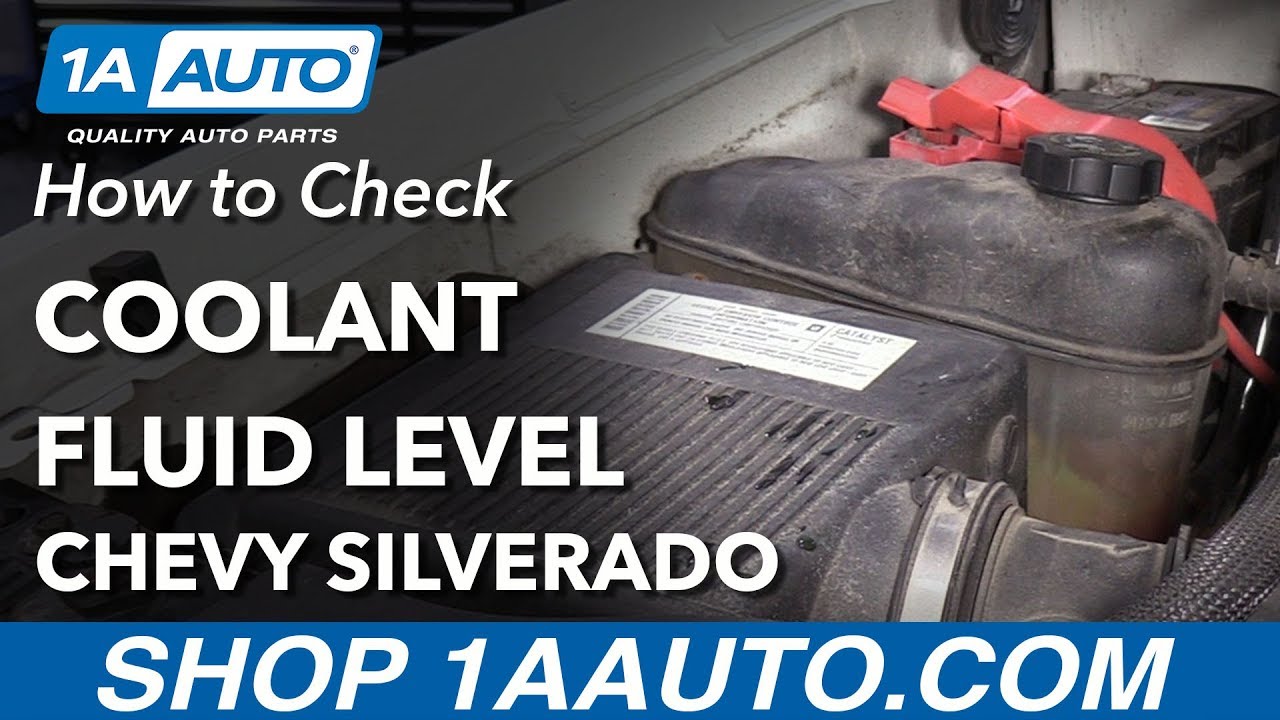
Credit: www.youtube.com
Add Coolant Safely
Adding coolant to your Chevrolet Tahoe keeps the engine cool and running well. Doing it safely protects you and your vehicle. Follow simple steps to avoid spills and burns. Always handle coolant with care.
Check the coolant level only when the engine is cold. Hot coolant can cause serious burns. Use gloves and eye protection to stay safe.
Choose The Right Coolant Type
Use the coolant type recommended by Chevrolet. The owner’s manual shows the correct type. Using the wrong coolant can damage the engine. Most Tahoes need a specific type of antifreeze. Avoid mixing different coolant types.
Fill To Recommended Level
Open the coolant reservoir cap slowly. Pour coolant into the reservoir carefully. Fill only to the “Full” or “Max” mark. Overfilling can cause leaks or damage. After filling, close the cap tightly. Check the level again after running the engine.
Inspect For Leaks
Inspecting for leaks is a key step in checking your Chevrolet Tahoe’s coolant levels. Leaks can cause coolant to drop quickly. Small leaks are easy to miss but can lead to engine problems if ignored. Regular checks help keep your cooling system in good shape.
Look For Visible Signs
Check under the vehicle for puddles or wet spots. Coolant is usually bright green, orange, or pink. Look around the radiator, hoses, and water pump for wet areas. Stains or crusty residue near these parts can mean a leak. Also, watch for steam or a sweet smell under the hood.
Monitor Coolant Level Over Time
Keep an eye on the coolant level in the reservoir. Mark the level after filling it. Check it again every few days. A steady drop means a leak is present. Note how fast the level falls. Fast drops need immediate attention to avoid overheating.
Maintain Coolant System
The coolant system keeps your Chevrolet Tahoe’s engine cool. It stops the engine from overheating. Proper care of this system is very important. Checking and maintaining coolant levels help your vehicle run smoothly.
Neglecting the coolant system can cause engine damage. Regular maintenance saves money and extends engine life. Let’s explore how to keep the coolant system in top shape.
Regular Checks Schedule
Check the coolant level at least once a month. Do this when the engine is cold to avoid burns. Look at the coolant reservoir tank. It has marks showing the minimum and maximum levels.
Top off the coolant if it is below the minimum mark. Use the coolant type recommended by Chevrolet. Avoid opening the radiator cap when the engine is hot.
When To Flush And Replace Coolant
Flush the coolant system every 2 to 3 years or 30,000 miles. This removes dirt and old coolant that can harm the engine. Replace the coolant with fresh fluid after flushing.
Check your owner’s manual for the exact interval. Watch for signs like overheating or discolored coolant. These mean it is time to flush and replace the coolant.
Frequently Asked Questions
How Do I Check Coolant Level In A Chevy Tahoe?
Open the hood and locate the coolant reservoir. Check the fluid level against the “Full” and “Low” marks. Ensure the engine is cool before checking to avoid burns.
When Should I Check The Coolant Level In My Tahoe?
Check coolant levels regularly, ideally once a month. Also, inspect before long trips to prevent overheating and maintain engine health.
What Type Of Coolant Does Chevrolet Tahoe Require?
Use Dex-Cool antifreeze for Chevrolet Tahoe. It’s designed to protect the engine and cooling system from corrosion and freezing.
Can Low Coolant Cause Chevrolet Tahoe To Overheat?
Yes, low coolant reduces heat absorption, causing the engine to overheat. Regular checks prevent costly engine damage and breakdowns.
Conclusion
Checking the coolant level in your Chevrolet Tahoe keeps the engine safe. Regular checks help avoid overheating and costly repairs. Always wait for the engine to cool before opening the reservoir. Use the dipstick or sight glass to see the coolant level clearly.
Keep the fluid between the minimum and maximum marks. This simple step saves time and money in the long run. Stay safe on the road by maintaining your vehicle’s coolant properly. Small efforts like this make a big difference. Easy to do, important to remember.
Disclosure: As an Amazon Associate, I may earn from qualifying purchases at no extra cost to you. Amazon and the Amazon logo are trademarks of Amazon.com, Inc, or its affiliates.
- Amazon, Amazon Prime, the Amazon logo and Amazon Prime logo are trademarks of Amazon. com, Inc. or its affiliates.

I am Sadman, the founder of CarSensorHub.com, where I share my passion for cars and technology. I specialize in writing detailed reviews and helpful guides on car gadgets, accessories, safety tools and many more. My mission is to help car owners discover the best products and tips to improve their driving experience and stay safe on the road.


