If you’ve lifted your Jeep Wrangler JL and swapped in bigger tires, you might notice your speedometer acting funny or your fuel efficiency dropping. That’s because your Jeep’s computer needs to know the new tire size to keep everything running smoothly.
Calibrating your tire size after a lift isn’t just a quick tweak—it’s essential for accurate speed readings, better performance, and avoiding costly damage. In this guide, you’ll learn exactly how to adjust your Jeep’s settings step-by-step, so you can get back on the road with confidence and precision.
Keep reading to make sure your Wrangler handles every mile just right.
Why Tire Calibration Matters
Calibrating tire size after lifting a Jeep Wrangler JL keeps the speedometer accurate. Bigger tires make the speedometer show lower speeds than actual. This can lead to speeding tickets or unsafe driving. Correct calibration fixes this issue and shows true speed.
Tire size affects how the vehicle drives. Wrong calibration can cause poor fuel mileage and uneven tire wear. It may also affect the traction control and ABS systems. Proper calibration helps the Jeep perform better and saves money on repairs.
Safety is very important. Incorrect tire size data can confuse safety systems. This can reduce braking efficiency or stability control. Calibrating the tires ensures these features work correctly. It keeps the driver and passengers safer on the road.
Signs You Need Calibration
Incorrect speed readings are a common sign that tire size calibration is needed. The speedometer may show a faster or slower speed than actual. This happens because the vehicle’s computer still thinks the old tire size is on the Jeep.
Transmission shifting issues can also occur. The Jeep might shift too early or too late. This happens because the system relies on speed data to decide when to shift gears. Wrong tire size can confuse it.
Warning lights activation on the dashboard is another clear sign. The ABS or traction control light may turn on. These systems use wheel speed sensors that get affected by tire size changes. Calibration helps fix this problem.
Tools And Equipment Needed
To calibrate the tire size on a Jeep Wrangler JL after a lift, certain tools and equipment are essential. An OBD2 scanner helps read and clear vehicle codes. It connects to the Jeep’s computer for accurate data access.
Calibration software is needed to adjust the tire size in the vehicle’s system. This software works with the OBD2 scanner to update settings quickly.
Basic hand tools like screwdrivers, wrenches, and pliers are required for removing and adjusting parts. These tools help access sensors and secure components during the process.
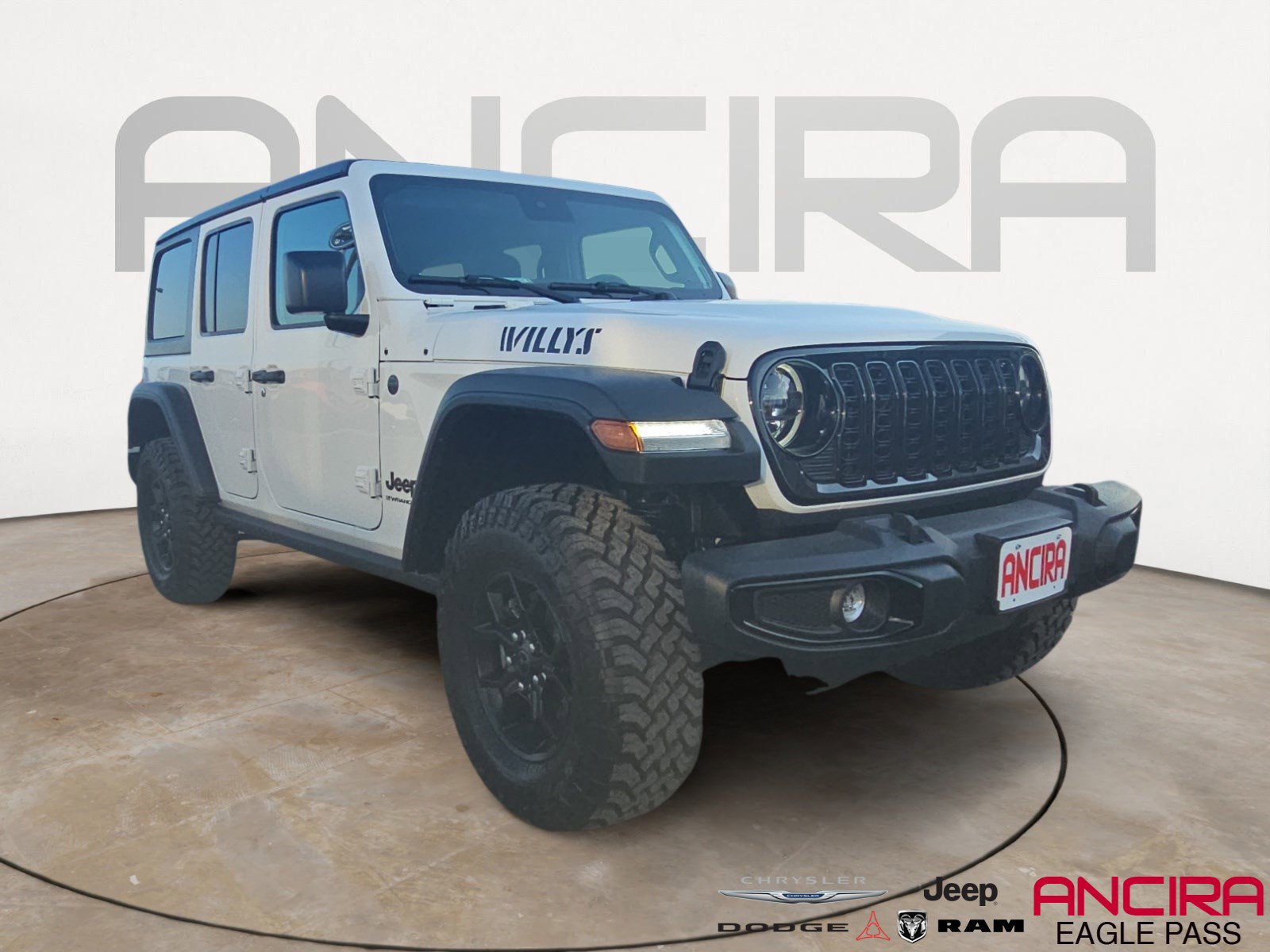
Credit: www.ancirachryslerdodgejeepram.com
Preparing Your Jeep Wrangler Jl
Start by checking the current tire size on your Jeep Wrangler JL. This helps to know what needs changing after the lift. Use a tape measure to find the height of the lift. This number shows how much space you have for bigger tires. Inspect tire pressure before and after changing tires. Proper pressure keeps your Jeep safe and running well. Write down all measurements to use later for calibration. These simple steps prepare your Jeep for the next changes.
Step-by-step Calibration Process
Start by connecting a scan tool or tuning device to the Jeep Wrangler JL’s OBD-II port. This lets you access the ECU settings where tire size data is stored. Navigate to the section that shows current tire dimensions.
Next, enter the new tire size numbers carefully. Include tire diameter, width, and wheel size. These values must match your lifted tires to keep speedometer accuracy and traction control working right.
Finally, save the changes in the ECU. Turn off the ignition and restart the vehicle to let it register new settings. Use the scan tool to verify the new tire size data is active and correct. This step ensures your Jeep runs smoothly after the lift.

Credit: www.youtube.com
Using Aftermarket Devices
Tire size programmers help your Jeep Wrangler JL adjust speedometer and odometer readings. They work by sending new signals to the vehicle’s computer. This matches the larger tires after a lift. Installation is simple and usually plugs into the OBD-II port. Programmers let you set the exact tire diameter for accurate speed display.
Speedometer correction modules also fix speed and distance errors. They connect between the vehicle sensors and the speedometer. These modules change the signal to match the new tire size. This keeps your speedometer reading correct on bigger tires. Both devices improve driving safety and avoid speed ticket problems.
Common Calibration Mistakes
Incorrect tire measurements cause wrong calibration. Measure tires carefully using a tape measure. Check tire width, height, and diameter. Using wrong numbers leads to bad speedometer readings and poor performance.
Ignoring software updates can cause calibration errors. Jeep software often needs updates after lifts or tire changes. Updates help the vehicle recognize the new tire size properly. Skipping updates may cause warning lights or wrong data.
Skipping test drives after calibration is risky. Test drives help confirm the new settings work well. They show if speed and handling feel right. Always drive a short distance to check calibration accuracy before regular use.
Maintaining Calibration Over Time
Check your tires regularly for signs of wear or damage. Make sure the tire pressure is at the recommended level. Uneven wear can affect how your Jeep drives and handles.
After changing tires, always recalibrate your Jeep’s system. This keeps the speedometer and odometer accurate. It also helps your vehicle’s safety features work properly.
Watch how your Jeep performs on different roads. Notice any changes in handling, braking, or fuel use. These can signal the need for recalibration or tire checks.

Credit: jksmfg.com
Frequently Asked Questions
How Do I Recalibrate Tire Size On Jeep Wrangler Jl?
To recalibrate, access the Jeep’s Uconnect system. Navigate to the tire size settings and input the new dimensions. This ensures accurate speedometer and odometer readings after a lift and tire upgrade.
Why Is Tire Size Calibration Important After Lift?
Calibration maintains accurate speed and distance data. It prevents speedometer errors and maintains vehicle safety. Proper calibration also improves fuel efficiency and ensures the correct function of safety systems.
Can I Recalibrate Tire Size Without Dealership Help?
Yes, many owners recalibrate tire size using Uconnect or aftermarket tuners. Follow your vehicle’s manual for steps. Professional tools or apps can also assist if you prefer a DIY approach.
What Tools Are Needed To Calibrate Jeep Wrangler Jl Tires?
Typically, the Uconnect system or a compatible OBD2 scanner with tire calibration features is needed. Some may use mobile apps linked to OBD2 devices. No special mechanical tools are required for software calibration.
Conclusion
Calibrating tire size on your Jeep Wrangler JL after a lift keeps your speedometer accurate. It also helps maintain proper vehicle handling and fuel efficiency. Small changes can make a big difference in performance and safety. Follow the steps carefully to avoid errors.
Regular checks ensure your tires stay balanced with your lift. This simple task improves your driving experience. Keep your Jeep ready for any adventure with the right tire calibration.
Disclosure: As an Amazon Associate, I may earn from qualifying purchases at no extra cost to you. Amazon and the Amazon logo are trademarks of Amazon.com, Inc, or its affiliates.
- Amazon, Amazon Prime, the Amazon logo and Amazon Prime logo are trademarks of Amazon. com, Inc. or its affiliates.

I am Sadman, the founder of CarSensorHub.com, where I share my passion for cars and technology. I specialize in writing detailed reviews and helpful guides on car gadgets, accessories, safety tools and many more. My mission is to help car owners discover the best products and tips to improve their driving experience and stay safe on the road.