Are you curious about how long the Tesla Model 3 battery really lasts? If you’re thinking about buying one or already own it, knowing the battery’s lifespan can save you time, money, and worry.
Your battery’s health affects everything—from how far you can drive to how much you spend on maintenance. You’ll discover the truth behind Tesla Model 3 battery life, what factors can shorten or extend it, and tips to keep your battery in top shape for years.
Keep reading to get the answers you need before your next drive.
Tesla Model 3 Battery Basics
The Tesla Model 3 battery is a key part of the car’s performance. It powers the vehicle and affects how far it can drive on a single charge. Understanding the battery basics helps to know how long it will last and how it works.
This section covers the type of battery Tesla uses and its special design features. These details explain why the Model 3 is popular among electric car buyers.
Battery Type And Capacity
The Tesla Model 3 uses lithium-ion batteries. These batteries are common in electric cars. They store a large amount of energy in a small space. The capacity varies by model and can range from 50 to 82 kWh. Higher capacity means the car can travel farther on one charge.
These batteries are designed to last many years. Tesla offers warranties that cover battery life up to 8 years or 100,000 to 120,000 miles. This gives owners peace of mind about battery reliability.
Battery Design Features
The Model 3 battery pack is made of thousands of small cells. These cells work together to provide power and efficiency. Tesla uses advanced cooling systems to keep the battery at the right temperature. This helps prevent damage and extends battery life.
The battery pack is placed low in the car. This improves the car’s balance and handling. The design also protects the battery in case of accidents. Tesla constantly improves the battery technology to increase safety and performance.

Credit: ev-lectron.com
Factors Affecting Battery Lifespan
The lifespan of a Tesla Model 3 battery depends on several key factors. These factors influence how long the battery stays healthy and efficient. Understanding them helps you care for your battery better. Each factor plays a role in the battery’s overall performance and durability.
Charging Habits
How you charge your Tesla Model 3 affects battery life. Frequent fast charging can wear the battery faster. Charging to 100% all the time may reduce its capacity over time. Keeping the battery charge between 20% and 80% can help it last longer. Slow, regular charging is usually best for battery health.
Driving Patterns
Driving style impacts battery lifespan. Aggressive acceleration and high speeds drain the battery quicker. Short trips with frequent stops can cause more battery wear. Smooth, steady driving helps preserve battery health. Avoiding constant heavy loads can extend battery life.
Climate Impact
Extreme temperatures affect Tesla Model 3 batteries. Very hot or cold weather can reduce battery efficiency. Cold weather slows down charging and lowers range temporarily. Heat can cause faster battery aging. Parking in shaded or temperature-controlled areas helps protect the battery.
Software Updates
Tesla regularly releases software updates for battery management. These updates improve battery efficiency and safety. They can optimize charging and energy use. Keeping your car’s software up to date supports longer battery life. Tesla’s updates help maintain the battery’s performance over time.
Expected Battery Longevity
The expected battery longevity of the Tesla Model 3 is an important factor for many buyers. It helps to know how long the battery will last before needing replacement. Battery life depends on many things like mileage, time, and usage habits.
Understanding these factors gives a clearer picture of what to expect from the Model 3’s battery over time. This section breaks down the typical mileage, time-based wear, and real-world data.
Typical Mileage Range
Tesla Model 3 batteries usually last between 300,000 and 500,000 miles. This range depends on driving conditions and charging habits. Most drivers see good performance for about 8 to 10 years under normal use. The battery capacity may slowly reduce but still holds enough charge for daily driving.
Time-based Degradation
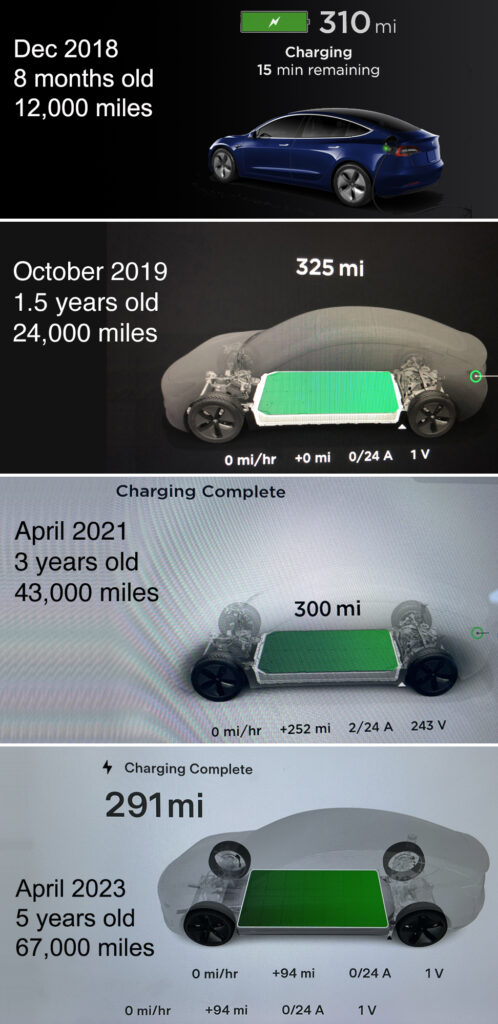
Battery capacity decreases naturally over time. Tesla batteries lose about 5% of their capacity in the first year. After that, the rate of loss slows down. Over 8 years, the battery may lose 10 to 15% of its original range. This slow decline does not usually affect daily driving needs.
Real-world Performance Data
Many Tesla owners report strong battery performance after several years. Data shows batteries keep more than 80% of their capacity after 100,000 miles. Drivers often experience only a small drop in range after heavy use. Real-world results confirm Tesla’s battery longevity claims.
Credit: www.reddit.com
Signs Of Battery Wear
Over time, the Tesla Model 3 battery can show signs of wear. These signs help you know when the battery is not at its best. Watching out for these clues can keep your car running smoothly.
Reduced Range
The most common sign of battery wear is reduced driving range. Your Model 3 may travel fewer miles on a full charge. This drop happens as the battery loses capacity. Noticeable range loss often means the battery needs attention.
Charging Speed Changes
Battery wear can slow down charging speed. Charging may take longer than before. The car might not accept fast charging as easily. This change can indicate the battery is aging or has some issues.
Performance Issues
Battery wear can affect car performance. The Model 3 may feel less powerful or responsive. Acceleration might not be as quick. These problems often link to battery health and energy output.
Extending Battery Life
Extending the battery life of your Tesla Model 3 helps keep your car running longer. Batteries wear out over time, but proper care slows this process. Small daily habits make a big difference.
Follow simple steps to protect your battery and enjoy more miles between charges. These tips help you save money and reduce battery replacement needs.
Optimal Charging Practices
Charge your Model 3 regularly but avoid full 100% charges daily. Set the charge limit to 80-90% for normal use. This reduces battery stress and prolongs its life.
Fast charging is fine occasionally but not for everyday use. Frequent supercharging heats the battery and speeds up wear. Use slow charging at home for daily needs.
Temperature Management
Batteries do best at moderate temperatures. Park your car in shade or a garage during hot days. Extreme heat causes faster battery aging.
In cold weather, keep the car plugged in. This allows the battery heater to work and keeps battery temperature stable. Avoid long exposure to freezing temperatures without power.
Regular Maintenance Tips
Keep your Tesla’s software updated. Updates include battery management improvements. Check tire pressure often; low pressure increases energy use.
Inspect the charging cable and connectors for damage. Clean the charging port regularly to avoid dirt buildup. Cleanliness helps maintain good electrical contact.
Battery Replacement Options
Replacing the Tesla Model 3 battery is a key concern for many owners. Batteries wear down over time and may need replacement. Understanding the options helps you plan better. Costs, warranty, and service choices affect your decision. Here’s a clear look at battery replacement options for the Model 3.
Cost Estimates
Replacing a Tesla Model 3 battery can be costly. Prices vary based on battery size and labor fees. On average, a full battery replacement may cost between $12,000 and $16,000. Some repairs might be cheaper if only parts of the battery need fixing. Knowing these costs helps you prepare financially.
Tesla Warranty Coverage
Tesla offers a warranty covering battery and drive unit issues. For the Model 3, the warranty lasts 8 years or 100,000 to 120,000 miles. This warranty covers battery capacity loss below a certain level. If the battery fails within this period, Tesla may replace or repair it. Always check your specific warranty terms for details.
Third-party Services
Third-party shops provide battery repair and replacement services. These options might be less expensive than Tesla’s service centers. Quality and parts can vary widely between providers. Choose a reputable service with experience in Tesla vehicles. This route offers more flexibility but requires careful research.
Future Battery Technologies
Battery technology is changing fast. New ideas aim to make Tesla Model 3 batteries last longer. These changes could help drivers travel farther and charge faster.
Future battery tech focuses on safety, capacity, and durability. Scientists work on better materials and designs. These advances may improve how long the battery stays healthy.
Solid-state Batteries
Solid-state batteries use solid materials instead of liquid. This change can make batteries safer and more stable. They also store more energy in the same space. This means longer driving range for the Tesla Model 3. Charging could be faster too. Solid-state batteries may last many more years than current ones.
Improved Battery Chemistry
New battery chemicals help increase lifespan and power. Researchers try different mixes to reduce wear over time. These improved chemistries keep the battery strong after many charges. Tesla may adopt these better materials in future models. This will help extend the battery’s life and performance. It also helps keep costs down for owners.
Credit: ventricular.org
Frequently Asked Questions
How Long Does A Tesla Model 3 Battery Last?
A Tesla Model 3 battery typically lasts 300,000 to 500,000 miles. This translates to about 8 to 15 years, depending on driving habits and maintenance. Proper care can extend battery life significantly, ensuring optimal performance over time.
What Factors Affect Tesla Model 3 Battery Lifespan?
Battery lifespan depends on charging habits, temperature, and driving style. Frequent fast charging and extreme temperatures can reduce battery life. Consistent moderate charging and avoiding deep discharges help maintain battery health longer.
How Does Tesla Model 3 Battery Degrade Over Time?
Tesla Model 3 batteries lose about 5% capacity in the first 50,000 miles. Afterward, degradation slows down significantly. The battery retains around 90% capacity after 100,000 miles, ensuring reliable range and performance for years.
Can Tesla Model 3 Battery Be Replaced?
Yes, Tesla offers battery replacement services for Model 3. Battery replacement cost varies but is generally expensive. Replacing the battery restores original range and performance, extending the vehicle’s usability.
Conclusion
Tesla Model 3 batteries last a long time with proper care. Most drivers see strong performance for over 200,000 miles. Battery life depends on driving habits and charging routines. Keeping the battery healthy helps avoid costly replacements. Regular maintenance and gentle charging extend its lifespan.
This makes the Model 3 a reliable electric car choice. Understanding battery life helps you plan for future needs. A well-kept battery means more miles and fewer worries. You get a smooth, efficient ride for many years.
Disclosure: As an Amazon Associate, I may earn from qualifying purchases at no extra cost to you. Amazon and the Amazon logo are trademarks of Amazon.com, Inc, or its affiliates.
- Amazon, Amazon Prime, the Amazon logo and Amazon Prime logo are trademarks of Amazon. com, Inc. or its affiliates.

I am Sadman, the founder of CarSensorHub.com, where I share my passion for cars and technology. I specialize in writing detailed reviews and helpful guides on car gadgets, accessories, safety tools and many more. My mission is to help car owners discover the best products and tips to improve their driving experience and stay safe on the road.