Watching your gas gauge drop faster than your bank account is infuriating. Solving GMC Sierra 1500 fuel economy problems starts with checking oxygen sensors and fuel injectors to get your MPGs back where they belong.
Many owners notice their truck isn’t getting the mileage it should, and that can hit your wallet hard. Understanding why your Sierra 1500 struggles with fuel efficiency is the first step to fixing the problem. You’ll discover the common causes behind these fuel economy issues and learn simple ways to improve your truck’s gas mileage.
Keep reading—your next fill-up could be cheaper than you think.
Common Fuel Economy Issues
Many GMC Sierra 1500 owners face fuel economy problems. These issues can reduce the truck’s efficiency and increase fuel costs. Knowing the common fuel economy issues helps in spotting problems early. It also guides in maintaining better mileage over time.
Symptoms Of Poor Mileage
One clear sign is frequent visits to the gas station. The truck uses more fuel than usual. You may notice the fuel gauge drops faster. The engine might feel less powerful during drives. Rough idling or stalling can also affect mileage. Strange smells or smoke from the exhaust can signal trouble. Dashboard warning lights related to the engine or fuel system may appear. These symptoms show that the truck is not running efficiently.
Typical Mileage Expectations
The GMC Sierra 1500 usually gets around 15 to 23 miles per gallon. City driving often lowers this number. Highway driving usually improves fuel economy. Older models may have slightly lower mileage. Proper maintenance helps keep mileage near the expected range. Changes in driving habits can also impact fuel use. Heavy loads or towing reduce miles per gallon. Knowing these numbers helps spot when the truck uses too much fuel.
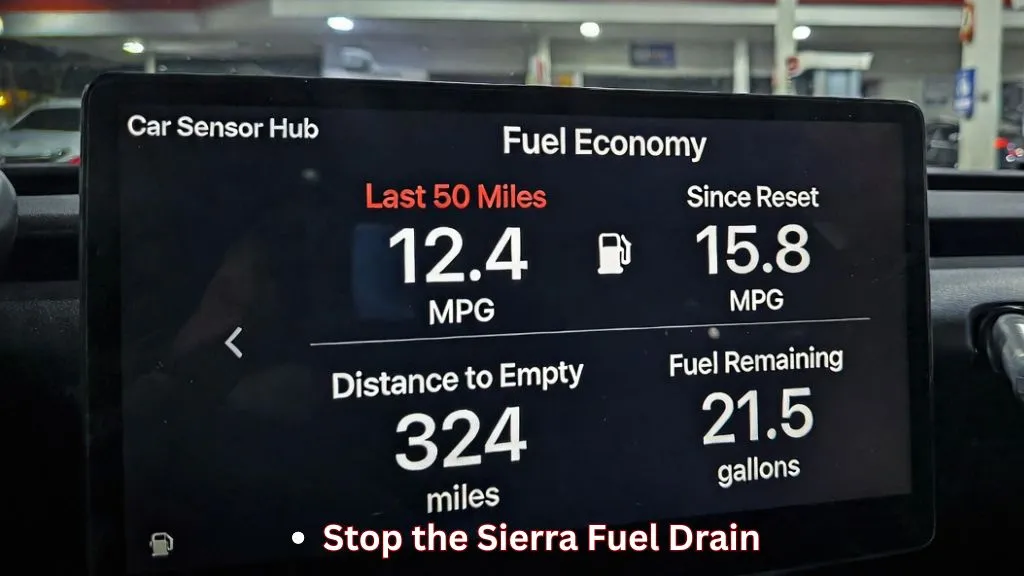
Key Causes Of Fuel Problems
Poor fuel economy in the GMC Sierra 1500 often points to common issues. Understanding the key causes helps fix the problem faster. Many factors affect how much fuel the truck uses. Some problems are easy to spot and fix. Others need a mechanic’s help. Knowing the main causes saves money and time.
Faulty Oxygen Sensors
Oxygen sensors check the air and fuel mix in the engine. If they fail, the engine burns more fuel than needed. This sensor sends wrong signals to the computer. The result is poor fuel economy and higher emissions. Replacing bad oxygen sensors improves mileage quickly.
Dirty Air Filters
Air filters stop dirt from entering the engine. A clogged filter reduces airflow. The engine works harder and uses more fuel. Cleaning or replacing air filters restores proper airflow. This simple fix can improve fuel economy immediately.
Fuel Injector Issues
Fuel injectors spray fuel into the engine. When dirty or clogged, they deliver uneven fuel. This causes rough running and wastes gas. Cleaning fuel injectors or replacing faulty ones helps the truck run smoothly. Better fuel delivery means better mileage.
Tire Pressure Effects
Low tire pressure increases rolling resistance. The engine uses more fuel to move the truck. Checking and inflating tires to the right pressure cuts fuel use. Properly inflated tires also improve safety and tire life.
Engine Tune-up Neglect
Skipping regular engine tune-ups harms fuel economy. Worn spark plugs and old fluids reduce engine efficiency. Routine tune-ups keep all parts working well. This reduces fuel consumption and keeps the truck running strong.
Read More: How to Change Engine Oil GMC Sierra 1500
Diagnosing Fuel Efficiency Drops
Fuel efficiency drops in the GMC Sierra 1500 can cause concern. Finding the cause fast helps save money and fuel. Diagnosing the problem involves a few clear steps. These steps help identify issues without guesswork.
Using Onboard Diagnostics
The truck has an onboard diagnostics system called OBD-II. It stores trouble codes when parts fail. A scanner reads these codes to show specific problems. This tool reveals issues with sensors or engine parts. It helps pinpoint what affects fuel economy.
Visual Inspections
Look under the hood for obvious signs of damage. Check for leaks in fuel lines or air filters. Dirty filters block airflow and reduce efficiency. Loose or damaged hoses can cause fuel loss. Simple visual checks catch many common problems.
Professional Fuel System Tests
Experts run tests on fuel injectors and pumps. They measure pressure and flow to ensure proper function. These tests detect hidden faults that scanners miss. Professionals also check the exhaust system for blockages. These steps confirm the health of the fuel system.
Effective Fixes To Improve Mileage
Improving fuel economy in the GMC Sierra 1500 helps save money and reduces emissions. Simple fixes can make a big difference in mileage. Some parts wear out or get dirty, causing the truck to use more fuel.
Regular care keeps the engine running smoothly. Small steps improve fuel use and extend the truck’s life. Below are effective fixes that boost fuel economy.
Replacing Oxygen Sensors
Oxygen sensors measure the air-fuel mix in the engine. Faulty sensors send wrong data to the computer. This causes poor fuel combustion and lowers mileage. Replacing old sensors restores proper fuel use. It also reduces harmful emissions and improves engine performance.
Cleaning Or Changing Air Filters
Dirty air filters block airflow to the engine. This makes the engine work harder and burn more fuel. Cleaning or changing air filters regularly helps the engine breathe better. Good airflow improves fuel efficiency and engine power.
Fuel Injector Cleaning
Fuel injectors spray fuel into the engine cylinders. Over time, they get clogged with dirt and deposits. Clogged injectors cause uneven fuel spray and waste fuel. Cleaning fuel injectors ensures smooth fuel delivery. This leads to better engine performance and improved mileage.
Maintaining Proper Tire Pressure
Low tire pressure increases rolling resistance. The engine uses more fuel to move the truck. Checking tire pressure monthly keeps tires at the right level. Proper tire pressure improves gas mileage and extends tire life.
Regular Engine Maintenance
Routine engine checks keep all parts working well. Changing oil, spark plugs, and fluids on time helps. Well-maintained engines run efficiently and use less fuel. Regular maintenance prevents costly repairs and boosts mileage.
Driving Habits That Help
Improving fuel economy in your GMC Sierra 1500 starts with how you drive. Changing your driving habits can lower fuel use and save money. Small actions make a big difference. Focus on smooth, steady driving. Avoid harsh acceleration or sudden stops. Use less gas by driving smart and calm.
Smooth Acceleration Techniques
Press the gas pedal gently. Avoid quick starts that waste fuel. Gradually increase your speed instead. This lets the engine work less hard. Smooth acceleration improves gas mileage. It also helps reduce engine wear and tear.
Reducing Idle Time
Turn off the engine when waiting. Idling burns gas without moving the truck. Long idle times lower fuel efficiency. Stop the engine if waiting more than a minute. This simple step cuts unnecessary fuel waste.
Optimal Speed For Efficiency
Drive at steady, moderate speeds. High speeds use more fuel quickly. Most trucks are most efficient between 45 and 65 mph. Avoid sudden speed changes. Keep a steady pace to save fuel.
Upgrades And Modifications
Upgrades and modifications can help fix fuel economy problems in the GMC Sierra 1500. Simple changes can make a big difference. These changes improve how the truck uses fuel. Some upgrades cost little but offer good fuel savings. Others need more investment but give better results.
Fuel Economy Chips
Fuel economy chips adjust the truck’s engine settings. They change how fuel mixes with air. This makes the engine run more efficiently. The chip helps burn fuel cleaner and use less gas. Installation is easy and does not harm the engine. Many drivers see better miles per gallon after adding a chip.
Low Rolling Resistance Tires
Low rolling resistance tires reduce the energy the truck needs to move. These tires have special rubber and design. They roll smoothly and lower fuel use. Switching to these tires can save fuel on highways and city roads. They also improve ride comfort and last longer.
Aftermarket Air Intake Systems
Aftermarket air intake systems bring more air into the engine. Better air flow helps the engine burn fuel well. These systems replace the stock air filter and intake parts. They are simple to install and clean. Drivers report improved fuel economy and engine sound after fitting these systems.
Conclusion
The GMC Sierra 1500 fuel economy problems affect many drivers. Knowing common causes helps you spot issues early. Regular maintenance keeps the truck running smoothly. Small fixes can improve gas mileage and save money. Paying attention to driving habits also makes a difference.
Staying informed leads to better truck care. Fuel efficiency matters for both cost and environment. Keep these tips in mind for a better driving experience.
FAQs About GMC Sierra 1500 Fuel Economy Problems
What Causes Poor Fuel Economy In GMC Sierra 1500?
Poor fuel economy often results from engine issues, faulty oxygen sensors, dirty air filters, or tire problems. Regular maintenance and timely repairs help improve efficiency.
How To Improve GMC Sierra 1500 Fuel Economy?
Maintain proper tire pressure, replace dirty filters, use recommended oil, and avoid excessive idling. These steps boost fuel efficiency and lower fuel costs.
Are There Common Fuel System Problems In GMC Sierra 1500?
Yes, fuel injectors may clog, fuel pumps can fail, and filters might get dirty. These issues reduce fuel delivery, hurting mileage and performance.
Does Driving Style Affect GMC Sierra 1500 Fuel Economy?
Yes, aggressive acceleration, speeding, and hard braking reduce fuel efficiency. Smooth driving and steady speeds help save fuel and improve mileage.
Disclosure: As an Amazon Associate, I may earn from qualifying purchases at no extra cost to you. Amazon and the Amazon logo are trademarks of Amazon.com, Inc, or its affiliates.
- Amazon, Amazon Prime, the Amazon logo and Amazon Prime logo are trademarks of Amazon. com, Inc. or its affiliates.

I am Sadman, the founder of CarSensorHub.com, where I share my passion for cars and technology. I specialize in writing detailed reviews and helpful guides on car gadgets, accessories, safety tools and many more. My mission is to help car owners discover the best products and tips to improve their driving experience and stay safe on the road.