If you’re thinking about towing with your Ford F-150 XLT, knowing its exact towing capacity is key. Whether you’re hauling a trailer, boat, or heavy equipment, understanding what your truck can handle keeps you safe and confident on the road.
This guide breaks down everything you need to know about the Ford F-150 XLT towing capacity, so you can make the most of your truck without any guesswork. Ready to find out how much power you really have? Keep reading.
Ford F150 Xlt Towing Specs
The Ford F-150 XLT offers strong towing abilities for work and play. Its towing specs vary depending on the engine and drivetrain options. Understanding these specs helps in choosing the right truck setup for your needs.
Max Towing Capacity By Engine
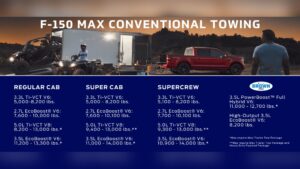
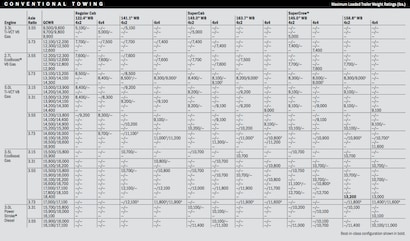
The 3.3L V6 engine can tow up to 8,200 pounds. The 2.7L EcoBoost V6 increases capacity to 9,000 pounds. The 5.0L V8 engine boosts towing to 11,100 pounds. The 3.5L EcoBoost V6 leads with a max of 13,200 pounds. Engine choice directly affects your towing power.
Impact Of Drivetrain On Towing
Two-wheel drive (2WD) models handle towing well on paved roads. Four-wheel drive (4WD) adds traction on rough or slippery surfaces. 4WD slightly lowers towing capacity due to added weight. Choose drivetrain based on road conditions and towing needs.
Tow Package Features
The factory tow package includes a hitch receiver and wiring harness. Trailer sway control helps keep the trailer stable. Integrated trailer brake controller improves braking safety. These features make towing easier and safer with the F-150 XLT.
Credit: www.rountreemooreford.com
Engine Options And Performance
The Ford F-150 XLT offers several engine choices that affect its towing ability. Each engine provides different power levels and fuel efficiency. Understanding these options helps you pick the best one for towing needs.
Performance varies by engine type. Some focus on power, others on saving fuel. The right engine makes towing safer and easier.
V6 Vs V8 Engines
The V6 engine in the F-150 XLT is smaller but still strong. It delivers good power for moderate towing tasks. The V8 engine is larger and offers more horsepower and torque. This means better towing for heavy loads and steep hills.
V8 engines handle bigger trailers with ease. V6 engines suit lighter towing and daily driving. Both engines have strengths depending on your towing demands.
Turbocharged Powertrains
Turbocharged engines add power without increasing size. The F-150 XLT uses turbochargers to boost engine output. This helps with quick acceleration and strong towing force.
Turbo engines provide smooth power delivery. They improve towing without a big fuel cost. These powertrains balance strength and efficiency well.
Fuel Efficiency During Towing
Towing reduces fuel efficiency for all engines. The F-150 XLT’s engines manage fuel well even under load. Turbocharged engines often use less fuel than large V8s during towing.
Choosing the right engine helps save fuel on long trips. Efficient towing means fewer stops and lower costs. Fuel economy is an important factor for many drivers.
Towing Technology And Safety
The Ford F-150 XLT offers advanced towing technology and safety features. These tools make towing easier and safer for drivers. They help keep control and prevent accidents on the road.
Trailer Sway Control
Trailer Sway Control detects if your trailer starts to sway. It applies brakes to specific wheels to steady the trailer. This reduces the risk of losing control. The system works automatically and keeps your ride smooth.
Integrated Trailer Brake Controller
The Integrated Trailer Brake Controller lets you control trailer brakes from the truck. It adjusts brake force based on the load and speed. This feature improves stopping power and reduces wear. It helps maintain better control while towing heavy trailers.
Rearview Camera And Sensors
The rearview camera gives a clear view behind the truck. It helps you back up and hitch trailers more easily. Sensors alert you to obstacles near the trailer and truck. These tools reduce blind spots and prevent collisions during towing.
Credit: www.prestonfordwest.com
Payload Capacity And Load Management
The Ford F-150 XLT is known for its strong towing ability. Payload capacity and load management are key parts of this strength. Knowing how much weight your truck can carry helps keep you safe. It also protects your truck and improves driving. This section explains payload limits, bed and hitch setups, and tips for spreading weight.
Payload Limits
The payload limit is the total weight your truck can carry. This includes passengers, cargo, and any equipment. For the Ford F-150 XLT, payload can range from about 1,800 to 3,200 pounds. The exact number depends on the engine and cab style. Always check the truck’s label to find the specific payload limit. Exceeding this limit can cause damage or unsafe driving.
Bed And Hitch Configurations
The truck bed size affects how much cargo you can fit. The Ford F-150 XLT offers different bed lengths. Choose a bed that fits your hauling needs. The hitch also matters for towing. A properly rated hitch matches the weight of your trailer. Using the right hitch keeps your load stable and secure. It helps avoid accidents and wear on your truck.
Weight Distribution Tips
Distributing weight evenly is important for safe driving. Place heavy items low and close to the truck’s center. Avoid putting too much weight at the back or one side. Use tie-downs to secure your cargo. This prevents shifting during travel. Balanced weight reduces strain on the suspension and brakes. It also improves steering and control on the road.
Performance Enhancements For Towing
The Ford F-150 XLT offers solid towing power. To get the best towing experience, some upgrades help. These enhancements make towing safer and easier. They improve control, stability, and engine performance under heavy loads.
Upgrading Suspension
A stronger suspension handles heavy trailers better. It reduces body roll and improves balance. Upgraded shocks and springs absorb bumps well. This keeps the truck steady on rough roads. A firm suspension also protects the truck’s frame from damage.
Tire Recommendations
Use tires made for towing and heavy loads. Look for tires with higher load ratings. They provide better traction and heat resistance. Proper tires reduce the risk of blowouts. They also improve fuel efficiency during towing.
Cooling Systems For Heavy Loads
Towing puts extra strain on the engine. A better cooling system prevents overheating. Upgraded radiators and transmission coolers keep temperatures low. This protects engine parts from wear and failure. Cooler engines run more efficiently and last longer.
Real-world Towing Scenarios
The Ford F-150 XLT offers strong towing power for many real-world uses. It handles different loads with ease. This section explores common towing situations and how the F-150 XLT performs in each.
Towing Trailers And Campers
The F-150 XLT can tow a variety of trailers and campers. It pulls travel trailers for family trips without strain. Its engine power and stability help maintain control. This truck keeps towing safe and smooth on highways and rural roads.
Hauling Boats And Equipment
Boat owners trust the F-150 XLT to haul watercraft to lakes and rivers. It carries heavy gear like jet skis and fishing equipment. The truck’s towing capacity matches the needs of many recreational users. Loading and unloading stay simple with its strong hitch setup.
Seasonal Towing Challenges
Winter and summer bring different towing challenges. Snow and ice require steady power and traction. The F-150 XLT’s features help keep trailers stable in slippery conditions. Hot weather towing tests the engine and cooling system. This truck stays reliable during seasonal shifts.
Maintenance For Towing Reliability
Maintaining your Ford F-150 XLT is key for safe and reliable towing. Regular care keeps the truck working well. It helps avoid breakdowns and costly repairs. Good upkeep also improves towing performance and safety.
Regular Inspections
Check your truck often before towing trips. Look for loose bolts, worn parts, and damage. Inspect the hitch, trailer connections, and lights. Early detection stops small problems from growing. Regular inspections keep everything secure and safe.
Fluid Checks And Changes
Fluids help your truck run smoothly under heavy load. Check engine oil, transmission fluid, and coolant levels. Change fluids on time to prevent engine wear. Proper fluid care protects the engine and transmission. It ensures the truck stays cool and strong while towing.
Brake And Tire Care
Brakes and tires bear extra stress when towing. Inspect brake pads and rotors for wear. Replace parts that look thin or damaged. Check tire pressure and tread depth regularly. Proper brake and tire care improves stopping power and traction. It keeps you safe on the road with heavy loads.

Credit: www.wallacefordofkingsport.com
Frequently Asked Questions Ford F-150 XLT Towing Capacity
What Is The Towing Capacity Of A F150 Xlt?
The Ford F-150 XLT towing capacity ranges from 8,200 to 13,200 pounds. It depends on engine type, axle ratio, and cab configuration.
How Does Engine Type Affect F-150 Xlt Towing Capacity?
Different engines offer varying power. The 3. 5L EcoBoost V6 provides the highest towing capacity, boosting performance for heavy trailers.
Can I Tow A Camper With A Ford F-150 Xlt?
Yes, the F-150 XLT can tow most campers. Check your model’s exact towing limit to ensure safe hauling.
What Towing Equipment Is Recommended For Ford F-150 Xlt?
Use a Class IV hitch receiver and trailer brake controller. Proper equipment ensures safe and efficient towing performance.
Conclusion
The Ford F-150 XLT offers strong towing power for many needs. It handles trailers, boats, and equipment with ease. Choosing the right engine and setup affects towing capacity. Always check your truck’s limits before heavy hauling. This helps keep your vehicle safe and working well.
The F-150 XLT stands as a reliable choice for towing tasks. It fits both work and play, making it a solid option. Consider your towing needs carefully to get the best performance. This truck is built to help you tow confidently.
Disclosure: As an Amazon Associate, I may earn from qualifying purchases at no extra cost to you. Amazon and the Amazon logo are trademarks of Amazon.com, Inc, or its affiliates.
- Amazon, Amazon Prime, the Amazon logo and Amazon Prime logo are trademarks of Amazon. com, Inc. or its affiliates.

I am Sadman, the founder of CarSensorHub.com, where I share my passion for cars and technology. I specialize in writing detailed reviews and helpful guides on car gadgets, accessories, safety tools and many more. My mission is to help car owners discover the best products and tips to improve their driving experience and stay safe on the road.