Are you curious about the difference between overlanding and off-roading? Maybe you’ve heard these terms tossed around but aren’t quite sure what sets them apart.
Understanding the difference can change how you plan your next adventure and what gear you’ll need. Whether you’re dreaming of a long, self-reliant trip or just want to tackle rough trails for fun, knowing which style suits you best is key.
Keep reading, and you’ll discover everything you need to know to choose your perfect outdoor experience.

Credit: tuffstuffoverland.com
Basics Of Overlanding
Overlanding is a type of travel that combines adventure with self-reliance. It focuses on exploring remote places by vehicle. The journey itself is as important as the destination. Overlanding requires planning, patience, and respect for nature.
Travelers often spend days or weeks on the road. They carry everything needed for living and camping. This style of travel is slow and immersive, letting people connect deeply with the environment.
Core Principles
Overlanding is about independence and exploration. Travelers rely on their own skills and gear. Safety and sustainability are key values. Respect for local cultures and nature guides every step. The goal is to enjoy the journey, not rush through it.
Typical Terrain
Overlanding covers many types of land. It includes dirt roads, gravel paths, and unpaved trails. Travelers often cross deserts, forests, mountains, and savannas. The terrain is usually less extreme than off-roading. The focus is on steady, long-distance travel.
Equipment And Vehicles
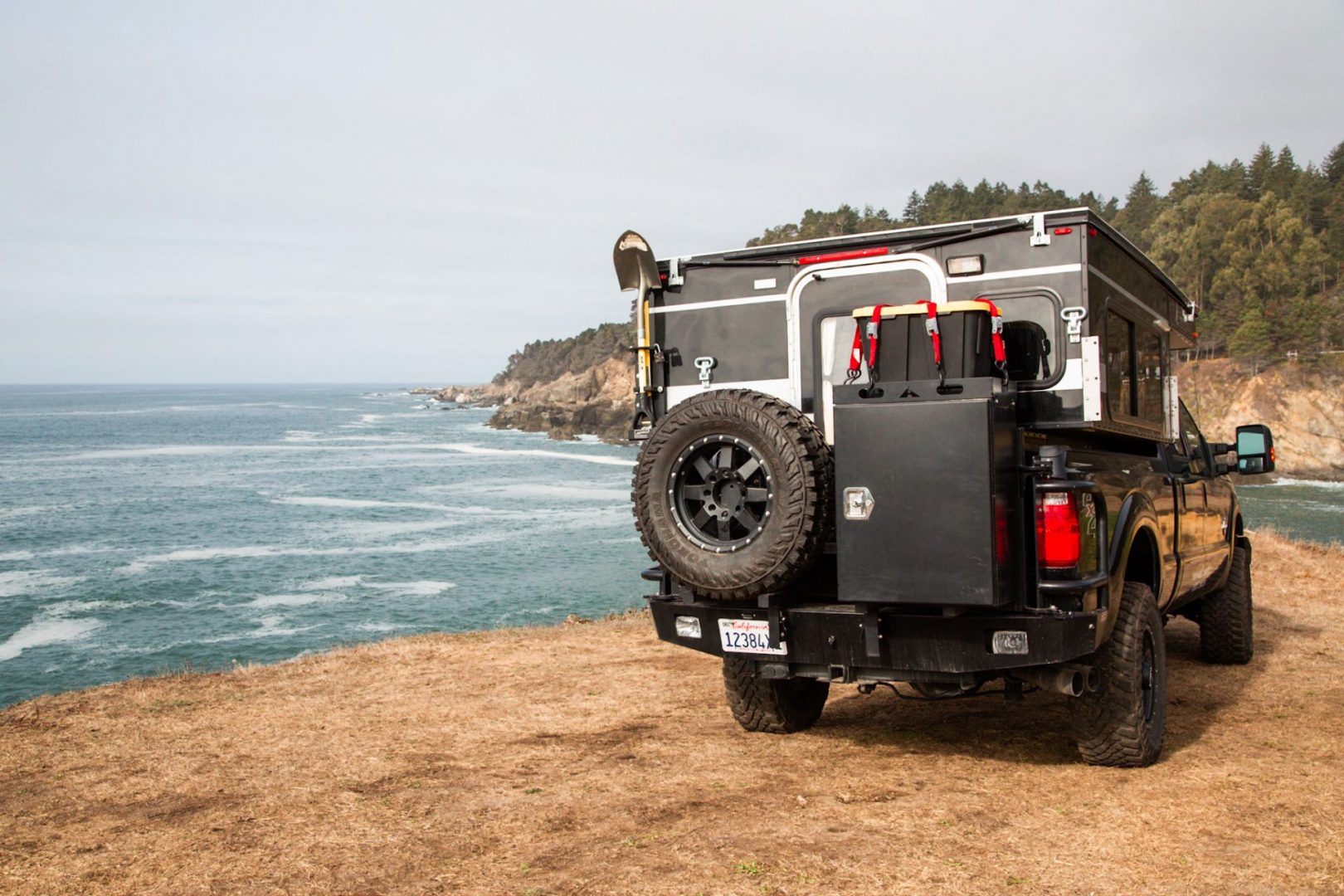
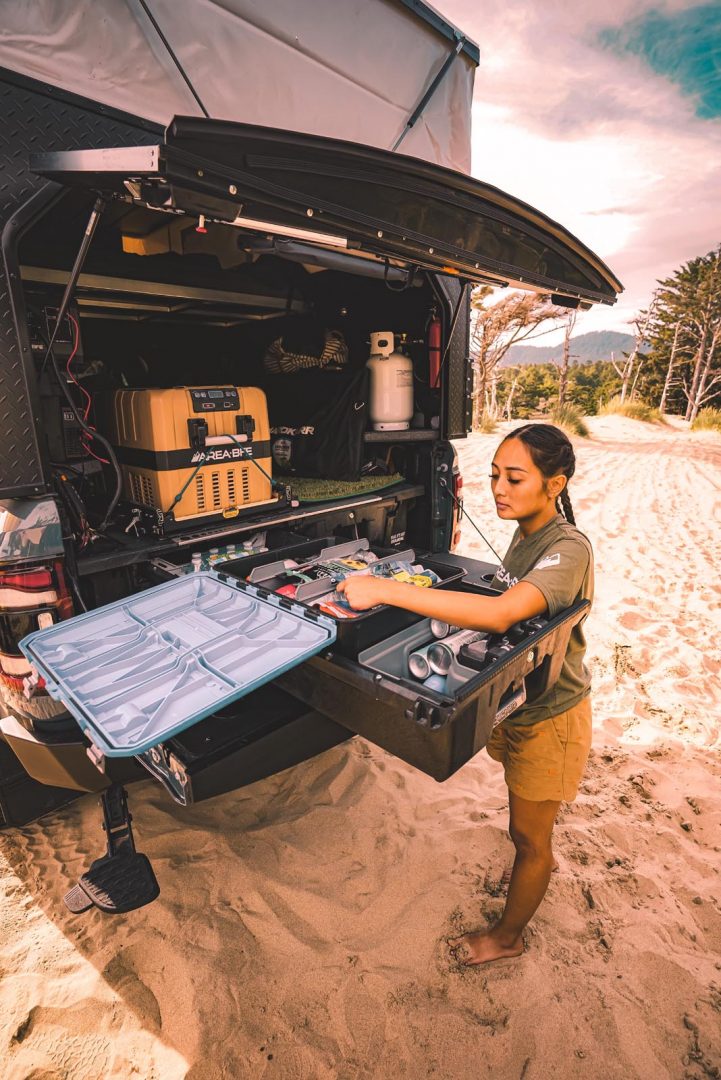
Overland vehicles are built for comfort and durability. They often have roof tents, storage boxes, and extra fuel tanks. Essential gear includes water containers, cooking tools, and repair kits. Communication and navigation devices are important. Every item serves a practical purpose for living on the road.
Essentials Of Off-roading
Off-roading is an exciting outdoor activity that tests driving skills on rough terrain. It involves driving vehicles over natural obstacles like mud, rocks, and hills. Understanding the essentials of off-roading helps beginners stay safe and enjoy the adventure.
Off-roading is about control, technique, and the right equipment. It requires preparation and respect for the environment. Let’s explore the key features, common trails, and necessary gear for off-roading.
Key Features
Off-roading uses rugged trails with uneven surfaces. Drivers face obstacles like steep slopes, rocks, and water crossings. The activity needs careful navigation and good vehicle control. Off-roading often happens in remote areas away from paved roads. It challenges both the driver and the vehicle’s durability.
Common Trails
Popular off-road trails vary by region but share similar challenges. Trails include rocky paths, sandy dunes, and forest tracks. Some trails are short and easy; others are long and difficult. Trail difficulty is rated to help drivers pick suitable routes. Safety and respect for nature are important on every trail.
Gear And Vehicles
Off-road vehicles need strong tires and good ground clearance. Four-wheel drive is essential for better traction. Suspension systems absorb shocks from rough terrain. Drivers carry recovery gear like winches and tow straps. Basic tools and safety equipment improve readiness for emergencies.
Trip Duration And Style
Trip duration and style are key to understanding overlanding and off-roading. Each offers a unique experience that fits different interests and time frames. Knowing these differences helps you choose the right adventure.
Overlanding Journeys
Overlanding is about long trips that can last days or weeks. It combines travel and camping in remote areas. The goal is to explore new places and enjoy nature slowly. Travelers often carry supplies and gear for self-sufficiency. This style values endurance and discovery over speed.
Overlanding trips follow planned routes but allow for flexibility. Camp setups and vehicle preparation are important. The journey is as exciting as the destination.
Off-roading Sessions
Off-roading focuses on short, intense drives over rough terrain. Sessions usually last a few hours or a day. It tests driving skills and vehicle capabilities on challenging paths. The main thrill comes from handling obstacles and rough trails.
Off-roading often happens near home or in designated parks. It requires less gear and planning compared to overlanding. The style is fast-paced and full of action.
Purpose And Experience
The purpose and experience of overlanding and off-roading shape how people enjoy these activities. Both involve vehicles and rough terrain, but their goals and feelings are quite different.
Understanding these differences helps you choose the right adventure for your style. The focus and challenge level vary between the two, creating unique experiences.
Adventure Focus
Overlanding centers on long trips and self-reliance. It is about traveling to remote places and camping along the way. The journey and discovery matter more than speed or obstacles.
Off-roading focuses on driving over tough terrain for fun and skill. It often takes place on shorter routes or trails designed for challenge. The thrill of handling rough ground is the main goal.
Challenge Level
Overlanding requires planning but usually avoids extreme obstacles. Drivers must be ready for changes in weather and conditions. The challenge comes from distance and staying safe.
Off-roading demands more technical skill to navigate rocks, mud, and steep hills. Vehicles often need special modifications to handle these tests. The challenge is physical and mental during the drive.
Vehicle Setup Differences
Vehicle setup plays a key role in defining the experience of overlanding and off-roading. Each activity demands specific changes to the vehicle to handle different challenges. Understanding these differences helps choose the right gear for your adventure.
Modifications For Overlanding
Overlanding vehicles need to carry supplies for long trips. Extra storage space is essential. Roof racks and cargo boxes help store gear safely. Larger fuel tanks extend travel range. Suspension upgrades improve comfort on rough roads. Sleeping and cooking setups often fit inside or on the vehicle. Protection like skid plates guards vital parts from damage. Communication tools and navigation systems keep travelers on track.
Modifications For Off-roading
Off-roading requires a focus on rugged terrain performance. Lift kits increase ground clearance for obstacles. Heavy-duty tires provide better grip on mud and rocks. Reinforced bumpers and rock sliders protect the vehicle body. Winches assist in self-recovery from tough spots. Stronger suspension systems absorb shocks from jumps and drops. Lightweight gear reduces vehicle weight for agility. Lighting upgrades improve visibility in dark, rough areas.
Safety And Preparation
Safety and preparation are key for both overlanding and off-roading adventures. Proper planning helps avoid risks and keeps you ready for any situation. Knowing the basics can make your trip safe and fun.
Overlanding Safety Tips
Check your vehicle before the trip. Make sure tires, brakes, and fluids are in good condition. Carry enough water, food, and fuel for the journey. Pack a first-aid kit and emergency tools. Plan your route and share it with someone you trust. Use maps or GPS devices to avoid getting lost. Drive carefully on unfamiliar roads. Take breaks to avoid fatigue and stay alert. Respect wildlife and keep a safe distance. Always follow local rules and regulations.
Off-roading Safety Tips
Inspect your vehicle for off-road readiness. Use suitable tires and suspension for rough terrain. Wear seat belts at all times. Drive at a safe speed and watch for obstacles. Travel with a buddy or group for help if needed. Carry recovery gear like a winch, tow straps, and a shovel. Know your limits and avoid risky paths. Communicate with others using radios or phones. Protect yourself from sun and heat with proper clothing. Stay calm and focused during difficult maneuvers.
Popular Destinations
Popular destinations for overlanding and off-roading differ a lot. Each offers unique experiences and challenges. Overlanding routes focus on long-distance travel and exploration. Off-road trails highlight tough terrain and technical driving. Both types attract adventure lovers worldwide.
Top Overlanding Routes
Overlanding routes cover vast and scenic areas. The Trans-America Trail stretches across the United States. It passes through forests, deserts, and mountains. The Pan-American Highway is a famous route from Alaska to Argentina. It offers diverse landscapes and cultures along the way. Australia’s Canning Stock Route is a remote path through the Outback. This route tests endurance and self-reliance. These routes suit travelers who enjoy discovery and camping.
Famous Off-road Trails
Off-road trails challenge drivers with rough and rocky paths. Moab in Utah is a top spot for off-road fans. It has trails of different difficulty levels and stunning views. The Rubicon Trail, also in California, is known for its tough terrain. It attracts expert drivers seeking a thrill. The Dempster Highway in Canada offers icy and rugged conditions. These trails focus on skill and vehicle ability. They are perfect for short, intense adventures.
Community And Culture
The community and culture around overlanding and off-roading shape the experience beyond the vehicles. Both have strong groups of people who share a passion for adventure and the outdoors. These communities offer support, advice, and friendship. They also celebrate the unique skills and stories that come from exploring tough terrains.
Overlanding Lifestyle
The overlanding lifestyle focuses on long trips and self-reliance. People enjoy traveling to remote places, often camping for days or weeks. The community values planning, preparation, and respect for nature. Members share tips on gear, routes, and survival skills. They often gather at meetups and online forums to exchange stories and advice. Overlanders tend to embrace slow travel, enjoying the journey as much as the destination.
Off-roading Community
The off-roading community centers on skill and excitement. Drivers test their vehicles on tough trails and obstacles. This group loves the thrill of pushing limits and overcoming challenges. Events and races are common, creating a lively social scene. Off-roaders focus on vehicle modifications and driving techniques. They support each other through trail rides and recovery help. The culture values teamwork and respect for safety on rough terrain.
Choosing The Right Adventure
Choosing the right adventure between overlanding and off-roading means thinking about what you want from your trip. Both offer fun and challenge, but they focus on different experiences. Understanding your goals and skills helps you pick the best option. This way, you enjoy your journey safely and fully.
Assessing Your Goals
Ask yourself what kind of trip excites you most. Overlanding means long-distance travel with camping and exploring. It’s about the journey and self-reliance. Off-roading focuses on driving over rough terrain for short bursts of excitement. It tests your vehicle and driving skills.
Think about how much time you want to spend outdoors. Overlanding often lasts several days or weeks. Off-roading trips may only take a few hours or a day. Choose the adventure that fits your time and interests.
Skill And Vehicle Considerations
Consider your driving skills and vehicle type. Overlanding needs steady, careful driving and a well-equipped vehicle. You must handle repairs and navigation. Off-roading demands more technical driving skills on tough trails. It requires a strong, modified vehicle with good clearance and tires.
Match your skill level with the adventure’s difficulty. Beginners may start with easy overlanding trips. More experienced drivers might enjoy challenging off-road routes. Always prepare your vehicle and gear for safety and success.
Credit: fourwheelcampers.com
Credit: fourwheelcampers.com
Frequently Asked Questions
What Is The Main Difference Between Overlanding And Off-roading?
Overlanding focuses on long-distance travel and self-reliant adventure. Off-roading involves driving on rough terrain for sport or challenge. Overlanding includes camping and exploration, while off-roading centers on vehicle performance and technical driving skills.
Which Vehicles Are Best For Overlanding Versus Off-roading?
Overlanding vehicles prioritize reliability, storage, and comfort for long trips. Off-roading vehicles emphasize suspension, tires, and power for rough terrain. Many SUVs and trucks can be modified to suit either activity based on specific needs.
How Do Overlanding And Off-roading Affect Trip Planning?
Overlanding requires detailed route planning, supplies, and camping gear for extended journeys. Off-roading focuses on trail selection, safety equipment, and vehicle readiness for shorter, intense excursions. Planning differs due to trip length and activity goals.
Can You Combine Overlanding And Off-roading Activities?
Yes, many enthusiasts combine both for versatile adventures. Overlanding trips often include off-road segments to reach remote locations. Combining requires a well-equipped vehicle and balanced skills for travel and technical driving.
Conclusion
Overlanding and off-roading both offer unique ways to explore nature. Overlanding focuses on long trips with camping and travel. Off-roading is about driving on rough, challenging trails. Each has its own gear and skills. Choose what fits your adventure style best.
Both can bring fun and excitement outdoors. Explore safely and enjoy every moment.
Disclosure: As an Amazon Associate, I may earn from qualifying purchases at no extra cost to you. Amazon and the Amazon logo are trademarks of Amazon.com, Inc, or its affiliates.
- Amazon, Amazon Prime, the Amazon logo and Amazon Prime logo are trademarks of Amazon. com, Inc. or its affiliates.

I am Sadman, the founder of CarSensorHub.com, where I share my passion for cars and technology. I specialize in writing detailed reviews and helpful guides on car gadgets, accessories, safety tools and many more. My mission is to help car owners discover the best products and tips to improve their driving experience and stay safe on the road.


