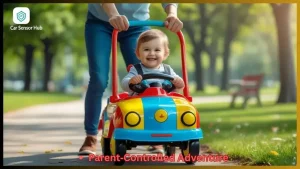
Choosing the right ride-on car for your toddler is more than just picking a fun toy—it’s about keeping your little one safe while they explore and play. You want a ride-on car that sparks joy but also gives you peace of mind.
With so many options out there, it can feel overwhelming to know what really matters. This guide will help you understand the key safety features to look for, so you can make a confident choice that keeps your child protected and happy.
Keep reading to discover how to find the perfect, safe ride-on car that fits your family’s needs.
Safety Features To Look For
Choosing a safe ride-on car for toddlers is very important. Safety features protect your child and give you peace of mind. Some features help prevent accidents. Others keep your child comfortable and secure. Check these features carefully before buying.
Sturdy Construction
A strong frame keeps the ride-on car stable. Look for thick plastic or metal parts. These materials stop the car from breaking easily. A sturdy car won’t tip over during play. It also lasts longer for your child’s use.
Secure Seatbelts
Seatbelts hold your child safely inside the car. Make sure the seatbelt fits well and is easy to fasten. A good seatbelt stops your toddler from falling out. It gives extra protection during bumps or quick stops.
Speed Controls
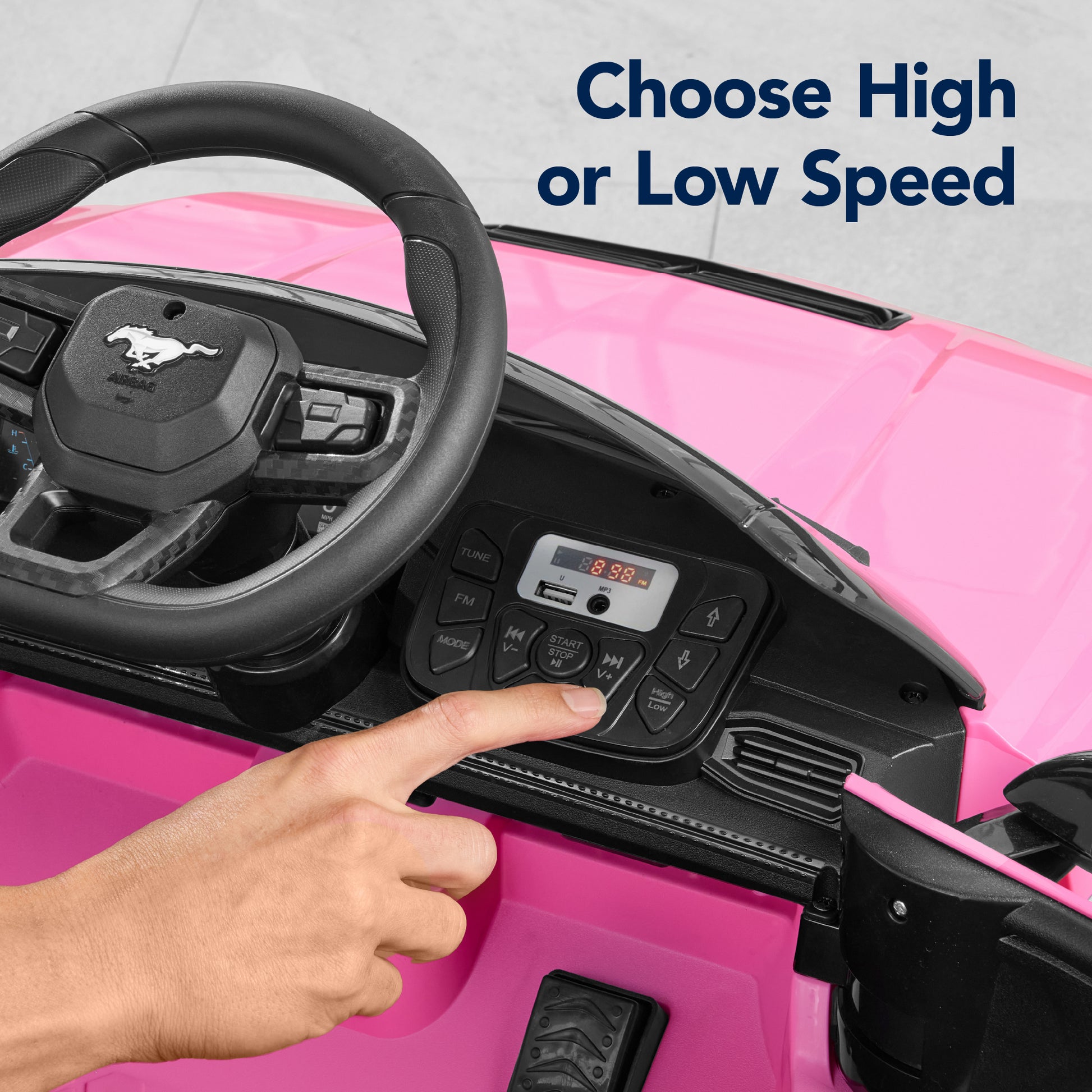
Speed controls limit how fast the car can go. This keeps your child from driving too fast. Some cars have slow and fast speed options. Choose a car with adjustable speed to match your child’s age and skill.
Non-toxic Materials
Children often put toys in their mouths. Non-toxic materials prevent harm if touched or chewed. Check that the paint and plastic are free of harmful chemicals. Safe materials protect your child’s health during play.

Credit: www.amazon.in
Age And Size Appropriateness
Choosing a ride-on car that fits your toddler’s age and size is very important. A car that is too big or too small can cause accidents or make your child uncomfortable. Understanding the right size helps keep your child safe and happy while playing.
Weight Limits
Every ride-on car has a weight limit. This limit tells you the maximum weight the car can hold safely. Exceeding this limit can break the car or cause it to tip over. Always check the weight limit before buying. Make sure your toddler’s weight fits well within the limit.
Height Considerations
The height of your child matters. If the car is too tall, your toddler may not reach the pedals or handles properly. Too short, and they may feel cramped and unsafe. The car should allow your child to sit comfortably with feet touching the ground or pedals. Proper height helps your child control the car easily.
Developmental Stage
Consider your toddler’s skills and abilities. Some cars need more coordination to steer and drive. Others are simpler, made for younger toddlers just learning to move. Choose a car that matches your child’s motor skills and confidence. This helps your toddler enjoy the ride without getting frustrated.
This Article May Help You More: Pedal Go-Kart Vs Balance Bike for Toddlers
Battery And Power Options
The battery and power options of a toddler’s ride-on car affect both safety and fun. Choosing the right battery type and power settings helps keep your child safe. It also ensures the car runs smoothly for longer playtime. Understanding these options lets you pick the best ride-on car for your toddler.
Battery Life
Battery life tells how long the car runs on a single charge. Longer battery life means more playtime without interruptions. Check the estimated hours the battery lasts. Some batteries last 1 to 2 hours, while others offer more. Choose a battery that fits your child’s play habits.
Charging Safety
Charging safety is very important for toddlers’ ride-on cars. Use the charger that comes with the car only. Avoid overcharging by unplugging once fully charged. Keep the charger away from water and heat. Always charge the car in a safe, dry place.
Power Settings
Power settings control the car’s speed and force. Many ride-on cars have low and high-speed modes. Low speed is better for beginners and small toddlers. High speed suits older toddlers who can handle faster rides. Select cars with adjustable power settings for better control.

Credit: www.shaztoys.com.au
Ease Of Use And Controls
Choosing a toddlers ride-on car means focusing on ease of use and controls. These features ensure your child can enjoy the ride safely. Controls should be simple and easy for little hands and feet. This helps build confidence and keeps playtime fun.
Simple Steering
Simple steering allows toddlers to turn the car easily. The steering wheel should fit small hands. It should not require much force to move. Clear direction feedback helps children learn control quickly. Avoid cars with complicated steering systems.
Responsive Pedals
Responsive pedals give toddlers control over speed. Pedals should react well to light pressure. This prevents sudden starts or stops. Soft pedals help children feel safe while driving. Check if the pedals match your child’s foot size.
Remote Control Features
Remote control features let parents guide the car. This adds safety and control for younger toddlers. Parents can stop or steer the car from a distance. It reduces risk during outdoor play. Make sure the remote is easy to use and reliable.
Brand Reputation And Reviews
Choosing a safe ride-on car for toddlers means checking the brand’s reputation and reviews. These tell you if a product is trustworthy and built well. Good brands often follow strict safety rules. Reviews from other buyers show how the car works in real life.
Trusted Manufacturers
Brands known for child safety produce reliable ride-on cars. They use strong materials and test their products carefully. Trusted manufacturers often have years of experience in making kids’ toys. Their ride-on cars meet or exceed safety standards. Choosing these brands reduces risks for your toddler.
Customer Feedback
Reading customer reviews helps understand the car’s quality and safety. Parents share honest opinions about their experience. Look for comments on durability and ease of use. Notice if there are frequent safety concerns. Positive feedback from many buyers shows a good product.
Warranty And Support
A solid warranty shows the brand’s confidence in its product. It protects you if the ride-on car breaks or has defects. Good customer support answers questions and solves problems quickly. This adds peace of mind after your purchase. Choose brands offering clear warranty terms and helpful support.
Credit: bestchoiceproducts.com
Additional Safety Accessories
Choosing a safe ride-on car for toddlers involves more than just the vehicle. Safety accessories play a key role in protecting your child during playtime. These add-ons increase visibility, reduce injury risks, and help parents stay in control. Let’s explore some useful safety accessories that can make a big difference.
Helmets And Pads
Helmets protect your child’s head from bumps and falls. Make sure the helmet fits snugly and meets safety standards. Knee and elbow pads guard against scrapes and bruises. These accessories help keep toddlers safe while they enjoy their ride-on car.
Reflective Stickers
Reflective stickers improve visibility, especially in low light. Place them on the ride-on car’s body for better recognition. Bright colors and shiny surfaces catch the eye of others nearby. These stickers help prevent accidents by making your child more visible.
Parental Supervision Tools
Parental supervision tools include remote controls and safety straps. Remote controls let parents stop or slow the car easily. Safety straps keep the child secure inside the car. These tools give parents peace of mind and ensure safer rides.
Frequently Asked Questions
What Safety Features Should A Toddler’s Ride-on Car Have?
Look for seat belts, stable wheels, and parental remote control for added safety.
How To Pick The Right Size Ride-on Car For Toddlers?
Choose a car that fits your child’s height and weight comfortably.
Are Electric Or Pedal Ride-on Cars Safer For Toddlers?
Electric cars offer speed control; pedal cars promote exercise and are slower.
What Materials Ensure The Ride-on Car Is Safe And Durable?
Strong plastic and metal parts resist breakage and protect your toddler.
How Important Is Speed Control In Toddler Ride-on Cars?
Speed control prevents accidents by limiting how fast the car can go.
Should Ride-on Cars Have Parental Remote Controls?
Remote controls allow parents to guide and stop the car for safety.
How To Check If A Ride-on Car Meets Safety Standards?
Look for certifications like ASTM or EN71 on the product label.
Can Ride-on Cars Cause Injury Without Proper Supervision?
Yes, supervision is crucial to prevent falls or collisions during play.
What Age Is Suitable For Using Ride-on Cars Safely?
Most ride-on cars are designed for toddlers aged 1 to 5 years.
How To Maintain Safety While Using Ride-on Cars Outdoors?
Use helmets, choose smooth surfaces, and avoid steep slopes for safe rides.
Final Thoughts
Choosing a safe ride-on car means checking key features first. Look for sturdy construction and secure seat belts. Speed control helps keep your toddler safe. Always supervise your child during playtime. Safety stickers and certifications matter a lot. A good ride-on car brings fun and peace of mind.
Keep safety as the top priority every time. Your toddler deserves a safe and happy ride. Simple steps lead to safer play and joyful moments.
Disclosure: As an Amazon Associate, I may earn from qualifying purchases at no extra cost to you. Amazon and the Amazon logo are trademarks of Amazon.com, Inc, or its affiliates.
- Amazon, Amazon Prime, the Amazon logo and Amazon Prime logo are trademarks of Amazon. com, Inc. or its affiliates.

I am Sadman, the founder of CarSensorHub.com, where I share my passion for cars and technology. I specialize in writing detailed reviews and helpful guides on car gadgets, accessories, safety tools and many more. My mission is to help car owners discover the best products and tips to improve their driving experience and stay safe on the road.