Choosing the right ECU programming power supply depends on whether you need a dedicated shop-grade unit for reflashing or a versatile interface for bench testing. Some units offer high-amperage support, while others focus on signal precision. The AUTOOL 150A is our top pick for its high current and battery compatibility.
🏆 Our Top Pick

AUTOOL 150A ECU Programming Battery Power Supply Heavy Duty Battery
Professional shops needing high-current support for battery maintenance.
☰ Table of Contents 15
- Quick Comparison
- How We Picked
- 1. AUTOOL 150A ECU Programming Battery Power Supply Heavy Duty Battery
- 2. PowerMax PMBC-100-SE 100 Amp Automotive Battery Charger & 12V Power
- 3. Schumacher Electric 100A Car Battery Charger & Power Supply
- 4. LAUNCH X431 PFP-100 Vehicle Flash Reprogramming Power Supply with Charging
- 5. QPKING EM355 120A ECU Programming Power Supply
- 6. GODIAG GT100 Plus OBD2 Breakout Box
- 7. Tbest ECU Power Box
- Choosing the Right Power Supply
- Essential Considerations for Your Shop
- Comparing Programming Tools
- Common Misconceptions About Power Supplies
- Frequently Asked Questions
- Conclusion
Quick Comparison
Best overall
AUTOOL 150A Power Supply
provides high current and flexible charging modes for both lithium and lead-acid batteries in one unit.
Best for stability
PowerMax PMBC-100-SE
delivers regulated DC output with very low AC ripple, which is essential for sensitive ECU flashing procedures.
Best for diagnostics
LAUNCH X431 PFP-100
offers four distinct work modes, including a dedicated flash reprogramming setting to prevent voltage-related errors during diagnostics.
- Provides 9-16V and up to 150A output
- Adjustable 1-100A charging for lead-acid and lithium
- Jump-starts engines under 3.0T displacement
- Includes 9 safety protection functions

- Delivers 100A and 1,440W continuous power
- Adjustable 13-16V output with low ripple
- Three modes for programming and charging
- Includes LCD display and 15ft cables

- Maintains stable voltage to prevent data loss
- Three modes: Service, Flash, and Boost
- 13.0-14.8V DC output with Anderson Plug
- Includes 9-foot cord and 10-foot cables

- Prevents voltage drop during ECU programming
- Standard 12V supply for passenger cars
- Four modes: Charging, Programming, Showroom, Repair
- Five integrated safety protection modes

- Adjustable 10.8-16V output with 120A current
- Supports power, 20A charging, and pulse repair
- Compatible with lead-acid, AGM, GEL, EFB
- Includes 2.8-inch LCD and 2 m cables

- Converts OBD2 port to 16-pin interface
- Works with 12V and 24V systems
- Verifies CAN Bus network and communication
- Supports bench testing and GPT ECU access
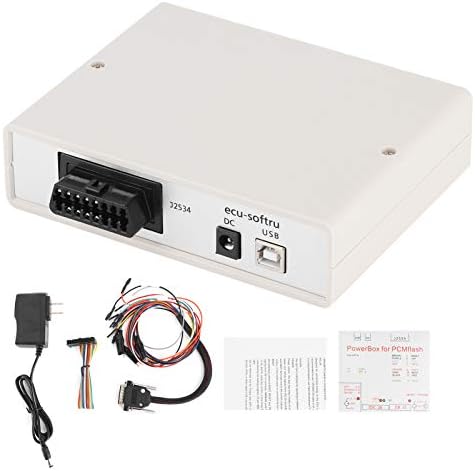
- Three-switch panel for signal control
- Includes USB, DC, DB-15, and IDC-26 connectors
- Integrated current-limiting resistors for protection
- Includes wiring diagrams and circuit stickers

- Supports USB interface and Modbus instruction set
- 0-30V and 10A output with 4-digit display
- Five protection functions including OVP and OCP
- Front 5V 1.5A dual USB charging interface

- 110V/220V AC to 12V DC converter
- Rated for 125A and 1500W output
- Aluminum shell with built-in cooling fan
- Includes overload, overvoltage, and overheat protection

- Converts AC to 12V DC power
- Universal screw-type connection terminals
- Simple plug-in operation for constant voltage
- Includes electronic overload and short-circuit protection
How We Picked
We compared 37 different power supply listings based on their ability to maintain stable voltage during sensitive automotive programming tasks. To be included, a unit had to provide adjustable voltage output, include safety features like short-circuit protection, and offer clear specifications for current capacity.
✂️ What put a product out
- Lacked adjustable voltage settings for specific ECU needs.
- Provided insufficient current for modern vehicle programming requirements.
- Failed to list protection features for sensitive electronic modules.
#1 Top Pick
1. AUTOOL 150A ECU Programming Battery Power Supply Heavy Duty Battery
🎯 Best for: Professional shops needing high-current support for battery maintenance.
🌟 Key Features
- Programming Power Mode: Supplies up to 150A of current with an adjustable voltage range of 9-16V to keep modules stable during long sessions.
- Smart Charging: Features a multi-stage process that switches from pulse charging to trickle mode, ensuring batteries reach full capacity safely without overcharging.
- Jump Starter Mode: Provides 400A of starting current for engines under 3.0T displacement, adding utility for shop environments beyond just power support.
- Color Touchscreen: Includes a 3.4-inch interface that supports 12 languages, making it easier to adjust settings and monitor progress during busy workdays.
💡 Why We Recommend It
This unit packs programming support, smart charging, and jump starting into one package. The 150A capacity is generous for most passenger vehicle modules, and the wide range of supported battery types makes it very versatile for a busy repair shop.
It isn’t for the hobbyist who only needs a basic trickle charger, as its size and 150A capacity are built for intensive automotive service. If you only perform occasional maintenance on a single vehicle, the complexity and power of this unit may be more than your garage requires.
📋 Key Specs
| Max Current | 150A |
| Voltage Range | 9-16V |
| Jump Start Current | 400A |
| Cable Length | 6.5 feet |
🛠️ What It Means Day to Day
✓ Pros
- High 150A output capacity.
- Supports lithium and lead-acid batteries.
- Includes emergency jump start function.
- Large color touchscreen interface.
✗ Cons
- Large footprint for small workspaces.
- More power than basic DIY needs.
#2 Best for Stability
2. PowerMax PMBC-100-SE 100 Amp Automotive Battery Charger & 12V Power
🎯 Best for: Technicians requiring precise, clean power for ADAS calibration.
🌟 Key Features
- 100A Continuous Power: Delivers a steady 100A output, making it reliable for extended ECU coding, module flashing, and complex ADAS calibration procedures.
- Low-Ripple Output: Maintains stable DC power with less than 100mV AC ripple, which is vital for preventing data corruption during sensitive electronic updates.
- Three Charging Modes: Includes options for fixed voltage, 2-stage boost, and smart 3-stage charging to accommodate different battery maintenance and service needs.
- Long Cables: Comes with 15-foot 4 AWG cables, allowing for convenient placement even when the power source is far from the vehicle.
💡 Why We Recommend It
The PowerMax PMBC-100-SE prioritizes stability. Low-ripple DC output prevents electrical noise, which causes failed flashes.
This unit isn’t for those who need a portable jump starter, as it’s strictly designed for power support and charging. It’s a specialized tool intended for service bays where clean, consistent power is the priority over multi-function versatility.
📋 Key Specs
| Max Current | 100A |
| Voltage Range | 13-16V |
| Cable Length | 15 feet |
| Max Power | 1,440W |
🛠️ What It Means Day to Day
✓ Pros
- Excellent low-ripple power delivery.
- Extra-long cables are included to provide plenty of reach for your workspace.
- Professional-grade build quality.
- Reliable continuous power support.
✗ Cons
- No jump start functionality.
- Limited to 100A capacity.
#3 Best for Flash Updates
3. Schumacher Electric 100A Car Battery Charger & Power Supply
🎯 Best for: Repair shops that perform high-frequency ECU updates.
🌟 Key Features
- Service Mode: Holds a stable 13.5V, preventing battery drain during long diagnostic sessions and ensuring vehicle memory settings remain intact during work.
- Flash Reprogram Mode: Delivers 70–100A specifically for ECU updates, providing the high current needed for modern software flashing without downtime.
- Boost Mode: Pushes 14.4V to quickly revive discharged batteries, which is helpful when you need to get a vehicle moving through the bay fast.
- Pro-Grade Connection: Uses an Anderson Plug for secure, high-current reliability that stands up to the demands of a professional automotive shop environment.
💡 Why We Recommend It
The Schumacher INC100 focuses on durability. The Flash Reprogram Mode handles the specific voltage demands of ECU updates.
This isn’t for the casual DIY user, as the interface and professional-grade connections are geared toward shop technicians. If your shop doesn’t perform frequent ECU reprogramming, the specialized features here might be underutilized.
📋 Key Specs
| Max Current | 100A |
| Voltage Range | 13.0-14.8V |
| Cable Length | 10 feet |
| Power Cord Length | 9 feet |
🛠️ What It Means Day to Day
✓ Pros
- Reliable Flash Reprogram mode.
- Durable shop-focused construction.
- Quick battery revival mode.
- Secure Anderson plug connection.
✗ Cons
- Professional design may be complex.
- Lacks advanced touchscreen features.
#4 Best for Diagnostics
4. LAUNCH X431 PFP-100 Vehicle Flash Reprogramming Power Supply with Charging
🎯 Best for: Shops that need a versatile diagnostic tool.
🌟 Key Features
- Four Work Modes: Offers Charging, Programming, Showroom, and Repair modes to cover the diverse electrical needs of a modern repair facility.
- Synchronous Rectification: Uses this technology to improve efficiency, which helps the unit run cooler and more effectively during long programming jobs.
- Wide Compatibility: Supports a broad range of batteries, including AGM, GEL, EFB, and lithium, making it a great “all-in-one” choice for many vehicles.
- Diagnostic Security: Specifically designed to prevent voltage drops that cause programming failures, ensuring that your diagnostic scanner gets the power it needs.
💡 Why We Recommend It
The LAUNCH X431 PFP-100 handles everything from showroom display to reprogramming. Its support for many battery types makes it an excellent value for diverse shops.
It isn’t for the user who needs a specialized bench-testing tool, as it’s primarily designed for in-vehicle programming. If you’re looking for a unit to perform off-vehicle ECU bench work, this isn’t the right choice for that specific task.
📋 Key Specs
| Max Current | Not listed |
| Battery Support | Lead-acid, AGM, GEL, EFB, LFP, NCM |
| Warranty | 2-year |
🛠️ What It Means Day to Day
✓ Pros
- Four versatile work modes.
- Supports many battery technologies.
- Efficient cooling design.
✗ Cons
- Lacks jump start capability.
- Not for bench testing.
#5 Best for Coding Tasks
5. QPKING EM355 120A ECU Programming Power Supply
🎯 Best for: Technicians needing a compact unit for coding tasks.
🌟 Key Features
- Stable ECU Support: Provides 120A of current with adjustable 10.8-16V output, which is essential for maintaining voltage during coding and flashing.
- Three-in-One Design: Combines a programmable power mode with 20A smart charging and pulse repair, giving you several tools in a small footprint.
- Workshop Interface: Features a 2.8-inch LCD and five language options, making it accessible for technicians who prefer a clear, straightforward control panel.
- Active Cooling: Includes an integrated cooling fan to manage heat during extended programming sessions, protecting the unit’s internal components.
💡 Why We Recommend It
The QPKING EM355 is compact. It provides a solid 120A for programming without taking up much shop space.
It isn’t for those working on lithium batteries or 24V systems, as the manufacturer explicitly states these aren’t supported. If your shop specializes in heavy-duty trucks or newer electric vehicles with specific lithium-based requirements, this unit won’t fit your needs.
📋 Key Specs
| Max Current | 120A |
| Voltage Range | 10.8-16V |
| Cable Length | 2 meters |
🛠️ What It Means Day to Day
✓ Pros
- Compact and space-saving design.
- Solid 120A programming output.
- Easy-to-read LCD display.
- Includes pulse repair function.
✗ Cons
- No lithium battery support.
- Not for 24V systems.
#6 Best for Bench Coding
6. GODIAG GT100 Plus OBD2 Breakout Box
🎯 Best for: Professionals performing off-vehicle ECU bench coding.
🌟 Key Features
- 16-Pin Breakout Box: Allows for precise voltage and signal measurement on individual OBD2 pins, helping you isolate faults without removing the ECU.
- Real-Time Monitoring: Features an LED display that shows voltage and current, alerting you if levels drop too low during sensitive programming.
- Bench Testing Access: Connects directly to a single ECU off-vehicle, which removes the need to solder wires and protects sealed modules from damage.
- Network Tester: Verifies CAN Bus network integrity, allowing you to troubleshoot communication issues between modules quickly and accurately.
💡 Why We Recommend It
The GODIAG GT100 Plus is for advanced technicians. It creates a safe, controlled environment for bench-top ECU work.
It isn’t for a general repair shop that only needs to keep a battery charged. If you don’t have experience with bench coding or ECU signal analysis, this tool’s breakout features will be unnecessary and confusing to use.
📋 Key Specs
| Compatibility | 12V and 24V systems |
| Interface | 16-pin OBD2 |
| Features | CAN Bus testing, Bench access |
🛠️ What It Means Day to Day
✓ Pros
- Excellent for bench testing.
- Real-time voltage monitoring.
- Protects sealed ECUs.
- Versatile network communication testing.
✗ Cons
- Not for battery charging.
- Too complex for basic needs.
#7 Best for Board Flashing
7. Tbest ECU Power Box
🎯 Best for: Specialists performing JTAG and board-level flashing.
🌟 Key Features
- Tri-Mode Control: Provides precision switches for Power, BOOT/RESET/CNF1, and GPT voltage, essential for advanced board-level ECU programming.
- Universal Ecosystem: Includes a full suite of connectors, including USB, DC, DB-15, and IDC-26, covering almost any direct-to-board connection requirement.
- Current Protection: Integrates specific current-limiting resistors to protect signal lines from spikes during intensive read/write cycles.
- Wiring Guidance: Comes with detailed circuit stickers and parameters to help you map connections correctly and reduce setup errors.
💡 Why We Recommend It
This is essential for deep-level ECU work. It simplifies cable management by providing a dedicated interface for signal and power delivery.
It isn’t for the everyday mechanic or DIYer. If you don’t have a background in electronic board-level repair or specific JTAG procedures, this box is far too specialized for your garage.
📋 Key Specs
| Protocols | JTAG, BOOT-OEM12 |
| Connectors | USB, DC, DB-15, IDC-26 |
| Protection | Current-limiting resistors |
🛠️ What It Means Day to Day
✓ Pros
- Precision signal control switches.
- Comprehensive connector suite.
- Integrated spike protection.
- Clear wiring guidance.
✗ Cons
- Extremely specialized niche tool.
- Not for general battery charging.
Choosing the Right Power Supply
Select a power supply based on your technical needs and vehicle requirements. Ensure the unit’s voltage and amperage meet manufacturer requirements.
Programming Capacity
Look for units that offer high continuous current, as ECU flashing can take time. A weak power supply may cause a voltage drop, leading to a failed flash and potentially locking the module.
Stability Requirements
For modern vehicles, low-ripple DC output is essential. High-quality power supplies use advanced circuitry to ensure the electricity is smooth, preventing electronic interference during sensitive coding procedures.
Battery Compatibility
Always check if the unit supports your battery chemistry. While many units handle standard lead-acid batteries, specialized batteries like AGM, GEL, or lithium require specific charging profiles to prevent damage.
Bench Testing Needs
If you’re doing off-vehicle work, you need an interface box rather than a standard charger. These tools focus on signal integrity and pin-out communication rather than pure power output.
Essential Considerations for Your Shop
When preparing to perform ECU programming, you need to check several factors to ensure a successful job.
Before You Order
- Voltage Needs: Check the service manual for your specific vehicle. Some modules require a very tight voltage window during programming.
- Cable Length: Measure your service bay. Long cables, like those on the PowerMax PMBC-100-SE, are helpful if your power outlet isn’t right next to the car.
- Battery Type: Confirm if your fleet uses standard lead-acid or newer lithium batteries, as this dictates which charger you must select.
💡 Quick Tip: Always ensure your power supply is rated for the continuous current required by the vehicle manufacturer to avoid unexpected shutdowns during a flash.
Which One is For You?
If you’re a busy shop, the AUTOOL 150A Power Supply or the LAUNCH X431 PFP-100 are great general-purpose choices. For technicians doing high-precision ADAS or board-level work, the PowerMax PMBC-100-SE or the Tbest ECU Power Box provide the specialized stability and signal control required for those advanced tasks.
Comparing Programming Tools
The performance of these units varies based on their intended use in the shop.
| Quality | AUTOOL 150A | PowerMax PMBC-100-SE | Schumacher INC100 |
|---|---|---|---|
| Max Current | 150A | 100A | 100A |
| Cable Length | 6.5 ft | 15 ft | 10 ft |
| Battery Support | Lead/Lithium | Lead-acid | Lead-acid |
| Jump Start | Yes | No | No |
| Warranty | 3-Year | 2-Year | Not listed |
⚡ When the answer flips: If you prioritize clean power for ADAS calibration over multi-function utility, the PowerMax PMBC-100-SE is the superior choice because of its low-ripple output design.
Common Misconceptions About Power Supplies
Many people assume that any high-amperage charger will work for ECU programming, but this is a common error.
1. Chargers and Power Supplies Are Identical
People often believe a standard battery charger can act as a programming power supply. In reality, chargers often fluctuate voltage to “top off” a battery, which can trigger error codes during ECU updates. You need a dedicated power supply mode that maintains a fixed, stable voltage.
2. Higher Amperage Is Always Better
Some believe that buying the highest amperage unit available is the safest bet. However, if a unit lacks proper voltage regulation or current limiting, even a high-capacity supply can damage sensitive electronics. Always prioritize stable, regulated voltage over sheer power.
3. All Battery Types Work the Same
Users often forget that lithium batteries have different charging curves than lead-acid ones. Charging a lithium battery with a lead-acid profile can cause the battery management system to shut down or lead to premature failure. Always check your unit’s compatibility list.
📌 Key Takeaway: ECU programming is a delicate process that requires specialized, stable power delivery rather than just a simple battery charger.
The AUTOOL 150A Power Supply is the best all-around choice for most shops, while the GODIAG GT100 Plus is the right tool for technicians doing bench testing. Review your specific voltage and battery needs before making your final selection.
Related guides
- Noco Boost Plus Gb40 Review: Ultimate Portable Jump Starter Power Pack
- Top Car Battery Terminal Connectors for Reliable Power Boost
Our Top Picks
FAQs About Best ECU Programming Power Supply
Can I use a programming power supply as a jump starter?
Only some units, like the AUTOOL 150A Power Supply, include a dedicated jump starter mode. Most programming power supplies are designed for steady, long-term voltage support rather than the massive, short-burst current required to start a dead engine.
Why is low-ripple DC output important for my ECU?
Low-ripple DC output ensures that the electrical current is smooth and free of high-frequency noise. According to technical standards for automotive electronics, ISO 16750 specifies the electrical requirements for vehicle components, and clean power is vital to prevent data corruption during the sensitive flashing of modern vehicle control modules.
Can I leave my power supply connected overnight?
Many modern units like the Schumacher Electric INC100 feature automatic smart modes that switch to trickle charging once the battery is full. However, always check the manual for your specific model to ensure it’s rated for long-term unattended use in your shop environment.
Do I need to remove my battery to use these units?
Generally, no, these units are designed to work while the battery is connected to the vehicle to provide stable voltage. However, the QPKING EM355 specifically notes that you must remove the battery before using its pulse repair mode to prevent damage to the vehicle’s electrical system.
Conclusion
Investing in reliable equipment ensures your vehicle’s sensitive electronics stay protected during delicate updates. You won’t have to worry about sudden voltage drops ruining an expensive module anymore. Once you’ve selected the best tool for your garage, take a moment to double-check your cable connections before you begin your first flash.
Disclosure: As an Amazon Associate, I may earn from qualifying purchases at no extra cost to you. Amazon and the Amazon logo are trademarks of Amazon.com, Inc, or its affiliates.
- Amazon, Amazon Prime, the Amazon logo and Amazon Prime logo are trademarks of Amazon. com, Inc. or its affiliates.

I am Sadman, the founder of CarSensorHub.com, where I share my passion for cars and technology. I specialize in writing detailed reviews and helpful guides on car gadgets, accessories, safety tools and many more. My mission is to help car owners discover the best products and tips to improve their driving experience and stay safe on the road.