A “parking sensor error” on a Nissan Pathfinder usually means the vehicle has lost reliable readings from one or more ultrasonic sensors. The quickest safe diagnosis is to clean every sensor face, inspect the bumper for impact damage, and check whether the warning remains after a short, careful drive. If the error continues, inspect the sensor connectors and use a scan tool that can read parking-assist or ultrasonic fault codes.
The common causes are dirty or coated sensors, a cracked or misaligned sensor, damaged wiring, corroded connectors, or a control module that cannot interpret one or more sensor signals. A single failed sensor can disable or reduce the system’s alerts even though the Pathfinder drives normally.
Key Takeaways
- Clean first. Mud, ice, snow, road grime, wax, and thick bumper coatings can block ultrasonic signals.
- Inspect for impact damage. A parking-lot tap can crack a sensor, loosen its mount, or pull on the bumper wiring.
- Identify the affected zone. If only the front-left, front-right, or rear sensors appear affected, a local sensor or connector problem is more likely.
- Look for water damage. Moisture and corrosion at sensor-harness connectors can cause intermittent errors.
- Read fault codes before buying parts. A capable scan tool can identify the sensor or circuit that is misreading.
- Stop when wiring damage is active or faults return. Repeated connector failures, exposed wires, and multiple dead sensors are good reasons to seek professional diagnosis.
What a Nissan Pathfinder Parking Sensor Error Means
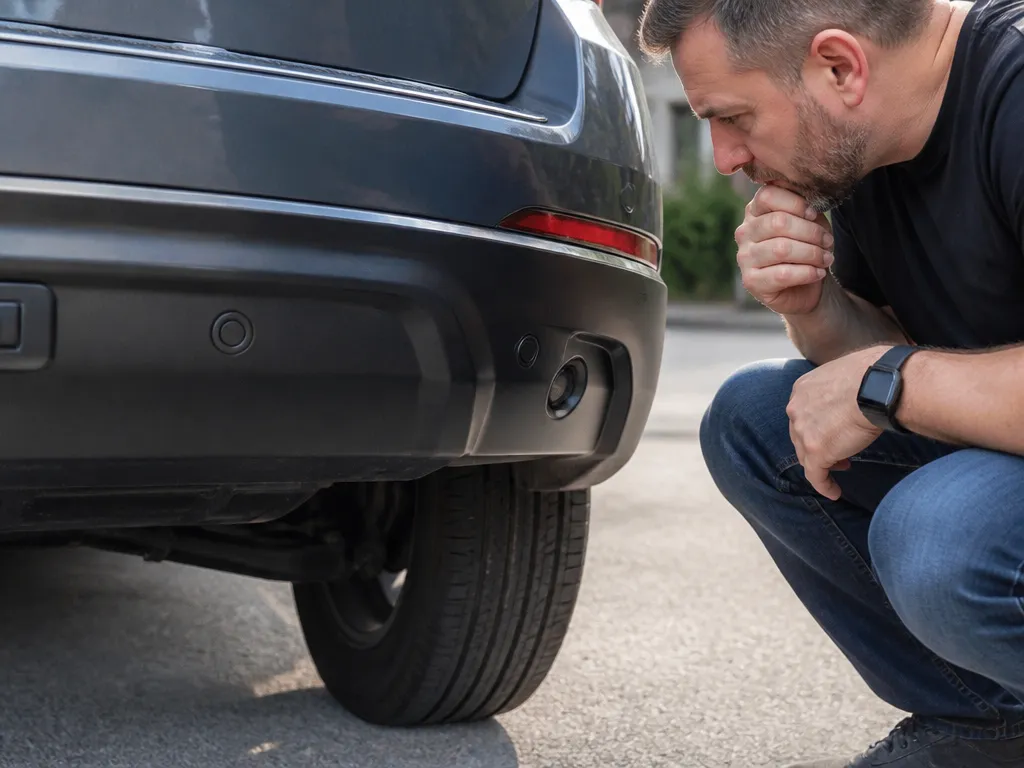
A parking sensor error means the Pathfinder is not confident that it is receiving accurate ultrasonic return signals. The most common trigger is something physical blocking a sensor face, such as mud, snow, or road film. A cracked sensor, misaligned bumper, loose connector, or damaged harness can create the same warning.
The error may appear after a bumper repair, repainting, or the application of a thick coating around the sensors. Heavy tire splash can also cover rear sensors quickly. Treat the warning as a system fault rather than a message to ignore. The Pathfinder may disable or reduce its parking alerts while continuing to drive normally.
Check whether the warning is present every time you start the vehicle and whether all sensors seem affected or only one area. An intermittent error points more strongly toward a loose connector, moisture, or a damaged section of harness. A warning that appears immediately after an impact or bumper repair makes a damaged sensor, bracket, or wire more likely.
Diagnose the Error by Its Symptoms
Start with the event that preceded the warning. If it appeared after winter driving, heavy rain, a car wash, construction dust, or a dusty road trip, the sensor surfaces may be obstructed. Ultrasonic sensors cannot reliably read through a thick film of ice, mud, or grime.
If the message followed a bump, scrape, or bumper adjustment, inspect the sensor mounting and bumper alignment. A sensor that sits slightly proud, points at an unusual angle, or has been pushed inward may be the source of the fault.
Next, determine whether the warning affects the front sensors, rear sensors, or both. Some Pathfinder systems identify the unreliable zone on the display. Changes in the proximity beeps can also provide a clue: approach an object slowly in a safe area and note whether the warning or beeping changes near a particular side.
An intermittent fault usually deserves connector and wiring inspection. A consistent fault after an impact or repair is more suspicious for physical damage. If several sensors in different areas are dead, move a harness or control-unit problem higher on the list.
Cleaning is low risk. Carefully inspecting accessible trim and connectors is usually reasonable, but follow the owner’s manual if battery disconnection or a waiting period is required. Use a multimeter only if you understand the circuit you are testing; probing the wrong terminals can damage components or create misleading results.
Fixes to Try in Priority Order
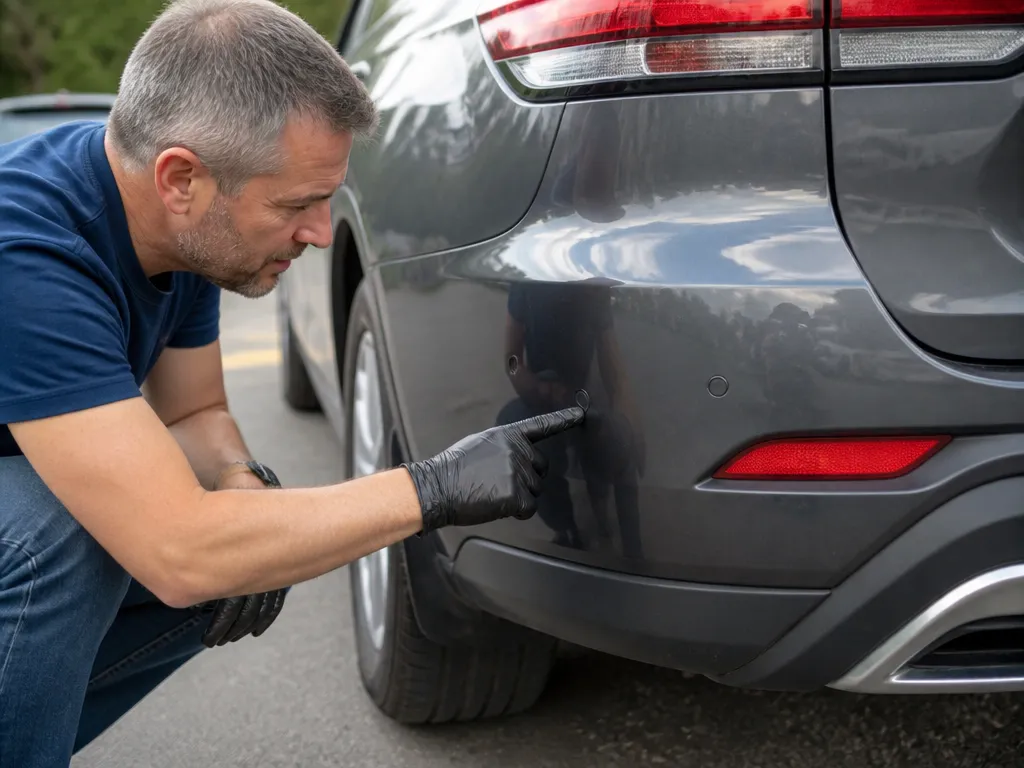
Follow these steps from the simplest likely fix to the most targeted diagnosis.
- Clean every sensor face thoroughly. Use an automotive-safe cleaner and a soft microfiber cloth. Remove mud, ice, snow, salt, and road film without scraping the plastic. Do not aim a high-pressure washer directly at a sensor face. If the vehicle recently received wax or ceramic coating, check for residue around the sensors.
- Inspect for cracks and damaged covers. Look closely at each bumper-mounted sensor. A hairline crack, missing cover, sensor sitting slightly proud, or sensor pushed inward can identify the likely fault.
- Check bumper trim and sensor alignment. A minor impact can release a bumper tab or clip without causing obvious body damage. Look for a loose edge, uneven gap, or sensor bracket that no longer sits flush. Misalignment can change the sensor’s aiming and produce unreliable readings.
- Inspect and dry the connectors. If the warning comes and goes, look for moisture, pinched wires, broken insulation, loose locking tabs, or greenish corrosion near the sensor connectors. Dry the area, inspect the pins, and re-seat the connector securely. Corroded terminals may need proper cleaning or repair rather than repeated sensor replacement.
- Scan for parking-assist fault codes. Use a scan tool that can access the parking-assist or ultrasonic system, not only the basic engine computer. A code may identify a specific sensor position, open circuit, short, communication fault, or module problem. That information prevents you from replacing a sensor when the actual failure is in the connector or harness.
- Test the repair in a controlled area. After each fix, park somewhere safe and approach an object slowly at low speed. Confirm that the proximity alerts return and that the error message clears. If the warning remains, rely on code-based diagnosis rather than replacing parts at random.
Why Fixing the Parking Sensor Error Matters
A working system provides predictable proximity alerts in tight spaces and can help you avoid bumper contact when visibility is poor, including rain, snow, or evening parking.
A failed sensor can also produce confusing behavior. It may trigger beeps when no obstacle is nearby or remain silent when an obstacle is close. Those false or missing alerts can lead to over-correction and another bumper impact.
Accurate diagnosis also saves money. Replacing a sensor without confirming the affected position can waste both parts and labor. Identifying the failed component narrows the repair to one sensor, one harness section, or the control module instead of turning the job into guesswork.

Helpful pick
Backup Parking Assist Sensor for Nissan Rogue Pathfinder 2022-2024, Reverse Rear Bumper Parking Sensors Replace 28438-6258R
Maintain your vehicle’s safety features by replacing damaged sensors with this unit, ensuring you have accurate proximity alerts in tight parking spaces.
Choose the Repair Path That Fits the Fault
You have three practical repair paths, based on how the error behaves and what you have already ruled out.
Clean and Inspect the Sensors
This is the fastest option when the sensors are dirty, coated, or visibly mis-seated. It carries little risk and costs nearly nothing, so it should come before deeper disassembly or parts replacement.
Inspect the Connectors and Wiring
This path fits faults linked to rain, a car wash, bumper work, or intermittent operation. Look for looseness, corrosion, damaged pins, broken clips, and rubbed-through insulation.
Read Codes and Replace the Failed Component
This is the most targeted option when the earlier checks do not resolve the warning. Once the fault identifies a sensor position or circuit, you can replace that sensor or repair the affected harness instead of guessing. If the codes point to multiple zones or communication problems, the control unit and common wiring paths need further testing.
| What you see after cleaning | Most likely cause | Best next step |
|---|---|---|
| Error clears, alerts return | Dirty sensor face | Keep sensors clean after storms and apply wax carefully |
| Error stays but only one zone beeps incorrectly | Single sensor or connector | Scan codes and inspect that sensor’s harness |
| Error persists after impact | Damaged sensor or bumper wiring | Inspect for sensor cracks and check connector seating |
| Error is intermittent and worse after rain | Moisture or corrosion in a connector | Dry and re-seat connectors, then repair corrosion |
| Error plus dead sensors in multiple zones | Harness problem or control unit | Scan codes and check common wiring paths |
If sensors across multiple positions remain dead after the basic checks, control-module and harness faults become more likely. Continue with electrical testing only if you have the correct service information and tools; professional diagnostic support is usually worth the cost at that point.

Helpful pick
LLPTA 4pcs Rear Bumper Parking Aid Sensors for Nissan Infiniti
When you need to replace multiple faulty sensors at once, this four-piece kit provides a cost-effective solution for your Nissan Pathfinder bumper.
When to Stop DIY Troubleshooting
Do not keep replacing random sensors. First identify whether the fault is at a sensor position, in a circuit, or in the module, then confirm that the repair restores the alerts.
Corrosion deserves more than a quick re-seat. It can create high resistance that returns after the vehicle gets wet. Inspect the pins, clean or repair the connector correctly, and route the harness so it cannot rub through its insulation again. Avoid applying thick aftermarket coatings around the sensor faces because they can recreate the original signal problem.
After bumper work, verify that the sensors, brackets, and bumper cover sit flush. A sensor installed at the wrong angle can read incorrect distances and cause the system to flag it as unreliable.
Stop and seek professional help if you find exposed or melted wiring, active water intrusion, multiple failed zones, or a warning that returns immediately after connector repair. DIY wiring work can also cause damage if you probe for voltage or resistance without knowing the circuit. A scan report gives you a much safer starting point for deciding whether the repair needs inspection, wiring work, or component replacement.

Helpful pick
Unifizz 25994-3JA0C Car Bumper PDC Parking Assist Sensor Reverse Backup Parking Sensor Replacement for NI-SSAN Pathfinder 2013-2017 for Infiniti QX60 2014-2015 for JX35 2013
If troubleshooting confirms a specific sensor failure, this reliable replacement part ensures your parking assist system returns to full operational status quickly.
Common Nissan Pathfinder Parking Sensor Scenarios
If the error appears after a winter storm, examine the rear sensor faces and drive briefly in a safe area to see whether the warning clears. If the alerts return, ice or road film was probably blocking the ultrasonic signals. Inspect the sensors for cracks as well, because freeze-thaw conditions can expose damage that was already present.
If the message starts after scraping a parking curb and one sensor sits slightly out of position, inspect that sensor and its connector. A cracked sensor cap, loose bracket, or connector that did not fully latch can cause a localized failure. Re-seating the connector or replacing the damaged sensor may restore normal operation.
An error that appears only after a car wash points more strongly to moisture or a connector problem than to a failed sensor. Examine the connectors for corrosion or damaged pins, and check whether the harness is pinched where water can enter. If the warning returns, determine whether the same sensor position continues to fault.
When a scan identifies a specific sensor position, replace or repair that component and test the system in a controlled parking situation. Re-check for residual codes afterward. If the same code returns immediately, suspect wiring, grounding, or a connector that still is not making a solid connection.
FAQ
What does a parking sensor error mean on a Nissan Pathfinder?
It means the Pathfinder’s parking-assist system is not receiving reliable ultrasonic signals from one or more sensors. The vehicle may disable alerts or provide reduced functionality until the readings become reliable again. The sensor faces and bumper should be checked first.
Can I fix a parking sensor error without replacing parts?
Yes, often. Removing ice or mud and correcting a minor alignment issue may restore operation. Intermittent faults can also result from moisture or a loose sensor connection. If the warning persists, the fault location should be identified before parts are purchased.
How much does it cost to repair a bad parking sensor on a Pathfinder?
The cost depends on whether the repair involves one sensor, a harness, or a control component. Sensor replacement is generally less expensive than wiring or module diagnostics, but labor rates can change the total. Determine which sensor position or circuit is actually faulting before paying for parts and labor.
Is it safe to drive with a parking sensor error?
You can usually drive normally because the warning affects parking-assist alerts, not engine or braking performance. The system may not warn you about obstacles, however, so use extra care in tight spaces and at low speeds until the fault is repaired.
Why does my parking sensor error come and go?
Intermittent errors commonly result from moisture in a sensor connector, a loose connection, or a harness section that rubs or shorts as the bumper flexes. Rain, car washes, and temperature changes can bring the problem back. The affected sensor position can help identify the fault.
Disclosure: As an Amazon Associate, I may earn from qualifying purchases at no extra cost to you. Amazon and the Amazon logo are trademarks of Amazon.com, Inc, or its affiliates.
- Amazon, Amazon Prime, the Amazon logo and Amazon Prime logo are trademarks of Amazon. com, Inc. or its affiliates.

Hi, I am AKM Sad. I’m a car enthusiast and reviewer who loves exploring gadgets and accessories. I share honest reviews and practical tips to help you get the best products and enjoy a safer, smoother ride.