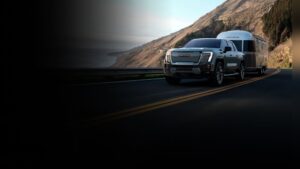
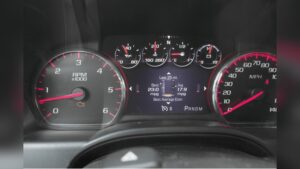
The world is watching as electric trucks enter the mainstream, and the GMC Sierra 1500 EV is at the center of attention. For many buyers, the battery is the heart of any electric vehicle—its reliability, performance, and long-term durability can make or break the ownership experience. The Sierra 1500 EV promises cutting-edge technology and bold capabilities, but how dependable is its battery in real-world use? This article explores the key factors behind the Sierra 1500 EV battery’s reliability, what owners can expect, and how it compares to the competition.
What Powers The Gmc Sierra 1500 Ev?
At the core of the Sierra 1500 EV is Ultium battery technology, developed by General Motors. This large, modular battery pack is made with advanced lithium-ion cells. In the Sierra, battery capacity is expected to be over 200 kWh, giving it a projected range of around 400 miles per charge.
The pack sits under the floor of the truck, protected by rugged casing and a network of sensors. This design lowers the center of gravity and helps with handling, but more importantly, it shields the battery from impact and water.
The battery is also part of the truck’s structure, adding strength and rigidity.
Gmc’s Battery Engineering And Safety Measures
Reliability starts with how a battery is built and protected. GMC’s Ultium batteries use several strategies to ensure safety and long life:
- Thermal management system: The battery uses liquid cooling to keep cell temperatures stable, preventing overheating in hot weather and keeping performance strong in cold.
- Crash protection: The battery is surrounded by reinforced steel and aluminum, designed to absorb energy if there’s an accident.
- Battery management system (BMS): Smart electronics monitor each cell, balancing charge levels and detecting any faults early.
These features are not just for safety—they also help extend the battery’s usable life. Batteries that run too hot, or suffer from repeated full discharges, wear out faster. GMC’s design aims to avoid these problems.
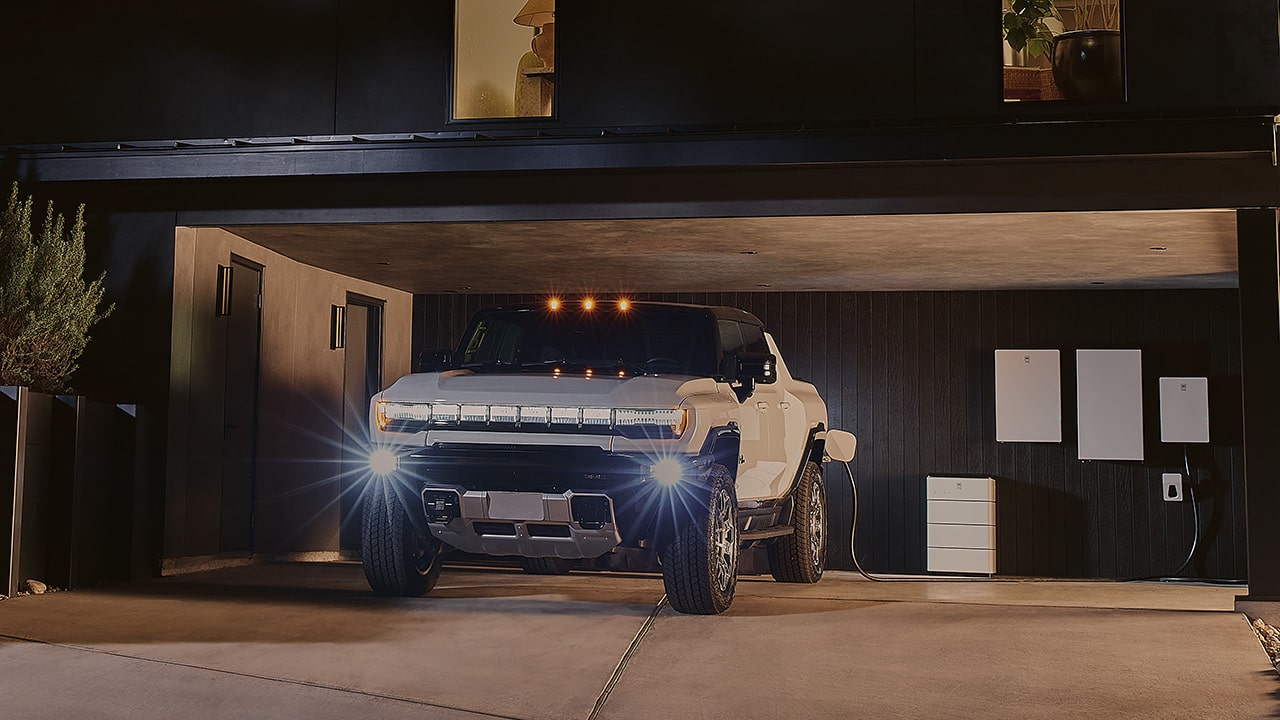
Credit: www.gmc.com
Real-world Battery Life Expectations
For buyers, the biggest questions are: How long will the battery last? and Will it lose range over time?
Most modern EV batteries, including those in the Sierra 1500 EV, are built to last at least 8 to 10 years or 100,000 to 150,000 miles before significant loss of capacity. GMC offers an 8-year or 100,000-mile battery warranty, which matches or exceeds most competitors.
Factors That Affect Battery Longevity
- Temperature: Extreme heat or cold can reduce battery life. Owners in very hot climates may see faster degradation.
- Charging habits: Frequent fast charging can add stress, while regular Level 2 charging is gentler.
- Driving style: Heavy towing, constant high speeds, or rapid acceleration can use more energy and heat the battery.
A real-world example: Early adopters of GM’s Ultium platform, such as the Hummer EV, report minimal range loss after 20,000 miles. While the Sierra 1500 EV is newer, this bodes well for long-term reliability.
Comparing The Sierra 1500 Ev To Other Electric Trucks
To see where the Sierra stands, it helps to compare it with other leading electric trucks—like the Ford F-150 Lightning and the Rivian R1T. Here’s a side-by-side look at key battery data:
| Model | Battery Size (kWh) | EPA Range (miles) | Battery Warranty |
|---|---|---|---|
| GMC Sierra 1500 EV | ~200+ | 400 (projected) | 8 yrs / 100,000 mi |
| Ford F-150 Lightning (Extended) | 131 | 320 | 8 yrs / 100,000 mi |
| Rivian R1T (Large pack) | 135 | 314 | 8 yrs / 175,000 mi |
The Sierra’s battery is the largest, and its projected range leads the class. Its warranty is competitive, though Rivian’s coverage extends a bit farther on mileage.

Credit: www.caranddriver.com
Common Issues And How Gmc Addresses Them
No battery is perfect. Some common concerns among EV owners include:
- Sudden range drops
- Battery overheating
- Slow charging or charging faults
GMC’s warranty covers manufacturing defects, battery replacement, and repairs for most battery-related issues. The Sierra’s advanced BMS is designed to catch problems early. Over-the-air software updates can also fine-tune battery performance or fix bugs, reducing the need for service visits.
One insight many new EV owners miss: Battery preconditioning. Before fast charging, the Sierra can automatically warm or cool its battery to the ideal temperature. This not only speeds up charging but also reduces battery stress.
How To Maximize Your Sierra 1500 Ev Battery Life
Owners can take steps to extend battery health. Here are the top tips:
- Avoid frequent full charges and deep drains. Keep the battery between 20% and 80% for daily use.
- Use Level 2 charging when possible. Save DC fast charging for road trips.
- Park in the shade or in a garage. Extreme heat is the enemy of battery longevity.
- Update your vehicle software. New updates may optimize battery use.
- Precondition the battery before charging in cold or hot weather. This helps the pack operate efficiently.
Many forget that leaving the vehicle parked for long periods with a full or empty battery can also cause degradation. Set a charging limit in the vehicle’s app to avoid this.

Credit: www.caranddriver.com
Warranty And Support: What’s Actually Covered?
The Sierra 1500 EV’s battery warranty covers:
- Defects in materials or workmanship
- Capacity loss below a certain threshold (usually around 70% of original capacity)
- Labor and replacement costs for battery-related repairs
Most warranties do not cover damage from accidents, misuse, or water intrusion (such as deep flooding). Owners should check their policy details for exclusions.
If the battery drops below the guaranteed capacity, GMC will repair or replace it. In most cases, only faulty modules are swapped, not the entire pack.
Real-world Owner Feedback And Reliability
The Sierra 1500 EV is still new, but early reviews from auto journalists and first customers are positive. Owners report:
- Consistent range performance in various weather conditions
- Minimal range loss over the first 10,000–20,000 miles
- No major battery failures reported so far
A few drivers note that fast charging speeds can drop if the battery is too hot after towing or climbing steep hills. This is normal—it’s the system protecting the battery.
One detail many miss: The Sierra’s large battery gives plenty of buffer against range loss. Even after years of use, owners should have more usable range than most other trucks at launch.
Charging Network And Battery Longevity
Battery reliability is tied to charging infrastructure. The Sierra 1500 EV uses the growing Ultium Charge 360 network, which integrates with public chargers across the US.
A key benefit: The truck’s battery can accept high charging rates (up to 350 kW) when conditions are right, making long trips easier. However, frequent use of maximum-speed charging can slowly increase battery wear.
| Charging Method | Charging Speed | Effect on Battery Life |
|---|---|---|
| Level 1 (home outlet) | 2-4 miles/hour | Very low stress |
| Level 2 (240V) | 15-30 miles/hour | Low stress |
| DC Fast Charging | Up to 100 miles in 10 mins | Moderate stress |
For most owners, using a mix of home and public charging balances convenience and battery health.
How The Sierra 1500 Ev Handles Battery Degradation
All lithium-ion batteries slowly lose capacity. The Sierra’s systems are designed to:
- Track state-of-health and warn the owner if there’s an issue
- Blend power from modules to smooth out weak cells
- Allow software updates to improve range or manage aging
If the battery loses more than a set percentage of capacity during the warranty, GMC will replace failing parts.
One important insight: The battery’s initial capacity is so large that even with typical loss (about 2% per year), owners should still have over 350 miles of range after 8 years—much more than today’s average EV truck.
Environmental And Maintenance Factors
The Sierra’s battery is sealed and requires little routine maintenance. However, owners should:
- Check for software updates at least twice a year
- Inspect the underbody for damage after off-roading or impacts
- Keep the battery pack clean and dry
GMC also offers battery recycling at the end of the truck’s life, ensuring materials are reused and not wasted.
The Future Of Battery Reliability
Battery technology is evolving fast. The Ultium platform used in the Sierra 1500 EV can adapt to new cell chemistries and designs. This means future upgrades may be possible, and long-term reliability will only improve.
Compared to gas-powered trucks—which need regular oil changes, transmission service, and more—EVs like the Sierra have fewer moving parts to fail. Most battery reliability issues are caught early by the BMS, long before they affect daily driving.
If you want more technical details about battery technology, the U.S. Department of Energy offers in-depth resources.
Frequently Asked Questions GMC Sierra 1500 Ev Battery Reliability
How Long Does The Sierra 1500 Ev Battery Last?
Most batteries should last 8-10 years or 100,000 to 150,000 miles before significant capacity loss. Many will last longer with proper care.
Does Cold Weather Affect The Sierra 1500 Ev Battery?
Yes, cold temperatures can reduce range temporarily. However, the truck’s thermal management system keeps the battery warm for consistent performance.
Can I Replace The Battery After The Warranty Ends?
Yes, but costs can be high (several thousand dollars). However, only faulty modules are usually replaced—not the entire pack.
Is Fast Charging Bad For The Sierra’s Battery?
Occasional fast charging is fine. Frequent fast charging can slowly increase battery wear. Mixing Level 2 and fast charging is best for long-term health.
What Happens If The Battery Fails Under Warranty?
GMC will repair or replace the faulty parts or modules at no cost to you, as long as the failure is covered by the warranty.
The GMC Sierra 1500 EV sets a new standard for battery reliability in electric trucks. With advanced engineering, smart management, and strong warranties, it offers peace of mind for buyers making the switch to electric. By following best practices and staying informed, owners can expect years of dependable service and strong performance on any road.
Disclosure: As an Amazon Associate, I may earn from qualifying purchases at no extra cost to you. Amazon and the Amazon logo are trademarks of Amazon.com, Inc, or its affiliates.
- Amazon, Amazon Prime, the Amazon logo and Amazon Prime logo are trademarks of Amazon. com, Inc. or its affiliates.

I am Sadman, the founder of CarSensorHub.com, where I share my passion for cars and technology. I specialize in writing detailed reviews and helpful guides on car gadgets, accessories, safety tools and many more. My mission is to help car owners discover the best products and tips to improve their driving experience and stay safe on the road.