If your Ford F-150 isn’t running like it used to, you might not think about the MAF sensor right away. But this small part, known as the Mass Air Flow sensor, plays a big role in how your truck’s engine breathes and performs. When it gets dirty, your F-150 can start acting strangely, and the warning signs aren’t always obvious. Understanding the symptoms of a dirty MAF sensor helps you catch problems early, avoid bigger repairs, and keep your truck running smoothly.
What Is The Maf Sensor In The F-150?
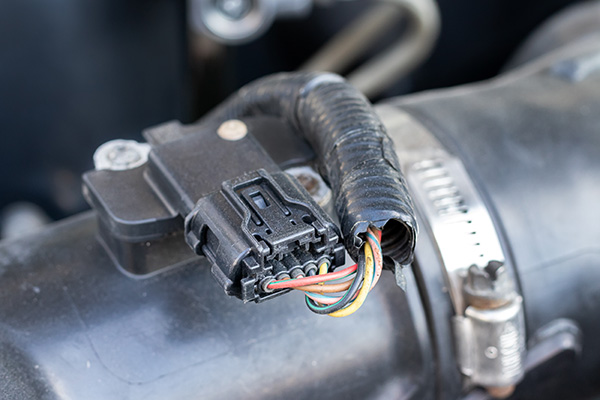
The MAF sensor sits in the intake air duct between the air filter and the throttle body. Its job is to measure the amount of air going into the engine. The engine control unit (ECU) uses this information to decide how much fuel to inject. If the sensor gets dirty or fails, the air-fuel mix can become incorrect, causing all sorts of problems.
Why Does The F-150 Maf Sensor Get Dirty?
Dust, oil, and debris from the air filter can stick to the delicate wires or film inside the sensor. Over time, even a small layer of dirt can cause incorrect readings. If you have an aftermarket oiled air filter or drive in dusty conditions, the risk is even higher.
Cleaning or replacing the sensor at the right time can prevent many issues.
Common Symptoms Of A Dirty F-150 Maf Sensor
Let’s break down the most common signs your MAF sensor needs attention. Not all symptoms will show at once, but even one can mean it’s time to check the sensor.
1. Rough Idle
The engine may shake or vibrate when the truck is stopped. Idle speed can jump up and down.
2. Stalling
Your F-150 may stall when coming to a stop, especially after the engine warms up.
3. Hesitation Or Jerking
When you press the gas, the truck might hesitate or jerk instead of accelerating smoothly.
4. Poor Acceleration
It can feel like your truck is sluggish, or you need to press harder on the gas pedal to get normal response.
5. Hard Starting
The engine might crank longer before starting, or require multiple tries.
6. Black Smoke From Exhaust
A dirty MAF sensor can make the engine run rich, causing black smoke from the tailpipe.
7. Bad Fuel Economy
You may notice you’re filling up more often. A rich or lean fuel mix wastes fuel.
8. Check Engine Light
The warning light might come on, often with codes like P0101, P0102, or P0103.
9. Engine Surging
RPMs may rise and fall on their own, especially at steady speeds.
10. Misfiring
You might feel the engine shake, or hear popping sounds, especially when accelerating.
How A Dirty Maf Sensor Impacts Your F-150
Let’s look at how these symptoms affect your driving experience and your truck’s health.
Wasted Fuel And Higher Costs
A dirty MAF sensor causes the engine to use more fuel. Even small errors in air measurement lead to extra gas burned, costing you money at the pump.
Engine Damage Over Time
Running lean (too little fuel) or rich (too much fuel) for a long time can damage spark plugs, oxygen sensors, or even the catalytic converter. These repairs are much more expensive than cleaning a sensor.
Reduced Performance And Safety
Sluggish acceleration or stalling can be dangerous, especially in traffic or when merging. Your F-150 might not respond when you need it most.
Diagnosing A Dirty Maf Sensor
Before replacing parts, it’s important to check if the MAF sensor is really the problem.
Visual Inspection
Remove the MAF sensor and look for dirt or oil on the sensing elements. Even a thin film can cause trouble.
Obd-ii Scan
Use a code reader to check for error codes. P0101, P0102, and P0103 often point to MAF sensor issues, but the codes alone aren’t proof.
Live Data
Some scan tools let you view live sensor data. Compare the air flow readings at idle and under throttle with typical values for your engine.
Substitution
If you have access to another F-150, swapping the sensor can confirm the diagnosis.
Cleaning The Maf Sensor: Step-by-step
If you find your MAF sensor is dirty, cleaning is often enough to restore proper function.
- Turn off the engine and disconnect the battery.
- Locate the sensor on the intake tube (after the air filter).
- Unplug the electrical connector carefully.
- Remove the sensor with the right tool (usually Torx screws).
- Spray MAF sensor cleaner on the sensing wires or film. Do not touch or scrub.
- Let it dry completely (at least 15 minutes).
- Reinstall everything in reverse order.
Never use regular carb or brake cleaner—it can ruin the sensor.
When To Replace The Maf Sensor
If cleaning doesn’t help, or if the sensor is damaged, it’s time to replace it. Use a quality part, as cheap sensors can cause new problems. Most F-150 sensors last over 100,000 miles if kept clean.
Comparison: Dirty Vs. Clean Maf Sensor Performance
Here’s a simple comparison to show how a dirty sensor affects your truck:
| Aspect | Clean MAF Sensor | Dirty MAF Sensor |
|---|---|---|
| Idle Smoothness | Stable | Rough, fluctuating |
| Fuel Economy | Normal | Decreased |
| Acceleration | Responsive | Sluggish/hesitant |
| Emissions | Within limits | May fail tests |
Credit: www.f150ecoboost.net
Other Issues That Mimic A Dirty Maf Sensor
It’s easy to mistake other problems for a dirty sensor. Here are some common ones:
- Vacuum leaks: Air entering the engine after the MAF sensor will cause similar symptoms.
- Bad spark plugs: Misfiring can feel like a fuel or air issue.
- Dirty air filter: Restricts airflow, confusing the MAF sensor.
- Failing fuel pump: Low fuel pressure can cause lean running.
How To Prevent Maf Sensor Problems
A little prevention goes a long way. Here’s what you can do:
- Change your air filter on schedule (every 15,000–30,000 miles).
- Avoid over-oiling aftermarket filters.
- Inspect the air intake for leaks or cracks.
- Clean the MAF sensor every 30,000–50,000 miles if you drive in dusty areas.
Credit: www.southdenverauto.com
F-150 Model Differences: Maf Sensor Location And Access
Not all F-150s are exactly the same. Here’s a quick look at how the MAF sensor location varies:
| F-150 Generation | MAF Sensor Location | Access Difficulty |
|---|---|---|
| 1997–2003 | Near air filter box | Easy |
| 2004–2008 | On intake tube | Moderate |
| 2009–2020 | Integrated, near throttle body | Moderate |
| 2021+ | Close to air filter, more electronics | Moderate to Hard |
Check your owner’s manual for diagrams if you have trouble finding it.
Cost Of Repair: Cleaning Vs. Replacing
What should you expect to pay if your F-150 needs MAF sensor service?
| Service | DIY Cost | Shop Cost |
|---|---|---|
| MAF Sensor Cleaning | $8–$15 (cleaner spray) | $60–$120 |
| MAF Sensor Replacement | $60–$150 (part) | $150–$300 |
DIY cleaning is usually safe and effective. Replacement takes more time but is also straightforward for most owners.
Two Insights F-150 Owners Often Miss
- A dirty MAF sensor can cause transmission shifting problems. Many drivers blame the transmission, but poor air-fuel mix affects shift timing and smoothness.
- Even slight contamination can trigger symptoms. You don’t need a thick layer of dirt—just a thin film of oil or dust can cause major issues.
Resources For Further Learning
The Ford F-150’s MAF sensor is just one part of a complex system. For in-depth repair instructions, visit the official F-Series Wikipedia page for model history and technical details.
Your F-150 works hard, and so should its maintenance. Keeping the MAF sensor clean is a simple way to avoid bigger, costlier problems. When you spot the signs early, you keep your truck running strong and reliable for years to come.

Credit: www.youtube.com
Frequently Asked Questions F-150 Dirty MAF Sensor Symptoms
What Does The MAF Sensor Do In An F-150?
The MAF sensor measures the amount of air entering the engine. This helps the truck’s computer decide how much fuel to add for smooth and efficient running.
How Often Should I Clean The F-150 Maf Sensor?
Clean the MAF sensor every 30,000–50,000 miles, or sooner if you drive in dusty conditions or use an oiled air filter.
Can I Drive With A Dirty Maf Sensor?
It’s possible, but not recommended. Driving with a dirty sensor can cause poor performance, higher fuel use, and long-term engine damage.
Will A Dirty Maf Sensor Cause A Check Engine Light?
Yes, a dirty or faulty MAF sensor can trigger the check engine light, often with codes like P0101.
Is Maf Sensor Cleaning A Diy Job?
Yes. With basic tools and a can of MAF sensor cleaner, most F-150 owners can clean the sensor themselves in about 20 minutes. Just be gentle and let it dry before reinstalling.
Disclosure: As an Amazon Associate, I may earn from qualifying purchases at no extra cost to you. Amazon and the Amazon logo are trademarks of Amazon.com, Inc, or its affiliates.
- Amazon, Amazon Prime, the Amazon logo and Amazon Prime logo are trademarks of Amazon. com, Inc. or its affiliates.

I am Sadman, the founder of CarSensorHub.com, where I share my passion for cars and technology. I specialize in writing detailed reviews and helpful guides on car gadgets, accessories, safety tools and many more. My mission is to help car owners discover the best products and tips to improve their driving experience and stay safe on the road.