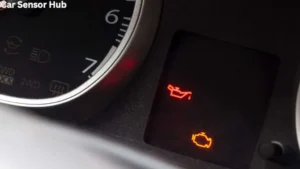
Have you noticed your oil pressure gauge jumping up and down while you’re driving? This can be more than just an annoying flicker on your dashboard—it might be a warning sign that your engine needs attention.
Understanding why your oil pressure gauge fluctuates is key to protecting your car from serious damage and costly repairs. You’ll learn exactly what causes these changes, how to spot the warning signs, and what steps you should take to keep your engine running smoothly.
Don’t ignore those needle movements—they could save you from a breakdown down the road. Keep reading to find out what your car is trying to tell you.
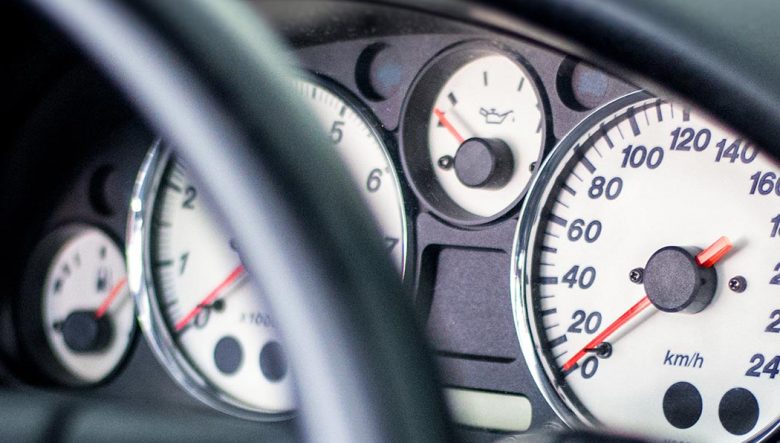
Credit: wheelscene.com
Common Causes Of Fluctuating Oil Pressure
Fluctuating oil pressure can signal problems in your vehicle’s engine. This issue needs attention to avoid severe damage. Understanding common causes helps spot the root of the problem. Below are typical reasons why oil pressure might rise and fall while driving.
Low Oil Level
Low oil level is a frequent cause of pressure changes. Oil lubricates engine parts and keeps them cool. If oil runs low, pressure drops and rises unevenly. Check oil level regularly to prevent this.
Worn Engine Bearings
Engine bearings support moving parts inside the engine. If these bearings wear out, oil pressure can fluctuate. Worn bearings create larger gaps, reducing oil pressure. This problem needs prompt repair to protect the engine.
Faulty Oil Pressure Sending Unit
The oil pressure sending unit measures pressure and sends data to the gauge. A faulty unit can send wrong signals. This causes the gauge to move up and down without real pressure changes.
Clogged Oil Filter
A clogged oil filter blocks oil flow. This blockage leads to irregular oil pressure. Changing the oil filter regularly keeps oil moving smoothly and pressure steady.
Oil Pump Issues
The oil pump moves oil through the engine. If the pump weakens or fails, oil pressure drops. Pump problems often cause sudden pressure drops or spikes. Fixing the pump is crucial for engine health.
Electrical Problems
Electrical faults in the gauge or wiring can cause false readings. Loose wires or bad connections affect the oil pressure gauge. Checking the electrical system can solve fluctuating gauge issues.

Credit: www.reddit.com
Symptoms Linked To Oil Pressure Fluctuations
Oil pressure fluctuations can cause several noticeable symptoms. These signs warn about possible engine problems. Paying attention to these symptoms can help prevent serious damage. Knowing what to look for keeps your vehicle safer on the road.
Engine Warning Lights
The oil pressure warning light may flicker or stay on. This light signals trouble in the oil system. Ignoring it can lead to engine failure. Always check the oil level and pressure gauge if the light appears.
Unusual Engine Noises
Low or fluctuating oil pressure can cause strange engine sounds. Listen for knocking, ticking, or tapping noises. These sounds happen when parts do not get enough lubrication. They indicate urgent oil system issues that need fixing.
Engine Overheating
Oil helps cool the engine. Fluctuating pressure can reduce this cooling effect. The engine may run hotter than normal. Overheating damages engine parts quickly. Watch the temperature gauge closely during oil pressure problems.
Reduced Engine Performance
Oil pressure issues often cause the engine to lose power. You may feel sluggish acceleration or rough idling. This happens because the engine cannot work smoothly. Prompt attention to oil pressure helps maintain good performance.
Diagnosing Oil Pressure Problems
Diagnosing oil pressure problems requires careful checks and testing. Oil pressure gauges can fluctuate for several reasons. Identifying the exact cause helps avoid serious engine damage. Follow these steps to find the issue quickly and safely.
Checking Oil Level And Condition
Start by checking the oil level using the dipstick. Low oil can cause pressure drops and gauge fluctuations. Look at the oil’s color and texture. Dark, dirty oil may block passages and reduce pressure. Change the oil if it looks old or contaminated. Proper oil level and clean oil keep the engine running smoothly.
Testing The Oil Pressure Sensor
The oil pressure sensor sends signals to the gauge. A faulty sensor can cause wrong readings. Unplug the sensor and test it with a multimeter. Replace the sensor if readings are outside the normal range. A good sensor helps maintain accurate oil pressure information.
Measuring Actual Oil Pressure
Use a mechanical oil pressure gauge for accurate measurement. Attach it to the engine’s oil pressure port. Start the engine and watch the gauge. Compare readings with the manufacturer’s specifications. Low oil pressure indicates a deeper problem. This test confirms if the gauge or sensor is faulty.
Inspecting Oil Pump And Bearings
The oil pump moves oil through the engine. Worn pump parts reduce pressure and cause fluctuations. Check the pump for wear and damage. Also, inspect engine bearings for signs of wear. Damaged bearings can cause oil pressure to drop. Fixing these parts restores steady oil pressure and protects the engine.
Quick Fixes For Oil Pressure Fluctuations
Oil pressure gauge fluctuations can cause worry during driving. Quick fixes help avoid damage and keep the engine running smoothly. Some simple steps can solve the problem fast. These fixes do not need special tools or skills. Acting quickly prevents bigger car troubles.
Topping Up Or Changing Oil
Low oil level often causes pressure changes. Check the oil level with the dipstick. Add the right type of oil if it is low. Old or dirty oil can also cause issues. Change the oil regularly to keep it clean. Clean oil flows better and protects the engine.
Replacing Oil Pressure Sensor
The sensor may give false readings if it is faulty. A bad sensor causes the gauge to jump or drop. Replacing the sensor is usually simple and cheap. Locate the sensor near the engine block. Unscrew the old sensor and screw in the new one carefully.
Changing Oil Filter
A clogged oil filter restricts oil flow and causes pressure drops. Replacing the filter improves oil flow and stabilizes pressure. Change the oil filter during every oil change. Use the correct filter type for your vehicle. Proper installation avoids leaks and further problems.
Fixing Electrical Connections
Loose or corroded wires can cause wrong gauge readings. Inspect the wiring around the sensor and gauge. Clean dirty connectors and tighten loose wires. Replace damaged wires to restore proper signals. Good electrical connections ensure the gauge works accurately.
When To Seek Professional Help
Knowing when to seek professional help is key if your oil pressure gauge fluctuates while driving. Some changes in the gauge are normal, but others warn of serious trouble. Acting quickly can save your engine from costly damage.
Watch for signs that the problem is not just a simple glitch. A mechanic can check the oil system and engine parts thoroughly. Do not ignore symptoms that suggest deeper issues.
Persistent Fluctuations
If the oil pressure gauge moves up and down often without stopping, it shows a persistent problem. This behavior means the oil pressure is not steady. A steady oil flow is vital to protect the engine parts.
Persistent fluctuations can mean a failing oil pump or clogged oil filter. A professional mechanic will test the pressure and find the exact cause. Continuous oil pressure issues can lead to engine wear or failure.
Unusual Noises Or Engine Behavior
Odd sounds like knocking or ticking from the engine point to oil problems. These noises happen when parts lack enough oil. The engine might also run rough or lose power.
Such signs need immediate attention. A mechanic can inspect the engine and oil system. Ignoring unusual noises risks more damage and higher repair costs.
Signs Of Internal Engine Damage
Warning signs like smoke from the exhaust or burning oil smell indicate internal damage. These symptoms suggest the oil is not lubricating engine parts properly.
Internal damage requires expert diagnosis and repair. A professional will check for worn bearings, damaged pistons, or other issues. Early repair can prevent a complete engine breakdown.

Credit: www.chevyavalanchefanclub.com
Preventive Measures To Maintain Stable Oil Pressure
Stable oil pressure keeps your engine running smoothly. It helps prevent damage and expensive repairs. Taking simple steps can protect your vehicle’s engine health. These preventive measures ensure your oil pressure stays steady while driving.
Regular Oil Changes
Changing oil regularly keeps engine parts well-lubricated. Old oil loses its ability to flow properly. This can cause oil pressure to drop or fluctuate. Follow the manufacturer’s recommended oil change schedule. Fresh oil helps maintain consistent pressure and better engine performance.
Using Quality Oil And Filters
Choose oil and filters that match your vehicle’s needs. Low-quality oil may break down faster and cause pressure issues. Good filters remove dirt and debris from the oil. Clean oil prevents blockages that affect pressure. Using the right products supports steady oil flow and pressure.
Routine Engine Inspections
Regular engine checks can spot problems early. Inspect the oil pump, pressure sensor, and engine seals. Worn or damaged parts may cause pressure fluctuations. Fixing these issues on time avoids bigger engine damage. Routine inspections keep oil pressure stable and engine safe.
Monitoring Dashboard Indicators
Watch your dashboard for oil pressure warnings. Lights or gauges can signal pressure drops or spikes. Address these alerts immediately to prevent engine damage. Ignoring warnings may lead to costly repairs. Staying alert helps maintain stable oil pressure and vehicle health.
Frequently Asked Questions
Why Is My Oil Pressure Gauge Fluctuating While Driving?
Oil pressure gauge fluctuations can indicate low oil levels, faulty sensors, or a failing oil pump. It’s important to check oil levels first. If levels are fine, the sensor or pump might need inspection or replacement to avoid engine damage.
Can A Faulty Oil Pressure Sensor Cause Gauge Fluctuations?
Yes, a faulty oil pressure sensor can cause erratic gauge readings. Sensors send oil pressure data to the gauge. If the sensor malfunctions, the gauge may show incorrect or fluctuating pressure, misleading the driver about the engine’s actual condition.
How Does Low Oil Level Affect Oil Pressure Gauge?
Low oil levels reduce oil flow, causing pressure drops. This results in fluctuating or low readings on the gauge. Maintaining proper oil levels is crucial to keep consistent oil pressure and prevent engine wear or damage.
Is It Safe To Drive With Fluctuating Oil Pressure Gauge?
Driving with a fluctuating oil pressure gauge is risky. It may signal engine lubrication problems, risking severe damage. Stop driving immediately if the gauge fluctuates and have your vehicle inspected by a mechanic to avoid costly repairs.
Conclusion
A fluctuating oil pressure gauge can signal trouble ahead. Watch for unusual changes in the gauge while driving. These shifts might mean an issue with your engine’s lubrication. Act quickly to avoid costly repairs or breakdowns. Regular vehicle checks help keep oil pressure steady.
Trust your car’s signals—they protect your engine’s health. Stay alert, and don’t ignore warning signs. Safe driving depends on a well-maintained engine and reliable gauges.
Disclosure: As an Amazon Associate, I may earn from qualifying purchases at no extra cost to you. Amazon and the Amazon logo are trademarks of Amazon.com, Inc, or its affiliates.
- Amazon, Amazon Prime, the Amazon logo and Amazon Prime logo are trademarks of Amazon. com, Inc. or its affiliates.

I am Sadman, the founder of CarSensorHub.com, where I share my passion for cars and technology. I specialize in writing detailed reviews and helpful guides on car gadgets, accessories, safety tools and many more. My mission is to help car owners discover the best products and tips to improve their driving experience and stay safe on the road.