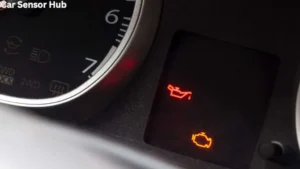
Have you ever wondered how long your oil pressure sensor can keep up with your car’s demands? This little part plays a big role in keeping your engine safe and running smoothly.
But if it starts to fail, you might not notice until it’s too late. Knowing the typical mileage lifespan of your oil pressure sensor can save you from costly repairs and unexpected breakdowns. You’ll discover exactly how long you can expect this sensor to last and what signs to watch for before it gives out.
Keep reading to protect your engine and drive with confidence.

Credit: www.youtube.com
Oil Pressure Sensor Basics
The oil pressure sensor plays a key role in a vehicle’s engine health. It measures the oil pressure inside the engine. This data helps the car’s computer keep the engine running smoothly. Knowing the basics of this sensor helps understand its importance and lifespan.
Role In Engine Performance
The sensor checks oil pressure constantly. Oil pressure tells if engine oil flows well. Proper oil flow keeps engine parts from wearing out. Low oil pressure can cause engine damage. The sensor sends signals to the dashboard gauge. It alerts drivers to potential oil problems. This helps prevent costly engine repairs.
Common Sensor Types
Two main types of oil pressure sensors exist. Mechanical sensors use a small diaphragm to detect pressure. They work with a gauge on the dashboard. Electronic sensors use electrical signals to report pressure. Most modern cars use electronic sensors. These sensors provide accurate and fast readings. Both types serve the same purpose but differ in design.

Credit: bulletproofdiesel.com
Factors Affecting Sensor Lifespan
The lifespan of an oil pressure sensor depends on several key factors. These elements influence how long the sensor can work correctly before needing replacement. Understanding these factors helps in maintaining the sensor and avoiding sudden failures.
Vehicle Mileage Impact
As the vehicle’s mileage increases, parts wear down, including sensors. High mileage can cause the oil pressure sensor to degrade faster. Constant exposure to heat and engine vibrations reduces sensor life. Regular checks become important after the vehicle reaches high mileage.
Driving Conditions And Habits
Driving in harsh conditions strains the oil pressure sensor. Rough roads, stop-and-go traffic, and extreme temperatures add stress. Aggressive driving with sudden acceleration affects sensor performance. Gentle driving habits help the sensor last longer.
Oil Quality And Maintenance
Using poor-quality oil can damage the sensor. Dirty oil clogs passages and affects sensor readings. Regular oil changes keep the sensor clean and working well. Proper maintenance extends the sensor’s lifespan significantly.
Typical Mileage Range For Sensors
Oil pressure sensors play a key role in keeping your engine safe. These sensors measure the oil pressure and send data to your car’s computer. Knowing how long these sensors last helps you plan maintenance. The typical mileage range for oil pressure sensors varies based on quality and driving conditions. Generally, they last long but can wear out over time. Understanding their lifespan helps spot problems early and avoid engine damage.
Average Lifespan Estimates
Most oil pressure sensors last between 30,000 and 100,000 miles. Quality sensors from top brands usually last closer to 100,000 miles. Cheaper sensors may wear out sooner, around 30,000 to 50,000 miles. Harsh driving conditions or poor oil quality can reduce sensor life. Regular oil changes help sensors last longer. Check your car’s manual for specific guidance on sensor lifespan.
Signs Of Sensor Wear
Watch for a sudden drop or rise in oil pressure readings. Warning lights on the dashboard may turn on unexpectedly. The engine might make unusual noises if oil pressure is low. Sometimes the sensor gives false alerts or no alerts at all. If you notice these signs, have a mechanic inspect the sensor. Early detection avoids costly engine repairs and keeps your car running smoothly.
Symptoms Of A Failing Sensor
The oil pressure sensor plays a key role in your car’s health. It checks the oil pressure and sends signals to your dashboard. A failing sensor can cause problems that affect your vehicle’s performance and safety. Recognizing the signs early helps avoid costly repairs and breakdowns. Here are common symptoms to watch for.
Warning Lights And Gauges
The most obvious sign is the oil pressure warning light on your dashboard. It may turn on or flicker without reason. Sometimes, the oil pressure gauge shows unusual readings. It could jump between low and normal levels quickly. These signals mean the sensor may not be working correctly.
Ignoring these warning lights can lead to serious engine damage. The sensor helps alert you to low oil pressure before the engine suffers. Pay close attention to any irregular lights or gauge behavior.
Engine Performance Issues
A failing oil pressure sensor can cause the engine to run poorly. You might notice rough idling or stalling. The engine may hesitate or lose power during acceleration. Oil pressure problems can also trigger the check engine light.
These issues occur because the engine control unit gets wrong information from the sensor. It may reduce engine power to prevent damage. If your car shows these symptoms, check the oil pressure sensor as a possible cause.
Sensor Replacement Tips
Replacing an oil pressure sensor is important to keep your engine running smoothly. Choosing the right sensor and deciding who will install it are key steps. These tips will help you make smart choices and avoid common mistakes.
Choosing The Right Sensor
Pick a sensor that fits your car’s make and model. Check the part number and compare it with your old sensor. Use original or high-quality aftermarket sensors. Cheap sensors can fail early and cause more problems. Ask a mechanic or check your car’s manual for guidance.
Diy Vs Professional Installation
Installing the sensor yourself can save money. You only need basic tools and a little patience. Be sure to disconnect the battery before starting. Follow instructions carefully to avoid damage. If unsure, a professional mechanic can do it fast and correctly. They also check for other engine issues while replacing the sensor.
Preventive Maintenance
Preventive maintenance helps keep your oil pressure sensor working longer. It protects the engine and avoids costly repairs. Small, regular steps can extend the sensor’s life and improve car performance.
Taking care of your engine prevents sensor damage from dirt and wear. It keeps oil flowing smoothly and sensors reading accurately. This saves money and keeps your car running safely.
Regular Oil Changes
Changing oil on time keeps the engine clean and parts moving well. Dirty oil can clog the sensor and cause false readings. Fresh oil reduces friction and heat, protecting the sensor from wear. Follow the car manual for oil change intervals. Use the right oil type to ensure sensor health.
Routine Engine Checks
Check the engine often for leaks or unusual noises. Look for oil leaks near the sensor area. Early fixes stop damage to the sensor and engine parts. Inspect wiring and connectors for signs of wear or corrosion. Clean sensor parts gently to keep them working properly.
Cost Considerations
Cost plays a big role in deciding when to replace an oil pressure sensor. Knowing the price helps you plan your budget. It also helps you avoid surprises during repairs. Costs include the price of the sensor and the labor to install it.
Sensor Price Range
The price of an oil pressure sensor varies by car model. Basic sensors can cost as low as $20. More advanced or brand-name sensors may cost up to $100 or more. Buying from a trusted brand ensures better quality and durability. Avoid very cheap sensors as they may fail quickly.
Labor And Service Fees
Labor costs depend on the mechanic and your location. Simple replacements take about 30 minutes to an hour. Labor fees can range from $50 to $150 or higher. Some shops charge a flat rate, while others charge by the hour. Always ask for a clear estimate before work begins.

Credit: www.reddit.com
Frequently Asked Questions
How Long Does An Oil Pressure Sensor Typically Last?
An oil pressure sensor usually lasts between 50,000 to 100,000 miles. Its lifespan depends on driving conditions and maintenance. Regular oil changes help extend sensor life. Faulty sensors can cause inaccurate readings, so timely replacement is important.
What Signs Indicate A Failing Oil Pressure Sensor?
Common signs include fluctuating oil pressure gauge, warning lights, or engine performance issues. A faulty sensor may cause false alerts or no alerts at all. If you notice these symptoms, have the sensor checked promptly to avoid engine damage.
Can A Bad Oil Pressure Sensor Affect Engine Performance?
Yes, a bad sensor can cause incorrect pressure readings, leading to improper engine management. This may trigger warning lights or cause the engine to run inefficiently. Replacing a faulty sensor ensures accurate monitoring and protects the engine.
Is Replacing An Oil Pressure Sensor Difficult?
Replacing an oil pressure sensor is typically straightforward and can be done with basic tools. However, some vehicles may require professional service due to sensor location. Always consult your vehicle manual or a mechanic for proper replacement guidance.
Conclusion
Oil pressure sensors usually last between 50,000 and 100,000 miles. Their life depends on driving habits and oil quality. Regular oil changes help keep sensors working well. Watch for warning signs like flickering gauges or oil pressure lights. Replacing a faulty sensor early can save costly engine repairs.
Keep your car checked often to ensure sensor health. A well-maintained sensor helps your engine run smoothly. Simple care extends sensor life and protects your vehicle.
Disclosure: As an Amazon Associate, I may earn from qualifying purchases at no extra cost to you. Amazon and the Amazon logo are trademarks of Amazon.com, Inc, or its affiliates.
- Amazon, Amazon Prime, the Amazon logo and Amazon Prime logo are trademarks of Amazon. com, Inc. or its affiliates.

I am Sadman, the founder of CarSensorHub.com, where I share my passion for cars and technology. I specialize in writing detailed reviews and helpful guides on car gadgets, accessories, safety tools and many more. My mission is to help car owners discover the best products and tips to improve their driving experience and stay safe on the road.