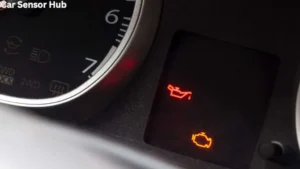
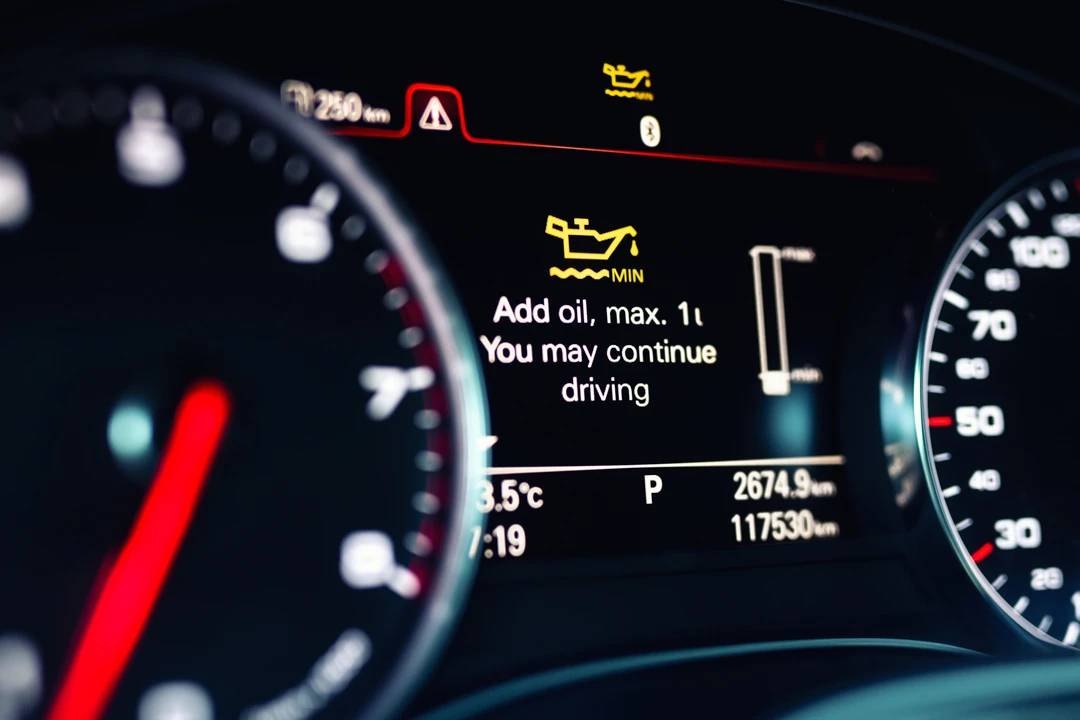
Have you ever heard a ticking noise coming from your engine while your oil pressure warning light is on? That sound can be more than just annoying—it’s a sign that your car needs your immediate attention.
Ignoring it could lead to serious damage and costly repairs. You’ll discover what causes that ticking noise, why the oil pressure warning matters, and what steps you should take right now to protect your engine. Keep reading to save your car and avoid unexpected breakdowns.
Credit: www.utires.com
Engine Ticking Noise Basics
An engine ticking noise can sound like a light tapping or clicking from the engine. This noise often worries car owners, especially when it comes with an oil pressure warning. Understanding the basics helps identify the problem early. It also prevents more serious damage to the engine.
Engine ticking can have many causes. The sound is usually linked to the engine’s moving parts and how well they are lubricated. Low oil pressure often makes these sounds louder and more frequent. Knowing what causes the ticking and the role of oil pressure is key to keeping the engine healthy.
What Causes Engine Ticking
Engine ticking happens due to various reasons. One common cause is low oil levels. Without enough oil, metal parts rub against each other. This friction creates the ticking noise. Another cause is worn engine parts like lifters or valves. These parts move rapidly and need oil to stay quiet.
Dirty or old oil can also cause ticking. Thick or contaminated oil does not flow well. This reduces lubrication and causes noise. Sometimes, the ticking comes from exhaust leaks or spark plugs. Still, oil-related issues are the most common cause when the noise occurs with an oil pressure warning.
Role Of Oil Pressure In Engine Health
Oil pressure keeps the engine parts moving smoothly. It forces oil to flow through small passages in the engine. This oil cushions and cools the parts. Good oil pressure protects the engine from wear and tear. Low oil pressure means less oil reaches these parts. This causes metal parts to grind and tick.
Maintaining proper oil pressure helps avoid engine damage. The oil pump creates this pressure by moving oil from the pan. Worn pumps or blocked filters reduce oil flow and pressure. Regular oil changes keep the oil clean and thick enough to flow well. Watching the oil pressure warning light is vital to catch problems early.
Credit: www.hotshotsecret.com
Common Causes Of Ticking With Oil Pressure Warning
Engine ticking noise combined with an oil pressure warning signals potential engine problems. This noise usually indicates an issue with the engine’s lubrication system. Understanding common causes helps prevent serious damage. Here are the main reasons behind this ticking sound and warning light.
Low Oil Level Or Quality
Low oil level reduces lubrication inside the engine. This causes metal parts to rub together and create a ticking noise. Poor oil quality also fails to protect engine parts. Dirty or old oil loses its ability to lubricate properly. Checking oil level and changing oil on time keeps the engine running smoothly.
Oil Pump Malfunction
The oil pump pushes oil throughout the engine. A failing pump cannot deliver enough oil pressure. This causes insufficient lubrication and a ticking sound. The engine parts may wear out fast without proper oil flow. Repairing or replacing the oil pump restores normal pressure and stops the noise.
Worn Engine Components
Engine parts like lifters, valves, and pistons wear out over time. Worn parts can cause a ticking noise due to loose clearances. Low oil pressure worsens this noise by reducing lubrication. Regular maintenance helps spot worn parts early. Fixing them prevents bigger engine damage.
Clogged Oil Passages
Dirt and sludge can block oil passages inside the engine. Blocked passages stop oil from reaching critical parts. This creates ticking sounds as parts move without enough oil. Cleaning the engine and changing oil regularly prevents clogging. Clear passages ensure smooth oil flow and quiet operation.
Faulty Oil Pressure Sensor
The oil pressure sensor monitors pressure and triggers warnings. A faulty sensor may give false low-pressure alerts. This can cause unnecessary worry and ticking noise confusion. Testing and replacing a bad sensor solves this issue. Accurate sensor readings keep you informed about real engine health.
Diagnosing The Problem
Hearing a ticking noise from your engine while the oil pressure warning light is on can be alarming. It signals a possible issue with your engine’s lubrication system. Diagnosing the problem quickly helps avoid costly repairs and engine damage. Follow these steps to identify the cause clearly and safely.
Checking Oil Level And Condition
Start by checking the engine oil level. Use the dipstick to see if the oil is low. Low oil causes poor lubrication and ticking sounds. Look at the oil’s color and texture. Dark or gritty oil means it needs changing. Clean oil helps the engine parts move smoothly.
Testing Oil Pressure
Oil pressure testing gives a clear view of engine health. Attach a mechanical oil pressure gauge to the engine. Compare the reading to the manufacturer’s recommended pressure. Low pressure can cause ticking noises and engine wear. High pressure might indicate a blocked oil passage.
Inspecting Engine Components
Check key engine parts that rely on oil. Look at lifters, camshaft, and valve train for wear or damage. Worn parts may cause ticking and poor oil flow. Also, inspect the oil pump for proper function. Faulty parts need repair or replacement quickly.
Using Diagnostic Tools
Modern cars have onboard diagnostic systems. Use an OBD-II scanner to read error codes related to oil pressure. Codes help pinpoint specific issues like sensor failure or oil pump problems. Diagnostic tools save time and give accurate problem details.
Credit: www.hotshotsecret.com
Fixing Engine Ticking And Oil Pressure Issues
Fixing engine ticking and oil pressure issues requires careful steps. These problems can harm your engine if ignored. Addressing them quickly helps keep your car running smoothly.
Start by checking the oil condition. Old or dirty oil can cause low pressure and ticking sounds. Next, inspect the oil pump and engine parts for damage. Cleaning oil passages and replacing faulty sensors can also solve the problem.
Changing Oil And Filter
Old oil loses its ability to lubricate engine parts. Change the oil and filter regularly. Use the correct oil type for your engine. This helps maintain proper oil pressure and reduces ticking noises.
Replacing Oil Pump
The oil pump moves oil through the engine. A worn or damaged pump lowers oil pressure. Replace the oil pump to restore proper flow. This step stops ticking caused by poor lubrication.
Repairing Or Replacing Engine Parts
Ticking can come from worn engine parts like lifters or valves. Inspect these parts carefully. Repair or replace damaged components to stop the noise. Proper parts help maintain oil pressure as well.
Clearing Oil Passages
Blocked oil passages restrict oil flow. Clean oil passages to ensure smooth flow. Use special tools or solvents to remove sludge or debris. Clear passages support good oil pressure and reduce ticking.
Sensor Replacement And Calibration
Faulty oil pressure sensors give wrong warnings. Replace old sensors with new ones. Calibrate sensors to match your engine’s needs. Accurate sensors help monitor oil pressure correctly.
Preventive Maintenance Tips
Preventive maintenance helps avoid engine problems like ticking noises and oil pressure warnings. Regular care keeps the engine running smoothly and extends its life. Small steps can save big repair costs later.
Regular Oil Changes
Changing oil on time keeps the engine parts lubricated. Old oil loses its ability to protect engine components. Follow the manufacturer’s schedule for oil changes. Fresh oil reduces friction and prevents ticking sounds.
Monitoring Oil Pressure
Check oil pressure regularly to spot issues early. Low oil pressure can cause engine damage and noise. Use the dashboard gauge or install an oil pressure monitor. Early detection helps fix problems before they worsen.
Timely Engine Inspections
Have a mechanic inspect the engine at set intervals. Inspections find worn parts and leaks that cause ticking noises. Regular checks keep the engine in good shape. Do not ignore any unusual sounds or warning lights.
Using Quality Oil And Filters
Choose high-quality oil that meets your engine’s needs. Use good filters to keep oil clean and free of debris. Cheap oil and filters can cause blockages and low pressure. Quality products protect the engine and prevent ticking noises.
Frequently Asked Questions
What Causes Engine Ticking Noise With Oil Pressure Warning?
Engine ticking with oil pressure warning usually indicates low oil levels or worn engine components. Insufficient oil flow causes metal parts to rub, creating a ticking sound. It can also signal a failing oil pump or clogged oil passages. Immediate inspection is crucial to prevent engine damage.
Is Engine Ticking Noise Dangerous To Ignore?
Yes, ignoring engine ticking with oil pressure warnings can cause severe engine damage. It may lead to overheating, increased wear, and eventual engine failure. Addressing the issue promptly can save costly repairs and extend your vehicle’s lifespan.
How To Fix Engine Ticking With Low Oil Pressure?
Start by checking and topping off the engine oil level. If the oil is clean, inspect for leaks or faulty oil pump. Replacing worn lifters or timing components may be necessary. Consult a mechanic for accurate diagnosis and timely repair.
Can Low Oil Pressure Cause Engine Ticking Noise?
Yes, low oil pressure reduces lubrication, causing metal parts to make ticking noises. It stresses engine components and triggers warning lights. Maintaining proper oil levels and quality prevents this issue and protects engine health.
Conclusion
A ticking noise with an oil pressure warning signals a serious issue. Ignoring it can cause engine damage and costly repairs. Regular oil checks help keep your engine healthy. Addressing problems early saves time and money. Always listen to your car’s sounds and warnings.
Taking quick action protects your vehicle’s performance. Stay alert to keep your engine running smoothly.
Disclosure: As an Amazon Associate, I may earn from qualifying purchases at no extra cost to you. Amazon and the Amazon logo are trademarks of Amazon.com, Inc, or its affiliates.
- Amazon, Amazon Prime, the Amazon logo and Amazon Prime logo are trademarks of Amazon. com, Inc. or its affiliates.

I am Sadman, the founder of CarSensorHub.com, where I share my passion for cars and technology. I specialize in writing detailed reviews and helpful guides on car gadgets, accessories, safety tools and many more. My mission is to help car owners discover the best products and tips to improve their driving experience and stay safe on the road.