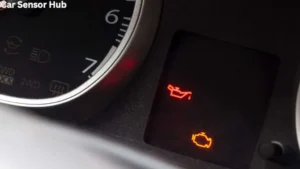
You just finished an oil change, and now your oil pressure light is on. That can be alarming, right?
You might be wondering if you made a mistake or if something serious is wrong with your car. Don’t ignore this warning—it’s your car’s way of telling you something isn’t quite right. You’ll learn why the oil pressure light might come on after an oil change and what you can do to fix it quickly.
Keep reading to protect your engine and avoid costly repairs.
Common Causes Of Oil Pressure Light
The oil pressure light turning on after an oil change can be confusing and worrying. This warning signals that the engine’s oil pressure is low. Low oil pressure can harm your engine if not fixed quickly. Various issues cause this light to come on. Understanding these common causes helps you act fast and keep your car safe.
Low Oil Level
Low oil level is a frequent cause of the oil pressure light. After an oil change, the oil might not be filled enough. A leak or improper filling can reduce oil levels. Check the oil dipstick to see if the oil is low. Adding oil to the right level often solves this problem.
Faulty Oil Pressure Sensor
The oil pressure sensor monitors the oil pressure and sends signals to the dashboard. Sometimes, the sensor itself can fail or give wrong readings. A faulty sensor may cause the oil pressure light to turn on even when pressure is fine. Replacing the sensor can fix this issue.
Oil Filter Issues
The oil filter cleans the oil before it circulates in the engine. A clogged or damaged oil filter can block oil flow. This blockage reduces oil pressure and triggers the warning light. Changing the oil filter during the oil change is essential to avoid this problem.
Oil Pump Problems
The oil pump moves oil through the engine to keep it lubricated. If the pump is worn out or broken, oil pressure drops. Pump issues are serious and need quick repair. Driving with a bad oil pump can cause engine damage.
Incorrect Oil Type Or Viscosity
Using the wrong oil type or viscosity affects oil pressure. Oil that is too thick or thin can change how it flows in the engine. Always use the oil grade recommended in the vehicle’s manual. Correct oil helps maintain proper pressure and engine health.

Credit: www.reddit.com
Diagnosing The Problem
After an oil change, seeing the oil pressure light on can cause worry. The light means the engine might not have enough oil pressure. This can harm the engine if not fixed fast. Diagnosing the problem helps find the cause. It guides the next steps to keep the engine safe.
Checking Oil Level And Condition
Start by checking the oil level with the dipstick. The oil should be between the minimum and maximum marks. Too little oil can cause low pressure. Also, look at the oil’s color and thickness. Dirty or thin oil may not protect the engine well. Fixing oil level and condition often solves the issue.
Inspecting The Oil Pressure Sensor
The oil pressure sensor tells the car about oil pressure. It can fail or give wrong readings after an oil change. Check the sensor’s wiring for damage or loose connections. Replace the sensor if it looks broken or old. A bad sensor can make the light stay on without a real problem.
Examining The Oil Filter
The oil filter removes dirt from the oil. A clogged or wrong filter can block oil flow. Look for leaks or loose fittings around the filter. Change the filter if it seems dirty or damaged. Using the right filter keeps oil flowing and pressure steady.
Testing Oil Pressure With A Gauge
Use a mechanical gauge to test real oil pressure. This tool gives a clear reading of pressure inside the engine. Connect it to the engine at the oil pressure sensor port. Start the engine and watch the gauge. Compare the reading to your vehicle’s normal range. Low pressure here means a real problem, not just a sensor error.
Quick Fixes After Oil Change
The oil pressure light turning on after an oil change can be worrying. It may signal a simple issue or something that needs a quick fix. Checking a few things can often solve the problem fast. This saves time and avoids costly repairs.
Many common causes are easy to fix with basic steps. Doing these can help your car run smoothly again. Here are some quick fixes to try after an oil change.
Topping Off Or Changing Oil
Low oil level is a common cause of the oil pressure light. Check the oil dipstick to see if the oil is low. Add oil slowly to avoid overfilling. Using the wrong oil type may also cause pressure issues. Replace the oil with the correct grade if needed.
Replacing The Oil Pressure Sensor
The oil pressure sensor may fail or give wrong signals. This can cause the light to stay on after oil change. Replace the sensor if it is faulty. A new sensor can send correct oil pressure readings to the dashboard.
Changing The Oil Filter
A clogged or wrong oil filter can reduce oil flow. This can trigger the oil pressure light. Replace the oil filter with a new one made for your car. Make sure it is installed properly to avoid leaks or blockages.
Resetting The Oil Pressure Light
The light may stay on due to a system error. Reset the oil pressure light by turning off the engine. Disconnect the battery for a few minutes. Reconnect and start the car to check if the light goes off.
Credit: www.reddit.com
Preventing Oil Pressure Issues
Keeping your oil pressure steady after an oil change is key to your engine’s health. Low oil pressure can cause serious damage fast. Taking steps to prevent oil pressure problems saves money and stress. Understanding how to care for your car helps avoid these issues.
Choosing The Right Oil
Use oil that matches your car’s manual. The right oil thickness helps maintain pressure. Thinner oil may cause low pressure, thick oil can cause high pressure. Choose quality oil from trusted brands. Avoid mixing different oil types in your engine.
Regular Maintenance Tips
Check your oil level often. Dirty oil or clogged filters reduce pressure. Change oil and filters on time. Clean oil passages keep pressure steady. Inspect oil pump and sensor regularly. Fix small leaks before they grow big.
Recognizing Warning Signs Early
Watch for warning lights on the dashboard. Strange noises from the engine can indicate low oil pressure. Your engine might run rough or overheat. Pay attention to oil smell or smoke. Early spotting of these signs helps avoid big repairs.
When To Seek Professional Help
Knowing when to get professional help after an oil change is important. The oil pressure light can sometimes signal serious problems. Acting fast can save your engine from damage.
Persistent Oil Pressure Light
If the oil pressure light stays on after an oil change, it shows a problem. The oil may not be flowing properly. The sensor or oil pump might be faulty. A mechanic can find the exact cause and fix it safely.
Unusual Engine Noises Or Performance
Strange sounds like knocking or ticking are signs of trouble. The engine may run rough or lose power. These noises can mean the oil is not lubricating well. Immediate professional checks can prevent engine damage.
Oil Leaks And Other Symptoms
Oil spots under the car or burning smells need attention. Leaks lower oil levels and harm the engine. Other signs include smoke from the exhaust or overheating. A mechanic can inspect and repair these issues promptly.
Credit: www.integrity1auto.com
Frequently Asked Questions
Why Is Oil Pressure Light On After Oil Change?
The oil pressure light may turn on due to low oil level, faulty oil sensor, or improper oil filter installation. Check oil level first. If full, inspect the oil pressure sensor and oil filter for issues. Addressing these can resolve the warning light promptly.
Can A Bad Oil Filter Cause Oil Pressure Light?
Yes, a clogged or improperly installed oil filter can restrict oil flow. This causes low oil pressure and triggers the warning light. Always ensure the correct filter is used and installed properly during an oil change to prevent pressure issues.
How To Reset Oil Pressure Light After Oil Change?
Usually, the oil pressure light resets automatically once the issue is fixed and the engine restarts. If it stays on, disconnect the battery for a few minutes or use a diagnostic tool to clear the error code. Consult a mechanic if unresolved.
Is Low Oil Level Causing Oil Pressure Light Post-change?
Low oil level after an oil change can trigger the oil pressure light. Double-check the oil level using the dipstick and add oil if needed. Maintaining the correct oil level is essential to keep proper pressure and engine health.
Conclusion
The oil pressure light on after an oil change signals a possible issue. Check the oil level first. Low or dirty oil can cause the light to stay on. Also, inspect the oil filter and sensor for problems. Driving with this warning can harm your engine.
Act quickly to avoid costly repairs. Regular oil checks keep your car healthy. Trust your car’s signals—they help prevent bigger troubles. Stay safe and keep your engine running smoothly.
Disclosure: As an Amazon Associate, I may earn from qualifying purchases at no extra cost to you. Amazon and the Amazon logo are trademarks of Amazon.com, Inc, or its affiliates.
- Amazon, Amazon Prime, the Amazon logo and Amazon Prime logo are trademarks of Amazon. com, Inc. or its affiliates.

I am Sadman, the founder of CarSensorHub.com, where I share my passion for cars and technology. I specialize in writing detailed reviews and helpful guides on car gadgets, accessories, safety tools and many more. My mission is to help car owners discover the best products and tips to improve their driving experience and stay safe on the road.