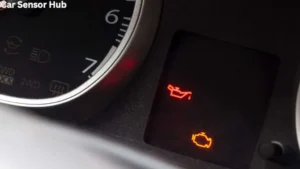
The check engine light is a warning no driver likes to see. When a code like P0521 appears, it signals something specific—trouble with your engine’s oil pressure sensor or its range and performance. Many drivers feel anxious, but understanding what this code means, what causes it, and how to fix it can save you money and stress. This article offers a clear, complete guide to the P0521 code, giving you practical advice, real examples, and expert insights.
What Is The P0521 Code?
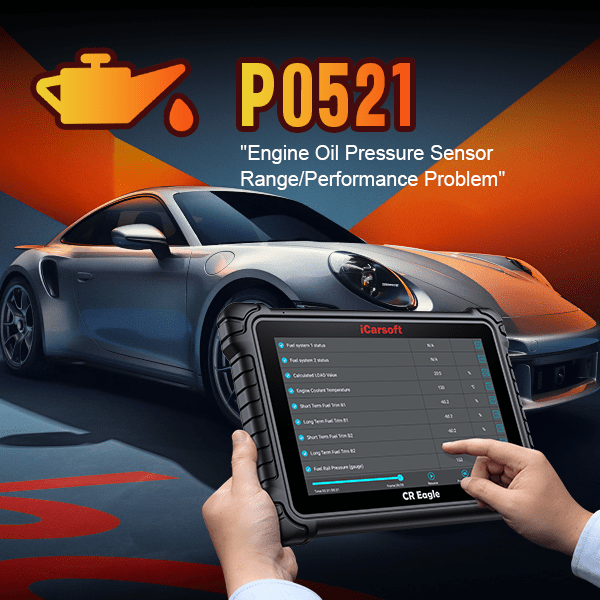
The P0521 trouble code is a diagnostic code set by your vehicle’s Engine Control Module (ECM). It’s defined as “Engine Oil Pressure Sensor/Switch Range/Performance Problem.” In simple terms, the ECM has detected that the oil pressure sensor signal is out of the expected range or behaving abnormally.
Oil pressure is critical for your engine. It keeps moving parts lubricated and prevents damage. The oil pressure sensor sends real-time data to the ECM, which uses this information to adjust engine operation and protect the engine. When the sensor gives readings outside a normal range, or if the signal jumps unexpectedly, the ECM sets the P0521 code.
Why Oil Pressure Matters
Your engine’s parts move at high speeds and under intense heat. Oil forms a thin film between these moving parts, preventing metal-on-metal contact. If oil pressure is too low, this film breaks down, causing rapid wear and even catastrophic engine failure. If the oil pressure is too high, it can burst seals or damage components.
The oil pressure sensor plays a key role. It constantly monitors pressure and alerts the ECM (and sometimes the driver) if there’s a problem. If this sensor fails, your engine may not be protected from low or high oil pressure situations.
Credit: www.icarsoft-us.com
Common Symptoms Of P0521
When the P0521 code appears, you might notice several warning signs:
- Check Engine Light: The most obvious sign. It appears on your dashboard.
- Low Oil Pressure Warning: Some cars have a dedicated oil pressure warning lamp.
- Engine Noise: Ticking, knocking, or rattling sounds—especially after starting.
- Poor Engine Performance: Reduced power or hesitation.
- Stalling: The engine may stall, especially at idle.
- Oil Pressure Gauge Fluctuations: The gauge may jump or show abnormal readings.
Not every symptom will appear in every case. Sometimes, the only clue is the check engine light.
Causes Of The P0521 Code
Several problems can trigger this code. Here are the most common:
- Faulty Oil Pressure Sensor: The sensor may be sending incorrect readings due to internal failure.
- Wiring or Connector Issues: Damaged wires, corroded connectors, or loose plugs can disrupt the signal.
- Dirty or Low Engine Oil: Old, dirty, or low oil can cause real pressure drops.
- Faulty Oil Pump: If the pump isn’t working, oil pressure will be too low.
- Engine Wear: Excessive engine bearing wear can lower oil pressure.
- Clogged Oil Passages or Filter: Blockages restrict oil flow, leading to low pressure.
- Incorrect Oil Viscosity: Using oil that’s too thick or too thin for your engine.
Many drivers focus only on the sensor, but these other issues can cause the same code.

Credit: www.youtube.com
How Mechanics Diagnose P0521
Proper diagnosis is essential. Replacing the sensor blindly often doesn’t fix the problem. Here’s how professionals approach it:
Step 1: Code Confirmation
A mechanic uses a scan tool to confirm the P0521 code and check for other related codes (like P0520 or P0522).
Step 2: Visual Inspection
They check the oil level, look for leaks, and inspect the sensor and wiring for damage.
Step 3: Manual Oil Pressure Test
A mechanical oil pressure gauge is connected to the engine. This test checks actual oil pressure at idle and when revved. The mechanic compares the results to manufacturer specifications.
Step 4: Sensor Signal Test
The sensor’s signal wire is tested with a multimeter or oscilloscope to see if it matches the manual gauge reading.
Step 5: Check For Blockages
Mechanics may remove the oil filter and inspect for sludge or blockages in the oil system.
Step 6: Inspect Oil Quality
They check the oil’s condition. Dirty or contaminated oil can trigger the code.
Step 7: Ecm Check
In rare cases, the ECM itself may misread signals due to internal faults.
Step-by-step Repair Guide For P0521
Fixing the P0521 code is not always simple. Here’s a detailed guide, including examples and tips:
1. Verify Oil Level And Condition
- Check the dipstick. If oil is low, add the correct type.
- If oil is dirty or contaminated, perform a complete oil change with a new filter.
- Example: A 2017 Chevy Silverado set P0521 after a 10,000-mile oil interval. An oil change cleared the code.
2. Inspect Sensor And Wiring
- Look for broken, loose, or corroded wires at the sensor.
- Clean the connector and plug it back in securely.
3. Replace Oil Pressure Sensor
- If wiring and oil are good, replace the sensor with an OEM or high-quality aftermarket part.
- Tip: Use a torque wrench to avoid cracking the new sensor.
4. Manual Oil Pressure Test
- Use a mechanical gauge to verify actual oil pressure.
- Compare with specs (often 15-20 psi at idle, 40-60 psi at higher rpm; check your manual).
- If manual pressure is low, do NOT drive the vehicle.
5. Address Internal Engine Issues
- Low pressure with good sensor and oil points to deeper problems: Worn bearings, bad oil pump, or blockages.
- These require advanced tools and skills. Seek a professional mechanic.
6. Ecm Or Software Update
- In rare cases, a software update or ECM replacement may be needed.
- Check for Technical Service Bulletins (TSBs) related to your vehicle.
Learn More About Oil Pressure Sensor Leak Causes, Symptoms, and How to Fix It?
Real-world Example: Diagnosing P0521
A 2012 Dodge Charger appeared with the P0521 code and a noisy engine. Here’s how a mechanic solved it:
- Checked oil level—found it low.
- Added oil, but noise continued.
- Used a manual gauge—oil pressure was below spec.
- Removed the oil pan—found sludge blocking the pickup tube.
- Cleaned the sludge, changed oil, replaced filter.
- Cleared the code, and the engine ran quietly with normal pressure.
This example shows why a careful, step-by-step approach is needed. Replacing the sensor alone would not have fixed the real problem.
How To Prevent P0521 Code
Prevention is always better than repair. Here’s how to avoid oil pressure sensor issues:
- Change oil and filter at recommended intervals.
- Use the correct oil viscosity for your vehicle and climate.
- Fix leaks quickly—never drive with low oil.
- Inspect wiring around the oil pressure sensor during routine service.
- Address engine noises promptly.
A common mistake: using cheap or incorrect oil filters. These can restrict flow and cause pressure problems.
How The Oil Pressure Sensor Works
The oil pressure sensor (sometimes called a sender or switch) converts mechanical oil pressure into an electrical signal. There are two main types:
- Switch-type: On/off signal; triggers a light if pressure is too low.
- Variable-resistance type: Sends a changing voltage or resistance to the ECM, which reads exact pressure.
Modern cars often use the second type. The ECM expects the sensor to behave within certain limits. If the signal is too high, too low, or erratic, it triggers P0521.
Technical Details
- Most sensors operate between 0.5V (low pressure) and 4.5V (high pressure).
- The ECM samples this voltage many times per second.
- Sudden jumps or readings outside the normal range set the code.
When Is It Safe To Drive With P0521?
If you see the check engine light and P0521, should you drive? The answer depends on symptoms:
- If you hear knocking or ticking, or the oil pressure gauge reads zero, stop the engine immediately. Low oil pressure can destroy your engine in minutes.
- If there are no noises or warnings, and oil level is good, you can drive short distances—but get it checked soon.
Ignoring this code risks very expensive repairs.
Cost To Repair P0521
Repair costs vary depending on the cause:
- Oil and filter change: $40–$100
- Oil pressure sensor replacement: $50–$250 (parts and labor)
- Wiring repair: $50–$200
- Oil pump replacement: $300–$1,000+
- Engine repair (bearings, blockages): $1,000–$5,000+
Getting an accurate diagnosis before replacing parts saves money.
DIY Vs. Professional Repair
Some steps are DIY-friendly:
- Checking oil level and changing oil/filter
- Inspecting and replacing the sensor (on accessible engines)
- Cleaning sensor connectors
But if the problem is low oil pressure, internal engine work, or complex wiring, a professional mechanic is best.
Comparison: Common Causes Of P0521
It helps to compare the main causes, symptoms, and repair difficulty. Here’s a simple table to guide you:
| Cause | Typical Symptoms | Repair Difficulty |
|---|---|---|
| Faulty Sensor | Check engine light, no engine noise | Easy |
| Wiring Issue | Intermittent light, erratic gauge | Moderate |
| Low/Dirty Oil | Light, possible noise | Easy |
| Oil Pump Failure | Low pressure, engine noise | Difficult |
| Internal Engine Wear | Low pressure, noise, power loss | Very Difficult |
Car Models Commonly Affected By P0521
While any car can trigger P0521, some models show it more often:
- Chevrolet Silverado (especially 2007–2016)
- Dodge Charger/Challenger (Hemi engines)
- Chevrolet Tahoe/Suburban
- Chrysler 300
- GMC Sierra
- Dodge Ram 1500
These vehicles use sensors known to fail, or have oiling system quirks. Always use the correct replacement part for your vehicle.

Credit: www.autonationmobileservice.com
P0521 Vs. Similar Oil Pressure Codes
There are several codes related to oil pressure sensors. Here’s a comparison of the most common:
| Code | Meaning | Typical Cause |
|---|---|---|
| P0520 | Oil Pressure Sensor/Switch Circuit | Open/short in sensor circuit |
| P0521 | Sensor Range/Performance | Sensor, oil, wiring, mechanical issue |
| P0522 | Sensor Circuit Low | Low voltage, wiring fault, bad sensor |
| P0523 | Sensor Circuit High | High voltage, wiring, sensor fault |
Non-obvious Insights And Tips
- Aftermarket sensors can cause more problems than they solve. Many cheap sensors are inaccurate or fail quickly. Always choose an OEM or trusted brand.
- Sludge buildup is a silent killer. Even if your oil is changed regularly, short trips and cheap oil can cause sludge. If the code returns after a sensor replacement, consider an engine flush (done by a professional).
- A sticking oil pressure relief valve can also cause erratic readings, especially in high-mileage engines.
- Cold weather makes oil thicker, which can give false low pressure readings if the wrong viscosity is used.
- Delayed repairs can escalate costs. What starts as a $100 sensor issue can become a $2,000 engine rebuild if ignored.
How To Reset The P0521 Code
After fixing the cause, you can reset the code:
- Use a scan tool to clear the code.
- Disconnect the battery for 10–15 minutes (older cars only).
- The code will also clear itself after several successful drive cycles if the problem is fixed.
Never just clear the code without fixing the cause—it will return, and you risk engine damage.
Advanced Diagnostics: When The Code Won’t Go Away
Sometimes, the code returns after all standard repairs. Advanced steps:
- Check for ECM software updates; some cars need reprogramming.
- Inspect the oil pressure relief valve for sticking.
- Remove the oil pan and check for sludge in the pickup tube or screen.
- Test sensor wiring resistance from the sensor to the ECM.
- Consult factory service manuals for your specific car.
If you’re stuck, a dealership or specialist with advanced scan tools can help.
Oil Pressure Sensor Replacement: Step-by-step Example
Here’s how to replace a typical oil pressure sensor:
- Disconnect the battery.
- Locate the sensor (often near the oil filter or at the rear of the engine).
- Unplug the electrical connector.
- Use a deep socket to unscrew the sensor.
- Clean the mounting area.
- Install the new sensor (with thread sealer if required).
- Reconnect the connector.
- Reconnect the battery and start the engine.
- Clear the code with a scan tool.
Tip: Some engines require removing intake manifolds or other components for access. Always consult a repair manual.
Key Points For Fleet Owners And High-mileage Drivers
- Monitor oil pressure gauges closely. Fluctuations are an early warning.
- Use high-quality synthetic oil for better protection and fewer sludge problems.
- Keep maintenance records; repeated P0521 codes may indicate a pattern needing deeper repair.
- For vehicles with known sensor issues (e.g., GM V8 engines), proactive sensor replacement can prevent breakdowns.
Environmental Impact Of Ignoring Oil Pressure Issues
Running an engine with poor oil pressure increases emissions, decreases fuel economy, and risks oil leaks. Oil leaks contaminate soil and water. Prompt repair is not just smart—it’s responsible.
Resources For Further Information
For more technical details or manufacturer-specific repair procedures, check your vehicle’s service manual or visit the Wikipedia: On-board diagnostics page.
FAQs On P0521 Code Oil Pressure Sensor Range Performance
What Does The P0521 Code Mean For My Engine’s Health?
P0521 means your engine’s oil pressure sensor is reporting values outside the expected range. This can signal anything from a minor sensor fault to serious engine problems. Ignoring it can lead to engine damage.
Can I Drive My Car With The P0521 Code?
If you hear engine knocking or see the oil pressure warning, do not drive. If there are no noises or warnings and oil level is good, you may drive short distances to a repair shop, but fix it soon.
How Much Does It Cost To Fix The P0521 Code?
Costs range from $50 for a sensor replacement to over $1,000 for oil pump or internal engine repairs. Accurate diagnosis helps avoid unnecessary expenses.
Will An Oil Change Fix The P0521 Code?
If the oil is dirty, low, or contaminated, changing it might fix the code. However, if the sensor, wiring, or mechanical parts are at fault, further repair is needed.
Is P0521 A Common Problem?
P0521 is common in certain vehicles, especially GM and Chrysler models. Poor maintenance, high mileage, and sensor design can all contribute.
The P0521 code is a signal you should not ignore. Fast action and proper diagnosis protect your engine and your wallet. By understanding the symptoms, causes, and repair steps, you can handle this warning with confidence and keep your vehicle running smoothly.
Disclosure: As an Amazon Associate, I may earn from qualifying purchases at no extra cost to you. Amazon and the Amazon logo are trademarks of Amazon.com, Inc, or its affiliates.
- Amazon, Amazon Prime, the Amazon logo and Amazon Prime logo are trademarks of Amazon. com, Inc. or its affiliates.

I am Sadman, the founder of CarSensorHub.com, where I share my passion for cars and technology. I specialize in writing detailed reviews and helpful guides on car gadgets, accessories, safety tools and many more. My mission is to help car owners discover the best products and tips to improve their driving experience and stay safe on the road.