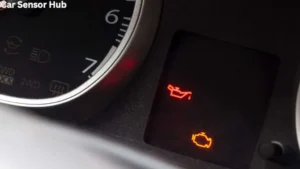
If you recently changed your car’s oil and soon after noticed a warning light or a “check engine” message with an oil pressure sensor fault code, you’re not alone. Many drivers feel frustrated and worried when this happens, especially because the oil change is supposed to help, not cause new problems. Understanding why this fault code appears after an oil change can save you money, time, and stress. It can also help you avoid unnecessary repairs or even engine damage.
This article will guide you through everything you need to know about an oil pressure sensor fault code that appears after an oil change. You’ll learn what the sensor does, why the code might show up, how to diagnose the real cause, and what steps to take to fix it. If you’re a car owner, technician, or just curious, this guide will give you clear answers and practical steps.
What Is An Oil Pressure Sensor And Why Is It Important?
The oil pressure sensor is a small but critical part of your car’s engine. Its main job is to monitor the oil pressure inside the engine and send this information to the car’s computer (ECU) or directly to the dashboard gauge. If the oil pressure drops too low or spikes too high, the sensor triggers a warning light or message.
Proper oil pressure is essential because it ensures oil flows to all moving parts of the engine. Without enough oil pressure, engine parts can rub together, causing heat, wear, and eventually, failure. Too much oil pressure can damage seals and cause leaks.
Here’s a quick look at what the oil pressure sensor does:
- Monitors oil pressure in real-time
- Sends data to the car’s computer or dashboard
- Activates a warning if oil pressure is outside the safe range
A working sensor keeps your engine safe. A faulty one can give false alarms or let serious problems go unnoticed.
Common Oil Pressure Sensor Fault Codes
When the sensor detects a problem, it sends a fault code to the car’s computer. These codes are read using a code scanner or OBD-II reader. After an oil change, the most common codes you may see include:
- P0520: Oil Pressure Sensor/Switch Circuit Malfunction
- P0521: Oil Pressure Sensor/Switch Range/Performance Problem
- P0522: Oil Pressure Sensor/Switch Low Voltage
- P0523: Oil Pressure Sensor/Switch High Voltage
Each code has a different meaning, but all point to issues with the oil pressure sensor or related parts.
Why Does An Oil Pressure Sensor Fault Code Appear After An Oil Change?
You may wonder, “If I just changed my oil, why am I seeing this code? ” There are several reasons why this happens, and not all are serious. Let’s break down the main causes.
1. Incorrect Oil Filter Installation
Sometimes, the new oil filter is not screwed in tightly, or the old filter gasket is left behind. This can cause oil leaks and lower oil pressure, which triggers the sensor.
2. Wrong Oil Type Or Viscosity
Using oil that’s too thick or too thin for your engine (for example, 20W-50 instead of 5W-30) can change oil pressure. The sensor detects this change and may trigger a code.
3. Low Oil Level
Even after an oil change, if the oil level is too low, the sensor will report a problem. This can happen if the technician didn’t add enough oil or if there’s a leak.
4. Air In The Oil System
Changing oil can introduce air bubbles into the oil passages. This may cause a temporary drop in oil pressure, causing the sensor to react.
5. Faulty Or Damaged Oil Pressure Sensor
Sometimes, the sensor itself is accidentally bumped, unplugged, or damaged during the oil change. This leads to false fault codes.
6. Clogged Oil Passages
If old, dirty oil was not fully drained, sludge might block oil passages, changing the pressure and triggering the sensor.
7. Electrical Issues
Loose or broken wires connected to the sensor may be disturbed during the oil change, causing intermittent signals.
8. Faulty Oil Pressure Relief Valve
If the oil pressure relief valve sticks open or closed, oil pressure becomes unstable. This is more common in older engines but can be affected by new oil.
9. Delayed Oil Priming
After an oil change, it takes a few seconds for oil to reach all engine parts. The sensor might briefly detect low pressure during this time.
10. Software Glitches
In rare cases, the car’s computer needs to reset after maintenance. If not, it may show old or false codes until cleared.
How To Diagnose The Real Cause
Seeing a fault code doesn’t always mean something is seriously wrong. Here’s how to figure out the real cause step by step.
Step 1: Double-check The Oil Level
Make sure the oil is at the correct level using the dipstick. Low oil is a common mistake and easy to fix.
Step 2: Inspect The Oil Filter And Drain Plug
Look for oil leaks around the filter and drain plug. Check if the filter is tight and the old gasket is not stuck to the engine.
Step 3: Verify The Oil Type
Check your owner’s manual for the correct oil type and viscosity. Compare this with what was used during the oil change.
Step 4: Scan For Codes
Use an OBD-II scanner to read the specific fault code. Write it down and clear the code to see if it returns.
Step 5: Visual Inspection Of The Sensor
Locate the oil pressure sensor (usually near the oil filter or engine block). Check for loose connections, broken wires, or signs of damage.
Step 6: Listen For Engine Noise
Unusual noises like ticking or knocking may mean real oil pressure problems, not just a sensor error.
Step 7: Manual Oil Pressure Test
A mechanic can attach a mechanical gauge to check actual oil pressure. This confirms whether the sensor or the engine is at fault.
Step 8: Check For Air Bubbles
If you changed the oil yourself, start the engine, let it idle, and then recheck the oil level. Air bubbles will usually clear out after a few minutes.
Step 9: Inspect For Sludge Or Blockage
If you suspect dirty oil or sludge, have the oil pan or valve cover inspected for buildup.
Step 10: Reset The Ecu
Disconnect the battery for a few minutes or use a scanner to reset the car’s computer. This can clear lingering codes.
What To Do If You Get An Oil Pressure Sensor Fault Code
Once you diagnose the issue, here are the best actions to take:
- Top up the oil if it’s low.
- Replace the oil filter if it’s leaking or suspect.
- Use the correct oil as recommended by the manufacturer.
- Secure all electrical connections on the sensor.
- Replace a faulty sensor if visual and manual checks confirm it’s bad.
- Visit a mechanic if you’re unsure or if engine noises are present.
Never ignore a low oil pressure warning. If the engine sounds rough or the warning light stays on, turn off the engine immediately to avoid damage.
Comparing Real And False Oil Pressure Sensor Codes
Understanding whether your code is real or false is important. Here’s a simple comparison:
| Clue | True Oil Pressure Problem | False Sensor Problem |
|---|---|---|
| Engine noise | Yes (knocking, ticking) | No unusual noise |
| Oil leaks | Possible, but not always | Usually none |
| Oil level | Often low | Normal |
| Code returns after reset | Usually | Sometimes not |
| Manual gauge test | Shows low/high pressure | Normal pressure |
If in doubt, always confirm with a manual gauge test before replacing expensive parts.
How To Avoid Oil Pressure Sensor Faults After Oil Changes
Prevention is better than cure. Here are the best ways to avoid seeing this warning after your next oil change:
1. Use Quality Parts And Oil
Choose the right oil filter and oil recommended for your car. Cheap filters and the wrong oil are common causes of sensor codes.
2. Clean Work Area
Make sure no dirt or debris gets into the oil passages or sensor connectors during the oil change.
3. Tighten Everything Properly
Use the correct torque for the oil filter and drain plug. Overtightening or leaving them loose can cause leaks.
4. Check Old Filter Gasket
Always check that the old filter gasket is removed. Stuck gaskets can cause leaks and pressure problems.
5. Avoid Damaging The Sensor
Be careful around the oil pressure sensor when changing the oil filter. It’s easy to accidentally bump or unplug it.
6. Reset The Ecu
After the oil change, you can reset the car’s computer using a code reader or by disconnecting the battery briefly.
7. Let The Engine Idle
After adding new oil, start the engine and let it idle for a few minutes. This helps remove air and lets oil pressure stabilize.
8. Double-check Everything
Before driving, check for leaks, recheck the oil level, and make sure no warning lights are on.
9. Follow The Service Manual
If you’re doing the oil change yourself, always follow the car’s service manual for steps and specifications.
10. Professional Help
If you’re unsure, have a professional do the oil change. A small investment can prevent bigger problems.
Real-world Examples
Here are some true stories from drivers who faced oil pressure sensor fault codes after an oil change:
- Case 1: A Toyota Camry owner changed their oil at home. They noticed the check engine light came on. After checking, they found the oil filter was loose, causing a slow leak. Tightening the filter and adding more oil fixed the problem.
- Case 2: A Honda Accord owner used 10W-40 oil instead of the recommended 5W-20. The sensor detected high pressure and triggered a code. Switching to the correct oil solved the issue.
- Case 3: A Ford F-150 owner had a mechanic change the oil, but the sensor fault code appeared. It turned out the mechanic had accidentally unplugged the sensor wire. Plugging it back in cleared the code.
These stories show that most sensor codes after an oil change are caused by simple mistakes, not major engine problems.
How Mechanics Diagnose And Fix Oil Pressure Sensor Faults
Professional mechanics follow a step-by-step process to diagnose and fix oil pressure sensor issues. Here’s what usually happens:
- Listen to the Customer: Mechanics ask about recent oil changes, engine noise, and warning lights.
- Visual Inspection: They check the oil level, filter, and sensor.
- Code Scan: Mechanics use a code reader to get the exact fault code.
- Manual Pressure Test: They use a mechanical gauge to confirm oil pressure.
- Check Wiring: If the pressure is normal, they inspect the sensor wiring and connectors.
- Sensor Replacement: If needed, they replace the oil pressure sensor.
- Test Drive: The car is driven to ensure the problem is fixed and no new codes appear.
This process helps avoid unnecessary repairs and ensures the real cause is fixed.
Typical Costs Related To Oil Pressure Sensor Fault Codes
Understanding repair costs helps you plan and avoid being overcharged. Here’s a comparison of common costs related to oil pressure sensor fault codes:
| Service | Average Cost (USD) | Time Required |
|---|---|---|
| Oil pressure sensor replacement | $60 – $180 | 30-60 minutes |
| Manual oil pressure test | $40 – $80 | 20-40 minutes |
| Oil change with correct filter/oil | $40 – $100 | 30-45 minutes |
| Repair wiring/connectors | $30 – $120 | 30-90 minutes |
| Engine flush (if sludge present) | $80 – $180 | 1-2 hours |
Prices depend on your car model, location, and shop. Most sensor issues are affordable to fix compared to engine repairs.
Credit: www.shopmonkey.io
Non-obvious Insights Most Car Owners Miss
Many drivers focus only on the sensor, but there are hidden details that make a big difference:
- Heat Cycles Matter: Sometimes, a new oil filter gasket or sensor O-ring needs a few hot/cold cycles to seal fully. So, a minor leak may disappear after a few drives.
- Oil Filter Quality: Cheap, off-brand filters sometimes restrict oil flow, causing low-pressure readings. Always choose a reputable brand.
- Sensor Calibration: After replacing the sensor, some car computers need to “learn” the new sensor values. If not, the code may return until the system adjusts.
- Multiple Sensors: Some newer engines have two oil pressure sensors. Make sure you’re checking the correct one.
- Dashboard Lag: The warning light may not go off instantly, even after the problem is fixed. It can take a few drive cycles for the system to clear.
The Role Of Modern Car Computers
Today’s cars are smarter than ever. The ECU (engine control unit) constantly monitors sensor data, compares it with stored values, and decides when to trigger warnings. Sometimes, a simple oil change confuses the system if the battery is disconnected or software is updated.
For example, some luxury cars log oil changes electronically. If the change is not logged, the computer may trigger a service or sensor warning. Always follow your owner’s manual for oil reset procedures.
You can learn more about the role of car computers in sensors from this Engine Control Unit Wikipedia article.
Is It Safe To Drive With An Oil Pressure Sensor Fault Code?
This is a common question. The answer depends on the cause:
- If the oil level is correct, the engine runs smoothly, and no unusual noises are present, you can usually drive a short distance to a mechanic.
- If the engine sounds rough, the oil pressure warning light is flashing, or there are leaks, stop the car immediately and get help.
Never ignore oil pressure warnings. Long-term driving with low oil pressure can destroy the engine.
When To Replace The Oil Pressure Sensor
You should replace the oil pressure sensor if:
- The fault code returns after all other fixes
- Visual inspection shows damage or corrosion
- The manual gauge test shows normal pressure, but the sensor reports errors
Replacing the sensor is usually quick and affordable. Just make sure to clear the fault code afterward.
DIY Vs. Professional Repair
Some car owners can fix minor sensor problems themselves, but there are risks:
- DIY: Good for checking oil level, filter tightness, and simple sensor replacement. You’ll need basic tools and an OBD-II scanner.
- Professional: Best for manual pressure tests, wiring issues, engine noise, or if you’re unsure.
If you try DIY and the problem returns, don’t hesitate to seek expert help.
Signs Of A Failing Oil Pressure Sensor
It’s helpful to know the signs of a sensor that’s about to fail:
- Flickering or constant oil warning light
- Dashboard gauge jumps up and down
- Multiple sensor-related fault codes
- Oil leaks around the sensor
These signs often appear before a complete sensor failure.

Credit: www.reddit.com
Steps To Replace An Oil Pressure Sensor
If you need to replace the sensor, follow these general steps:
- Let the engine cool.
- Disconnect the battery.
- Find the oil pressure sensor (check your manual).
- Unplug the sensor’s wiring connector.
- Remove the sensor with a wrench.
- Install the new sensor, tightening to the correct torque.
- Reconnect the wire and battery.
- Start the engine and check for leaks or warning lights.
Some cars require special tools or procedures, so always check your service manual.
Read More: P0522 Code Oil Pressure Sensor Low Voltage
What Happens If You Ignore The Fault Code?
Ignoring an oil pressure sensor code can lead to:
- Missed early warnings about real oil pressure problems
- Engine damage from low or high pressure
- More expensive repairs
- Failed vehicle inspections
Always investigate fault codes promptly.

Credit: www.youtube.com
FAQs About Oil Pressure Sensor Fault Code After Oil Change
Why Does My Oil Pressure Sensor Fault Code Appear Only After An Oil Change?
This usually happens due to mistakes during the oil change, such as using the wrong oil or filter, not tightening the filter, or disturbing the sensor wiring. Sometimes, a faulty sensor coincidentally fails after maintenance, but the root cause is often related to the oil change process.
How Can I Tell If My Oil Pressure Sensor Is Really Bad?
The best way is to compare the sensor reading with a manual oil pressure gauge. If the manual gauge shows normal pressure but the sensor code remains, the sensor is likely faulty. Also, visible damage or oil leaks around the sensor are signs it needs replacement.
Can The Oil Pressure Sensor Code Go Away By Itself?
Sometimes, yes. If the cause was temporary (like air in the system or a loose connection), the code may disappear after a few drive cycles. However, if the problem is not fixed, the code will usually come back.
Is It Safe To Clear The Fault Code And Keep Driving?
You can clear the code and observe if it returns, but never ignore warning signs like engine noise, leaks, or a flashing oil light. If symptoms persist, get the problem checked immediately to avoid engine damage.
How Often Should The Oil Pressure Sensor Be Replaced?
There’s no fixed schedule. Replace the sensor only if it fails, shows signs of wear, or if recommended by your mechanic. Many sensors last the lifetime of the vehicle if not damaged during repairs.
A little attention during and after an oil change can help you avoid oil pressure sensor fault codes and keep your engine running smoothly. If you ever see a warning after maintenance, use the steps in this guide to find and fix the cause quickly.
Your engine—and wallet—will thank you.
Disclosure: As an Amazon Associate, I may earn from qualifying purchases at no extra cost to you. Amazon and the Amazon logo are trademarks of Amazon.com, Inc, or its affiliates.
- Amazon, Amazon Prime, the Amazon logo and Amazon Prime logo are trademarks of Amazon. com, Inc. or its affiliates.

I am Sadman, the founder of CarSensorHub.com, where I share my passion for cars and technology. I specialize in writing detailed reviews and helpful guides on car gadgets, accessories, safety tools and many more. My mission is to help car owners discover the best products and tips to improve their driving experience and stay safe on the road.