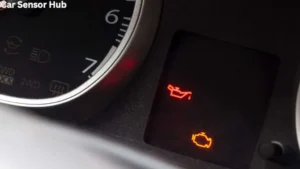
The P0522 code can cause confusion and worry for many car owners. When your vehicle’s check engine light turns on and a scan tool shows this code, it means your car’s computer has detected low voltage from the oil pressure sensor. This problem isn’t just about a warning light—it can signal real trouble with your engine’s health. Ignoring it can lead to expensive repairs or even engine failure. Knowing what this code means, how it affects your car, and what to do next can save you time, money, and stress.
Many drivers do not realize the importance of the oil pressure sensor until a code like P0522 appears. This sensor plays a crucial role in making sure your engine gets the lubrication it needs. Without enough oil pressure, engine parts can wear out quickly or even seize.
Let’s break down everything you need to know about the P0522 code, from what causes it to how you can fix it and keep your engine running smoothly.
What Does The P0522 Code Mean?
The P0522 code stands for “Engine Oil Pressure Sensor/Switch Low Voltage.” This means the engine control module (ECM) is getting a voltage signal from the oil pressure sensor that is lower than what it expects. The ECM uses this signal to check if your engine oil pressure is within safe limits.
The oil pressure sensor measures the oil pressure inside your engine and sends this information to the ECM. The ECM expects to see a certain voltage range under normal conditions. If the voltage drops too low, it triggers the P0522 code and usually turns on the check engine light.
A low voltage reading can mean two things:
- The oil pressure is actually low, which is dangerous for your engine.
- There’s a problem with the sensor, wiring, or ECM, giving a false reading.
How The Oil Pressure Sensor Works
Understanding the oil pressure sensor helps you see why the P0522 code is important. This sensor is usually located near the oil filter or on the engine block. Its job is to detect oil pressure and convert it into a voltage signal for the ECM.
Here’s how it works:
- Oil flows through the engine, lubricating moving parts.
- The oil pressure sensor detects the pressure of this flow.
- The sensor creates a voltage signal based on the pressure.
- The ECM reads this voltage to monitor oil pressure.
If oil pressure drops, the sensor sends a lower voltage. If the voltage drops too low, the ECM thinks there’s a problem, and the P0522 code is set.
Causes Of The P0522 Code
Many things can trigger a P0522 code. Some are simple, while others are serious. Here are the most common causes:
- Low engine oil level: If your oil level is too low, the sensor will detect low pressure.
- Faulty oil pressure sensor: Sensors can wear out or fail, sending incorrect signals.
- Bad sensor wiring or connectors: Damaged wires or loose connectors can cause low voltage readings.
- Old or dirty engine oil: Oil that’s too thick, thin, or dirty can affect pressure.
- Worn engine bearings: Worn parts can lower oil pressure.
- Faulty oil pump: If the oil pump is weak, pressure drops.
- Clogged oil passages: Sludge or debris can block oil flow.
- ECM issues: Rarely, the car’s computer may have a problem reading the sensor.
Symptoms Of The P0522 Code
When the P0522 code appears, your car may show other signs besides the check engine light. Look for these symptoms:
- Low oil pressure warning light on the dashboard
- Engine knocking or ticking noises
- Increased engine temperature
- Poor engine performance
- Oil leaks
- Stalling or rough idle
It’s important to pay attention to these symptoms. Driving with low oil pressure can quickly damage your engine.

Credit: www.autonationmobileservice.com
How Serious Is The P0522 Code?
The P0522 code should not be ignored. Low oil pressure can lead to serious engine damage in a short time. If the oil pressure is actually low (not just a sensor error), metal parts inside the engine can rub together, overheat, and break. This can cause total engine failure, which is very expensive to fix.
Even if your engine seems to run fine, you should not drive for long with this code. It’s always better to check and fix the problem quickly.
Discover the Exact Oil Pressure Sensor Location for Optimal Vehicle Performance
Diagnosing The P0522 Code
Diagnosing a P0522 code means finding out whether you have a real oil pressure problem or just a sensor issue. Here are the steps most mechanics follow:
1. Check Engine Oil Level And Condition
First, make sure the oil is at the correct level and looks clean. Top up or change the oil if needed.
2. Inspect The Oil Pressure Sensor And Wiring
Look for:
- Loose or corroded connectors
- Damaged wires
- Oil leaks around the sensor
3. Test The Oil Pressure Sensor
Use a multimeter to check the sensor’s voltage output. Compare the readings with manufacturer specs.
4. Measure Actual Oil Pressure
A mechanic may use a mechanical oil pressure gauge to see if the oil pressure is really low.
5. Scan For Other Codes
Check if other trouble codes are present. Multiple codes can help pinpoint the problem.
6. Inspect For Internal Engine Problems
If oil pressure is truly low, check for worn bearings, a weak oil pump, or clogged oil passages.
How To Fix The P0522 Code
The right fix depends on what is causing the code. Here are the most common solutions:
- Add or change engine oil: If the oil level is low or the oil is dirty, top up or replace it.
- Replace the oil pressure sensor: A faulty sensor is a common cause.
- Repair wiring or connectors: Fix any damaged wires or loose connectors.
- Fix oil leaks: Replace seals or gaskets if oil is leaking.
- Replace the oil pump: If the pump is weak, install a new one.
- Clean or unblock oil passages: Remove sludge or debris blocking oil flow.
- Repair engine internals: Worn bearings may need replacement.
- Update or repair the ECM: Rarely, the car’s computer may need attention.
Step-by-step Example: Replacing An Oil Pressure Sensor
If you or your mechanic decide the sensor is the problem, here’s a typical replacement process:
- Locate the sensor: Usually on the engine block or near the oil filter.
- Disconnect the battery: This prevents electrical problems.
- Unplug the sensor’s connector.
- Remove the sensor: Use the correct socket or wrench.
- Install the new sensor: Tighten carefully to avoid damage.
- Reconnect the connector and battery.
- Start the engine: Check if the warning light is gone and the code has cleared.
Cost To Fix The P0522 Code
The price to fix a P0522 code can vary widely. Here’s a breakdown:
- Oil and filter change: $30–$70
- Oil pressure sensor replacement: $50–$250 (parts and labor)
- Wiring repair: $20–$100
- Oil pump replacement: $300–$800 or more
- Major engine repair: $1,000–$5,000+ (if engine damage occurred)
Catching the problem early can save you a lot of money.
Common Mistakes When Dealing With P0522
Many car owners and even some mechanics make errors when handling this code. Here are some to avoid:
- Ignoring the check engine light: Hoping it will go away can lead to engine damage.
- Replacing the sensor without checking oil level: Sometimes the fix is as simple as adding oil.
- Not checking for oil leaks: Leaks can cause low pressure and return the code.
- Forgetting to clear the code: After fixing the problem, clear the code with a scan tool.
- Using the wrong oil type: The wrong viscosity can trigger oil pressure issues.
How To Prevent The P0522 Code
You can reduce the risk of seeing this code by following some simple habits:
- Regular oil changes: Follow the schedule in your owner’s manual.
- Use the correct oil: Check your manual for the right type and viscosity.
- Check oil level often: Top up as needed.
- Fix leaks quickly: Don’t let oil leaks go for long.
- Listen for strange noises: Engine knocking or ticking can signal low oil pressure.
These steps can help keep your engine healthy and prevent sensor problems.
Real-world Example: P0522 In A 2012 Dodge Ram
Let’s look at a true example. Many Dodge Ram owners have seen the P0522 code. In one case, a driver noticed the check engine light and a low oil pressure warning. The oil level was fine, but the engine made a ticking noise.
A mechanic checked the sensor wiring and found oil leaking into the connector. Replacing the oil pressure sensor and cleaning the connector fixed the problem. The code did not return, and the engine ran smoothly.
This shows how even a small issue like a leaky sensor can trigger the P0522 code.
Data: Oil Pressure Sensor Readings
It helps to know what voltage readings are normal for oil pressure sensors. Here is a typical range:
| Oil Pressure (psi) | Sensor Voltage (V) | Status |
|---|---|---|
| 0 | 0.5 | Too Low |
| 10 | 1.0 | Low |
| 30 | 2.5 | Normal |
| 60 | 4.5 | High |
The ECM usually expects between 1. 0 and 4. 5 volts. Anything lower can set a P0522 code.
Comparison: P0522 Vs. Similar Codes
Other codes are similar to P0522. Here’s a comparison:
| Code | Description | Main Difference |
|---|---|---|
| P0520 | Oil Pressure Sensor Malfunction | General fault, not just low voltage |
| P0521 | Oil Pressure Sensor Range/Performance | Signal is out of expected range |
| P0522 | Oil Pressure Sensor Low Voltage | Voltage too low |
| P0523 | Oil Pressure Sensor High Voltage | Voltage too high |
Each code points to a different issue with the oil pressure system.
The Importance Of Correct Oil Viscosity
Many car owners overlook how oil viscosity affects pressure. If you use oil that’s too thin (low viscosity), your engine may not build enough pressure, especially in hot weather. If it’s too thick, pressure may be high when cold, but flow slows down when hot.
Always use the oil type and viscosity recommended by your vehicle’s manufacturer. This simple step prevents many oil pressure problems.
Sensor Location And Access: Examples By Car Type
Different vehicles have sensors in different places. Here are a few examples:
- Chevrolet Silverado: On the top rear of the engine, near the firewall.
- Ford F-150: Near the oil filter housing, on the lower engine block.
- Toyota Camry: On the front of the engine, easy to reach from above.
- Honda Accord: Behind the intake manifold, sometimes hard to access.
If you’re not sure where your oil pressure sensor is, check your service manual or search online for your car’s make and model.
Advanced Diagnostic Tips
For those with some mechanical experience, here are tips to diagnose tricky cases:
- Backprobe the sensor connector while the engine is running to check live voltage.
- Test at different engine RPMs to see if voltage changes as expected.
- Inspect the oil filter for metal shavings—these can mean internal engine wear.
- Use a scan tool that shows live data, not just stored codes.
Sometimes, a bad sensor will work intermittently. These tests can help you catch problems that only happen at certain times.
How Long Can You Drive With P0522?
Driving with a P0522 code is risky. If the problem is only a sensor, you might drive safely for a short time. But if the oil pressure is truly low, even a few minutes can damage your engine. Most experts say:
- Don’t drive until you know the real cause.
- If you must move the car, keep it brief and watch for noises or warning lights.
Oil Pressure Sensor Replacement: Diy Or Mechanic?
Some car owners can replace the oil pressure sensor themselves, especially if it’s easy to reach. Here’s a quick comparison:
| DIY | Professional Mechanic |
|---|---|
| Cheaper (just parts) | More expensive (parts + labor) |
| Requires basic tools | Tools and experience included |
| Must find and access sensor | Knows sensor location and procedure |
| Risk of mistakes (overtightening, leaks) | Less risk of installation problems |
If you’re unsure, it’s safer to let a professional handle the repair.
When To Replace The Oil Pressure Sensor
Replace the oil pressure sensor if:
- The sensor fails voltage tests.
- There’s oil leaking from the sensor.
- The sensor’s connector is damaged.
- The code returns after oil and wiring checks.
Don’t replace the sensor if the real problem is low oil level, dirty oil, or a bad oil pump.
Environmental Factors Affecting Oil Pressure
Many drivers don’t realize that weather and climate can change oil pressure readings. For example:
- Cold weather: Oil thickens, pressure is higher at startup.
- Hot weather: Oil thins, pressure drops.
- Mountain driving: Steep angles can affect oil pickup.
Knowing this helps you understand changes in oil pressure and avoid misdiagnosing sensor issues.
Two Insights Most Beginners Miss
- Sensor leaks are common: Oil can leak through a worn sensor and into the connector, causing false low voltage readings. Always check for leaks at the sensor before replacing it.
- Oil pressure changes with RPM: At idle, oil pressure is lowest. At high RPM, it rises. Low pressure at idle may be normal, but very low at high RPM is a sign of trouble.

Credit: www.icarsoft-us.com
What To Tell Your Mechanic
If you take your car to a shop, share these details:
- When the check engine light came on
- Any oil leaks or noises you noticed
- If you recently changed oil or topped it up
- If the engine stalls, runs rough, or overheats
This information helps your mechanic find the real problem faster.
Recommended Resources
If you want more in-depth technical information, the Wikipedia Oil Pressure page offers detailed explanations about oil pressure systems, sensor types, and engine lubrication.

Credit: www.youtube.com
FAQs Of P0522 Code Oil Pressure Sensor Low Voltage
What Does The P0522 Code Mean?
The P0522 code means your engine’s computer is seeing a low voltage signal from the oil pressure sensor. This usually points to low oil pressure or a problem with the sensor or its wiring.
Can I Drive My Car With A P0522 Code?
It’s not safe to drive with a P0522 code until you know if the oil pressure is really low. Driving with low oil pressure can cause severe engine damage. If it’s just a sensor issue, you may be able to drive a short distance, but it’s best to fix the problem as soon as possible.
What Happens If I Ignore The P0522 Code?
Ignoring the P0522 code can lead to serious engine damage. If the oil pressure is low, metal parts inside your engine can wear out or break, leading to expensive repairs.
How Much Does It Cost To Fix A P0522 Code?
The cost can range from $30 for a simple oil change to $800 or more for an oil pump replacement. If engine damage has already happened, repairs can be much more expensive.
How Do I Know If The Oil Pressure Sensor Is Bad?
If the sensor fails voltage tests, is leaking oil, or has a damaged connector, it’s likely bad and should be replaced. Sometimes, replacing the sensor is the easiest way to see if the problem goes away.
Understanding the P0522 code and acting quickly can keep your engine safe and running for years. Take check engine lights seriously, and always check your oil level and condition first. Preventive care and quick repairs make a big difference in engine health.
Disclosure: As an Amazon Associate, I may earn from qualifying purchases at no extra cost to you. Amazon and the Amazon logo are trademarks of Amazon.com, Inc, or its affiliates.
- Amazon, Amazon Prime, the Amazon logo and Amazon Prime logo are trademarks of Amazon. com, Inc. or its affiliates.

I am Sadman, the founder of CarSensorHub.com, where I share my passion for cars and technology. I specialize in writing detailed reviews and helpful guides on car gadgets, accessories, safety tools and many more. My mission is to help car owners discover the best products and tips to improve their driving experience and stay safe on the road.