A 7/8-inch (22mm) wrench is typically used for O2 sensors. Some vehicles might require a 22mm or 15/16-inch sensor wrench.
Understanding the correct tool for your car’s O2 sensor is crucial for efficient maintenance. The oxygen sensor, an integral part of your vehicle’s emission system, monitors the amount of unburnt oxygen in the exhaust. A specific wrench size facilitates its removal and replacement without damage.
O2 sensors can often be found threaded into the exhaust system, and a proper fit is vital to avoid stripping the sensor’s delicate threads. Using an O2 sensor socket—a special deep socket with a slot for the wiring—is often the preferred tool for many mechanics due to its snug fit and ability to protect the sensor’s wiring harness during removal. Knowing the right wrench size ensures a smooth DIY repair or replacement, keeping your vehicle’s performance optimized and emissions within legal limits.
You May Like This Article: Best Cordless Impact Wrench for Car Tire Changing
Finding The Right Tool For The Job
Replacing an O2 sensor is a common task many vehicle owners encounter. But without the right wrench, you may find the process frustrating and time-consuming. Let’s zero in on the tools needed to make the job a breeze.
Essential Criteria In Wrench Selection
Selecting the appropriate tool involves a few key considerations:
- Wrench type: O2 sensors require a special oxygen sensor socket or wrench due to their unique build.
- Size accuracy: An ill-fitting wrench can strip the sensor, leading to unnecessary expenses.
- Length and leverage: For hard-to-reach sensors, a longer wrench provides the necessary torque.
Keep in mind that O2 sensors often come in standard sizes. Most commonly, a 7/8-inch (22mm) wrench or socket fits perfectly. A flexible head wrench or socket with a cutout to accommodate the sensor’s wiring harness is ideal.
Why The Correct Size Matters
The use of the correct wrench size is paramount for several reasons:
- Prevents damage: A wrench that fits snugly avoids rounding off the sensor head.
- Ensures safety: The right size reduces the risk of slippage, protecting hands from injury.
- Saves time: A well-suited wrench allows for quick removal and installation, saving time and effort.
| Type | Size | Additional Features |
|---|---|---|
| Standard Wrench | 7/8 in. (22mm) | N/A |
| Socket Wrench | 7/8 in. (22mm) | Flexible head |
| Adjustable Wrench | Up to 1 in. (25mm) | For multiple sizes |
Focus on a wrench specifically designed for O2 sensors. This will ensure a precise fit and efficient task accomplishment. Begin with a 7/8-inch (22mm) wrench and assess the sensor size before starting the job.
Introduction To O2 Sensors
Oxygen sensors, known as O2 sensors, play a vital role in your vehicle’s performance. These sensors measure the amount of oxygen in the exhaust system. This data helps manage engine efficiency and emissions. A correctly functioning O2 sensor is crucial for optimal car operation.
Role of Oxygen Sensors in VehiclesRole Of Oxygen Sensors In Vehicles
O2 sensors keep your engine running smoothly. They tell your car’s computer whether the fuel mixture is too rich or lean. The sensor’s feedback helps adjust the mixture for better performance and fuel economy.
- Reduce emissions: Sensors cut harmful exhaust.
- Maintain efficiency: Engine runs at perfect fuel-air mix.
- Prevent damage: Sensors alert to prevent potential engine harm.
Common Locations And Accessibility Challenges
O2 sensors are usually found on the exhaust manifold or in the exhaust system. Their placement can vary by make and model. This can mean a tight fit and tricky removal. Different sensors may need different wrench sizes.
| Location | Accessibility |
|---|---|
| Exhaust Manifold | May need a specific wrench or socket |
| Exhaust Pipe | Space may be limited for tools |
| Catalytic Converter | Heat shields can limit access |
Types Of Wrenches For O2 Sensors
Swapping an O2 sensor? The right wrench can make the job easier. Read on to discover the best fit for a smooth change.
Socket Wrenches And Crowfoot Wrenches
Socket wrenches are the go-to tools for O2 sensor removal. They fit snugly around the sensor. This allows easy rotation without stripping the sensor head. Most O2 sensors call for a 7/8″ (22mm) socket. It can vary based on the vehicle. Socket wrenches offer a few key benefits:
- Perfect Fit: Ensures minimal chance of slippage
- Torque Leverage: Makes unscrewing easier
- Deep Reach: Extended sockets can reach sensors in tight spots
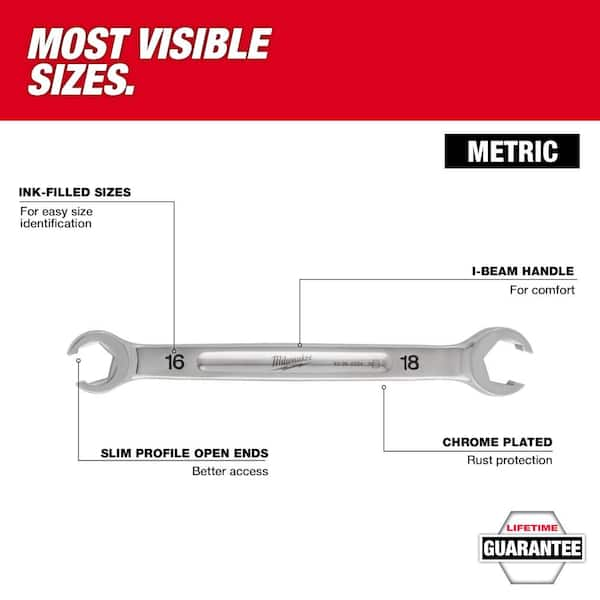
Crowfoot wrenches are another choice. These work great in tight spaces where regular sockets can’t fit. Their open-ended design allows them to slide over the sensor’s wire. They are less common but incredibly useful.
Adjustable Wrenches And Pliers: Pros And Cons
Adjustable wrenches and pliers are more generic but still handy. They work when you can’t find the socket size. But they have their own pros and cons.
| Tool Type | Pros | Cons |
|---|---|---|
| Adjustable Wrenches |
|
|
| Pliers |
|
|
Choose a wrench or plier that matches the job’s needs. Remember, the right tool offers precision and ease.
Credit: www.homedepot.com
Standard Sizes And Their Ideal Matches
When replacing an oxygen sensor in your vehicle, using the right tool is crucial. Oxygen sensors come in standard sizes. It is essential to match those sizes with the right wrench. This ensures a smooth removal and installation process. Let’s explore the common sizes and their corresponding wrenches.
Metrics Of Common Oxygen Sensors
Oxygen sensors are vital for your car’s performance. They measure the ratio of oxygen in your vehicle’s exhaust gases. This helps to manage your engine’s fuel-to-air mixture. Most cars use similar-sized sensors.
- 18mm – Most common size for O2 sensors
- 22mm – Found in certain models
Manufacturers might differ in design, but the threading is usually uniform. Knowing the thread size is key for selecting the correct wrench.
Matching Wrench Sizes To Sensor Types
Selecting the suitable wrench size for your O2 sensor is straightforward once you know the sensor’s size.
| Sensor Size | Wrench Size |
|---|---|
| 18mm Sensor | 7/8″ (22mm) Wrench |
| 22mm Sensor | 1-1/16″ (27mm) Wrench |
Remember to check your vehicle’s manual. This will confirm the exact size needed for your O2 sensor wrench.
Specialty Tools For Oxygen Sensor Removal
Specialty tools simplify the removal of an O2 sensor. These unique devices are designed to protect the sensor’s wires during extraction. A perfect fit ensures efficient work, saving time and avoiding frustration. In this part of our blog post, discover the right wrenches for successful O2 sensor removal.
Offset Wrenches: Increased Leverage
Offset wrenches are essential for reaching tough spots. Their design offers extra leverage, making it easier to turn the sensor. With an angled head, you can apply more force with less effort. This tool gets the job done with less hassle.
- Optimized angles for better reach
- Durable construction
- Variety of sizes for different sensors
Sensor Sockets With Slotted Designs
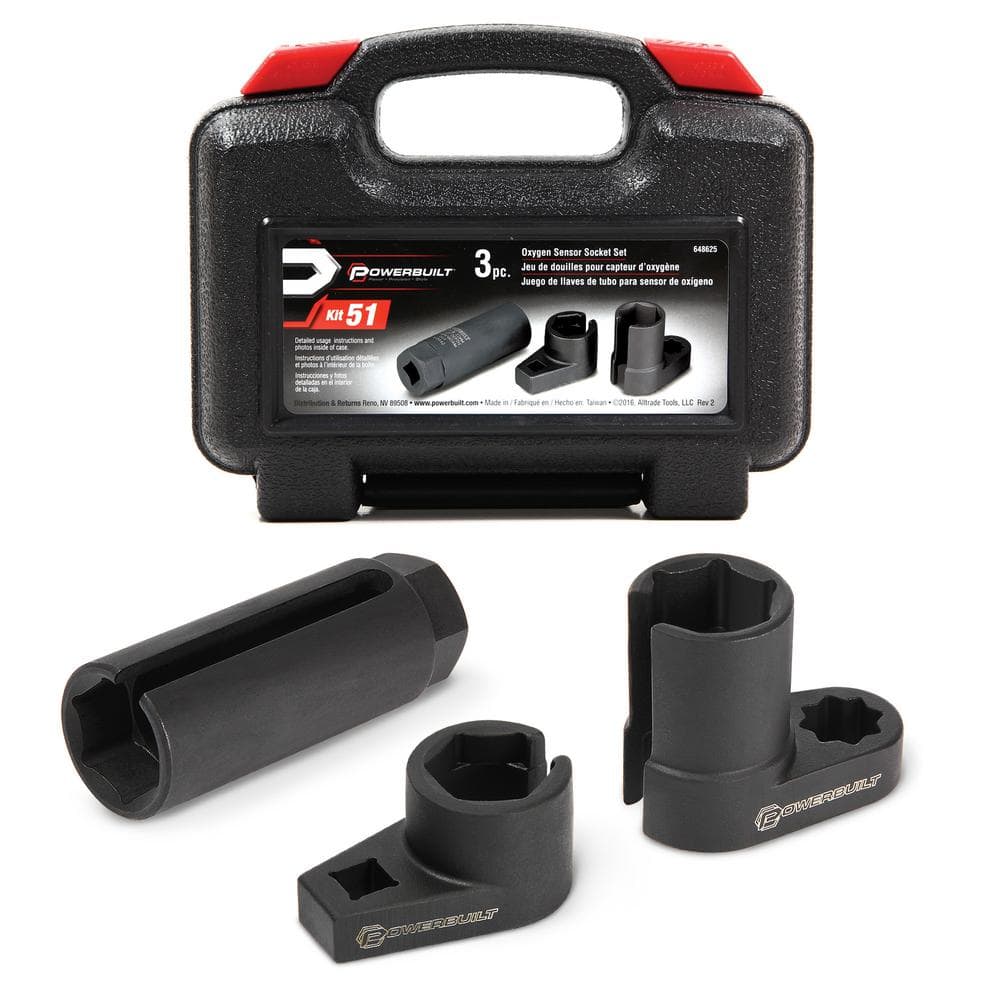
Sensor sockets with slotted designs cater specifically to O2 sensors. Each socket has a slot on the side to accommodate the wire, avoiding damage. They come with a drive ratchet to ease the turn.
| Size | Design Feature |
|---|---|
| 22mm | Standard socket size with slot |
| 7/8″ | Alternative slot size for US models |

Credit: www.amazon.com
Step-by-step Guide To Choosing The Right Wrench
Replacing an oxygen sensor requires a perfect fit wrench. Follow these steps to pick one. Your car will thank you for a snug sensor fit.
Determining Sensor Size
O2 sensors come in various sizes. To find yours:
- Check your vehicle’s manual. It lists the sensor size.
- Inspect the existing sensor. Match it with wrench openings.
Common sizes include 7/8 inches (22mm) and 1 inch (25mm).
Assessing The Work Area
Space around the sensor can be tight. Consider these points before you start:
- Is the area easy to reach? Pick a standard wrench.
- Is it cramped? A socket wrench with an extension works best.
Tool Material And Build Quality
High-quality tools last longer and work better. Look for:
- Chrome-vanadium steel. It is durable and resists corrosion.
- Professional-grade tools. They may cost more but perform reliably.
| Wrench Type | Benefits |
|---|---|
| Flex-head wrench | Adjusts to various angles, eases the work in tight spaces. |
| Fixed-head wrench | Offers more torque, good for sensors that are hard to remove. |
Avoiding Common Mistakes
Working on an O2 sensor requires precision. Getting the size of the wrench right is crucial. But, even with the right tools, mistakes can happen. Make sure you avoid them to prevent extra costs and delays.
Stripping Sensor Threads
Boldly turning the O2 sensor with the wrong technique can strip the threads. This leads to a poor seal and potential exhaust leaks. Stripped threads can also mean buying a new sensor or expensive repairs.
- Always confirm the wrench size matches the sensor hex size.
- Ensure the sensor and wrench are in complete contact.
- Apply slow, steady pressure to turn the sensor.
Incorrect Torque Application
Over- or under-tightening the O2 sensor affects its performance. Incorrect torque can cause breakage or faulty readings.
| O2 Sensor Size | Recommended Torque |
|---|---|
| 22mm or 7/8″ | 30-50 Nm |
- Torque specifications vary by vehicle. Check the manual.
- Use a torque wrench for accurate force application.
- Align the sensor correctly before tightening.
Remember: correct wrench size and torque ensure a well-functioning O2 sensor.
Advanced Tips For Professionals
Welcome to the section dedicated to ‘Advanced Tips for Professionals.’ When dealing with the precise nature of an O2 sensor replacement, certain advanced techniques can be the difference between a job well done and an unnecessary headache. Knowing the exact wrench size is crucial, but also mastering a few professional tricks can elevate your work beyond the basics. Let’s explore these expert strategies.
Heat And Penetrating Oil Techniques
Stuck O2 sensors can be a real challenge. Professionals often turn to heat and penetrating oil to ease the removal process. Heating the surrounding metal expands it slightly, making room for the sensor to be unscrewed. Apply penetrating oil afterwards to lubricate and aid in loosening any corrosion or debris. Use these steps:
- Apply heat carefully to the area with a torch for a few seconds.
- Sparingly use penetrating oil on the threads, avoiding the sensor itself.
- Allow the oil to soak in for a few minutes before attempting to remove the sensor.
Boldly remember to protect the sensor’s wiring and surrounding components from heat damage. This technique requires a delicate balance to ensure safety and efficacy.
When To Consider Professional Assistance
There are times when it’s best to call in an expert. Here’s a brief checklist to help you decide:
| Scenario | Action |
|---|---|
| If the sensor is excessively corroded, | seek a professional. |
| When dealing with hard-to-reach sensors, | consult an expert for their tools and expertise. |
| If damage to the sensor or threading occurs, | get professional help to avoid further complications. |
Attempting to tackle these situations without the right experience can lead to more serious issues. Boldly know your limits and don’t hesitate to seek assistance when the task exceeds your comfort zone. Trust a professional to ensure the job is done right and your vehicle’s integrity is maintained.
Maintenance And Care For O2 Sensor Tools
The oxygen sensor (O2 sensor) plays a pivotal role in regulating your vehicle’s emissions and fuel efficiency. Equipped with the correct size wrench, maintaining and caring for your O2 sensor tools is crucial. A properly maintained tool ensures accuracy and longevity. Let’s delve into the best practices for keeping your O2 sensor tools in tip-top condition.
Cleaning And Storage Best Practices
Keeping your O2 sensor wrench clean and properly stored directly impacts its performance.
- Wipe down the wrench after every use to remove any grease or debris.
- Use a clean cloth and, if necessary, a mild cleaner.
- Avoid harsh chemicals that can cause corrosion or damage.
- Store your wrench in a dry place to prevent rust.
- Organize tools so your wrench is easily accessible for the next job.
Inspection And Replacement Intervals
Regular inspections ensure your O2 sensor wrench functions effectively.
- Inspect the wrench for wear or damage before each use.
- Check for any cracks or bends in the tool.
- If damage is found, replace the wrench to ensure safe and precise work.
- Calibrate any adjustable parts periodically for accuracy.
Maintain replacement and inspection logs to track the tool’s condition over time.
| Interval | Task |
|---|---|
| After each use | Cleaning |
| Before each use | Inspection |
| Every 6 months | Calibration Check (if applicable) |
| As needed | Replacement |
Credit: www.homedepot.com
Frequently Asked Questions On What Size Wrench For O2 Sensor
What Wrench Size Fits An O2 Sensor?
An O2 sensor typically requires a 7/8-inch (22mm) wrench. Specialized oxygen sensor sockets also exist for easier access and to prevent damage to the wiring.
Is An O2 Sensor Tool Necessary?
While not absolutely necessary, an O2 sensor socket tool is highly recommended. It eases the removal and installation process without harming the sensor’s wires.
Can You Use Regular Wrenches On O2 Sensors?
Regular wrenches can be used, specifically a 7/8-inch open-end wrench. However, an O2 sensor socket is preferable for better leverage and to avoid wire damage.
How Do You Know The O2 Sensor Size?
Check the vehicle’s service manual for the specific size required. Most sensors typically use a 7/8-inch or 22mm wrench or socket.
Conclusion
Selecting the correct wrench for your O2 sensor ensures a smooth maintenance experience. Typically, a 7/8-inch (22mm) wrench is the go-to size. Remember, having the right tool not only saves time but also prevents damage to your vehicle’s vital components.
Prepare your toolkit and tackle that O2 sensor replacement with confidence.
Disclosure: As an Amazon Associate, I may earn from qualifying purchases at no extra cost to you. Amazon and the Amazon logo are trademarks of Amazon.com, Inc, or its affiliates.
- Amazon, Amazon Prime, the Amazon logo and Amazon Prime logo are trademarks of Amazon. com, Inc. or its affiliates.

I am Sadman, the founder of CarSensorHub.com, where I share my passion for cars and technology. I specialize in writing detailed reviews and helpful guides on car gadgets, accessories, safety tools and many more. My mission is to help car owners discover the best products and tips to improve their driving experience and stay safe on the road.