A brake sensor is an important part of a vehicle’s braking system. It helps ensure safe driving by monitoring brake performance.
Understanding how a brake sensor works can be crucial for drivers. Brake sensors detect the condition of brake pads and alert drivers when they need attention. These sensors help maintain the safety and efficiency of the vehicle. Without them, drivers might not know when to replace worn-out brake pads.
This can lead to dangerous situations on the road. Brake sensors play a key role in vehicle safety, providing peace of mind to drivers. In this blog post, we will explore the function, types, and importance of brake sensors in detail. Stay tuned to learn how these small devices make a big difference.
Introduction To Brake Sensors
Brake sensors are vital components in modern vehicles. They ensure optimal braking performance. These sensors monitor brake system conditions and provide critical data. This information helps in maintaining vehicle safety and efficiency.
Importance Of Brake Sensors
Brake sensors play a crucial role in vehicle safety. They detect various parameters within the braking system. Some of these parameters include brake pad wear, hydraulic pressure, and temperature.
Without these sensors, drivers might not be aware of potential issues. This could lead to brake failure or reduced braking efficiency. Therefore, maintaining brake sensors is essential for safe driving.
Role In Vehicle Safety
Brake sensors contribute significantly to vehicle safety. They ensure that the braking system functions correctly. For instance, they alert drivers when brake pads are worn out. This enables timely replacement, preventing potential accidents.
Moreover, brake sensors can detect and report hydraulic issues. This is crucial for maintaining proper brake fluid pressure. Consistent pressure is necessary for effective braking. Any deviation can reduce braking performance and increase stopping distances.
In summary, brake sensors are indispensable for vehicle safety. They monitor key aspects of the braking system. Their role is to ensure that the vehicle stops efficiently and safely.
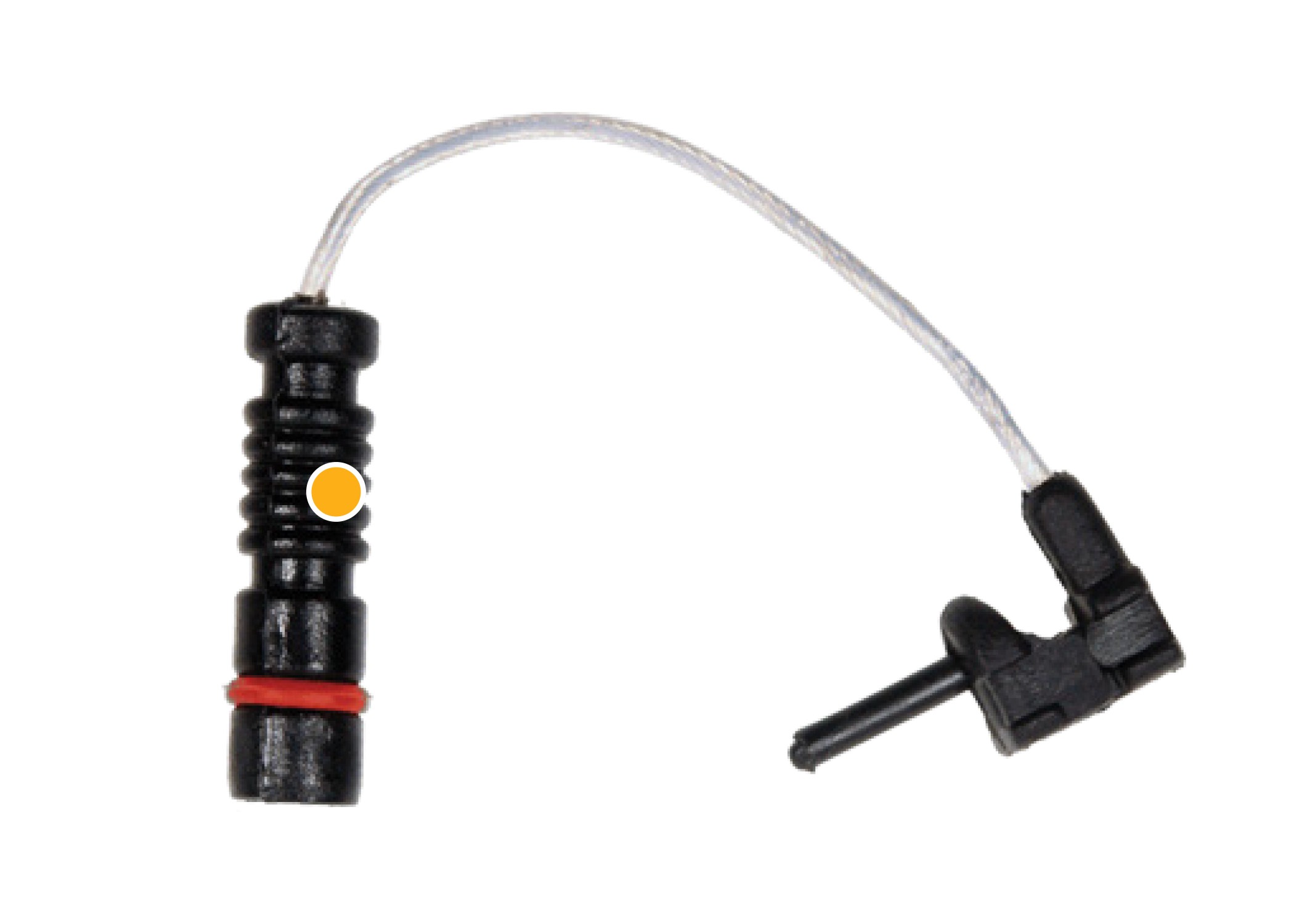
Credit: www.standardbrand.com
Types Of Brake Sensors
Understanding the different types of brake sensors is crucial for vehicle safety. These sensors monitor various aspects of the braking system. They help ensure the vehicle operates smoothly and safely. Let’s delve into the primary types of brake sensors.
Abs Sensors
ABS sensors, or Anti-lock Braking System sensors, prevent wheel lock-up during braking. They monitor wheel speed and send data to the ABS control module. This helps maintain traction and control. Without ABS sensors, the wheels could lock up, causing skidding.
Brake Pad Wear Sensors
Brake pad wear sensors alert drivers when brake pads need replacement. They monitor the thickness of the brake pads. When the pads wear down to a certain level, the sensors trigger a warning light. This ensures timely maintenance and prevents brake failure.
Speed Sensors
Speed sensors measure the rotational speed of the wheels. They provide data to various systems in the vehicle. These include the speedometer and the ABS. Accurate speed readings help optimize braking performance. They also contribute to overall vehicle stability.
How Brake Sensors Work
A brake sensor detects the position of the brake pedal and sends a signal to the vehicle’s control system. This helps adjust the braking force and ensures safe stopping.
Brake sensors play a crucial role in vehicle safety. They ensure the braking system functions efficiently. Understanding how brake sensors work can help you maintain your vehicle better.
Sensor Mechanism
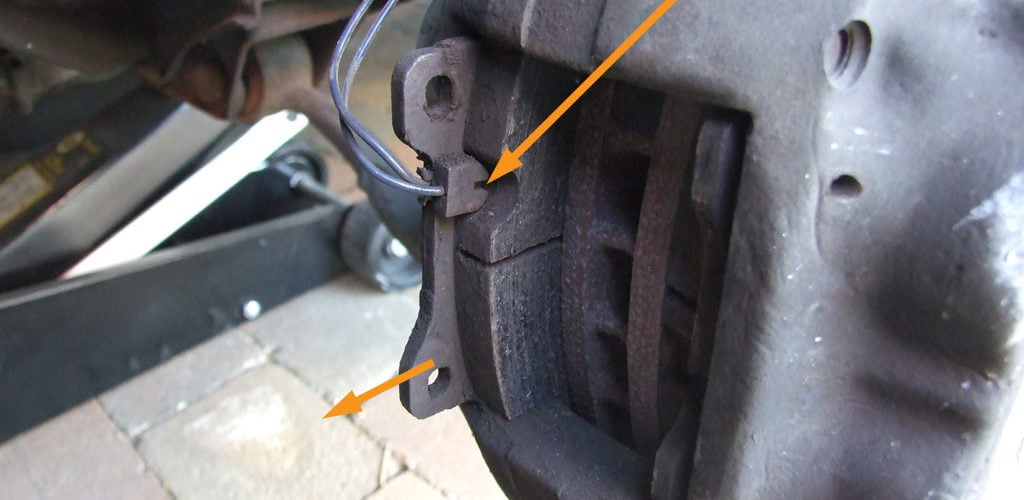
Brake sensors detect the condition of brake pads. They have a simple yet effective design. A small metal tab is attached to the brake pad. When the brake pad wears down, the tab touches the brake rotor. This contact generates a signal. The sensor then sends this signal to the vehicle’s electronic control unit (ECU). This process helps monitor brake wear.
Signal Transmission
Once the sensor detects wear, it transmits a signal. This signal travels through a wire to the ECU. The ECU processes this information quickly. It then triggers a warning light on the dashboard. This alert notifies the driver. It indicates that the brake pads need attention. This system ensures timely maintenance. It helps prevent potential brake failures. Understanding these basic principles can enhance your knowledge. It helps you appreciate the technology in your vehicle. Regular checks ensure your brake sensors function well.
Common Brake Sensor Issues
Brake sensors are crucial for your vehicle’s safety. They detect issues in the braking system and alert you. But brake sensors can sometimes face problems. Knowing these issues helps in quick diagnosis and repair.
Faulty Sensors
Brake sensors can become faulty over time. A common sign is the brake warning light staying on. This indicates a malfunction. Another sign is inconsistent brake performance. This could mean the sensor is not reading correctly.
| Sign | Possible Cause |
|---|---|
| Brake warning light | Faulty sensor |
| Inconsistent braking | Sensor reading issue |
Regular checks can help identify and fix these issues early. Replacing faulty sensors ensures your brakes work properly.
Wiring Problems
Wiring issues can also affect brake sensors. Damaged wires can cause the sensor to fail. This leads to inaccurate readings. Wires can get damaged due to wear and tear. Or they might be affected by external elements.
- Check wires for visible damage.
- Ensure connections are secure.
- Replace damaged wiring promptly.
Proper maintenance of wiring ensures your brake sensors function correctly. This helps maintain the safety of your vehicle.
Understanding these common brake sensor issues can help in maintaining your vehicle’s braking system. Regular inspections and prompt repairs keep your brakes in top condition.
Want to replace a faulty brake sensor? See our top picks for the Best Brake Wear Sensor Replacement Kit.
Diagnosing Brake Sensor Problems
A brake sensor detects the condition of your vehicle’s brake system. Problems in the sensor can affect braking performance. Proper diagnosis ensures safety on the road.
Brake sensors are crucial for vehicle safety. They alert you to brake issues. Diagnosing problems early ensures safety and prevents costly repairs.
Warning Signs
Several warning signs indicate brake sensor issues. The brake warning light is one. It usually appears on your dashboard. Another sign is unusual noises. Squealing or grinding sounds are common. Reduced braking performance is also a clue. Your car may take longer to stop. Vibrations during braking are another symptom. These signs suggest checking the brake sensors.
Diagnostic Tools
Several tools help diagnose brake sensor problems. An OBD-II scanner is one. It reads error codes from your car’s computer. These codes identify specific issues. A multimeter is another useful tool. It measures electrical signals in the brake sensor. A visual inspection is also important. Check for damaged wires or connections. Using these tools helps pinpoint the problem accurately.
Maintenance And Replacement
Maintenance and replacement of your brake sensor are crucial for ensuring the safety and efficiency of your vehicle. Regular checks can help detect issues early, while knowing the replacement process ensures you can handle or understand what needs to be done when a sensor fails.
Regular Checks
Regular checks of your brake sensor can prevent unexpected failures. It is important to inspect the sensor for any signs of wear or damage. Look for the following signs:
- Warning lights on the dashboard
- Unusual brake response
- Physical damage to the sensor
If any of these signs are present, it might be time to replace the sensor. Regular checks ensure that you address issues before they become serious.
Replacement Process
Replacing a brake sensor involves several steps. Here is a simple guide to help you understand the process:
- Ensure the vehicle is in a safe position.
- Locate the brake sensor, usually near the wheel hub.
- Disconnect the wiring harness connected to the sensor.
- Remove the old sensor by unscrewing or unclipping it.
- Install the new sensor by reversing the removal steps.
- Reconnect the wiring harness.
- Test the new sensor to ensure it is working properly.
Following these steps can help ensure that your new brake sensor is installed correctly and functions as intended. If unsure, consult a professional mechanic.
Benefits Of Brake Sensors
Brake sensors play a crucial role in modern vehicles. They offer numerous benefits that enhance both safety and performance. Below, we explore the key advantages of brake sensors.
Enhanced Safety
Brake sensors enhance safety by monitoring the brake system. They detect issues early. This helps avoid accidents. The sensors alert drivers to potential problems. Drivers can then take action promptly. This reduces the risk of brake failure. It also ensures the vehicle remains safe to drive. Timely alerts can save lives.
Improved Performance
Brake sensors also improve performance. They ensure the brakes work optimally. This leads to smoother braking. The sensors adjust the braking force as needed. This provides better control of the vehicle. It also leads to more efficient braking. The overall driving experience becomes more comfortable. Properly functioning brakes also reduce wear and tear on the brake system.
Credit: www.buybrakes.com
Future Of Brake Sensor Technology
The future of brake sensor technology is promising. It aims to improve vehicle safety and performance. With advancements in technology, brake sensors are becoming more intelligent and efficient. The integration of smart sensors in braking systems is transforming the way vehicles respond to various driving conditions. This section explores the latest innovations and trends shaping the future of brake sensor technology.
Innovations
Several innovations are enhancing brake sensor technology. One key innovation is the use of wireless sensors. Wireless sensors eliminate the need for physical connections. This reduces wear and tear and improves reliability. Another important innovation is the integration of AI. AI helps brake sensors learn and adapt to driving habits. This results in more precise braking responses.
Additionally, the development of self-diagnosing sensors is noteworthy. These sensors can detect faults and alert drivers in real-time. This enhances safety and reduces maintenance costs. The use of advanced materials is also a significant innovation. New materials make brake sensors more durable and efficient.
Trends
Several trends are shaping the future of brake sensor technology. One major trend is the shift towards electric vehicles (EVs). EVs require advanced braking systems with efficient sensors. Another trend is the growing adoption of autonomous vehicles. Autonomous vehicles rely heavily on accurate brake sensors. They ensure safe and reliable operation.
Furthermore, the trend of integrating brake sensors with other vehicle systems is emerging. This integration enhances overall vehicle performance. Lastly, there is a trend towards miniaturization of sensors. Smaller sensors are easier to install and maintain. They also offer better performance in compact spaces.
Car owners getting brake warning lights or ABS errors are looking to Buy a Brake Wear Sensor Kit that works with their vehicle model and is easy to install.
Frequently Asked Questions
What Is A Brake Sensor?
A brake sensor monitors the condition of brake pads. It alerts drivers when pads need replacement. This ensures safety.
How Does A Brake Sensor Work?
A brake sensor detects wear on brake pads. It sends a signal to the vehicle’s dashboard. This helps prevent brake failure.
Why Are Brake Sensors Important?
Brake sensors ensure timely brake pad replacements. They enhance vehicle safety and performance. This prevents accidents caused by brake failure.
When Should You Replace Brake Sensors?
Replace brake sensors when they trigger alerts. Regular inspection during maintenance is also recommended. Follow the manufacturer’s guidelines.
Conclusion
Understanding brake sensors is crucial for vehicle safety. They monitor brake performance. They alert you to issues early. This prevents accidents and costly repairs. Regular checks ensure they work well. Brake sensors are vital for modern cars. They enhance driving safety and reliability.
Always prioritize maintenance for a smoother ride.
Disclosure: As an Amazon Associate, I may earn from qualifying purchases at no extra cost to you. Amazon and the Amazon logo are trademarks of Amazon.com, Inc, or its affiliates.
- Amazon, Amazon Prime, the Amazon logo and Amazon Prime logo are trademarks of Amazon. com, Inc. or its affiliates.

I am Sadman, the founder of CarSensorHub.com, where I share my passion for cars and technology. I specialize in writing detailed reviews and helpful guides on car gadgets, accessories, safety tools and many more. My mission is to help car owners discover the best products and tips to improve their driving experience and stay safe on the road.


