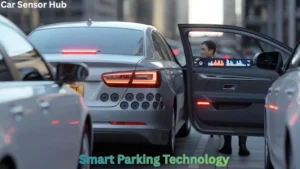
Disabling parking sensors can be straightforward. You can usually turn them off through your car’s settings.
In some cases, it might involve disconnecting them manually. Parking sensors are useful for avoiding obstacles when parking. However, there are times when you might want to disable them. Maybe you find the constant beeping annoying or unnecessary. Or perhaps you’re working on your car and need to disable them temporarily.
Whatever your reason, understanding how to disable parking sensors can be helpful. This article will guide you through the process, providing easy steps to follow. By the end, you’ll know exactly how to handle your parking sensors when needed. Let’s dive in and make this task simple and manageable.

Credit: www.youtube.com
Preparation
Disabling parking sensors requires careful preparation. Before starting, gather all necessary tools and take safety precautions. This ensures a smooth process and avoids potential mishaps.
Safety Precautions
Safety is crucial. Ensure the vehicle is in park mode. Disconnect the battery to prevent electrical shocks. Wear gloves to protect your hands. Have a fire extinguisher nearby for emergencies.
Required Tools
Gather the right tools. You will need a screwdriver, pliers, and electrical tape. A multimeter is useful for checking electrical connections. Keep a flashlight handy for better visibility.
Locate Sensors
Disabling parking sensors can be necessary for various reasons. To begin, you must locate the sensors on your vehicle. Finding these sensors is the first step. It ensures you access the correct components without damaging other parts.
Identifying Sensor Locations
Parking sensors are usually found on the bumpers. Both front and rear bumpers have them. They look like small circular disks. Check your vehicle’s manual for exact locations. Some models may have sensors in different places.
Accessing Sensor Area
Once you identify the sensors, accessing them is next. Open the trunk or hood to reach behind the bumpers. You may need to remove some panels or covers. Use a screwdriver for this step. Be gentle to avoid breaking any clips or fasteners.
Disconnect Sensors
Parking sensors help drivers avoid obstacles. But there are times you might need to disable them. Disconnecting these sensors is a straightforward process. You can do it yourself with some basic tools. Follow these steps to ensure the job is done correctly.
Unplugging Sensors
First, locate the parking sensors on your vehicle. These are usually on the bumper. You might need to lay down to see them clearly. Use a flashlight for better visibility. Once you find the sensors, look for the wiring harness.
Next, gently disconnect the wiring harness. This is usually done by pressing a small tab and pulling the connector out. Be careful not to pull too hard. You don’t want to damage the wires or the connector.
Handling Sensor Wires
After unplugging the sensors, secure the wires. Use electrical tape to cover the exposed ends. This prevents dirt and moisture from getting in. Tuck the wires away safely to avoid damage.
If the wires are long, use zip ties. This keeps them from hanging loose. Loose wires can get caught or damaged. Properly securing them ensures your vehicle remains in good condition.

Credit: www.reddit.com
Disable System
Disabling parking sensors can be necessary for various reasons. Perhaps your sensors are malfunctioning, or you simply find them more annoying than helpful. Whatever the reason, it’s essential to understand the steps involved in disabling the system safely and effectively. This guide will walk you through the process, ensuring you can disable your parking sensors with ease.
Deactivating Sensor System
The first step in disabling your parking sensors is to locate the control switch. Many modern vehicles come equipped with a button or switch specifically for this purpose. This switch is often found on the dashboard or near the gear shift.
If your vehicle doesn’t have a dedicated switch, you may need to check the owner’s manual for specific instructions. Some vehicles require you to access the car’s settings menu via the infotainment system. Here, you can usually find an option to deactivate the parking sensors.
Once you’ve located the switch or the settings menu, turn off the sensors by pressing the button or selecting the appropriate option. You should hear a beep or see an indicator light confirming that the sensors are now deactivated.
Confirming Disconnection
After deactivating the sensor system, it’s crucial to ensure that the sensors are indeed turned off. Take your car for a short drive and try parking in a spot where the sensors would typically activate.
Listen and observe if the sensors remain silent and no warning lights appear on your dashboard. This confirms that the sensors are successfully disabled.
If the sensors still activate, double-check the settings or consult your owner’s manual. It might be necessary to repeat the deactivation process or seek professional assistance.
Disabling parking sensors may seem daunting, but with these steps, you can do it confidently. Have you ever found yourself in a situation where disabling the sensors was necessary? Share your experiences and insights in the comments below!
Testing
Testing is an essential step after you disable parking sensors. It helps you ensure the sensors are truly off and won’t interfere with your driving.
Reversing Vehicle
Start by reversing your vehicle in a safe, open area. This will help you check if the parking sensors are still active. Ensure there are no obstacles behind you. Move slowly and listen for any beeping sounds.
Checking For Alerts
Next, check for alerts on your vehicle’s dashboard. Most modern cars display warnings if the sensors detect something. If you see no alerts, the sensors might be disabled successfully.
Repeat this test a few times to be sure. Move your vehicle in different directions. Listen and watch for any signs of the sensors working. Consistent results confirm the sensors are off.

Credit: www.reddit.com
Troubleshooting
Parking sensors can be a real lifesaver, but they aren’t without their quirks. Sometimes, they might malfunction or give false alarms, leading you to consider disabling them. Troubleshooting these issues can help you determine whether a simple fix will get them back on track or if disabling them is the best option.
Common Issues
One common issue with parking sensors is false alarms. This can happen if dirt or debris covers the sensors. Another problem might be a sensor that doesn’t beep at all, indicating a possible wiring issue. Sometimes, sensors might be too sensitive, causing them to beep even when there’s no obstacle nearby.
Have you ever experienced your parking sensors going off even when nothing is behind your car? It’s frustrating and can make you question their reliability. This usually happens due to environmental factors like heavy rain or snow, which can interfere with the sensors.
Solutions
First, check for any dirt or debris on the sensors. A quick wipe with a clean cloth can sometimes fix the issue. If the sensor still acts up, inspect the wiring for any visible damage. This might require removing the bumper, so proceed with caution or seek professional help.
If your sensors are too sensitive, you might need to adjust their settings. Consult your vehicle’s manual for specific instructions on how to do this. Sometimes, a simple recalibration can solve the problem.
Lastly, if environmental factors are causing the issue, consider parking your car in a different location or using a car cover. This can help minimize the impact of rain or snow on your sensors.
Have you tried these solutions and still face issues? It might be time to disable the sensors temporarily until you can get professional help. Remember, safety first!
What other troubleshooting tips have worked for you? Share your experiences in the comments below.
Reconnecting Sensors
Reconnecting parking sensors can restore their functionality. It’s essential to follow a few steps to ensure proper operation. This section guides you through reconnecting and checking your sensors.
Restoring Sensor Functionality
First, locate the sensors on your vehicle. These are usually on the front and rear bumpers. Clean any dirt or debris around the sensors. Dirty sensors can cause malfunctions.
Next, inspect the sensor wires. Ensure they are not damaged or disconnected. Reconnect any loose wires securely. This step is crucial for restoring sensor functionality.
Ensuring Proper Operation
After reconnecting, test the sensors. Turn on your vehicle and engage the parking sensor system. Move close to an obstacle and listen for beeps. The beeps should get faster as you approach the obstacle.
If the sensors do not work, recheck all connections. Make sure all wires are secure and undamaged. If problems persist, consider consulting a professional. Proper operation ensures safety and efficiency.
Frequently Asked Questions
Can Parking Sensors Be Switched Off?
Yes, you can switch off parking sensors. Most vehicles offer a button or settings menu to disable them. Check your owner’s manual for instructions.
How To Turn Off Parking Sensor Beep?
To turn off the parking sensor beep, locate the sensor switch on your dashboard. Press it to disable the beep. Consult your vehicle’s manual for specific instructions.
Why Do My Parking Sensors Keep Going Off?
Your parking sensors may keep going off due to dirt, debris, or faulty sensors. Clean the sensors and check for damage. If the issue persists, seek professional assistance.
Can You Disable Park Assist?
Yes, you can disable park assist. Check your vehicle’s manual for specific instructions. Typically, it involves pressing a button or navigating through the settings menu.
Conclusion
Disabling parking sensors can be straightforward. Follow the steps carefully. Always prioritize safety. Consult your car manual for specific instructions. If unsure, seek professional help. Properly disabling sensors can prevent unwanted alerts. Enjoy a smoother driving experience without unnecessary noise.
Remember, technology should enhance driving, not hinder it. Stay informed and make wise choices for your vehicle. With these tips, you’re ready to take control of your parking sensors.
Disclosure: As an Amazon Associate, I may earn from qualifying purchases at no extra cost to you. Amazon and the Amazon logo are trademarks of Amazon.com, Inc, or its affiliates.
- Amazon, Amazon Prime, the Amazon logo and Amazon Prime logo are trademarks of Amazon. com, Inc. or its affiliates.

I am Sadman, the founder of CarSensorHub.com, where I share my passion for cars and technology. I specialize in writing detailed reviews and helpful guides on car gadgets, accessories, safety tools and many more. My mission is to help car owners discover the best products and tips to improve their driving experience and stay safe on the road.