To bypass an O2 sensor, you can use an oxygen sensor simulator or a spacer on the exhaust system. It is crucial to note that bypassing an O2 sensor may be illegal and can lead to failed emissions tests.
Understanding how to do this involves knowledge of car electronics and exhaust systems. Bypassing the O2 sensor can temporarily resolve sensor-related error codes or issues, but it is not a recommended long-term fix. Vehicle owners should address the underlying problems with the sensor or exhaust system for proper vehicle function and compliance with environmental regulations.
This guide is for informational purposes, and one should proceed with caution and seek professional assistance if unsure. Remember, the O2 sensor is a critical component for engine management and pollution control; tampering with it can lead to inadequate engine performance and increased emissions.
Introduction To O2 Sensors
Oxygen (O2) sensors play a pivotal role in modern vehicles. We uncover their purpose and the potential issues that arise when they malfunction.
Function Of Oxygen Sensors
O2 sensors, nestled in a car’s exhaust system, monitor unburned oxygen in the vehicle’s exhaust. They send data to the car’s computer. This data keeps the engine running at optimum efficiency. O2 sensors ensure the perfect balance for peak performance and emissions control.
Consequences Of A Faulty O2 Sensor
A faulty O2 sensor can spell trouble. It can cause myriad issues with a vehicle’s functionality and health.
- Fuel inefficiency: A car may burn more fuel than needed.
- Increased emissions: Excessive harmful pollutants may release into the atmosphere.
- Engine performance: Your engine might run rough or inconsistently.
- Failed emissions test: Cars with broken sensors often fail these tests.
These outcomes emphasize the need for proper O2 sensor operation. Sensors ensure engines perform effectively while minimizing environmental impact.
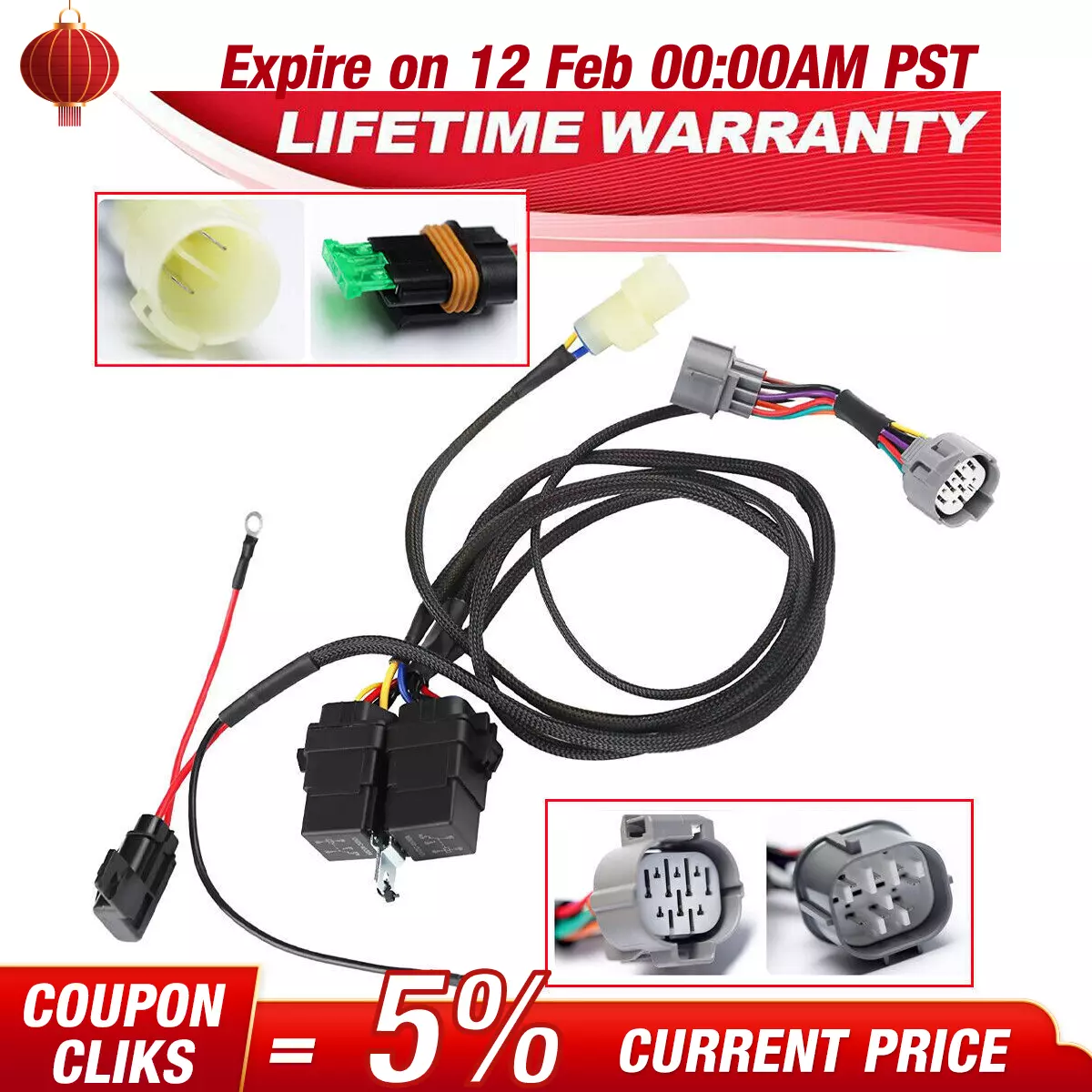
Credit: www.ebay.com
Common Reasons For Bypassing An O2 Sensor
Oxygen sensors play a critical role in managing your vehicle’s engine. They help ensure the fuel to air ratio maximizes performance while keeping emissions low. Sometimes, though, you may find the need to bypass this sensor. Maybe it’s malfunctioning, but you haven’t got the replacement yet. Perhaps you’re tweaking engine performance, or you’re in a pinch and need a temporary fix. Let’s explore these scenarios.
Temporary Fixes For Emergencies
When your O2 sensor fails on the road, your engine might run rough, consume more fuel, or emit more pollutants. A quick bypass can get you rolling to safety or a repair shop.
- Use an O2 sensor simulator – Tricks the system while you find a replacement.
- Install a resistor – A short-term measure to mimic a working sensor.
Performance Testing
Racers often bypass the O2 sensor to push their vehicle’s performance envelope. They do it to prevent the engine’s computer from interfering with custom fuel mixtures.
- Manual tuning – Tailors fuel delivery without sensor input.
- Dyno testing – Assesses modifications without the sensor dictating fuel ratios.
Legal And Environmental Considerations
Bypassing an O2 sensor raises important questions. We consider the law and how it affects air quality.
Regulatory Issues
Driving with a modified exhaust system, including an O2 sensor bypass, often goes against vehicle regulations. These rules vary by location. In many areas, tampering with emission controls, including the O2 sensor, is illegal. The Clean Air Act in the United States sets strict standards. It prohibits the removal or bypass of any device designed to control emissions. Such an act can lead to fines.
- Federal regulations make it clear: tampering with emissions is a no-go.
- Automobile inspection programs in many states check for compliance.
- Vehicle warranties can be voided if illegal modifications are discovered.
Impact On Emissions
The O2 sensor monitors exhaust gases. It helps the car run efficiently and cleanly. When bypassed, emission levels increase. This leads to air pollution. With poor air quality comes health risks.
- A faulty sensor can increase car emissions by up to 40%.
- High emissions contribute to smog and respiratory issues.
- By bypassing, you’re adding to the environmental strain.
Essential Tools And Safety Precautions
Navigating the intricacies of an O2 sensor bypass demands the right tools: a compatible simulator, a digital multimeter, and safety gear. Ensure personal protection with gloves and safety glasses to mitigate any potential hazards during the process.
Managing a vehicle’s oxygen sensor requires precision, caution, and the correct set of tools. Appropriate equipment ensures efficiency and safety when attempting to bypass an O2 sensor. This task, typically performed to diagnose issues, should not be done without taking necessary precautions. Understanding the tools needed and safety measures is crucial.
Tools Required For The Job
- Wrench set: To uninstall the sensor.
- O2 sensor socket: For a firm grip on the sensor.
- Wire cutters: To handle wiring tasks.
- Voltmeter: To check sensor function.
- Soldering iron: For wire connections.
- Anti-seize compound: Protects threads on installation.
Each tool is crucial for a successful bypass. Double-check your toolbox before starting the job. Ensure all tools are in working order to prevent mid-task disruptions.
Safety Measures To Follow
Safety cannot be overstated when dealing with any aspect of vehicle maintenance. Following these guidelines minimizes risks:
- Wear safety goggles: Always protect your eyes.
- Work in a well-ventilated area: Fumes can be hazardous.
- Disconnect the battery: Prevents electrical shocks.
- Use gloves: Keeps hands safe from burns and cuts.
- Avoid working on a hot engine: Lets the vehicle cool down first.
- Refer to the vehicle manual: Follow specific safety guidelines for your model.
Sticking to these safety measures ensures a safer working environment. Take care to adhere to them strictly.
Step-by-step Guide To Bypassing The O2 Sensor
Welcome to the comprehensive Step-by-Step Guide to Bypassing the O2 Sensor. Navigating around the O2 sensor in your vehicle might sound intimidating. This guide aims to simplify the process, ensuring you can complete the task with ease and confidence.
Locating The O2 Sensor
The O2 sensor keeps your car running smoothly. It’s often found along the exhaust system. Look for it on the manifold, exhaust pipes, or before and after the catalytic converter.
Disconnecting The Sensor
Before disconnecting, your car should be cool. Always unplug the battery first. Then remove the sensor’s connection using a suitable wrench or O2 sensor socket.
Installing An O2 Sensor Simulator
With the sensor removed, it’s time to install the simulator. It tricks the system, ensuring smooth operation. Secure the simulator firmly in place of the sensor.

Credit: m.youtube.com
Alternative Solutions
Bypassing an O2 sensor may seem tricky. Yet, effective alternatives exist. Let’s dive into some methods that can help achieve this task without compromising vehicle performance.
Using O2 Sensor Spacers
O2 sensor spacers can trick your vehicle’s system. They create a gap between the sensor and exhaust stream. This can effectively dial down the sensor’s readings.
- Correct installation is key to success.
- Spacers maintain exhaust flow.
- They reduce the chance of a check engine light.
Remember, this solution only works if the spacer is compatible with your car.
Installing A Dummy O2 Sensor
A dummy O2 sensor is another option. It mimics a functioning sensor. Your car gets a constant okay signal.
- Select a dummy sensor that fits your vehicle model.
- Installation should be straightforward and secure.
This method avoids error codes on your dashboard. Be sure to monitor your vehicle’s performance closely after installation.
After-bypass: What To Expect
Removing or bypassing an O2 sensor changes how a car runs. Below, we explore what happens next. It’s key to track the results closely. This ensures the engine performs well and flags potential issues early.
Engine Performance Post-bypass
Once you bypass the O2 sensor, you might notice changes in engine behavior. Here’s what might occur:
- Fuel Efficiency may decrease, as the engine could run richer than normal.
- An increase in emissions is likely because the sensor regulates the air-to-fuel ratio.
- The engine’s power output could vary. This depends on how the engine management system adjusts.
These alterations stem from the engine control module (ECM) receiving altered signals. The ECM then tweaks fuel injection cycles.
Monitoring Vehicle Behavior
Post-bypass, you must watch for these signs:
- The Check Engine Light may illuminate. This signals that the system detects the bypass.
- Diagnostic Trouble Codes (DTCs) could appear when scanning the vehicle’s onboard computer.
- Listen for unusual engine sounds. These might point to improper combustion.
It’s essential to use a diagnostic tool to check for error codes. This tool can pinpoint what’s happening under the hood.
Remember, bypassing an O2 sensor may lead to failed emissions tests. It can also cause long-term engine damage. Always consider these risks.
Long-term Considerations
Bypassing an O2 sensor is a quick fix. It might solve some short-term issues. But it’s important to think about the future of your car. When you bypass the O2 sensor, you’re ignoring a vital part of your vehicle’s health system. Over time, this can lead to bigger problems. Your engine could work poorly. Your car might use more fuel. It can even cause it to fail emissions tests. So, let’s explore some important long-term things to consider.
Need For Professional Inspection
The O2 sensor measurements are important for your car’s computer. It will help the engine run well. If you bypass this sensor, get a pro to check your car. The pro can give advice on the best fix for your car.
- Check Engine Light: This light might stay on. It’s telling you to check your car’s health.
- Fuel Economy: A bad sensor can make your car use more gas.
- Emissions: An unchecked bypass can pollute more.
Timing For Replacing The O2 Sensor
Bypassing is not a lasting solution. Replacing the sensor is the best move. This helps your car stay healthy longer. Experts have suggestions when to replace it.
| Mileage | Check Sensor | Replace |
|---|---|---|
| 30,000 – 50,000 miles | Yes | Maybe |
| Over 100,000 miles | Yes | Yes |
Tip: Your owner’s manual can also tell you when to replace the O2 sensor. This will help your car run smoothly.
Frequently Asked Questions On How To Bypass O2 Sensor
Can Bypassing O2 Sensor Improve Performance?
Bypassing an O2 sensor can sometimes improve performance temporarily by altering the air-fuel mixture. However, this is not a recommended solution. It can cause engine inefficiency and potential damage, leading to more significant issues in the long run.
Is It Legal To Bypass O2 Sensors?
Bypassing O2 sensors is illegal in many regions due to emission control laws. Vehicles are required to have fully functional emission systems to pass inspection and comply with environmental regulations.
What Are The Risks Of Bypassing An O2 Sensor?
Bypassing an O2 sensor risks engine performance, fuel efficiency, and can trigger the check engine light. Long-term effects include potential damage to the catalytic converter, which can be costly to replace.
How Does An O2 Sensor Work?
An oxygen (O2) sensor measures the oxygen levels in exhaust gases to help the engine’s computer calculate the right air-fuel mixture. It is crucial for maintaining optimal combustion and reducing emissions.
Conclusion
Wrapping up, bypassing an O2 sensor requires precision and caution. The steps outlined offer a roadmap to tackle the process effectively. Remember, staying informed and proceeding with care preserves your vehicle’s health and avoids legal pitfalls. Good maintenance and timely consultations with professionals can save you from needing a bypass.
Drive safely.
Disclosure: As an Amazon Associate, I may earn from qualifying purchases at no extra cost to you. Amazon and the Amazon logo are trademarks of Amazon.com, Inc, or its affiliates.
- Amazon, Amazon Prime, the Amazon logo and Amazon Prime logo are trademarks of Amazon. com, Inc. or its affiliates.

I am Sadman, the founder of CarSensorHub.com, where I share my passion for cars and technology. I specialize in writing detailed reviews and helpful guides on car gadgets, accessories, safety tools and many more. My mission is to help car owners discover the best products and tips to improve their driving experience and stay safe on the road.