Imagine this: you’re at home, your Ford F-150 Lightning parked in the driveway, ready to power up for tomorrow’s adventures. The convenience of charging your electric truck at home is undeniable, but how much is it really costing you?
This question might have crossed your mind more than once. You’re not alone. Many owners are curious about the costs involved in keeping their electric vehicles charged and ready to go. We’ll dive into the nuts and bolts of home charging expenses for the F-150 Lightning.
You’ll discover how to calculate costs accurately, explore ways to save money, and even gain insights into optimizing your charging habits. By the end, you’ll have a clear understanding of what it takes to keep your truck charged efficiently without breaking the bank. Ready to uncover the secrets of home charging costs? Let’s get started.
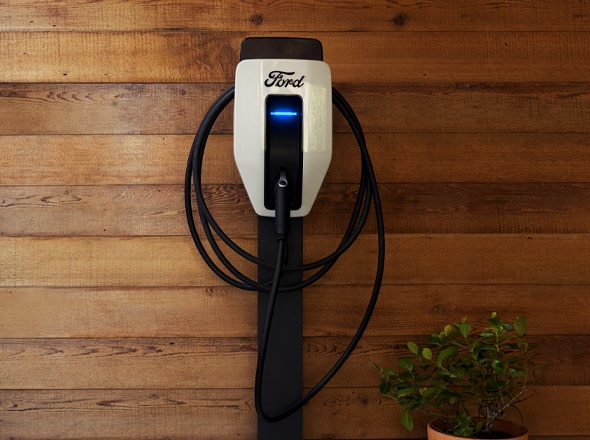
Credit: chargers.ford.com
Charging Basics
Charging your Ford F-150 Lightning at home is convenient and cost-effective. Understanding the basics can help you make informed decisions. This guide covers the essentials of home charging, ensuring you get the most out of your electric vehicle. Explore the different types of chargers and levels to find what’s best for you.
Types Of Chargers
There are two main types of chargers for home use. Level 1 chargers plug into a standard outlet. They are slow but require no special setup. Level 2 chargers need a dedicated circuit and offer faster charging. They are ideal for daily charging needs.
Charging Levels Explained
Charging levels refer to speed and power. Level 1 chargers use 120 volts and take longer. They add about 3 miles of range per hour. Level 2 chargers use 240 volts, speeding up the process. They add 20 to 30 miles per hour, making them more efficient.
Choosing the right charger depends on your lifestyle. If your commute is short, a Level 1 charger may suffice. For longer distances, consider a Level 2 charger for faster charging. Each level has its pros and cons. Assess your daily needs to decide which charger suits you best.
Home Charging Setup
Charging your Ford F-150 Lightning at home offers convenience and savings. But setting up a home charging station requires some planning. Understanding the basics will help ensure a smooth process. Let’s dive into the essential aspects of a home charging setup.
Installation Requirements
First, assess your home’s electrical system. A professional electrician can help with this. The charging station needs a dedicated circuit. Most homes have a 240-volt outlet available. Ensure the circuit can handle the charger’s power load. Check your home’s wiring and panel capacity.
Consider the location of your charger. Place it near your parking spot. This reduces cable length and potential hazards. Also, think about weather protection. An outdoor charger needs a waterproof cover. Indoor setups are less exposed but still need protection.
Choosing The Right Charger
Select a charger that fits your needs. Level 2 chargers are common for home use. They offer faster charging than Level 1. Check the charger’s compatibility with your F-150 Lightning. Some chargers come with smart features. These can schedule charging times and monitor usage.
Consider the cost of the charger. Prices vary based on features and brand. Read reviews and compare options. A good charger balances cost and functionality. Also, look for a warranty. It provides peace of mind and protection against defects.
Electricity Costs
Charging your Ford F-150 Lightning at home involves understanding electricity costs. These costs depend on your local electricity rates. Knowing these rates can help you plan your charging schedule. You can save money by charging during off-peak hours.
Understanding Tariffs
Electricity tariffs vary by location and provider. Some areas have time-of-use rates. This means electricity costs more during peak hours. Off-peak hours are cheaper. Check with your electricity provider to understand your local tariffs. This will help you charge your truck at the lowest cost.
Calculating Costs
To calculate charging costs, know your electricity rate per kilowatt-hour (kWh). The Ford F-150 Lightning’s battery size is around 98 kWh. Multiply the battery size by your rate. This gives you the cost of a full charge. For example, at $0.12 per kWh, a full charge costs $11.76. Adjust calculations based on your specific usage and rates.
Factors Affecting Charging Cost
Charging your Ford F-150 Lightning at home can be convenient. But the cost can vary. Several factors influence how much you pay. Understanding these factors can help you save money.
Time Of Use Rates
Electricity prices are not constant throughout the day. Many utility companies offer time-of-use rates. Electricity is cheaper during off-peak hours. Charging your truck at night can reduce costs. Check your local utility’s rate plan. Choose times when electricity is less expensive. This can make a big difference in your monthly bill.
Battery Efficiency
Battery efficiency affects charging costs. A well-maintained battery charges more effectively. This means less electricity is wasted. Keep your battery in good condition. Regular maintenance can help. Avoid letting the battery completely drain. Charge it regularly to keep it efficient. Efficient charging can reduce your overall costs.
Tips For Reducing Costs
Charging your Ford F-150 Lightning at home can be cost-effective. But, electricity bills can still add up. You can reduce these costs with some smart strategies. Let’s explore a few practical tips that can help you save money.
Optimizing Charging Times
Electricity rates vary throughout the day. Charging your vehicle during off-peak hours can save money. Many utility companies offer lower rates at night. Consider setting a timer for your charger. This ensures charging starts during cheaper times. Check your local utility’s peak hours for the best rates.
Utilizing Renewable Energy
Consider installing solar panels at home. Solar energy can power your vehicle. This reduces reliance on grid electricity. Over time, it leads to significant savings. Additionally, some governments offer incentives for solar installations. This can offset initial costs. Investing in renewable energy is a smart, long-term decision.
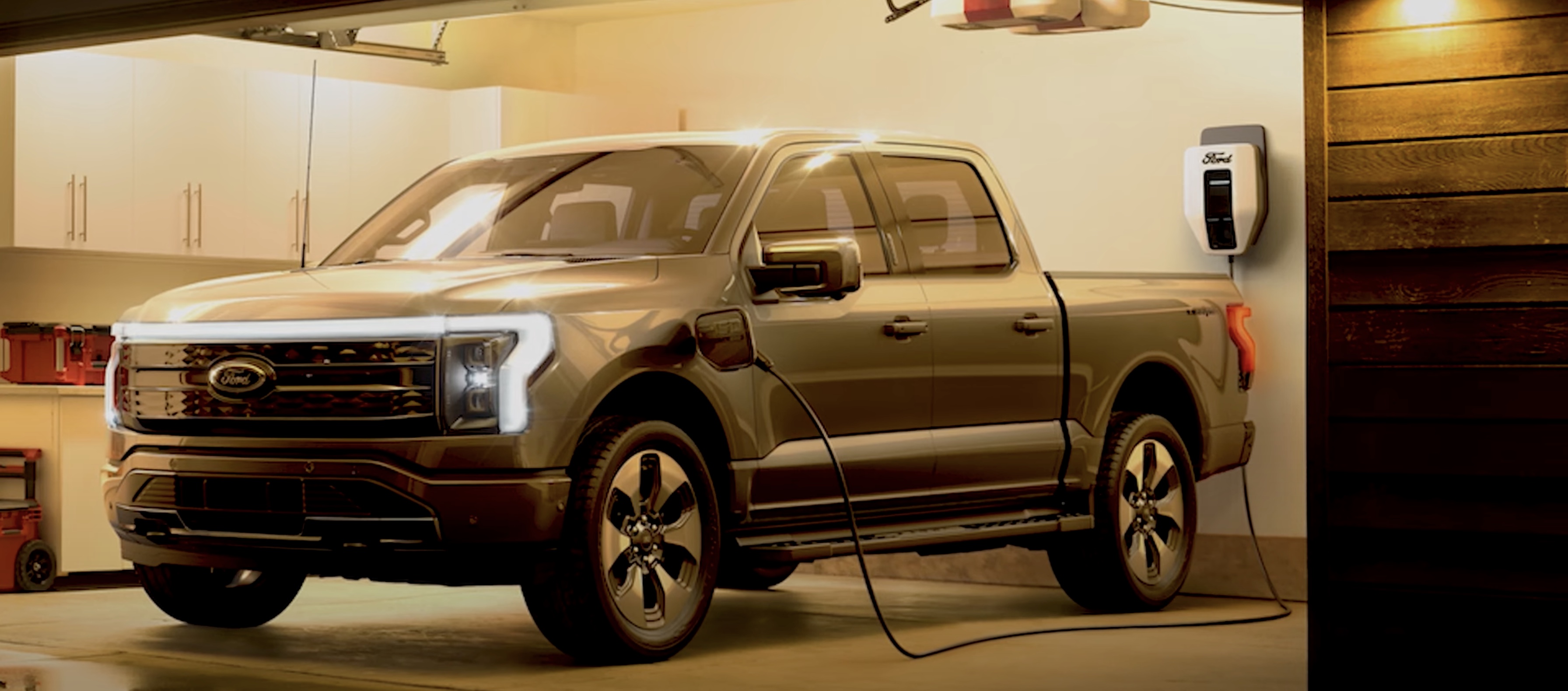
Credit: electrek.co
Comparing Costs With Public Charging
Charging your Ford F-150 Lightning at home versus at a public station can be a game-changer. Understanding the cost differences and benefits of each can help you make informed decisions about your charging habits. You might be surprised at how much convenience and savings lie in your own garage.
Price Differences
Charging at home often costs less than public charging stations. With residential electricity rates, you typically pay a straightforward fee per kilowatt-hour. Public stations might charge more due to maintenance and operational costs.
Consider this: if your home electricity rate is $0.13 per kWh and the battery capacity is 131 kWh, you might spend around $17 for a full charge. Public stations might charge $0.30 per kWh, totaling approximately $39.30.
Why pay extra when you can save significantly by charging overnight at home? It’s like choosing between a fancy restaurant and a homemade meal. Both fill you up, but one leaves more cash in your pocket.
Convenience And Accessibility
Charging at home is incredibly convenient. You simply plug in your truck when you park, and it charges while you relax. No extra trips to a station or waiting in line.
Public stations, although widespread, might not always be accessible. You might find yourself searching for an available charger during peak times. It’s like hunting for a parking spot in a crowded mall.
What do you value more: the ease of having your vehicle charged overnight or the flexibility of topping up while on the road? Your choice may impact your daily routine and charging habits.
Have you ever found yourself stuck waiting for a public charger, wishing you could just be at home? Maybe it’s time to consider investing in a home charging setup.
Long-term Savings
Charging your Ford F-150 Lightning at home can lead to long-term savings. Home charging is convenient and cost-effective. Over time, it can significantly reduce your vehicle expenses.
Electric Vehicle Incentives
Many governments offer incentives for electric vehicles. These incentives can include tax credits and rebates. They help lower the initial cost of your Ford F-150 Lightning. Additionally, some utilities provide discounts on electricity for EV owners. This can further reduce your monthly charging costs. Check local programs to maximize your savings.
Maintenance Cost Reduction
Electric vehicles have fewer moving parts than traditional cars. This means lower maintenance costs. The Ford F-150 Lightning requires less frequent servicing. No oil changes or engine upkeep are needed. Brake wear is also reduced due to regenerative braking. Over time, these factors contribute to significant savings. Enjoy fewer trips to the mechanic and more money in your pocket.

Credit: www.ford.com
Frequently Asked Questions
How Do I Calculate Charging Cost At Home?
To calculate charging cost, multiply your electricity rate by the kWh needed for a full charge. The Ford F-150 Lightning has a battery capacity of 98 kWh, so check your local rates. This gives you an estimate of how much it costs to charge your vehicle at home.
Is Charging At Home Cheaper Than Public Stations?
Charging at home is often cheaper than using public stations. Home electricity rates are typically lower than public charging fees. Additionally, charging at home provides convenience and flexibility. You can charge overnight when rates might be lower, optimizing cost savings.
How Long Does Home Charging Take?
Home charging time varies by charger type. A Level 1 charger takes 3 days for a full charge. A Level 2 charger takes approximately 10 hours. Investing in a Level 2 charger can significantly reduce charging time and improve overall convenience for daily use.
Can I Charge My Ford F-150 Lightning Overnight?
Yes, you can charge your Ford F-150 Lightning overnight. Overnight charging is convenient and often cost-effective. Electricity rates may be lower during nighttime hours, saving money. It also ensures your vehicle is fully charged and ready for use in the morning.
Conclusion
Calculating the cost to charge your Ford F-150 Lightning at home is simple. Understand your electricity rates first. Then, estimate your charging habits. This helps in budgeting effectively. Use energy-saving tips to reduce costs. Consider off-peak charging times. This can lower your bill significantly.
Installing a home charger might be a good investment. It offers convenience and control. Owning an electric vehicle has many benefits. It’s both eco-friendly and cost-effective. Charging at home enhances these advantages. Make sure to monitor your usage regularly. This ensures you stay informed about your expenses.
Disclosure: As an Amazon Associate, I may earn from qualifying purchases at no extra cost to you. Amazon and the Amazon logo are trademarks of Amazon.com, Inc, or its affiliates.
- Amazon, Amazon Prime, the Amazon logo and Amazon Prime logo are trademarks of Amazon. com, Inc. or its affiliates.

I am Sadman, the founder of CarSensorHub.com, where I share my passion for cars and technology. I specialize in writing detailed reviews and helpful guides on car gadgets, accessories, safety tools and many more. My mission is to help car owners discover the best products and tips to improve their driving experience and stay safe on the road.


