If you own a GMC Sierra 1500, you know how important a smooth transmission is for your truck’s performance. But what happens when your transmission starts acting up?
You might feel worried, confused, or even frustrated. Understanding the common transmission problems in the GMC Sierra 1500 can save you time, money, and stress. You’ll discover the main issues, why they happen, and what you can do to fix them.
Keep reading to protect your truck and keep it running strong.
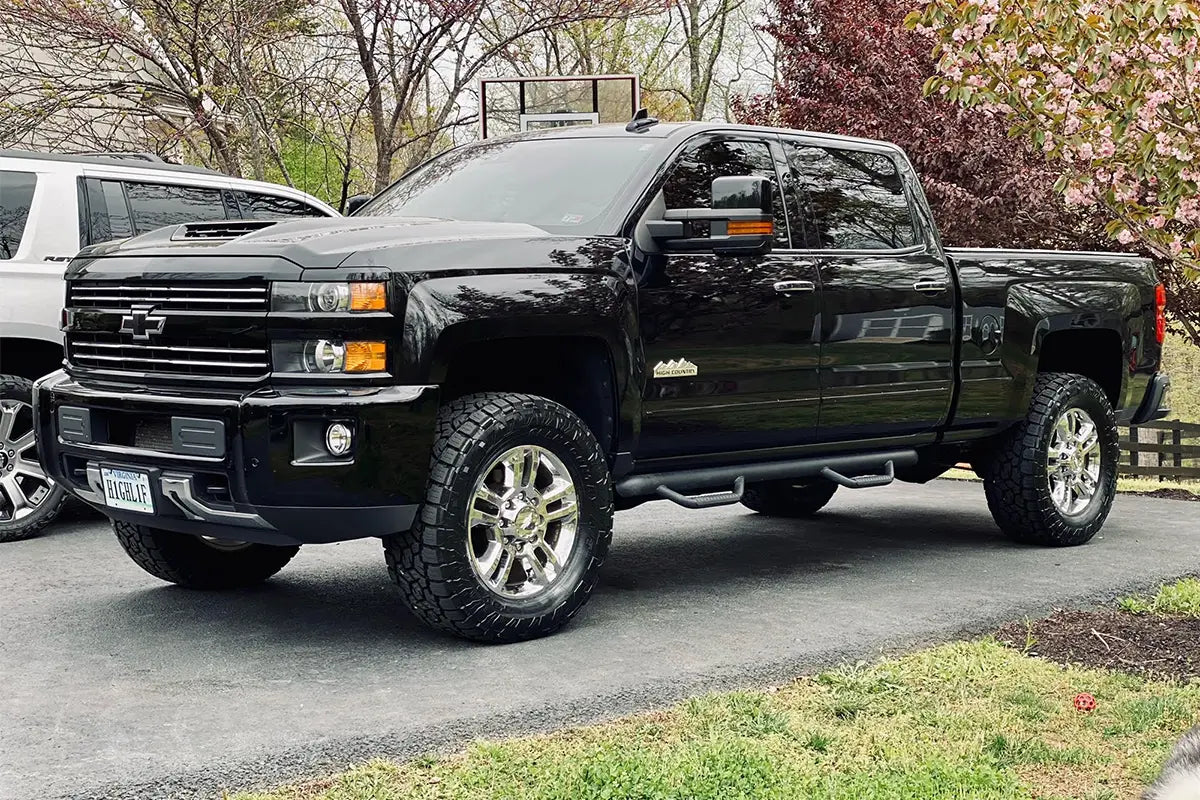
Credit: spetuner.com
Common Transmission Issues
The GMC Sierra 1500 is a strong truck, but its transmission can face common issues. These problems affect how smoothly the truck drives. Recognizing these issues early helps keep your vehicle safe and reliable. Below are some common transmission problems that GMC Sierra 1500 owners report.
Slipping Gears
Slipping gears happen when the transmission shifts out of place on its own. The engine revs up, but the truck does not speed up as expected. This issue can make driving unsafe and cause more damage. Worn-out clutch plates or low transmission fluid often cause slipping.
Delayed Shifting
Delayed shifting means the truck takes longer to change gears. You might feel a pause or hesitation before the gear changes. This delay can hurt fuel economy and make the truck feel weak. Dirty fluid or worn parts inside the transmission may cause this problem.
Transmission Overheating
Overheating happens when the transmission gets too hot. Heat damages the internal parts and breaks down the fluid. This can lead to poor performance or total transmission failure. Heavy towing or driving in hot weather can cause overheating.
Fluid Leaks
Fluid leaks are common and easy to spot under the truck. Transmission fluid is usually red or pink and slippery. Low fluid levels lead to poor shifting and damage. Leaks come from worn seals, gaskets, or cracks in the transmission case.
Root Causes
Transmission problems in the GMC Sierra 1500 often stem from a few common root causes. Understanding these causes helps in diagnosing and fixing issues quickly. Below are the main reasons why your transmission might be acting up.
Worn Clutch Plates
The clutch plates in the transmission help change gears smoothly. Over time, these plates wear out due to friction and heat. Worn clutch plates cause slipping and rough shifting. This wear reduces the transmission’s ability to engage gears properly.
Faulty Solenoids
Solenoids control the flow of transmission fluid inside the system. If a solenoid fails, it can block or allow too much fluid. This causes delayed or harsh gear changes. Faulty solenoids often trigger warning lights and trouble codes.
Low Transmission Fluid
Transmission fluid lubricates and cools the internal parts. Low fluid levels lead to overheating and increased wear. Without enough fluid, the transmission struggles to shift gears. Leaks or lack of maintenance usually cause low fluid.
Damaged Torque Converter
The torque converter sends power from the engine to the transmission. Damage to this part causes shuddering or slipping. It also leads to poor acceleration and strange noises. A failing torque converter needs prompt repair to avoid further damage.
Diagnostic Steps
Diagnosing transmission problems in the GMC Sierra 1500 requires a clear and careful approach. Understanding the issue starts with a few key steps. These steps help identify the exact problem and guide the repair process. Each step focuses on different parts of the transmission system.
Checking Transmission Fluid
Start by checking the transmission fluid level and condition. Low or dirty fluid can cause shifting problems. Use the dipstick to check fluid level. The fluid should be bright red and smell clean. Dark or burnt fluid means it needs changing. Proper fluid keeps the transmission running smoothly.
Scanning For Error Codes
Use an OBD-II scanner to find any error codes. These codes reveal specific transmission issues. The scanner reads the vehicle’s computer system. It shows if sensors or parts are failing. This step saves time by pointing to exact problems.
Physical Inspection
Look closely at the transmission and its parts. Check for leaks, damaged wires, or loose connections. Inspect the transmission mount and linkage. Any broken or worn parts can cause trouble. Physical damage often affects performance.
Test Drive Analysis
Drive the Sierra 1500 and note how it shifts gears. Listen for noises or delays in shifting. Feel for slipping or harsh shifts. This test shows how the transmission behaves under load. It helps confirm the diagnosis before repairs.
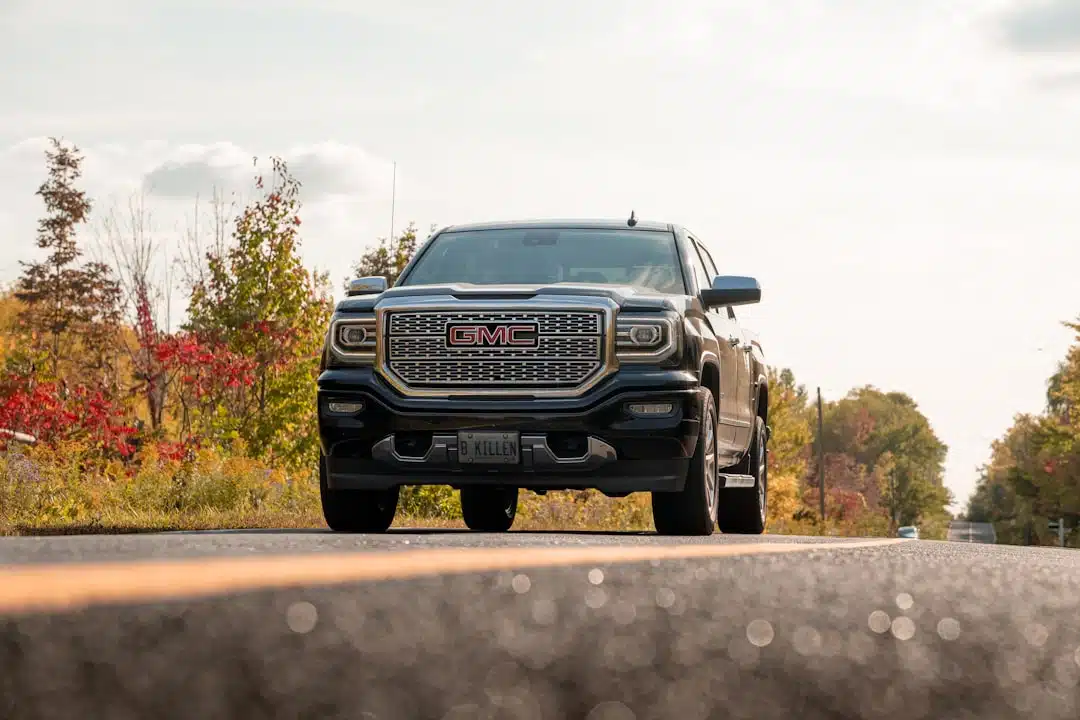
Credit: lemonlawgrouppartners.com
Repair Options
Transmission problems in the GMC Sierra 1500 can affect your truck’s performance. Fixing these issues quickly helps avoid bigger damage. Various repair options exist, each targeting specific parts of the transmission system. Choosing the right repair depends on the problem’s cause and severity.
Fluid Replacement And Flush
Old or dirty transmission fluid can cause shifting issues. Replacing the fluid restores smooth gear changes. A flush removes all old fluid and cleans the system. This process helps remove sludge and debris. Regular fluid changes prevent future transmission problems.
Solenoid Repair Or Replacement
The transmission solenoid controls fluid flow inside the transmission. A faulty solenoid can cause erratic shifting or failure to shift. Repairing or replacing the solenoid solves these issues. A mechanic tests the solenoid for proper function. Fixing it improves transmission responsiveness.
Clutch Plate Replacement
Worn clutch plates cause slipping and poor gear engagement. Replacing damaged clutch plates restores power transfer to the wheels. This repair requires removing the transmission for access. New clutch plates ensure smooth and reliable shifting. It is essential for manual and some automatic transmissions.
Torque Converter Fixes
The torque converter transfers engine power to the transmission. Problems here cause shuddering or slipping. Repairing or replacing the torque converter stops these symptoms. This fix often improves fuel efficiency and driving comfort. A healthy torque converter protects the transmission from damage.
Maintenance Tips
Maintaining the GMC Sierra 1500 transmission helps avoid common problems and keeps your truck running smooth. Simple care steps extend the transmission’s life. Follow these key maintenance tips to protect your vehicle.
Regular Fluid Checks
Check the transmission fluid regularly. Clean fluid helps the transmission work well. Low or dirty fluid can cause slipping or overheating. Use the right type of fluid as the manual states. Change the fluid on schedule to keep parts lubricated.
Timely Repairs
Fix small problems quickly. Strange noises or shifting issues need attention fast. Delaying repairs can cause bigger damage. Visit a mechanic as soon as you notice trouble. Early repairs save money and prevent breakdowns.
Avoiding Heavy Loads
Heavy towing or carrying loads stresses the transmission. Avoid overloading your Sierra 1500 beyond its limits. Excess weight causes overheating and wear. Drive gently when hauling to reduce strain on the transmission.
Software Updates
Modern Sierra 1500 trucks use software to control transmission. Check for updates during regular service visits. Updates fix bugs and improve shifting. Keeping software current helps your transmission perform better.
When To Seek Professional Help
Knowing the right time to get professional help can save your GMC Sierra 1500 from serious damage. Transmission problems often start small but can quickly grow. Early action can prevent costly repairs and keep your truck running smoothly. Watch for signs that need expert attention to protect your vehicle’s performance and safety.
Persistent Shifting Problems
If your truck struggles to shift gears or slips between them, this is a warning sign. Rough or delayed shifting does not improve on its own. Persistent issues like these suggest internal transmission wear or fluid problems. A professional mechanic can diagnose and fix the root cause before it worsens.
Warning Light Alerts
The transmission warning light on your dashboard signals trouble. Ignoring this light can lead to severe damage. It may indicate low fluid, sensor failure, or mechanical problems. A trained technician has the tools to read error codes and perform the right repairs.
Unusual Noises
Grinding, whining, or clunking sounds during gear changes point to transmission issues. Normal driving should be quiet and smooth. Strange noises mean parts inside the transmission might be damaged or worn. Visit a professional mechanic to inspect and address these sounds immediately.
Complete Transmission Failure
A total transmission failure leaves your truck unable to move. This problem often happens without much warning but can follow ignored symptoms. If your Sierra 1500 won’t shift or move, professional help is urgent. Prompt repairs or replacement can restore your vehicle’s function and safety.
Final Words
GMC Sierra 1500 transmission problems can affect your truck’s performance. Knowing common issues helps you spot trouble early. Regular checks and maintenance keep your transmission running smoothly. Fix small problems before they become big repairs. Trust your senses—strange noises or shifting delays need attention.
A healthy transmission means a safer, more reliable drive. Stay informed and take care of your vehicle. Simple steps protect your investment and save money later. Keep your Sierra 1500 strong for many miles ahead.
FAQs About GMC Sierra 1500 Transmission Problems Explained
What Are Common GMC Sierra 1500 Transmission Problems?
Common issues include hard shifting, slipping gears, delayed engagement, and transmission fluid leaks. These problems often arise from worn components or lack of maintenance.
How To Identify Transmission Slipping In GMC Sierra 1500?
Slipping feels like sudden RPM increase without acceleration. You may notice delayed gear engagement or strange noises during shifts.
Can Transmission Problems Affect GMC Sierra 1500 Towing?
Yes, transmission issues can reduce towing capacity and cause overheating. This leads to poor performance and potential transmission failure.
How Often Should GMC Sierra 1500 Transmission Fluid Be Changed?
It’s recommended to change transmission fluid every 30,000 to 60,000 miles. Regular changes prevent overheating and extend transmission life.
Disclosure: As an Amazon Associate, I may earn from qualifying purchases at no extra cost to you. Amazon and the Amazon logo are trademarks of Amazon.com, Inc, or its affiliates.
- Amazon, Amazon Prime, the Amazon logo and Amazon Prime logo are trademarks of Amazon. com, Inc. or its affiliates.

I am Sadman, the founder of CarSensorHub.com, where I share my passion for cars and technology. I specialize in writing detailed reviews and helpful guides on car gadgets, accessories, safety tools and many more. My mission is to help car owners discover the best products and tips to improve their driving experience and stay safe on the road.