Flushing the coolant in your GMC Sierra 1500 is a smart way to keep your engine healthy and running cool. Over time, coolant breaks down and loses its ability to protect your engine from overheating, freezing, and corrosion. If you’ve never done a coolant flush yourself, it may sound difficult or even risky. The truth is, with the right steps and a bit of patience, most Sierra owners can handle this task at home.
This guide will walk you through the entire process, explain the tools you need, common mistakes to avoid, and how to keep your truck’s cooling system in top shape.
Why Flush Your Coolant?
The coolant flush isn’t just about changing the fluid color. Old coolant can turn acidic and damage the radiator, water pump, and even your engine. Fresh coolant maintains the right temperature and prevents rust and scale from building up inside the system. For the GMC Sierra 1500, most experts recommend flushing the coolant every 5 years or 100,000 miles, but check your owner’s manual for your specific year.
Neglecting this service could lead to expensive repairs. For example, a clogged radiator or failed head gasket can cost thousands to fix. A coolant flush is cheap insurance to avoid these problems.
Tools And Materials You’ll Need
Doing a coolant flush at home is easier with the right tools. Here’s what you’ll need:
- New coolant (refer to your owner’s manual for type and amount; usually Dex-Cool for Sierras)
- Distilled water (tap water leaves minerals behind)
- Large drain pan (at least 2 gallons capacity)
- Funnel
- Rags and gloves
- Pliers or screwdriver (for hose clamps)
- Socket set (for drain plug or shield removal)
- Jack and jack stands (if needed for access)
- Safety glasses
It’s also a good idea to have a coolant tester to check your mixture when done.
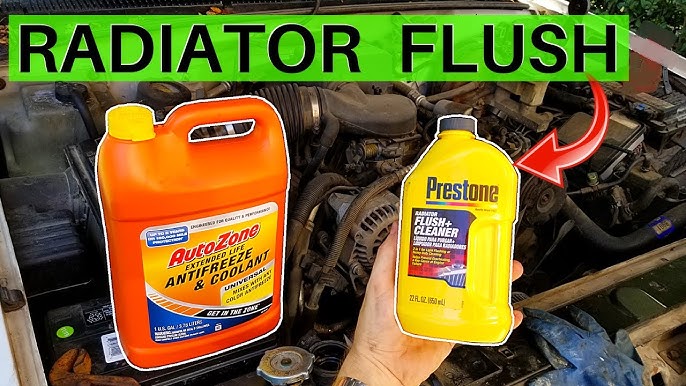
Credit: www.youtube.com
Step-by-step Coolant Flush Procedure
Let’s break down the process so you can follow along confidently.
1. Preparation And Safety
Make sure your Sierra is parked on a level surface and the engine is completely cool. Never open the radiator cap when the engine is hot—hot coolant can spray out and cause burns.
Open the hood and locate the radiator cap and coolant reservoir. Place your drain pan under the radiator’s drain plug or petcock. If your Sierra has a lower engine shield, you may need to remove it.
2. Draining The Old Coolant
Carefully loosen the radiator cap to release pressure, then remove it fully. Open the drain plug at the bottom of the radiator. Let all the old coolant drain into your pan. This process can take a few minutes, depending on how much fluid is left.
If your Sierra doesn’t have a drain plug, you can remove the lower radiator hose. Use pliers or a screwdriver to loosen the clamp. Have a rag handy, as coolant can spill quickly.
Don’t forget to drain the coolant reservoir as well. Some models have a separate line or plug; others need to be removed and cleaned separately.
3. Flushing With Distilled Water
Close the drain plug or reconnect the hose. Using a funnel, fill the radiator and reservoir with distilled water. Start the engine and let it run for about 10-15 minutes with the heater on high. This circulates water throughout the system and helps remove old coolant and debris.
Turn off the engine and let it cool completely. Drain the water from the radiator and reservoir as before. Repeat this process until the water comes out clear—usually 1-2 times.
4. Adding New Coolant
Once you’re satisfied the system is clean, close the drain plug. Mix your new coolant and distilled water to the correct ratio—usually 50/50 for most climates. Pour the mixture slowly into the radiator until full, then fill the reservoir to the “Max” line.
Some Sierra models may have a bleeder valve to help remove air from the system. If so, open it slightly while filling until coolant flows out without bubbles.
5. Bleeding The System
Start the engine with the radiator cap off. Let it idle until the thermostat opens (upper radiator hose gets hot). Watch the coolant level and add more as needed. Squeeze the upper hose gently to help push out air pockets.
Once the level stays steady, replace the radiator cap.
Check for leaks around the drain plug, hoses, and reservoir. Clean up any spills right away—coolant is toxic to pets and wildlife.
How Much Coolant Does A Gmc Sierra 1500 Need?
The amount varies by engine and model year, but most Sierra 1500s hold between 14-16 quarts of coolant. Always check your owner’s manual for the exact amount.
Here’s a quick comparison for common Sierra engines:
| Engine | Coolant Capacity (quarts) | Coolant Type |
|---|---|---|
| 4.3L V6 | 14.8 | Dex-Cool |
| 5.3L V8 | 15.2 | Dex-Cool |
| 6.2L V8 | 16.0 | Dex-Cool |
Never mix different coolant types unless they are compatible.
Common Mistakes To Avoid
Many first-timers make simple errors that can lead to engine problems or future leaks. Watch out for these mistakes:
- Flushing with tap water – Tap water leaves minerals that can clog the system.
- Not bleeding air – Air pockets in the cooling system cause overheating.
- Mixing coolant types – Mixing different coolants can turn the fluid into sludge.
- Leaving old coolant in the reservoir – Always flush or clean the tank.
- Over- or underfilling – Too much or too little coolant can damage your engine.
A non-obvious tip: If your truck has been overheating, check the radiator cap. A weak or old cap can’t hold pressure, which leads to loss of coolant and poor cooling.
Signs You Need A Coolant Flush
Sometimes you need a flush sooner than your maintenance schedule says. Watch for these warning signs:
- Coolant looks rusty, brown, or milky
- Frequent overheating
- Low coolant level without leaks
- Heater not blowing hot air
- Visible debris in coolant tank
If you notice any of these, flush the system right away. Ignoring them can cause expensive damage.
How To Dispose Of Old Coolant
Never pour old coolant down the drain or on the ground—it’s toxic and illegal in many areas. Pour the used coolant into a sealable container. Most auto parts stores and recycling centers will accept it for safe disposal. For more, check the EPA’s guidelines at EPA Used Antifreeze Recycling.
Comparing Diy Vs. Professional Coolant Flush
Should you do it yourself or pay a shop? Here’s a side-by-side look:
| DIY Flush | Professional Flush |
|---|---|
| Costs $30-$60 | Costs $120-$200 |
| 1-2 hours of work | Done in 1 hour |
| Full control over process | Mechanic handles everything |
| Learn about your truck | No hands-on experience |
If you’re comfortable with basic tools and following instructions, a DIY coolant flush can save money. However, if you’re not confident, a professional service is a safe bet.
Maintenance Tips After Flushing
Keeping your cooling system healthy doesn’t stop with a flush. Check your coolant level every month and look for leaks under your truck. Inspect hoses for cracks, swelling, or soft spots—replace them if needed.
It’s also smart to test your coolant mixture before winter and summer. Coolant testers are cheap and available at any auto parts store.
A small but important detail: always tighten the radiator cap and drain plug securely, but don’t overtighten. A stripped plug or cap can cause leaks.
Troubleshooting After A Coolant Flush
If you notice problems like engine overheating or low coolant warnings after a flush, don’t panic. Here’s what to check:
- Did you bleed all air out of the system?
- Are the radiator cap and drain plug tight?
- Are there leaks under the truck?
- Is the coolant level correct?
Sometimes, after a flush, the coolant level may drop a bit as trapped air escapes. Top off the radiator and reservoir as needed after your first drive.
When To Seek Professional Help
Not every problem can be fixed at home. If you see coolant leaking from the water pump, heater core, or inside the cabin, it’s time for a mechanic. Sweet-smelling steam from the exhaust or milky oil on the dipstick are signs of a possible head gasket failure.
Also, if your Sierra keeps overheating after a flush and refill, don’t keep driving—it can destroy your engine.
Frequently Asked Questions GMC Sierra 1500 Coolant Flush DIY
How Often Should I Flush The Coolant In My Sierra 1500?
Most Sierra owners should flush the coolant every 5 years or 100,000 miles. If you drive in extreme conditions or tow heavy loads, consider flushing more often.
Can I Use Regular Tap Water For Flushing?
No. Always use distilled water. Tap water contains minerals that can clog and corrode your cooling system.
What Type Of Coolant Should I Use?
Most GMC Sierra 1500 models use Dex-Cool (orange or red color). Always check your owner’s manual or the sticker under the hood for the correct type.
Is It Normal To Add Coolant After A Flush?
Yes, sometimes the coolant level drops after driving as air escapes from the system. Check and top off as needed for the first few days.
What If My Heater Doesn’t Work After A Flush?
This usually means there’s air trapped in the heater core. Run the engine with the heater on high and keep topping up the radiator until heat returns.
Flushing the coolant in your GMC Sierra 1500 is one of the best DIY maintenance tasks for extending your truck’s life and avoiding costly repairs. With patience and careful steps, you’ll keep your Sierra running cool for years to come.
Disclosure: As an Amazon Associate, I may earn from qualifying purchases at no extra cost to you. Amazon and the Amazon logo are trademarks of Amazon.com, Inc, or its affiliates.
- Amazon, Amazon Prime, the Amazon logo and Amazon Prime logo are trademarks of Amazon. com, Inc. or its affiliates.

I am Sadman, the founder of CarSensorHub.com, where I share my passion for cars and technology. I specialize in writing detailed reviews and helpful guides on car gadgets, accessories, safety tools and many more. My mission is to help car owners discover the best products and tips to improve their driving experience and stay safe on the road.