Fall is here, and your car needs special care to get ready for the season ahead. Leaves, dirt, and changing weather can take a toll on your vehicle if you don’t act now.
This complete fall car cleaning checklist is designed just for you, making sure your car stays clean, safe, and ready for every drive. Follow these simple steps, and you’ll protect your investment while enjoying a smooth ride all season long.
Keep reading to discover easy tips that will save you time, money, and stress. Your car will thank you!
Exterior Wash And Care
Fall brings cooler weather and falling leaves. This season can leave your car covered in dirt and grime. Cleaning the exterior is key to keeping your car looking good and protected.
Regular washing removes harmful dirt and prevents damage. It also prepares your car for winter road conditions. Follow these steps to keep your car’s exterior in top shape this fall.
Remove Dirt And Debris
Start by rinsing your car with water to wash away loose dirt. Use a gentle car soap and a soft sponge or mitt. Clean all areas, including the roof and under the wheel arches. Pay attention to bird droppings and tree sap. These can harm your paint if left too long. Rinse thoroughly to remove all soap residue.
Check For Paint Damage
After washing, look closely at the paint surface. Watch for scratches, chips, or fading spots. Fall debris and road salt can worsen these issues. Small chips can turn into rust if untreated. Fix minor paint damage with touch-up paint. This step helps keep your car’s body strong and looking fresh.
Apply Wax For Protection
Wax adds a protective layer to your car’s paint. It shields against rain, dirt, and salt. Apply wax using a clean, soft cloth or applicator. Work in small sections and follow the product instructions. Buff the surface to a shine after the wax dries. Waxing keeps your car shiny and easier to clean.
Inspect And Clean Tires
Check tires for cracks, cuts, or uneven wear. Clean the tires and rims with a brush and tire cleaner. Removing brake dust and dirt prevents corrosion. Proper tire care improves safety and extends tire life. Finish by applying tire shine for a polished look.
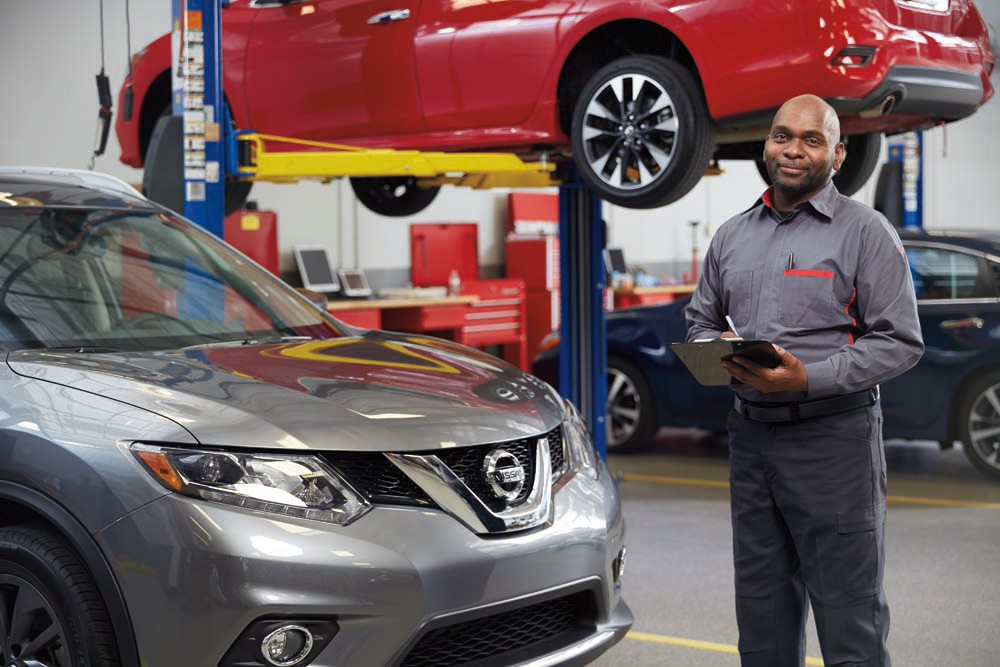
Credit: www.sansonesnissan.com
Interior Deep Cleaning
Interior deep cleaning is important for every car, especially during fall. Dirt and dust build up inside the car over time. Leaves and moisture can cause bad smells and stains. A clean interior makes driving safer and more pleasant. It also protects your car’s value for years.
Vacuum Seats And Carpets
Start by vacuuming all seats and carpets. Use a brush tool to remove dirt from fabric. Pay attention to cracks and seams. Don’t forget under the seats and floor mats. Vacuuming removes dust, crumbs, and debris that gather over time.
Clean Dashboard And Panels
Wipe down the dashboard and door panels with a soft cloth. Use a gentle cleaner made for car interiors. Avoid harsh chemicals that can damage surfaces. Clean all buttons, vents, and touchscreens carefully. This step removes dust and keeps your car looking fresh.
Treat Leather Or Fabric Seats
Leather seats need special care. Apply a leather conditioner to keep them soft and prevent cracks. For fabric seats, use a fabric cleaner to remove stains. Test any cleaner on a small spot first. Proper treatment keeps seats looking new and feeling comfortable.
Remove Trash And Clutter
Clear out all trash and loose items. Check under seats, in cup holders, and door pockets. A clutter-free car feels more spacious and comfortable. It also helps you find things quickly while driving.
Window And Mirror Maintenance
Clear windows and mirrors are vital for safe driving in fall. Dirt, dust, and rain can blur your view. Cleaning and checking them helps you see better. This keeps you and others safe on the road. Here are simple steps to maintain your car’s windows and mirrors this season.
Clean All Windows Inside And Out
Use a good glass cleaner and a soft cloth. Wipe all windows carefully, front and back. Don’t forget the inside surfaces too. This removes grime and streaks that block your view. Clean windows let more light in and improve visibility.
Check For Cracks And Chips
Look closely at every window for cracks or chips. Small damages can grow bigger in cold weather. Replace or repair any cracks to avoid costly problems. Safe windows protect you from wind, rain, and debris.
Adjust And Clean Mirrors
Check your side and rearview mirrors. Make sure they are positioned correctly. Clean them thoroughly to remove dirt and water spots. Clear mirrors help you spot cars and obstacles. Proper adjustment reduces blind spots and boosts safety.

Credit: www.balado.com
Fluid Levels And Replacements
Checking and replacing fluids in your car is crucial during fall. Fluids keep your vehicle running smoothly and protect it from cold weather damage. Proper fluid levels help your engine, brakes, and windshield stay safe and efficient. This section covers the key fluids to check and replace for fall driving.
Check Engine Oil
Engine oil lubricates your car’s moving parts. Cold weather can make oil thicker, reducing its flow. Check the oil level using the dipstick. Dark or dirty oil needs changing. Use oil that suits fall temperatures for better engine protection.
Inspect Coolant And Antifreeze
Coolant stops your engine from freezing or overheating. Antifreeze mixes with coolant to lower freezing points. Check the coolant level in the reservoir. Look for leaks or old, dirty coolant. Replace old coolant to avoid engine damage in cold weather.
Top Up Windshield Washer Fluid
Windshield washer fluid cleans dirt and grime from your glass. Fall brings more rain and road salt, making visibility poor. Use a washer fluid with antifreeze to prevent freezing. Keep the reservoir full for clear vision during fall drives.
Examine Brake Fluid
Brake fluid transfers force to your brakes. Low or dirty fluid reduces braking power. Check the brake fluid level in the master cylinder. Replace fluid if it looks dark or cloudy. Good brake fluid ensures safe stops on wet or icy roads.
Tire Inspection And Care
Tire inspection and care play a key role in safe driving during fall. Cold weather and wet roads can cause tire problems. Taking time to check tires protects you and your family. It also helps your car perform well on slippery surfaces.
Regular tire care improves fuel efficiency and extends tire life. Small steps make a big difference for your fall trips.
Check Tire Pressure
Cold air causes tire pressure to drop. Low pressure leads to poor handling and faster tire wear. Use a tire gauge to check pressure monthly. Inflate tires to the pressure shown in your car’s manual. Proper pressure keeps your ride smooth and safe.
Examine Tread Depth
Tread grips the road, especially in rain and light snow. Worn tread reduces traction and increases accident risk. Use a penny or tread depth gauge to check. Replace tires if tread is below 2/32 inch. Good tread helps prevent slipping on wet leaves and ice.
Rotate Tires If Needed
Tires wear unevenly due to weight distribution. Rotating tires evens out the wear and extends their life. Follow your car’s rotation schedule, usually every 5,000 to 7,000 miles. Rotation keeps your tires balanced and improves handling.
Consider Winter Tires
Winter tires perform better in cold, snow, and ice. Their special rubber stays soft in low temperatures. They have deeper tread and unique patterns for better grip. Think about winter tires if you live in snowy areas. They increase safety and control on icy roads.
Battery And Electrical System
The battery and electrical system play a key role in your car’s performance during fall. Cold weather and shorter days can strain the battery. Proper care prevents breakdowns and keeps your vehicle safe. Checking this system is a vital part of your fall car cleaning routine.
Test Battery Health
Start by testing the battery’s health. Use a multimeter or visit a local shop for a quick check. A strong battery shows around 12.6 volts when the engine is off. Anything below 12.4 volts means the battery may need attention. Testing helps avoid unexpected car failure in cold weather.
Clean Battery Terminals
Dirty or corroded terminals reduce battery power. Remove any buildup with a wire brush or baking soda solution. Make sure terminals are dry before reconnecting. Clean terminals improve the connection and help the battery work better. Regular cleaning extends battery life and boosts reliability.
Inspect Lights And Signals
Check all lights and signals for proper function. Headlights, brake lights, and turn signals must work well for safe driving. Replace any burnt-out bulbs quickly. Clear, bright lights improve visibility on foggy or rainy fall days. Proper lighting helps prevent accidents and keeps you visible.
Heating And Defrost Systems
Heating and defrost systems are vital for safe driving during fall. Cooler temperatures demand a working heater to keep you warm. Clear windows are important to see well in changing weather. Proper maintenance ensures both systems work efficiently. Check them regularly to avoid problems on cold mornings.
Test Heater Performance
Start the engine and turn on the heater. Feel if warm air blows from the vents. Weak heat means possible issues with the thermostat or coolant. A strong heater keeps you comfortable on chilly days. Test this before cold weather sets in.
Check Defrost Function
Turn on the defrost setting and watch the windshield. It should clear fog or frost quickly. Slow or no defrost may block your view. Check vents for airflow and clean any dirt. A working defrost system improves safety on frosty mornings.
Replace Cabin Air Filter
The cabin air filter cleans the air inside your car. Dust and leaves clog the filter in fall. A dirty filter reduces heater and defrost efficiency. Replace it every 12,000 miles or once a year. Fresh air helps the system work better and keeps you healthy.

Credit: en.wikipedia.org
Emergency Kit Preparation
Preparing an emergency kit is vital for safe fall driving. Cold weather, wet roads, and early darkness increase risks. A well-stocked kit helps in unexpected situations. It keeps you safe and ready for any trouble on the road. Focus on items that protect you from cold and help fix small problems quickly.
Stock Warm Blankets And Clothing
Keep warm blankets in your car during fall. Thick blankets protect from cold if your car breaks down. Pack extra gloves, hats, and socks. Layered clothing helps keep body heat. These items stop hypothermia and make waiting for help easier.
Include Flashlight And Batteries
Darkness comes early in fall. A flashlight helps see in the dark. Carry extra batteries to avoid being left without light. Choose a flashlight that is bright and easy to use. This tool is essential for fixing car issues at night or signaling for help.
Add First Aid Supplies
Minor injuries can happen anytime. A first aid kit treats cuts, scrapes, and bruises. Include bandages, antiseptic wipes, and pain relievers. Check supplies regularly to ensure they are not expired. This kit supports you until professional help arrives.
Carry Jumper Cables And Tools
Cold weather can drain car batteries fast. Jumper cables help restart a dead battery quickly. Basic tools like screwdrivers and pliers fix small car problems. Keep these items within reach. They save time and avoid waiting for roadside assistance.
Frequently Asked Questions
What Is The Best Time For Fall Car Cleaning In The Usa?
The best time for fall car cleaning is early autumn. This helps remove summer dirt and prepares your car for winter. Cleaning early prevents damage from fallen leaves, dirt, and salt buildup. It ensures your vehicle stays in top condition through colder months.
How Often Should I Clean My Car During Fall?
You should clean your car at least once a month in fall. Frequent cleaning removes dirt, leaves, and road salt. This prevents rust and paint damage. Regular maintenance keeps your car looking good and protects it from harsh fall weather.
What Are Essential Items For A Fall Car Cleaning Checklist?
Essential items include a car vacuum, microfiber cloths, car wash soap, wheel cleaner, and glass cleaner. Also, use an all-weather floor mat and tire protectant. These items ensure thorough cleaning and protect your car from fall elements.
Why Is Fall Car Cleaning Important For Usa Drivers?
Fall cleaning prevents salt and grime buildup from wet roads. It protects your car’s paint, tires, and undercarriage. Cleaning improves visibility by clearing windows and mirrors. It also prepares your car for safe winter driving conditions.
Conclusion
A clean car drives safer and lasts longer. Follow this fall checklist step by step. Clean leaves, dirt, and salt to prevent damage. Check tires and fluids for cold weather. Take time to wash and vacuum regularly. A little effort now saves big repairs later.
Keep your car ready for all fall trips. Stay safe and enjoy the crisp autumn rides. Regular care makes your car look and run great. Simple habits protect your vehicle through the season. Drive smart, clean well, and enjoy fall driving.
Disclosure: As an Amazon Associate, I may earn from qualifying purchases at no extra cost to you. Amazon and the Amazon logo are trademarks of Amazon.com, Inc, or its affiliates.
- Amazon, Amazon Prime, the Amazon logo and Amazon Prime logo are trademarks of Amazon. com, Inc. or its affiliates.

I am Sadman, the founder of CarSensorHub.com, where I share my passion for cars and technology. I specialize in writing detailed reviews and helpful guides on car gadgets, accessories, safety tools and many more. My mission is to help car owners discover the best products and tips to improve their driving experience and stay safe on the road.


