If you own a Chevrolet Suburban and rely on it for towing heavy loads, you might have noticed an overheating problem that can quickly turn into a serious headache. You need your vehicle to perform smoothly and safely, especially when pulling trailers or heavy equipment.
Overheating not only risks damage to your engine but also puts your safety on the line. You’ll discover why your Suburban may be overheating while towing, what signs to watch for, and practical steps you can take to fix the issue before it becomes costly.
Keep reading to protect your investment and ensure your towing trips stay trouble-free.
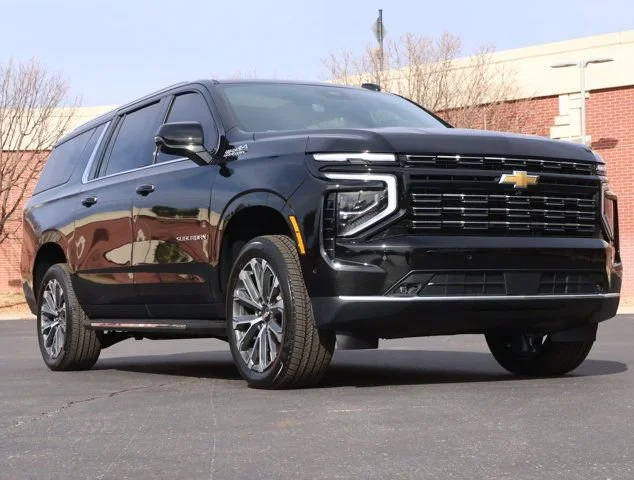
Credit: www.landers.com
Causes Of Towing Overheating
Towing heavy loads with a Chevrolet Suburban can cause the vehicle to overheat. Understanding the causes helps prevent damage and keeps the truck safe. Overheating happens due to several key factors. These factors put extra pressure on the engine and other systems. Knowing them helps you spot problems early.
Engine Strain From Heavy Loads
Heavy towing makes the engine work harder. This extra work raises the engine temperature quickly. The engine burns more fuel and produces more heat. Long climbs or stop-and-go traffic add to the strain. The engine may overheat if it cannot cool down fast enough.
Cooling System Limitations
The cooling system must remove heat from the engine. A smaller or weak cooling system struggles with heavy towing. Radiators and fans may not keep up with the heat. Coolant flow might slow down under heavy load. This causes the engine temperature to rise too much.
Transmission Heat Build-up
Towing puts stress on the transmission too. It works harder to move the heavy load. This creates extra heat inside the transmission. If the transmission cooler is not efficient, heat builds up. High transmission temperatures can lead to failure and overheating.
Insufficient Airflow
Good airflow through the radiator helps cool the engine. Large loads or added trailers can block airflow. Dust or debris in the grille also reduces airflow. Without enough air, the cooling system cannot work well. This causes the engine to overheat during towing.
Low Or Contaminated Fluids
Fluids like coolant and transmission fluid absorb and carry heat away. Low fluid levels reduce cooling ability. Old or dirty fluids lose their effectiveness. Contaminants can clog the cooling passages. This makes it harder to control temperature while towing.

Credit: www.hellerchevroletgmc.com
Signs Of Overheating While Towing
Towing with a Chevrolet Suburban can put extra stress on the engine. Overheating is a common issue during heavy towing. Knowing the signs helps prevent serious damage. Watch for clear signals your vehicle is too hot.
These signs can appear suddenly or slowly over time. Acting fast can save you costly repairs. Pay close attention to what your vehicle shows while towing.
Warning Lights And Gauges
The dashboard often shows the first warning of overheating. The temperature gauge may rise above normal limits. A red or blinking engine light might come on. These signals mean the engine is too hot.
Do not ignore these warnings. They are designed to alert you early. Check the gauges frequently during towing trips.
Unusual Smells And Smoke
Burning smells are a clear sign of trouble. Overheated engines often emit a strong, hot odor. You might notice smoke coming from under the hood. This smoke can be white or gray.
Stop towing and inspect the vehicle immediately. These smells and smoke indicate high engine temperatures.
Loss Of Power Or Performance
The Suburban may lose power when overheating. The engine can feel sluggish or weak. Acceleration might slow down or hesitate. This performance drop shows the engine is under stress.
Driving in this condition can worsen the problem. It signals the need to cool down the engine quickly.
Steam Or Excess Heat From Engine
Steam rising from the engine is a serious warning. This steam usually comes from a coolant leak or boiling liquid. Touching the hood might reveal extreme heat. Feeling this heat means the engine is dangerously hot.
Stop and let the engine cool before continuing. Ignoring steam can cause severe engine damage.
Preventive Measures For Overheating
Overheating is a common issue for Chevrolet Suburban towing heavy loads. Preventing overheating helps protect the engine and keeps your vehicle safe. Taking simple steps can reduce the risk of engine damage and improve performance.
Proper care and attention before and during towing can make a big difference. Follow these preventive measures to avoid overheating problems.
Regular Maintenance Checks
Check the cooling system regularly. Look for leaks, worn hoses, and radiator blockages. Replace old coolant with fresh fluid. Clean the radiator to ensure airflow. Inspect the thermostat and water pump for proper function. Regular checks keep the cooling system effective.
Upgrading Cooling Components
Install a high-performance radiator or cooling fan. These parts help the engine stay cool under heavy loads. Consider an auxiliary transmission cooler. Upgraded components improve heat dissipation. Better cooling parts reduce the chance of overheating.
Using Proper Towing Equipment
Use a suitable hitch and weight distribution system. Match the trailer weight with the Suburban’s towing capacity. Avoid towing loads that exceed the vehicle’s limits. Proper equipment reduces engine strain and heat build-up. Safe towing protects the engine from damage.
Monitoring Fluid Levels
Check engine oil, coolant, and transmission fluid before trips. Low fluid levels can cause overheating. Top off fluids as needed. Use the recommended types for your Suburban. Proper fluid levels keep engine parts lubricated and cool.
Avoiding Excessive Speeds
Drive at moderate speeds while towing. High speeds increase engine temperature. Slow down on hills and rough terrain. Keeping a steady pace helps the cooling system work well. Avoiding fast driving reduces overheating risks.
Fixes For Overheating Issues
Overheating issues in a Chevrolet Suburban during towing can cause serious engine damage. Fixing these problems quickly keeps your vehicle safe and reliable. Several practical solutions help manage heat build-up and improve cooling performance. Each fix targets a specific cause of overheating to restore your Suburban’s towing strength.
Flushing And Replacing Coolant
Old coolant loses its ability to absorb heat. Flushing the cooling system removes rust and debris. Replacing with fresh coolant improves heat transfer. Use the right coolant type recommended by Chevrolet. Regular coolant changes prevent overheating during heavy towing.
Installing Auxiliary Cooling Fans
Extra cooling fans boost airflow through the radiator. They reduce engine temperature during slow driving or idling. Auxiliary fans activate when the engine gets too hot. This upgrade helps keep the engine cool under heavy towing loads.
Upgrading Radiator And Hoses
A larger radiator holds more coolant and cools better. High-quality hoses resist heat and pressure better than stock parts. Upgrading these components improves overall cooling efficiency. This reduces the chance of overheating on long trips.
Improving Transmission Cooling
Towing puts extra stress on the transmission. An upgraded transmission cooler prevents fluid from overheating. Cooler fluid keeps transmission parts lubricated and working well. This fix protects your Suburban’s transmission during heavy towing.
Checking For Leaks And Blockages
Leaks lower coolant levels and cause overheating. Blocked hoses or radiator fins reduce airflow. Inspect the cooling system for cracks, holes, or clogs. Fixing leaks and clearing blockages restores proper cooling function.
Towing Tips For Chevrolet Suburban
Towing with a Chevrolet Suburban can be challenging, especially with overheating issues. Following the right tips helps keep the engine cool. This protects your vehicle and improves safety on the road.
These tips focus on smart towing habits. They help avoid strain and prevent heat build-up during long trips.
Choosing The Right Trailer And Load
Select trailers that match your Suburban’s towing capacity. Avoid heavy trailers that push your engine too hard. Check the trailer’s weight before hooking it up. Use lighter loads to reduce stress on the engine and transmission.
Distributing Weight Properly
Spread the weight evenly across the trailer. Keep most weight over the trailer axles, not the hitch. Balanced loads prevent extra heat from uneven strain. Proper weight distribution improves vehicle control and engine efficiency.
Driving Techniques To Reduce Heat
Drive at steady, moderate speeds. Avoid rapid acceleration and hard braking. Use lower gears when climbing hills to reduce engine load. Slow driving lowers engine temperature and prevents overheating.
Scheduling Rest Breaks
Stop regularly during long trips. Let the engine cool down to avoid heat damage. Rest breaks help the cooling system reset. Plan stops every hour or 50 miles for safety.
Using Towing Mode Features
Activate the Suburban’s towing mode if available. This adjusts engine and transmission settings for heavy loads. Towing mode controls heat better and improves performance. Use this feature to keep the vehicle running smoothly.

Credit: www.youtube.com
Frequently Asked Questions
Why Does My Chevrolet Suburban Overheat When Towing?
Overheating occurs due to excessive engine load and insufficient cooling. The heavy trailer puts stress on the engine. Make sure your cooling system is well-maintained and use proper towing equipment to avoid overheating.
How Can I Prevent Towing Overheating In A Suburban?
Regularly check coolant levels, radiator condition, and fan operation. Use a high-quality coolant and maintain proper tire pressure. Avoid towing beyond your vehicle’s rated capacity to keep engine temperatures stable.
What Are Common Signs Of Towing Overheating In A Suburban?
Watch for rising temperature gauge, steam from the engine, or warning lights. Reduced engine power and unusual smells also signal overheating. Stop towing immediately if you notice these signs to prevent damage.
Does Upgrading The Cooling System Help With Towing Overheating?
Yes, upgrading to a heavy-duty radiator or adding an auxiliary transmission cooler improves heat dissipation. These upgrades help maintain optimal engine temperature during heavy towing, reducing overheating risks.
Conclusion
The Chevrolet Suburban towing overheating problem can cause serious issues. Regular checks on the cooling system help prevent damage. Keep an eye on the temperature gauge while towing heavy loads. Using the right coolant and maintaining proper fluid levels matters.
Address any leaks or worn parts as soon as possible. Taking these steps keeps your Suburban running smoothly and safely. Don’t wait for the problem to get worse. Stay proactive, and enjoy towing without worry.
Disclosure: As an Amazon Associate, I may earn from qualifying purchases at no extra cost to you. Amazon and the Amazon logo are trademarks of Amazon.com, Inc, or its affiliates.
- Amazon, Amazon Prime, the Amazon logo and Amazon Prime logo are trademarks of Amazon. com, Inc. or its affiliates.

I am Sadman, the founder of CarSensorHub.com, where I share my passion for cars and technology. I specialize in writing detailed reviews and helpful guides on car gadgets, accessories, safety tools and many more. My mission is to help car owners discover the best products and tips to improve their driving experience and stay safe on the road.