Parking sensors help drivers avoid obstacles. They make parking easier and safer.
But what happens when they stop working? Troubleshooting parking sensors can be simple if you know what to look for. Parking sensors are essential for modern vehicles. They detect objects and alert drivers to potential dangers. Yet, like all tech, they can fail.
Common issues include dirt, faulty wiring, or sensor damage. Knowing how to troubleshoot these problems saves time and money. This guide will help you understand the best ways to identify and fix parking sensor issues. You’ll learn basic steps to diagnose and solve common problems. With the right approach, you can ensure your parking sensors work perfectly. Let’s dive into the troubleshooting process and get your sensors back to optimal performance.
Introduction To Parking Sensors
Parking sensors are essential devices in modern vehicles. They help drivers park safely and accurately. These sensors detect obstacles around the vehicle. They alert the driver to avoid potential collisions. Parking sensors come in various types. They can be ultrasonic, electromagnetic, or camera-based.
Purpose And Benefits
The primary purpose of parking sensors is to aid in parking. They help drivers maneuver in tight spaces. These sensors are especially useful in crowded areas. They provide an extra layer of safety. Parking sensors reduce the risk of minor accidents. They save on repair costs and insurance premiums. They also protect pedestrians and other vehicles.
Common Issues
Parking sensors can sometimes malfunction. Dirt and debris can block the sensors. This can lead to inaccurate readings. Electrical issues can also cause problems. Faulty wiring or connections can disrupt sensor function. Sensor misalignment is another common issue. Regular maintenance can prevent many of these problems.

Credit: m.youtube.com
Initial Inspection
Troubleshooting parking sensors starts with an initial inspection. This step helps you identify any obvious issues before diving deeper. Begin by examining the sensors and their surroundings.
Visual Check
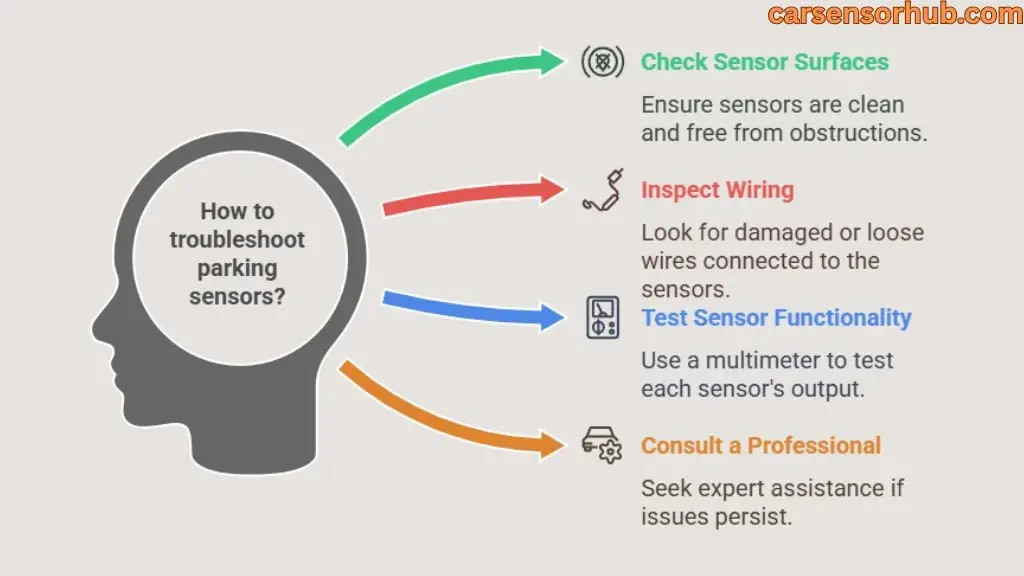
First, perform a visual check. Look closely at each sensor. Ensure they are clean and free of debris. Dirt or grime can obstruct their function. Check for any visible damage. Cracks or dents can affect performance. Confirm that each sensor is securely attached. A loose sensor might not work properly.
Listening For Sounds
Next, listen for sounds. Activate the parking sensors. Move close to each sensor and listen. Functional sensors emit a clicking noise. If a sensor remains silent, it may be faulty. Repeat this for each sensor to identify issues.
Testing Sensor Connections
Testing sensor connections is crucial for effective troubleshooting of parking sensors. Check each sensor for proper alignment and secure connections. Use a diagnostic tool to identify any faults.
When your parking sensors start acting up, it can be both frustrating and concerning. One of the most effective ways to troubleshoot these issues is by testing the sensor connections. This involves a careful examination of the wiring and connectors to ensure everything is in working order.
Inspecting Wiring
Begin by inspecting the wiring connected to your parking sensors. Look for any visible damage such as frayed wires or cracks in the insulation. Damaged wiring can disrupt the sensor’s ability to communicate with your car’s computer system.
Check if the wiring is securely fastened and not loose. Loose connections can cause intermittent sensor failures, making it harder to diagnose the problem. You might want to use a multimeter to test the continuity of the wires. This device can help you verify that the electrical current is flowing correctly through the wires.
Checking Connectors
Next, you need to check the connectors that link the sensors to the wiring harness. These connectors can sometimes become corroded or dirty, especially in wet or salty environments. Disconnect and inspect each connector for any signs of corrosion or dirt buildup. Clean them gently with electrical contact cleaner if needed.
Ensure that the connectors are tightly secured when you reattach them. A loose connector can easily cause the sensor to malfunction. Have you ever wondered if a simple cleaning could solve the issue? Many times, it does.
So, don’t skip this step. By carefully inspecting the wiring and connectors, you can often identify and resolve issues that are causing your parking sensors to fail. This hands-on approach can save you time and money, and restore your confidence in your vehicle’s safety features.

Image is taken from Reddit
Using Diagnostic Tools
Using diagnostic tools can help you troubleshoot parking sensors quickly. These tools provide accurate readings. They help identify issues effectively, saving time and effort.
OBD-II Scanner
An OBD-II scanner is essential for diagnosing parking sensor issues. Connect it to the vehicle’s OBD-II port. It reads error codes from the car’s computer system. These codes often point to specific sensor problems. You can then address these issues directly. This tool is straightforward and easy to use. It offers a clear path to resolving sensor malfunctions.
Multimeter Usage
A multimeter is another valuable tool. It measures electrical values, such as voltage and resistance. You can use it to check the parking sensors’ wiring. Set the multimeter to the correct setting. Then, place the probes on the sensor terminals. Read the values displayed. If they are outside the normal range, the sensor or wiring might be faulty. This method helps pinpoint electrical issues precisely.
Cleaning And Maintenance
Parking sensors can stop working properly for various reasons. Check for dirt or debris obstructing the sensors. Ensure all connections are secure and wires are not damaged.
Keeping your parking sensors in top condition ensures they function accurately, helping you avoid those pesky parking mishaps. Cleaning and maintaining your parking sensors might seem like a small task, but it makes a big difference in their performance. Let’s dive into the best ways to keep your sensors spotless and working efficiently.
Cleaning Sensors
Parking sensors are exposed to dirt, dust, and grime daily. Regular cleaning can prevent these elements from interfering with their performance. Use a soft cloth and mild soapy water to clean the sensors. Avoid using harsh chemicals or abrasive materials that could scratch or damage them. Gently wipe the sensors to remove any debris. If the dirt is stubborn, consider using a soft-bristle toothbrush for a more thorough clean.
Maintaining Sensor Performance
Beyond cleaning, maintaining your parking sensors ensures they stay in top shape. Regularly check the sensors for any signs of wear or damage. If a sensor seems unresponsive, inspect it for loose connections or wiring issues. Ensuring the sensors are securely attached can prevent false readings and improve reliability. Consider scheduling a routine check-up with your vehicle’s service provider. They can offer professional insights and maintenance tips specific to your car model.
Have you ever noticed a drop in your sensors’ performance after a rainy day or a trip to a muddy area? It might be time for a quick clean and check-up. Keeping these simple maintenance habits can save you from potential parking headaches.
Software Updates
Troubleshooting parking sensors can be easier with the latest software updates. Updated software often resolves common sensor issues quickly. Ensure your system is running the newest version for optimal performance.
Parking sensors are essential for safe driving and smooth parking. However, they can sometimes malfunction. Keeping your parking sensors updated with the latest software can solve many issues. Software updates ensure that your sensors work accurately by fixing bugs and improving performance.
Updating Firmware
Updating the firmware of your parking sensors is crucial. It keeps them running smoothly and efficiently. Start by checking if a new firmware version is available. Manufacturers often provide updates on their websites. Download the latest firmware version and follow the instructions carefully. Connect your vehicle to a computer, if needed, and ensure a stable internet connection. Firmware updates can fix bugs and enhance sensor accuracy. This simple step can save you from unnecessary trips to the mechanic.
Resetting The System
Sometimes, a simple reset can fix many issues. If your parking sensors are acting up, try resetting the system. This process can clear any temporary glitches. Locate the reset button or procedure in your vehicle’s manual. Follow the steps to reset the sensors. This can often resolve minor problems and restore normal functionality. Have you ever faced a stubborn tech issue that a reset fixed? This could be the same for your parking sensors.
It’s a quick and easy first step before considering more complicated solutions. Regular updates and resets can keep your parking sensors working perfectly. Don’t ignore software updates; they can make a significant difference. Keep your sensors up-to-date for safer and more efficient driving.
Professional Help
Expert assistance can simplify parking sensor troubleshooting. Accurate diagnoses and efficient solutions ensure sensors work flawlessly, enhancing vehicle safety and convenience.
When your parking sensors start acting up, it can be frustrating and challenging to diagnose the issue. While some problems can be fixed with a quick DIY approach, others might require professional help. Let’s delve into when you should seek expert assistance and how to choose the right technician for the job.
When To Seek Help
It’s essential to know when to call in the professionals for parking sensor issues. If you notice persistent problems like sensors not responding, giving false alarms, or working intermittently, it might be time to get help. DIY troubleshooting is great for minor issues.
As Well, if you’ve tried basic fixes like cleaning the sensors or resetting the system without success, professional expertise is warranted. Are your sensors part of a more complex system integrated with cameras or other safety features? This complexity is another indicator that professional help is needed to avoid further damage.
Choosing A Technician
Finding the right technician can make a huge difference in resolving parking sensor issues effectively. Look for professionals with specific experience in automotive electronics. Check reviews and ask for recommendations from friends or family. A technician with a good reputation is likely to provide reliable service.
When discussing your problem with potential technicians, ask if they have worked on similar issues before. Their confidence and knowledge in handling parking sensor problems can be a good indicator of their expertise. Have you had any experiences where you thought you could handle a repair, only to realize you needed professional help? Share your stories in the comments below.
By being proactive and knowing when to seek professional help, you can ensure your parking sensors are always in top condition, keeping your driving experience safe and stress-free.
Preventative Measures
Preventative measures can help ensure parking sensors work properly. Regular maintenance can prevent minor issues from becoming major problems. By taking a few simple steps, you can extend the life of your parking sensors.
Regular Inspections
Regular inspections help identify any potential issues early. Check the sensors for dirt, debris, or damage. Clean the sensors regularly with a soft cloth. Avoid using harsh chemicals that can harm the sensors.
Ensure the sensors are not loose or misaligned. Misalignment can affect the sensors’ performance. If you notice any issues, address them promptly. Regular inspections can save you time and money in the long run.
Protective Covers
Protective covers can safeguard your parking sensors from damage. They shield the sensors from dirt, moisture, and impacts. Choose covers that fit your sensors properly. Improperly fitted covers can cause more harm than good.
Install the covers securely. Ensure they do not obstruct the sensors’ function. Regularly check the covers for wear and tear. Replace them as needed to ensure continued protection. Protective covers can be a wise investment for maintaining your parking sensors.
Frequently Asked Questions
How Do You Diagnose A Parking Sensor Fault?
To diagnose a parking sensor fault, check for error codes using an OBD-II scanner. Inspect sensor wiring and connections for damage. Clean sensors and ensure they’re unobstructed. Listen for clicking sounds from sensors when activated. Test each sensor individually to identify the faulty one.
What Causes Car Sensors To Stop Working?
Car sensors can stop working due to dirt buildup, wiring issues, or faulty components. Regular maintenance helps prevent failures.
Can You Spray Parking Sensors?
Yes, you can spray parking sensors. Ensure the paint is thin and even to avoid interference with sensor functionality.
Can Parking Sensors Be Repaired?
Yes, parking sensors can be repaired. Common issues include faulty wiring or sensor malfunction. A professional technician can diagnose and fix the problem.
Last Thoughts
Troubleshooting parking sensors doesn’t have to be difficult. Start with basic checks. Look for visible damage. Clean the sensors gently. Test the system using simple steps. Replace faulty sensors if needed. Seek professional help if problems persist. Regular maintenance prevents issues.
Keep your parking sensors in good condition. Enjoy stress-free parking with functional sensors. Follow these tips for smooth troubleshooting.
Disclosure: As an Amazon Associate, I may earn from qualifying purchases at no extra cost to you. Amazon and the Amazon logo are trademarks of Amazon.com, Inc, or its affiliates.
- Amazon, Amazon Prime, the Amazon logo and Amazon Prime logo are trademarks of Amazon. com, Inc. or its affiliates.

I am Sadman, the founder of CarSensorHub.com, where I share my passion for cars and technology. I specialize in writing detailed reviews and helpful guides on car gadgets, accessories, safety tools and many more. My mission is to help car owners discover the best products and tips to improve their driving experience and stay safe on the road.