Is your Chevrolet Colorado struggling to speed up when you press the gas pedal? You rely on your truck for work, errands, and weekend adventures, so slow or no acceleration can be frustrating and even dangerous.
Understanding why your Chevy Colorado won’t accelerate is the first step to fixing the problem quickly and getting back on the road with confidence. You’ll discover the common reasons behind this issue and what you can do to solve it.
Keep reading to take control of your truck’s performance and avoid costly repairs down the line.
Common Signs Of Acceleration Issues
Acceleration problems in a Chevrolet Colorado can be frustrating and dangerous. Knowing the common signs helps spot issues early. These signs warn you about possible engine or fuel system problems. Acting fast can prevent bigger repairs and keep you safe on the road.
Slow Response When Pressing The Gas
Your truck should speed up quickly when you press the gas pedal. Slow response means the engine is not getting enough power. It feels like the truck is stuck or lagging behind your command. This delay can happen due to fuel or air flow problems.
Engine Hesitation And Stalling
The engine may hesitate or jerk before accelerating smoothly. Sometimes it even stalls or shuts off unexpectedly. These signs show the engine is struggling to maintain power. Hesitation can cause unsafe driving conditions on highways or busy streets.
Unusual Noises During Acceleration
Strange sounds like knocking, whining, or sputtering are bad signs. These noises often come from the engine or transmission. They can indicate worn parts or issues with fuel delivery. Pay attention to any new sounds during acceleration to catch problems early.
Fuel System Problems
Your Chevrolet Colorado may struggle to accelerate due to fuel system problems. The fuel system delivers gas to the engine. Any issue here can reduce power and cause slow acceleration.
Fuel system problems are common and can be fixed. Here are some main causes to check.
Clogged Fuel Filter
The fuel filter keeps dirt and debris out of the engine. Over time, it can get clogged. A clogged fuel filter blocks fuel flow. The engine then receives less fuel, causing poor acceleration. Replacing the fuel filter often solves this issue.
Faulty Fuel Pump
The fuel pump moves gas from the tank to the engine. A faulty pump can’t supply enough fuel pressure. This leads to weak acceleration and engine hesitation. Signs of a bad fuel pump include sputtering and stalling. Testing the pump helps find the problem.
Dirty Fuel Injectors
Fuel injectors spray fuel into the engine. Dirt or deposits can clog the injectors. Dirty injectors cause uneven fuel spray and poor combustion. This reduces engine power and slows acceleration. Cleaning the injectors restores smooth fuel flow and performance.
Ignition System Issues
The ignition system plays a key role in your Chevrolet Colorado’s ability to accelerate. It creates the spark needed to ignite the fuel in the engine. Any issue in this system can cause poor acceleration or stalling. Problems often happen in parts like spark plugs, ignition coils, and spark plug wires.
Worn Spark Plugs
Spark plugs ignite the air-fuel mixture in the engine cylinders. Over time, they wear out or get dirty. Worn spark plugs create weak sparks, causing the engine to misfire. This leads to slow acceleration and rough running. Replacing old spark plugs can restore smooth power delivery.
Bad Ignition Coils
Ignition coils boost the small spark from the battery to a high voltage. This high voltage is necessary for spark plugs to work. A bad ignition coil causes weak or no spark. The engine may hesitate or lose power during acceleration. Testing and replacing faulty coils helps fix this problem.
Malfunctioning Spark Plug Wires
Spark plug wires carry electricity from the ignition coils to the spark plugs. Damaged or worn wires can leak electricity. This reduces spark strength and causes misfires. The engine will struggle to accelerate smoothly. Checking and changing bad spark plug wires improves engine performance.

Credit: www.chasechevrolet.com
Air Intake And Exhaust Blockages
Air intake and exhaust blockages can stop your Chevrolet Colorado from accelerating well. These blockages reduce airflow and engine power. The engine needs clean air to burn fuel properly. Blocked exhaust stops gases from leaving. Both cause poor acceleration and lower fuel efficiency.
Dirty Air Filter
The air filter cleans dirt and dust from the air before it enters the engine. A dirty air filter blocks airflow. The engine gets less oxygen and struggles to run smoothly. This causes slow acceleration and rough idling. Changing the air filter regularly helps keep the engine healthy.
Clogged Catalytic Converter
The catalytic converter cleans harmful gases in the exhaust. If it clogs, exhaust gases cannot escape easily. This makes the engine work harder. The truck loses power and acceleration drops. Signs include a drop in fuel economy and engine hesitation.
Blocked Exhaust Pipe
Debris or damage can block the exhaust pipe. Blocked exhaust increases backpressure on the engine. This lowers engine performance and slows acceleration. A blocked pipe may cause strange sounds or a burning smell. Removing the blockage restores normal engine function.
Transmission And Drivetrain Faults
Transmission and drivetrain faults often cause acceleration problems in a Chevrolet Colorado. These parts control the power flow from the engine to the wheels. When they fail, the truck can lose power or respond slowly. Understanding these faults helps find the right fix fast.
Slipping Transmission
A slipping transmission means the engine’s power does not reach the wheels properly. The truck may rev higher without speeding up. This happens when the transmission bands or clutches wear out. It leads to poor acceleration and strange noises.
Low Transmission Fluid
Transmission fluid lubricates and cools the moving parts inside. Low fluid levels can cause the transmission to slip or shift roughly. It also leads to overheating and damage. Check the fluid regularly and fill it to the correct level.
Worn Clutch Components
Manual transmissions rely on the clutch to connect the engine to the drivetrain. Worn clutch plates or pressure plates cause slipping and poor power transfer. The truck may struggle to move or accelerate smoothly. Replacing worn clutch parts restores proper function.
Sensor And Electrical Failures
Sensors and electrical parts control many functions in your Chevrolet Colorado. These parts send signals to the engine to help it run smoothly. If these sensors fail, the truck may lose power or fail to accelerate properly. Understanding common sensor issues can help you find the problem fast.
Faulty Throttle Position Sensor
The throttle position sensor (TPS) tells the engine how much gas you want. A faulty TPS may send wrong signals. This causes poor acceleration or hesitation. The engine might not get the right amount of fuel. Replacing the TPS often fixes the problem.
Malfunctioning Mass Air Flow Sensor
The mass air flow sensor (MAF) measures the air entering the engine. A broken MAF can cause the engine to run too rich or too lean. This leads to slow acceleration and rough running. Cleaning or replacing the MAF sensor can restore normal power.
Issues With Engine Control Unit
The engine control unit (ECU) acts like the truck’s brain. It controls fuel, air, and ignition timing. Faults in the ECU can confuse the engine. This causes hesitation, stalling, or no acceleration. A mechanic can test and repair ECU problems to get your truck moving again.
Impact Of Software And Updates
Software plays a big role in how your Chevrolet Colorado runs. The engine control unit (ECU) uses software to manage many parts of the engine. This software controls fuel delivery, ignition timing, and throttle response. If the software is old or has errors, it can cause poor acceleration. Updates fix bugs and improve engine performance.
Modern vehicles rely on regular software updates to keep the engine working well. Without these updates, the truck might lag or hesitate when you press the gas pedal. Software problems might feel like mechanical issues but need a different fix. Understanding the software’s impact helps you spot the cause of acceleration trouble.
Outdated Engine Software
Old engine software can cause acceleration problems. Car makers release updates to improve fuel efficiency and power. If your Colorado’s software is outdated, it may not control engine parts properly. This can lead to slow acceleration or uneven power delivery. Check if your vehicle needs software updates during service visits.
Need For Ecu Reflash Or Reset
Sometimes, the ECU needs a reflash or reset. This process reloads the engine software with the latest version. A reset clears error codes and refreshes system settings. It can solve issues caused by software glitches. Mechanics use special tools to perform this task. A proper ECU update can restore smooth acceleration.
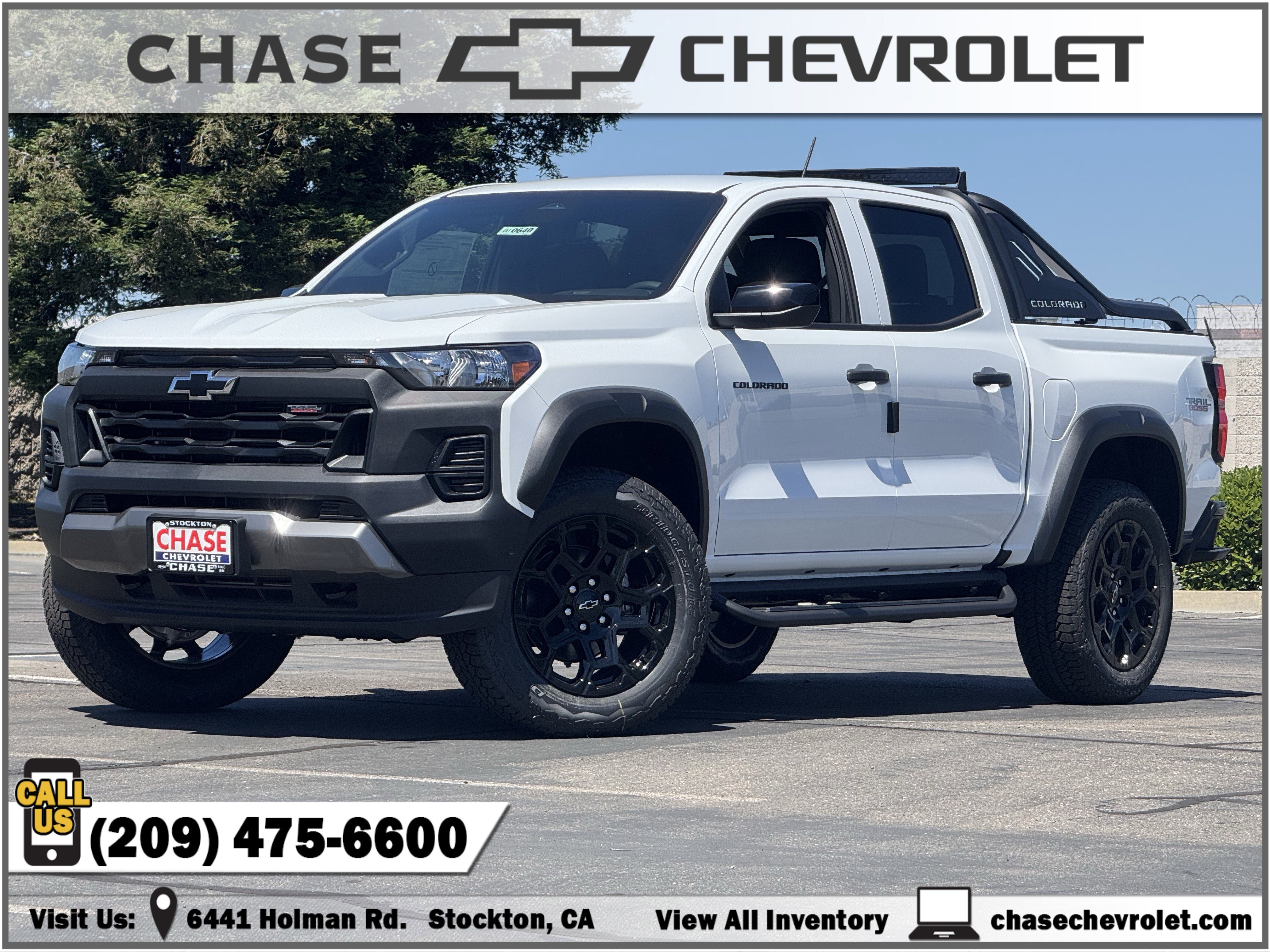
Credit: www.chasechevrolet.com
Maintenance Tips To Prevent Acceleration Problems
Keeping your Chevrolet Colorado running smoothly means regular maintenance. Simple checks can stop acceleration problems before they start. Small steps help your truck perform better and last longer.
Focus on key areas like the fuel system, spark plugs, and air filter. These parts play a big role in how your truck accelerates. Taking care of them saves time and money on repairs.
Regular Fuel System Cleaning
Dirt and deposits build up in the fuel system over time. This can block fuel flow and reduce power. Cleaning the fuel injectors and fuel lines helps maintain smooth acceleration. Use quality fuel and fuel system cleaner regularly for best results.
Timely Spark Plug Replacement
Spark plugs ignite the fuel in the engine. Worn or dirty plugs cause misfires and slow acceleration. Check and replace spark plugs according to your truck’s schedule. Fresh plugs improve engine power and fuel efficiency.
Routine Air Filter Checks
The air filter keeps dust and dirt out of the engine. A clogged filter limits air flow and reduces engine performance. Inspect the air filter often and replace it if dirty. Clean air helps your engine breathe and accelerate better.
When To Seek Professional Help
Knowing when to seek professional help for your Chevrolet Colorado’s acceleration problem is important. Some issues may seem small but need expert care to avoid bigger damage. Trusting a skilled mechanic can save time and money in the long run.
Signs like strange noises, warning lights, or complete loss of power mean it is time to visit a professional. DIY fixes might not always work and can sometimes worsen the problem. A certified technician has the right tools and knowledge to find the root cause quickly.
Diagnostic Testing Options
Professionals use special tools to diagnose acceleration problems accurately. They connect a scanner to your vehicle’s computer system. This reveals error codes related to engine or transmission issues. They also check fuel pressure, sensors, and electrical connections. These tests help pinpoint the exact cause of poor acceleration.
Visual inspections are part of the process too. Mechanics look for worn parts, leaks, or damaged wires. They may test the throttle body and air intake system as well. These thorough checks ensure no problem goes unnoticed.
Repair Vs. Replacement Decisions
After diagnosis, the mechanic decides if repair or replacement is needed. Small issues like dirty sensors can be fixed quickly. Larger problems like a faulty transmission might require part replacement. Cost and vehicle age influence this decision.
The mechanic will explain the best option clearly. Sometimes repairing saves money. Other times replacing parts extends vehicle life. Choosing the right path keeps your Chevrolet Colorado running smoothly and safely.

Credit: www.capitalone.com
Frequently Asked Questions
Why Won’t My Chevrolet Colorado Accelerate Properly?
Your Chevrolet Colorado may fail to accelerate due to fuel system issues, clogged air filters, or a faulty throttle body. Engine problems like spark plug failure or sensor malfunctions also affect acceleration. Regular maintenance can help prevent these issues and keep your truck running smoothly.
Can A Bad Transmission Cause Acceleration Problems?
Yes, a faulty transmission can cause acceleration issues. If the transmission slips or doesn’t shift properly, power won’t transfer effectively to the wheels. This results in slow or no acceleration. Have your transmission inspected if you notice delayed or weak acceleration.
How Does A Dirty Air Filter Affect Acceleration?
A dirty air filter restricts airflow to the engine, reducing power output. This leads to sluggish acceleration and decreased fuel efficiency. Replacing or cleaning the air filter regularly ensures optimal engine performance and smoother acceleration in your Chevrolet Colorado.
Could A Failing Fuel Pump Stop Acceleration?
Yes, a failing fuel pump can prevent proper acceleration. It may not supply enough fuel to the engine, causing hesitation or stalling. If you notice weak acceleration and engine sputtering, have the fuel pump checked immediately to avoid further damage.
Conclusion
A Chevrolet Colorado that won’t accelerate needs quick attention. Common issues like fuel, air, or sensor problems often cause this. Fixing these can restore your truck’s power and drive. Regular maintenance helps avoid acceleration troubles. Don’t ignore slow or weak acceleration signs.
Stay safe by addressing car problems early. Your truck deserves smooth, strong performance every time you drive.
Disclosure: As an Amazon Associate, I may earn from qualifying purchases at no extra cost to you. Amazon and the Amazon logo are trademarks of Amazon.com, Inc, or its affiliates.
- Amazon, Amazon Prime, the Amazon logo and Amazon Prime logo are trademarks of Amazon. com, Inc. or its affiliates.

I am Sadman, the founder of CarSensorHub.com, where I share my passion for cars and technology. I specialize in writing detailed reviews and helpful guides on car gadgets, accessories, safety tools and many more. My mission is to help car owners discover the best products and tips to improve their driving experience and stay safe on the road.