Is your Chevrolet Suburban refusing to start when you need it most? You’re not alone, and it can be incredibly frustrating.
Whether it’s a sudden no-start or a recurring issue, understanding why your Suburban won’t start is the first step to fixing it fast. You’ll discover the common reasons behind the problem and simple steps you can take to get your vehicle running again.
Don’t let a dead engine ruin your day—keep reading and take control of the situation now.
Common Causes Of Starting Issues
The Chevrolet Suburban may fail to start due to several common issues. Understanding these causes helps in quick troubleshooting. Most problems come from parts that wear out or fail over time.
Knowing the main reasons can save time and money when fixing your vehicle. Here are the key areas to check if your Suburban won’t start.
Battery Problems
The battery is the first thing to check. A dead or weak battery cannot power the starter motor. Corroded or loose battery terminals also stop electricity flow. Batteries wear out after a few years and need replacement.
Starter Motor Failures
The starter motor turns the engine over. If it fails, the engine won’t crank. Worn brushes or a bad solenoid cause starter failure. Sometimes, the starter gear may get stuck or damaged.
Ignition Switch Issues
The ignition switch sends power to the starter. A faulty switch can stop this signal. Over time, the switch contacts may wear out or break. This causes no response when turning the key.
Fuel System Troubles
Fuel problems stop the engine from starting. A clogged fuel filter blocks fuel flow. A bad fuel pump fails to supply fuel to the engine. Running out of gas is a simple but common cause.
Security System Glitches
The Suburban’s security system can prevent starting. If the system does not recognize the key, it blocks the engine. Faulty sensors or a dead key fob battery may cause this issue. Resetting or reprogramming might be needed.

Credit: www.caranddriver.com
Quick Fixes To Try First
When your Chevrolet Suburban won’t start, quick checks can save time and money. Start by ruling out simple issues. These easy fixes often solve the problem fast. No special tools needed. Just a little patience and attention.
Follow these steps carefully. They help find the problem and get your SUV running again.
Checking And Jump-starting The Battery
First, check the battery for power. Look for corrosion on terminals or loose cables. Clean any dirt or rust with a wire brush. Tighten the connections firmly. If the battery is dead, try jump-starting it with jumper cables. Connect to a working vehicle’s battery. Wait a few minutes, then try to start the Suburban. If it starts, the battery was the issue. Charge or replace it soon to avoid more problems.
Inspecting Fuses And Relays
Next, check the fuses and relays. Find the fuse box under the hood or inside the cabin. Use the owner’s manual to locate the starter and ignition fuses. Remove and inspect each fuse. Replace any blown fuses with the same type. Test the starter relay by swapping it with another relay of the same kind. This step can fix electrical issues quickly without extra cost.
Testing The Starter
Listen for a clicking sound when turning the key. No sound means the starter might be bad. Test the starter by tapping it lightly with a hammer. Sometimes this frees stuck parts. If the vehicle still won’t start, the starter may need replacement. Testing the starter can pinpoint a common cause of no-start problems.
Resetting The Security System
The security system can block the engine from starting. Try resetting it by locking and unlocking the doors with the key fob. Wait a few minutes before trying to start again. Sometimes removing the key and waiting resets the system too. This quick step often fixes security-related start issues.
Diagnostic Steps For Deeper Problems
Diagnosing deeper problems with a Chevrolet Suburban that won’t start requires careful checks. Basic fixes might not reveal the true issue. This section guides you through key diagnostic steps to find hidden faults.
These steps focus on parts that often cause no-start conditions. Testing these will narrow down the root cause effectively.
Using A Code Reader
A code reader helps identify error codes from the vehicle’s computer. Plug it into the OBD-II port under the dashboard. Read the trouble codes displayed. These codes point to specific problems with sensors or systems.
Clear the codes after reading. Try starting the Suburban again. If codes return, note them for further diagnosis or repair.
Fuel Pump And Filter Checks
The fuel pump sends fuel to the engine. A weak or failed pump stops the engine from starting. Listen for a humming sound near the fuel tank when turning the key on. No sound might mean a bad pump.
Check the fuel filter for clogs. A dirty filter blocks fuel flow. Replace the filter if dirty or old. This ensures smooth fuel delivery.
Examining Spark Plugs And Wires
Spark plugs ignite the fuel-air mix inside the engine. Worn or fouled plugs cause weak or no spark. Remove the plugs and check for damage or dirt. Replace plugs that look worn out.
Inspect spark plug wires for cracks or breaks. Bad wires reduce spark strength. Swap out faulty wires to restore ignition power.
Assessing The Alternator
The alternator charges the battery and powers electrical parts. A failing alternator drains the battery quickly. Use a voltmeter to test battery voltage with the engine off and running.
Voltage below 12.6 volts means the battery is weak. Voltage under 13.5 volts with the engine on suggests alternator trouble. Replace the alternator if it cannot charge properly.

Credit: www.youtube.com
Preventive Maintenance Tips
Preventive maintenance keeps your Chevrolet Suburban reliable. It reduces the chances of the vehicle not starting. Simple checks and care can save time and money. Follow these tips to keep your SUV running smoothly.
Regular Battery Care
Check your battery every few months. Look for corrosion on the terminals. Clean the terminals with a baking soda solution if needed. Ensure the battery is tightly secured. Test the battery’s charge with a voltmeter. Replace the battery if it shows low power or is over three years old.
Scheduled Fuel System Cleaning
Fuel system dirt blocks fuel flow. This can cause starting problems. Use a fuel system cleaner every 3,000 to 5,000 miles. It removes deposits from fuel injectors and intake valves. Clean fuel filters as part of this process. A clean fuel system keeps the engine running well.
Starter And Ignition System Checks
Inspect the starter motor for signs of wear. Listen for clicking sounds when starting. Check ignition coils and spark plugs regularly. Replace worn spark plugs every 30,000 miles. Faulty ignition parts can prevent the engine from starting. Keep these components in good shape for smooth starts.
When To Seek Professional Help
Knowing when to seek professional help for your Chevrolet Suburban that won’t start is important. Some problems look simple but need expert care. Others show clear signs that only a mechanic should handle. Acting at the right time saves you money and stress.
Signs Of Major Electrical Issues
Electrical problems often cause starting failures. Flickering dashboard lights or a clicking sound when turning the key are common signs. If the battery and cables are fine but the car won’t start, the issue may be in the wiring or ignition switch. Strange smells or smoke near the fuse box mean urgent help is needed. Avoid trying to fix complex electrical faults alone.
Transmission-related Starting Problems
Your Suburban may refuse to start due to transmission issues. Problems with the neutral safety switch often cause this. If the car starts only in neutral or not at all, the transmission system may be at fault. Transmission repairs require special tools and knowledge. Getting a professional to diagnose and fix these problems prevents further damage.
Cost Considerations For Repairs
Some starting problems cost more to fix than others. Electrical and transmission repairs often involve expensive parts and labor. Getting a clear estimate from a trusted mechanic helps you plan. Delaying repairs can increase costs and lead to bigger problems. Professional help ensures the job is done right the first time, saving money over time.
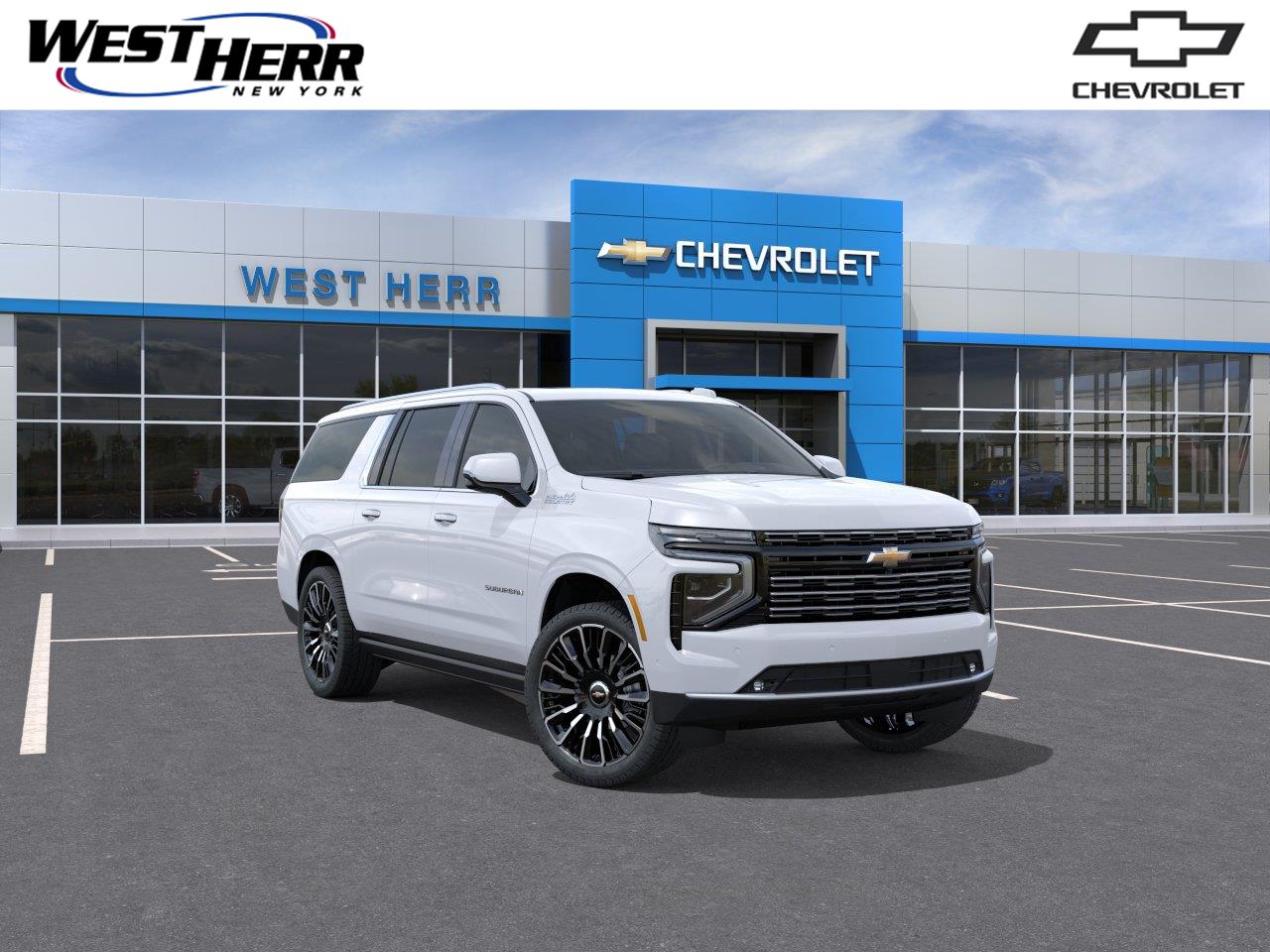
Credit: www.westherr.com
Frequently Asked Questions
Why Won’t My Chevrolet Suburban Start?
A Chevrolet Suburban may not start due to a dead battery, faulty starter, or ignition switch issues. It could also be caused by a fuel system problem or a blown fuse. Checking these components helps identify the exact cause quickly.
How Do I Fix A Chevrolet Suburban That Won’t Start?
Start by testing the battery and connections. If the battery is fine, check the starter and ignition switch. Inspect the fuel pump and relays next. If unsure, consult a professional mechanic to diagnose and fix the problem safely.
Can A Bad Battery Cause Starting Problems?
Yes, a bad or dead battery is one of the most common reasons a Chevrolet Suburban won’t start. Weak battery power prevents the engine from cranking. Always check battery health and charge before exploring other issues.
Is It The Starter Or Ignition Switch?
If you hear a clicking noise but the engine doesn’t crank, the starter might be faulty. No sound at all could indicate an ignition switch problem. Testing both parts can help determine the cause.
Conclusion
A Chevrolet Suburban that won’t start can cause real trouble. Check the battery and connections first. Sometimes, the issue is simple and easy to fix. Other times, it needs a mechanic’s help. Knowing common problems helps save time and money.
Don’t ignore warning signs or strange noises. Regular maintenance keeps your Suburban running strong. Stay calm and follow these tips to get back on the road. Your vehicle can be reliable again with the right care.
Disclosure: As an Amazon Associate, I may earn from qualifying purchases at no extra cost to you. Amazon and the Amazon logo are trademarks of Amazon.com, Inc, or its affiliates.
- Amazon, Amazon Prime, the Amazon logo and Amazon Prime logo are trademarks of Amazon. com, Inc. or its affiliates.

I am Sadman, the founder of CarSensorHub.com, where I share my passion for cars and technology. I specialize in writing detailed reviews and helpful guides on car gadgets, accessories, safety tools and many more. My mission is to help car owners discover the best products and tips to improve their driving experience and stay safe on the road.